

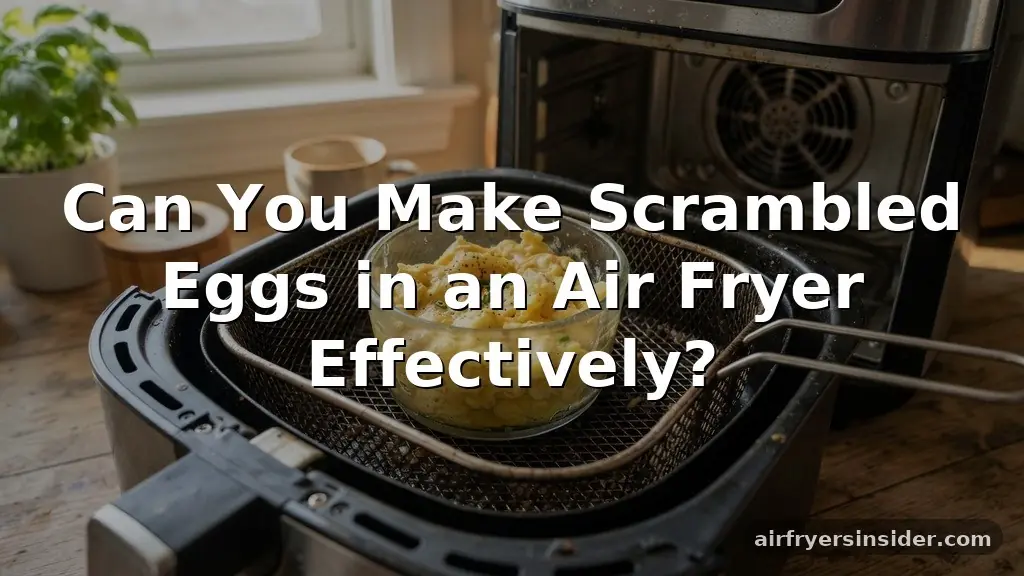
Many home cooks wonder if you can make scrambled eggs in an air fryer, and the answer is a resounding yes, provided you have the right tools and technique. While most people associate this countertop appliance with crispy chicken or roasted vegetables, it is surprisingly capable of handling delicate proteins. Because air fryers function as compact convection ovens, they circulate intense heat around your food, which creates unique conditions for egg coagulation.
By using a heat-safe container to hold the liquid mixture, you can achieve a consistent result that rivals traditional methods. This approach saves you from standing over a hot stove, making it an excellent addition to your morning routine.
Understanding the Mechanics of Air Fryer Eggs
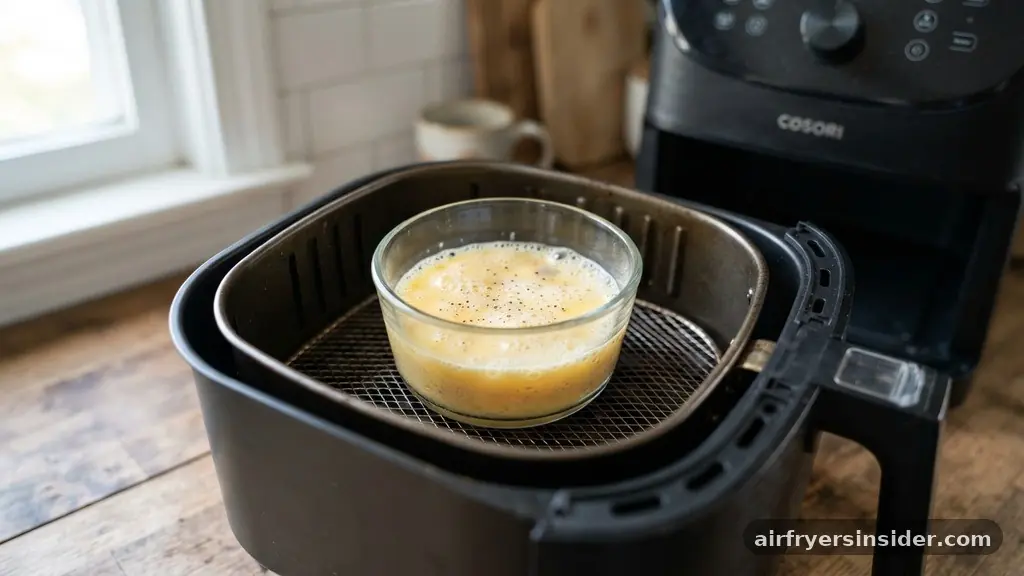
At its core, an air fryer is a high-powered convection oven that uses rapid air technology to cook food quickly. When you ask whether you can make scrambled eggs in an air fryer, you must consider how protein denaturation works in such an environment. Unlike a skillet, where heat is applied directly from the bottom, an air fryer surrounds the food with hot, moving air.
This environment is ideal for gentle, even cooking, but it requires a vessel to contain the liquid eggs. Without a container, the eggs would simply fall through the basket grate, creating a mess that is notoriously difficult to clean.
The key to success lies in the vessel you choose. A silicone mold or a small, heat-safe dish acts as a barrier, allowing the eggs to set without being blown around by the powerful fan. As the hot air circulates, it heats the container, which then transfers that heat to the eggs.
This indirect heating method prevents the eggs from drying out too quickly, preserving the moisture content that is so vital for a pleasant mouthfeel. By managing your cooking temperature, you can control the speed of the protein structure formation, leading to a softer or firmer finish depending on your preference.
Choosing the Right Equipment for Success
To achieve the best results, you need a few specific kitchen gadgets that handle heat well and fit inside your air fryer basket. A high-quality silicone mold is often the preferred choice because it is naturally non-stick and flexible, making it easy to remove the finished product.
If you do not have a mold, a small ceramic or glass ramekin works perfectly, provided it is rated for oven use. Regardless of the container, you should always lightly coat it with non-stick spray or a thin layer of butter to ensure the eggs slide out easily.
When preparing your workspace, consider the size of your appliance. A Ninja Foodi or a Cosori model might have different basket dimensions, so ensure your chosen dish fits with enough space around it for the air to flow freely. If the dish is too large and blocks the airflow, you will end up with uneven cooking where the center remains liquid while the edges become overcooked.
Proper positioning is just as important as the quality of the eggs themselves. Taking a moment to check your clearances before you start will prevent frustration and wasted ingredients later on.
The Science of Whisking and Texture
The secret to achieving fluffy eggs in an air fryer often starts before you even turn the machine on. Your whisking technique plays a massive role in the final texture of the dish. By vigorously whisking the eggs, you incorporate air bubbles into the mixture, which expand during the cooking process.
This expansion is what gives the eggs their light, airy structure. If you skip this step or whisk half-heartedly, you will likely end up with a dense, rubbery block that lacks the desired consistency.
Adding a small amount of liquid, such as heavy cream, milk, or even water, can further enhance the texture. These additions create steam during the cooking process, which helps to keep the eggs tender. If you prefer a dairy-free alternative, almond milk or soy milk works just as well.
The goal is to keep the protein matrix from becoming too tight, which happens when eggs are cooked too long or at too high a temperature. Remember that eggs continue to cook even after you remove them from the heat, so pulling them out slightly early is a professional trick to ensure they stay moist.
Optimizing Cooking Temperature and Time
Cooking time in an air fryer is generally faster than in a traditional oven, but it is slower than the stovetop. For most recipes, setting your unit to 300°F (150°C) provides a gentle environment that allows the eggs to set without browning or turning leathery.
Because every air fryer brand operates slightly differently, you may need to experiment with your specific model to find the “sweet spot.” Start by checking the eggs after five minutes, then adjust in one-minute increments until you reach your preferred level of doneness.
The following table provides a general guideline for adjusting your cooking process based on different egg quantities.
| Egg Quantity | Estimated Time | Cooking Temperature |
|---|---|---|
| 2 Large Eggs | 6 – 8 Minutes | 300°F (150°C) |
| 4 Large Eggs | 9 – 12 Minutes | 300°F (150°C) |
| 6 Large Eggs | 12 – 15 Minutes | 300°F (150°C) |
Addressing Common Topical Gaps
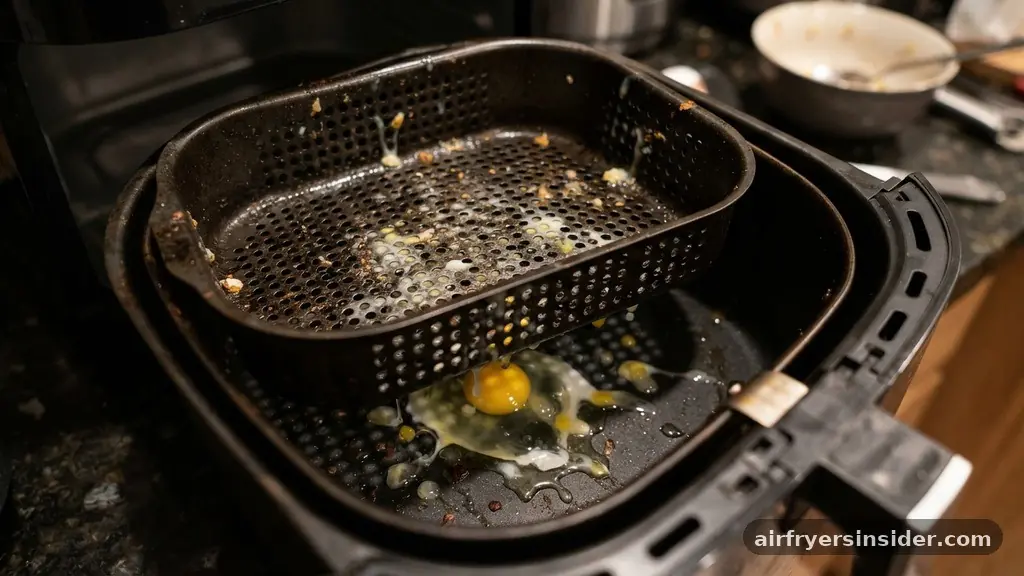
Many people wonder if they can make scrambled eggs in an air fryer without using a pan or mold. The answer is technically no, as the liquid nature of raw eggs is incompatible with the perforated design of the basket.
If you attempt to cook them directly on the basket or even on a piece of parchment paper, the eggs will spread, leak, and likely burn onto the heating element or the bottom of the drawer. Using a vessel is non-negotiable for food safety and appliance maintenance.
Another common question involves the safety of using parchment paper for eggs. While parchment paper is heat-safe, it is not a container. It will not hold the shape of the eggs, and the high-velocity air inside the fryer will likely lift the paper, causing it to touch the heating element and potentially ignite.
Stick to rigid, heat-safe silicone or ceramic dishes. Furthermore, some users worry about “exploding” eggs.
This usually refers to whole, shell-on eggs. If you are scrambling eggs, there is no risk of explosion, as there is no pressurized interior.
Comparing Methods: Stovetop vs. Air Fryer
When you compare a stovetop scramble to the air fryer method, there are clear trade-offs. The stovetop allows for precise, immediate control; you can move the pan off the heat the second the curds look perfect. This is the gold standard for chefs who want a very specific, creamy texture.
However, the stovetop requires constant attention. You cannot walk away, and you must clean the pan immediately afterward to prevent stubborn egg residue from hardening.
The air fryer, by contrast, offers a “set it and forget it” convenience. Once you have whisked the eggs and placed them in the mold, you have a few minutes of freedom to prepare toast, coffee, or set the table. While the texture might be slightly more “caked” than a loose stovetop scramble, it is remarkably consistent.
If you are cooking a large batch for a family, the air fryer is often more efficient than juggling multiple pans on a crowded stove. It is a tool for modern convenience rather than culinary precision, and it fills that role exceptionally well.
Incorporating Mix-ins and Flavors
One of the best parts about making scrambled eggs in an air fryer is the ability to customize them with various ingredients. Since the cooking process is contained within a dish, you can fold in chopped vegetables, cooked breakfast meats, or shredded cheese without worrying about them falling through the grate. If you want to add cheese, do so during the last two minutes of cooking to ensure it melts perfectly without burning.
Consider these popular additions to your egg-based breakfast:
- Diced bell peppers and onions for a southwestern flair.
- Crumbled bacon or sausage for added protein and saltiness.
- Fresh herbs like chives, parsley, or dill added just before serving.
- Sun-dried tomatoes or spinach for a Mediterranean-inspired meal.
- A dash of hot sauce or smoked paprika for a deeper flavor profile.
Be mindful of the moisture content in your mix-ins. If you use raw vegetables like mushrooms or zucchini, they may release water as they cook, which can make your eggs soggy. It is best to sauté these items briefly on the stove before adding them to your egg mixture if you want the best possible texture.
Food Safety and Maintenance Tips
Maintaining your air fryer is essential when cooking eggs, as they are a protein-rich food that can leave behind stubborn residues. Always ensure your silicone mold or dish is thoroughly cleaned after every use.
If you notice a burnt smell, check the bottom of your air fryer drawer for any stray drips. Because air fryers use high-speed air, even a tiny droplet of egg can be blown onto the heating element, where it will char and create an unpleasant odor for subsequent meals.
Regarding food safety, ensure your eggs reach an internal temperature of at least 160°F (71°C). While this is easy to achieve in an air fryer, it is a good practice to verify with a digital thermometer if you are cooking a large quantity in a deep dish. If you are doing meal prep, allow the eggs to cool completely before storing them in an airtight container in the refrigerator.
They generally last for three to four days, though they are best consumed fresh. When reheating, use the air fryer again on a low setting for a minute or two to restore their warmth without drying them out.
Mastering the Routine for Busy Mornings
Integrating this method into your daily routine is all about preparation. By keeping your silicone molds clean and ready in the cupboard, you reduce the barrier to entry. If you find yourself in a rush, you can whisk your eggs the night before and store the mixture in the fridge.
In the morning, simply pour the pre-whisked mixture into the mold and slide it into the preheated air fryer. This simple habit can save you significant time while still providing a hot, protein-rich breakfast.
As you become more comfortable with your specific machine, you will find that you can multitask more effectively. The air fryer essentially acts as a second oven, freeing up your stovetop for other tasks like heating beans or frying potatoes.
Whether you are a fan of simple, plain eggs or complex, loaded scrambles, the air fryer provides a reliable way to get the job done. With a little bit of practice, you will find that the convenience of this method far outweighs the learning curve required to master the timing for your specific kitchen appliance.
Frequently Asked Questions
Can you make scrambled eggs in an air fryer without a silicone mold?
You should always use a container, such as a heat-safe ceramic ramekin or a glass dish, if you do not have a silicone mold. Never pour raw eggs directly onto the air fryer basket, as they will drip through the holes, create a mess, and potentially damage your appliance.
Do I need to grease the container before adding the eggs?
Yes, applying a light coating of non-stick cooking spray, butter, or oil to your dish is highly recommended. This prevents the eggs from adhering to the sides of the container, making the cleanup process much faster and ensuring that you can easily remove the finished eggs for serving.
How do I prevent the eggs from becoming dry or rubbery?
To keep eggs moist, avoid overcooking them by checking the unit a few minutes before the expected finish time. Incorporating a small amount of milk or cream into your whisked eggs helps create steam, which keeps the protein structure tender rather than allowing it to become dense and rubbery.
Is it safe to use parchment paper in the air fryer for eggs?
Using parchment paper to hold liquid eggs is not recommended. The powerful fan inside the air fryer can blow the paper around, causing it to touch the heating element and potentially start a fire. Always use a stable, heat-safe dish that fits securely inside the basket.
Conclusion
Learning whether you can make scrambled eggs in an air fryer opens up a new world of possibilities for quick, efficient, and protein-packed breakfasts. While it requires a change in your usual routine and the use of a proper heat-safe vessel, the results are consistently satisfying and require very little active oversight. By experimenting with your whisking technique, adjusting your cooking temperature, and carefully choosing your mix-ins, you can turn a simple morning meal into something truly enjoyable.
Start with a small batch to learn how your specific appliance handles the heat, and you will soon find yourself relying on this method for a stress-free start to your day. If you have any favorite combinations or tips for perfecting your air fryer eggs, feel free to share your experiences and continue perfecting your morning routine.
Meta Description: Discover if you can make scrambled eggs in an air fryer with our expert guide. Learn the best techniques, tools, and tips for perfect results.


