

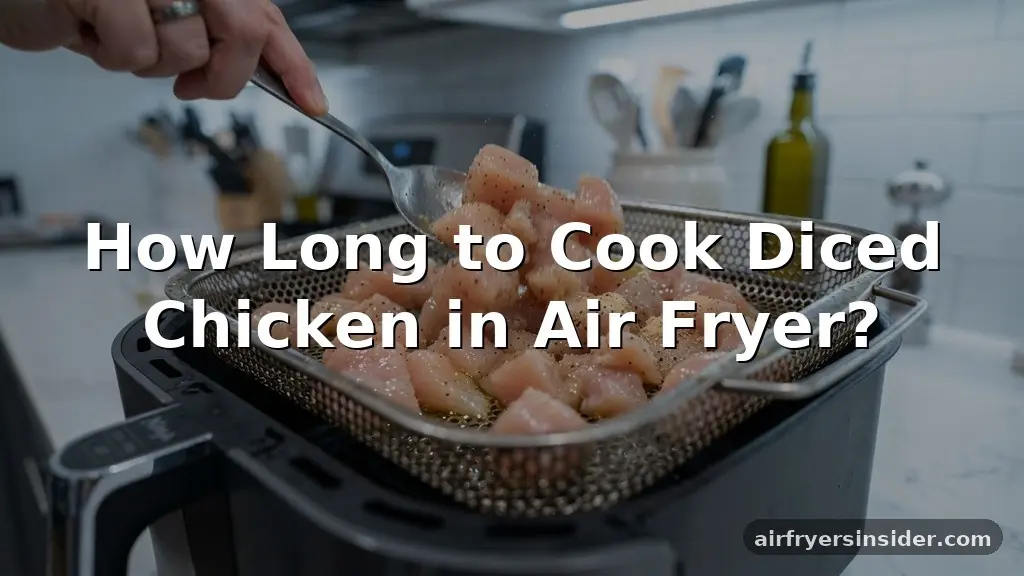
Figuring out exactly how long to cook diced chicken in air fryer appliances can be the difference between a succulent, golden-brown dinner and a batch of dry, chewy protein. Because these machines rely on rapid convection cooking, they work significantly faster than conventional ovens, often catching home cooks off guard.
When you are prepping quick meals, knowing the precise timing for chicken cubes is essential for achieving a juicy texture without sacrificing food safety. By following a few simple rules regarding temperature and preparation, you can ensure your weeknight cooking remains consistent, safe, and delicious every single time you fire up the machine.
Understanding the Mechanics of Air Frying Chicken
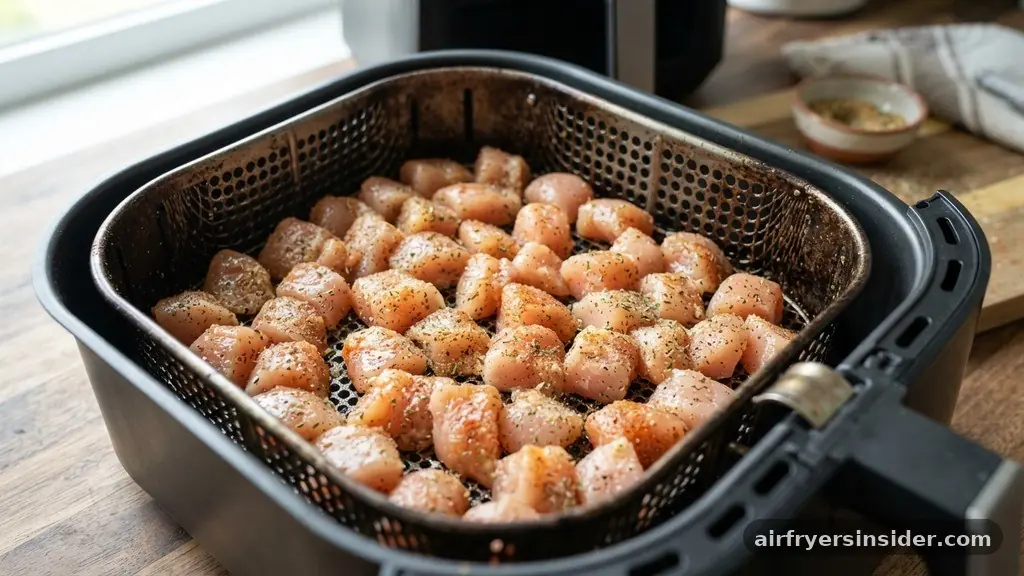
The air fryer operates as a miniature convection oven, circulating hot air at high speeds around the food. When you place chicken cubes into the air fryer basket, the intense heat works to crisp the exterior while simultaneously cooking the interior.
Unlike deep frying, which relies on submerging the protein in fat, this method uses minimal oil to achieve a comparable result. The primary challenge with diced poultry is the surface area; because the pieces are small, they can lose moisture rapidly if left in the heat for even a few minutes too long.
Understanding how your specific machine functions is key. Whether you are using a Ninja Foodi or a Cosori model, the airflow patterns and heating element intensity can vary slightly. Most modern air fryers excel at browning, which is why you can often achieve that desirable golden brown finish without any breading.
The speed of the cooking process means you should start checking your chicken earlier than you think necessary. By keeping a close eye on the process during the final two minutes, you avoid the common pitfall of over-drying the meat.
The Ideal Temperature and Time Settings
For most recipes involving boneless skinless chicken breast cut into one-inch cubes, 375 degrees Fahrenheit is the sweet spot. At this temperature, the exterior develops a nice texture before the inside becomes overcooked. If you prefer a slightly deeper crust, you can bump the heat up to 400 degrees Fahrenheit, but you must reduce the total cooking time accordingly to prevent the outside from burning while the middle remains underdone.
Generally, you should plan for a cooking time of roughly 8 to 12 minutes. The exact duration depends heavily on the size of your dice; smaller, half-inch cubes might be ready in as little as 6 or 7 minutes, while larger chunks require the full 12.
Always arrange the pieces in a single layer to ensure even airflow. If the basket is overcrowded, the chicken will steam rather than roast, leading to a rubbery texture that lacks that appetizing color.
| Chicken Piece Size | Cooking Temperature | Estimated Time |
|---|---|---|
| Small (0.5 inch) | 375°F | 6-8 minutes |
| Medium (1 inch) | 375°F | 8-10 minutes |
| Large (1.5 inch) | 400°F | 10-12 minutes |
Preparation Techniques for Maximum Moisture
Before the chicken even touches the basket, your prep work dictates the final quality of the meal. Start by patting the chicken cubes dry with a paper towel. Moisture on the surface of the meat creates steam, which is the enemy of browning.
Once dry, toss the cubes in a bowl with a light coating of olive oil or a small amount of non-stick cooking spray. This fat helps conduct heat evenly across the surface and ensures your seasoning rub adheres properly.
Consider the benefits of a dry brine if you have the time. Sprinkling salt over the chicken 30 minutes before cooking allows the seasoning to penetrate the muscle fibers, which helps the protein retain moisture during the high-heat process.
Avoid over-salting if you plan to use a pre-mixed spice blend later. Keeping the seasoning simple—perhaps just garlic powder, paprika, and a touch of black pepper—allows the natural flavor of the poultry to shine through while providing a beautiful color.
The Importance of Food Safety and Internal Temperature
When learning how long to cook diced chicken in air fryer units, you must prioritize food safety above all else. Poultry is prone to carrying bacteria, and cross-contamination is a serious concern in the kitchen.
Always wash your hands, utensils, and any cutting boards that touched the raw meat immediately after transferring the chicken to the basket. Never use the same tongs to handle the cooked product that you used for the raw cubes unless they have been thoroughly sanitized.
The only foolproof way to know your chicken is safe to eat is by using a meat thermometer. You are looking for an internal temperature of 165 degrees Fahrenheit. Because diced chicken is small, it can be tricky to insert the probe without hitting the bottom of the basket or missing the center of the meat.
Aim for the thickest piece in the center of the batch. Relying on visual cues like “no longer pink” is often unreliable, as the exterior can look perfectly cooked while the center remains under the safe threshold.
Managing Airflow and Basket Crowding
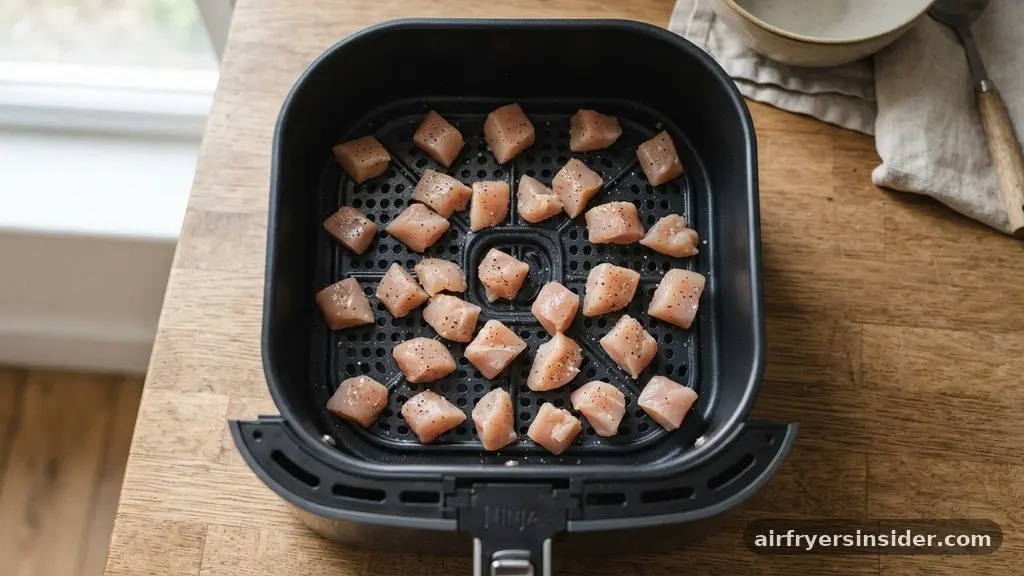
The efficiency of your air fryer depends entirely on the circulation of hot air. If you pile the chicken cubes high, the pieces in the middle will never get the direct heat required to crisp up. This leads to uneven cooking where some pieces are burnt and others are barely cooked through.
Always work in batches if you are cooking for a large group. It is better to have two quick, successful rounds of cooking than one massive, failed batch that results in soggy meat.
If you find that your specific model has a hot spot—common in some older basket-style air fryers—you should pause the machine halfway through the cooking time. Pull the basket out and give it a firm shake to redistribute the pieces.
This simple action ensures that every side of the chicken cube gets exposed to the airflow. It also helps to rotate the pieces if they are stuck together, which often happens if you have added a thick marinade or a heavy coating of oil.
Addressing Common Topical Gaps
Many home cooks wonder if they should be preheating their air fryer. While it is not strictly mandatory for every type of food, preheating is highly recommended for diced chicken. When the basket is already hot, the chicken begins to sear the moment it makes contact.
This immediate crust formation traps the juices inside. Without preheating, the chicken sits in the basket as it slowly warms up, which often results in the meat drying out before it ever achieves a golden brown exterior.
Another frequent question concerns the use of parchment paper or silicone liners. While these accessories make cleanup easier, they can significantly obstruct airflow. If you choose to use them, ensure they are perforated to allow the air to circulate.
If you notice your chicken isn’t browning as well as you’d like, try removing the liner for the last two minutes of cooking. This allows the hot air to hit the meat directly, providing that final blast of heat necessary for a satisfying texture.
Utilizing Chicken for Efficient Meal Prep
Diced chicken is the cornerstone of effective meal prep because it is so versatile. Once you have mastered how long to cook diced chicken in air fryer setups, you can prepare large quantities to use throughout the week. Because the cooking process is so fast, you can easily whip up a fresh batch in under 15 minutes, which is often faster than reheating leftovers in a microwave.
- Store cooked chicken in an airtight container for up to three days in the refrigerator.
- Use leftover chicken in cold salads, wraps, or as a protein topper for grain bowls.
- Avoid reheating the chicken in the microwave if you want to keep it juicy; instead, give it a quick 2-minute refresh in the air fryer at 350 degrees Fahrenheit.
- Freeze portions in freezer-safe bags, but remember that the texture will be best if consumed within one month of freezing.
Avoiding Common Mistakes with Small Meat Cuts
One of the biggest mistakes people make is failing to account for carryover cooking. The chicken will continue to cook for a minute or two after you pull the basket out of the machine.
If you wait until the thermometer reads exactly 165 degrees Fahrenheit while the chicken is still in the basket, it might reach 170 or higher by the time you sit down to eat, resulting in a drier bite. Aim to pull the chicken when it hits 160 or 162 degrees, and let it rest for a few minutes.
Another error is using too much oil. While a little bit of fat is necessary for browning, excess oil will pool at the bottom of the air fryer basket. This can cause smoking if the grease hits the heating element, especially in models where the basket is shallow.
Use a light touch with your oil spray. If you are using a liquid marinade, pat the chicken dry after marinating, or the moisture content will be too high to achieve any real crispness, regardless of the cooking time.
Troubleshooting Texture and Flavor Issues
If your chicken comes out tough and chewy, you have likely overcooked it. Even 60 seconds of extra time can make a significant difference in the final texture of small protein cubes.
If you find your chicken is consistently dry, try reducing the temperature to 350 degrees Fahrenheit and increasing the time slightly. This lower, slower approach is more forgiving and helps maintain the integrity of the meat.
On the other hand, if your chicken tastes bland, the issue is likely a lack of seasoning or poor adhesion. Ensure your chicken is dry before seasoning, and don’t be afraid to use a robust rub.
If you are using store-bought seasonings, check the salt content; some blends are extremely high in sodium, which can draw moisture out of the meat. Experimenting with fresh herbs added right at the end of the cooking process can also add a burst of flavor that doesn’t rely on heavy salt or oil.
Frequently Asked Questions
Can I cook frozen diced chicken directly in the air fryer?
Yes, you can, but you must increase the cooking time by about 50 percent. Start by checking the internal temperature after 10 minutes. Ensure the chicken is not frozen into a solid block, as this will lead to uneven cooking and potential food safety issues.
Is it better to air fry chicken at 375 or 400 degrees Fahrenheit?
375 degrees is generally better for diced chicken because it cooks the meat thoroughly without burning the exterior. Use 400 degrees only if you want a very crispy, golden-brown crust and are confident in your ability to monitor the chicken closely to prevent overcooking.
How do I know if the chicken is fully cooked without a thermometer?
While a thermometer is the only safe method, you can look for juices that run clear rather than pink. The meat should be opaque throughout, and the edges should be slightly firm. If you are in doubt, always use a thermometer to avoid any risk of foodborne illness.
Why is my air-fried chicken coming out dry?
Dry chicken is usually the result of overcooking or cutting the pieces too small. Because air fryers use intense heat, small pieces lose moisture quickly. Try cooking for a shorter duration, using a slightly higher fat content in your marinade, or pulling the chicken out a few degrees early.
Final Thoughts on Mastering Air Fryer Chicken
Mastering the process of cooking diced chicken in an air fryer is a skill that will save you time and improve your daily cooking. By focusing on temperature control, proper preparation, and the use of a meat thermometer, you can consistently produce juicy, flavorful protein that fits into any healthy diet. Whether you are prepping for the week ahead or throwing together a last-minute dinner, the air fryer offers a level of convenience that is hard to beat.
Start with these guidelines, adjust based on your specific machine, and enjoy the ease of quick, delicious meals. If you have any favorite seasoning combinations or tips that have worked for your kitchen, feel free to share them as you continue to refine your technique.
Meta Description: Learn exactly how long to cook diced chicken in air fryer units to achieve a juicy, golden-brown result every time using these professional tips.


