

Reheating leftover seafood often feels like a gamble, especially when you are trying to figure out how long to reheat fried fish in air fryer units without turning it into a rubbery mess. Many home cooks struggle with the balance between restoring that signature crunch and keeping the center succulent.
Because air fryers use intense convection currents to circulate heat, they are arguably the superior tool for rescuing breaded or battered fillets from the tragedy of the microwave. Mastering the timing ensures your meal tastes nearly as fresh as the moment it left the deep fryer.
The Science Behind Air Fryer Reheating
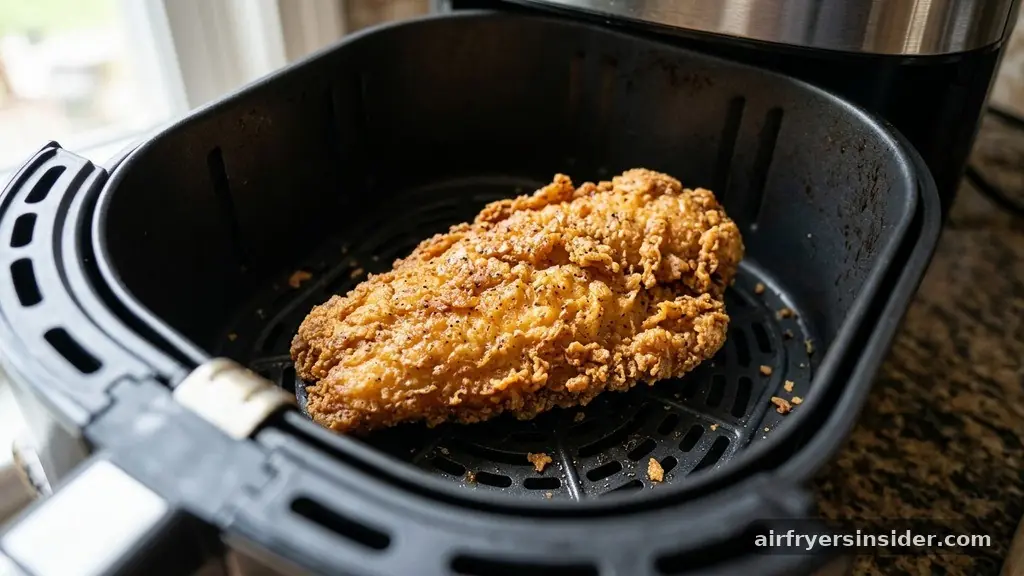
Understanding why air fryers work so well for leftovers starts with their core technology. Unlike a microwave, which excites water molecules and often results in a soggy coating, an air fryer uses rapid air technology to simulate deep frying. This process works by moving hot air at high speeds around the food, effectively dehydrating the exterior just enough to restore its crispiness while warming the interior.
When you reheat fried fish, you are essentially trying to evaporate the residual moisture that has migrated from the fish meat into the breading during storage. If you heat it too slowly, the crust stays soft. If you heat it too fast, the outside burns before the middle is warm.
The convection effect is highly efficient, which is why you generally need less time than you might expect. By manipulating the temperature and the airflow, you can achieve a texture that mimics the original preparation.
Optimal Temperature Settings for Crisp Results
Selecting the right temperature is just as critical as knowing how long to reheat fried fish in air fryer baskets. While some might be tempted to crank the heat to the maximum to speed up the process, doing so often ruins the delicate structure of the fish. For most breaded or battered items, a setting between 350°F and 375°F is the “sweet spot.”
At 350°F, you allow the heat to penetrate the thickest part of the fillet without scorching the outer layer. If you are dealing with a particularly thick piece of cod or salmon, sticking to the lower end of this range is safer.
If your fish is thinner, like tilapia, you can nudge the temperature up to 375°F to ensure the exterior gets that satisfying snap quickly. Always remember that different brands like Ninja Foodi, Cosori, or Philips air fryer models may have slightly different heating profiles, so keep an eye on your food during the final minute of the cycle.
Determining the Correct Reheat Time
The exact duration depends heavily on the thickness of the fillet and how cold the fish was when it entered the basket. In general, you should plan for a reheat time of three to five minutes. Smaller or thinner pieces will likely be ready in three minutes, while larger, denser portions might require the full five-minute stretch.
To get the best results, you must avoid overcrowding the basket. Air needs to circulate freely to create that crispiness we all crave.
If you stack pieces on top of each other, the steam will get trapped, leading to a soggy coating that defeats the whole purpose of using an air fryer. If you have a large batch of leftovers, it is much better to run two shorter cycles than one long, overcrowded one.
Step-by-Step Execution for Perfect Texture
Achieving restaurant-quality results requires a disciplined approach. Follow these steps to ensure your fish comes out hot and crunchy every single time:
- Preheat your air fryer for three minutes at 350°F to ensure the environment is ready to crisp the exterior immediately.
- Lightly apply a thin layer of oil spray to the fish; this helps conduct heat into the breading and prevents sticking.
- Arrange the fillets in a single layer, ensuring they don’t touch, which allows for maximum airflow.
- Place the basket into the unit and set your timer for three minutes to start.
- Check the fish at the three-minute mark; if it isn’t quite hot enough, add one-minute increments until you reach the desired internal temperature.
Managing Different Types of Fried Fish
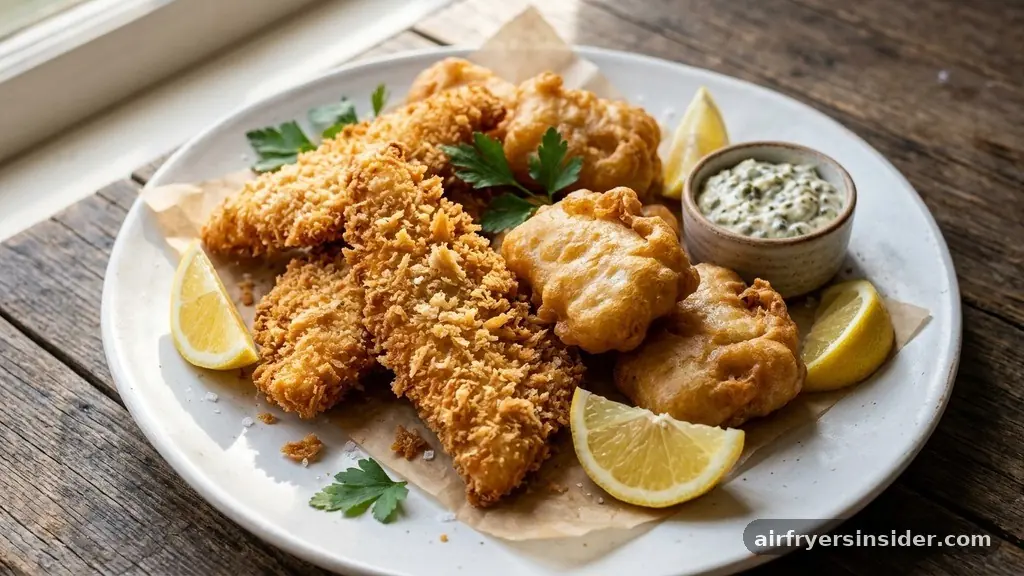
Not all fried fish is created equal, and the coating plays a significant role in how it behaves during reheating. Breaded fish, which usually features a layer of flour or panko, tends to hold its structure well and absorbs heat evenly. Battered fish, particularly those made with beer or tempura batters, can be more temperamental because the batter is often thicker and contains more moisture.
If you are reheating battered fish, you may find that it needs an extra minute to ensure the center of the batter is fully heated through. Salmon, which is naturally oilier, might release more fats during the reheating process.
This is actually a benefit, as it helps crisp the exterior naturally. Cod and tilapia, being leaner, might need that light spritz of oil spray to ensure they don’t dry out before the reheating duration is complete.
Ensuring Food Safety and Internal Temperature
While reheating leftovers is convenient, food safety must remain a priority. To avoid any risk of foodborne illness, the fish should reach a safe internal temperature of 145°F. Using a reliable food thermometer is the only way to be absolutely certain that the center of the fish is safe to eat.
Salmonella and other bacteria are destroyed by heat, but they can survive if the center of a thick piece of fish stays cold. If you suspect your leftovers have been in the refrigerator for more than three days, it is best to discard them rather than risking a meal that might be past its prime. Furthermore, never leave your fish sitting out at room temperature for more than two hours before storing it; rapid cooling is essential to maintaining the quality of the proteins.
Addressing Common Reheating Pitfalls
Many people encounter problems when they try to rush the process or use the wrong equipment. One common mistake is failing to use a wire rack or parchment paper.
If you use parchment paper, ensure it is perforated so that the air can still circulate underneath the food. Without proper airflow, the bottom of the fish will become soft and unappetizing.
Another frequent issue is the “soggy coating” phenomenon. This usually happens when the fish is reheated at too low a temperature or when the air fryer is not preheated.
Thermal conductivity is the physical principle here; the hot air must hit the fish at a high enough temperature to crisp the surface before the heat has time to steam the interior. If your fish still feels limp after the recommended time, your air fryer might need a slightly longer preheat period to reach its target operating temperature.
Comparing Reheating Methods
It is helpful to look at how the air fryer compares to other common kitchen appliances when it comes to reviving fried fish. The following table illustrates the differences in texture and time for each method.
| Method | Time | Resulting Texture |
|---|---|---|
| Air Fryer | 3-5 Minutes | Crispy, fresh-like texture |
| Microwave | 1-2 Minutes | Soggy, rubbery coating |
| Conventional Oven | 10-15 Minutes | Good, but slow and dries out meat |
| Pan Fry | 5-7 Minutes | Greasy, prone to burning |
FAQ Section
How can I tell if my fish is fully reheated?
The best way to verify safety and quality is by using a food thermometer. You want the thickest part of the fillet to reach an internal temperature of 145°F. If you don’t have a thermometer, the fish should be steaming hot in the center and opaque throughout.
Can I reheat fish that has been frozen?
Yes, you can, but it is better to thaw it in the refrigerator overnight first. If you must reheat from frozen, you will need to lower the temperature to 325°F and increase the reheating duration significantly to ensure the center thaws and cooks without burning the breading.
What should I do if the breading is burning but the center is cold?
This usually means your temperature is set too high. Reduce the heat by 25 degrees and continue cooking. You can also loosely cover the fish with a small piece of aluminum foil to shield the crust from direct heat while the center continues to warm up through convection.
Is it safe to reheat fried fish more than once?
It is not recommended. Reheating food multiple times increases the risk of bacterial growth and significantly degrades the texture and flavor of the fish. Only reheat the amount of fish you plan to eat in a single sitting to maintain the highest quality and safety standards.
Conclusion
Successfully bringing your leftovers back to life is all about controlling the variables of heat and time. By choosing the right temperature, avoiding the temptation to overcrowd your air fryer basket, and using a little bit of oil to assist the process, you can enjoy a meal that rivals its original state. Remember that knowing how long to reheat fried fish in air fryer units is a skill that improves with practice, so don’t be afraid to adjust your timing based on the specific thickness of your fillets.
With these techniques, you will never have to settle for soggy, disappointing seafood again. Keep your air fryer clean, monitor your internal temperatures, and enjoy the convenience of perfectly crispy, reheated fish whenever the craving strikes.
Meta Description: Learn exactly how long to reheat fried fish in air fryer for a crispy, fresh-tasting meal. Follow our expert tips for perfect timing, temperature, and safety.


