

Mastering the art of reheating chicken wings in an air fryer is the secret to avoiding the disappointment of rubbery, sad leftovers. When you order a surplus of wings or prep them for a party, the biggest challenge is restoring that signature crunch without turning the meat into shoe leather.
Unlike the microwave, which steams your food and ruins the texture, the air fryer utilizes intense, focused airflow to revive the exterior. By understanding the balance between heat and time, you can bring those wings back to life so they taste just as good as they did when they first left the deep fryer.
Why the Air Fryer Excels at Reviving Leftover Wings
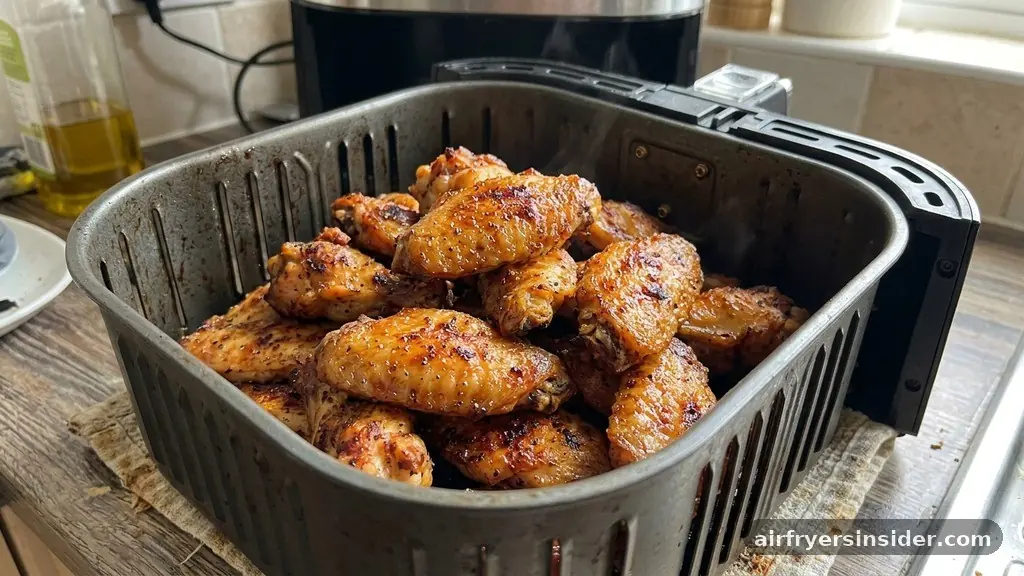
Most appliances struggle with reheating fried foods because they lack the necessary air circulation to remove surface moisture. When you use an oven, the process is often too slow, which leads to the meat losing too much internal moisture before the skin gets crispy.
The air fryer, however, uses rapid air technology to blast the surface of the chicken with hot, circulating air. This intense convection heat is the primary reason why the air fryer is superior for this specific task.
Because the air moves so quickly around the food, it effectively evaporates residual moisture from the skin while simultaneously heating the meat through. This is the exact environment needed to restart the Maillard reaction, the chemical process responsible for browning and flavor development.
By focusing on high heat for a short duration, you prevent the connective tissue from breaking down further, which keeps the meat succulent. It is a precise balance of physics that turns a soggy, sad wing into a crispy, flavorful snack in mere minutes.
Preparing Your Wings for the Best Possible Results
Before you even think about hitting the start button, you need to set the stage for success. If your wings have been sitting in the refrigerator for hours, they will be cold and the fat will have solidified. Taking the wings out of the fridge about 15 minutes before you plan to reheat them helps them reach room temperature, which ensures that the inside reaches a safe internal temperature without the outside burning.
If your wings are heavily sauced, you have a strategic choice to make. Excessive sauce can act as a barrier to the heat, preventing the skin from crisping up properly. It is often better to scrape off the bulk of the old sauce or blot the wings with a paper towel before you put them in the basket.
You can always toss them in fresh sauce once they are hot and crispy. If you prefer to keep the original sauce on, just be prepared for the possibility that the sugars in the sauce might caramelize or even char if the temperature is too high.
Optimizing the Preheat Cycle and Temperature Settings
Many home cooks skip the preheat cycle, but when it comes to reheating, it is essential. A preheated air fryer ensures that the cooking process begins the second the basket slides into the chamber.
Without this initial blast of heat, the wings sit in a lukewarm environment, which encourages moisture to draw out of the meat, leading to a dry result. You should aim to preheat your air fryer to at least 350°F to 375°F for about three to five minutes before loading the wings.
Temperature management is the key to avoiding the dreaded soggy skin. If you go too low, the wings won’t crisp; if you go too high, the exterior will burn before the interior is warm. For most standard wings, 360°F is the sweet spot.
It provides enough intensity to render out any remaining fat under the skin while keeping the meat tender. Always keep an eye on the clock, as reheating is significantly faster than initial cooking.
| Wing Type | Recommended Temp | Estimated Time |
|---|---|---|
| Standard Bone-in | 360°F | 6-8 minutes |
| Extra Crispy/Large | 375°F | 8-10 minutes |
| Boneless/Bites | 350°F | 4-5 minutes |
Managing Air Circulation and Basket Capacity
The efficiency of your air fryer depends entirely on how well the air can move around the food. If you pack the basket too tightly, you block the airflow, which creates pockets of steam. This is the fastest way to end up with soggy skin on your wings.
To achieve that restaurant-quality crunch, you must arrange the wings in a single, even layer. If you have a large batch, it is much better to cook them in two separate batches than to crowd them into one.
Use your kitchen tongs to flip the wings halfway through the reheating process. This ensures that both sides of the wing are exposed to the direct heat, promoting even crispiness. If you are worried about cleanup, you might be tempted to use parchment paper or aluminum foil.
While these tools are great for preventing messes, they can sometimes impede the airflow if they cover the entire bottom of the basket. If you must use them, try to use a perforated version that allows air to pass through freely.
The Role of Fats and Oils in Reheating
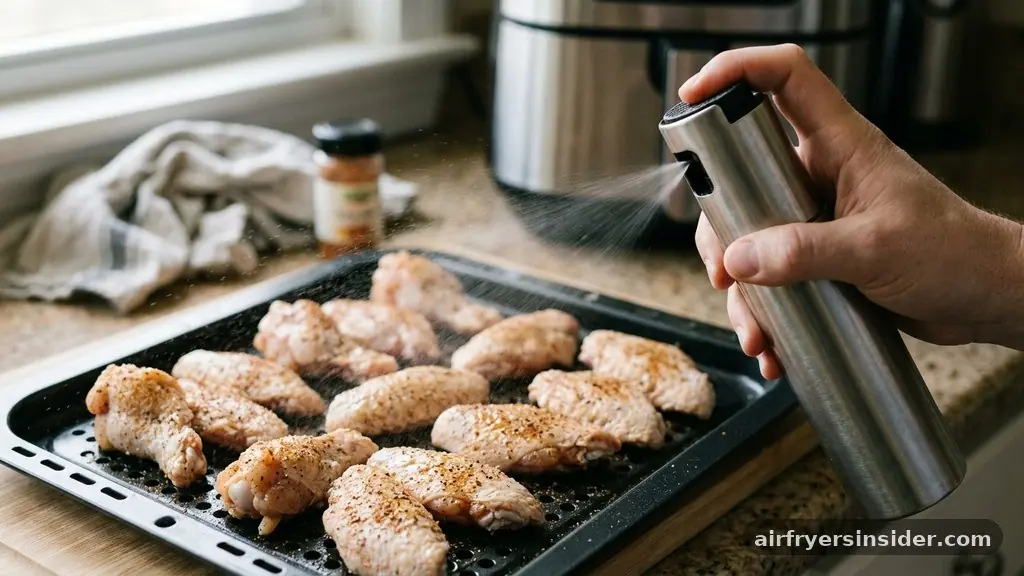
You might wonder if you need to add more oil to the wings before putting them in the air fryer. Generally, chicken wings have enough rendered fat left in the skin that they don’t need extra oil to crisp up.
However, if the wings look particularly dry or if they were baked rather than fried originally, a light spritz of olive oil spray can make a world of difference. This helps the skin conduct heat more effectively and encourages a deeper golden color.
Be careful not to overdo it, though. Adding too much oil can lead to smoking if your air fryer’s heating element is close to the food. If you are adding a fresh coating of sauce, do that only after the wings are fully heated.
Adding sauce before or during the reheating phase often leads to burnt patches because the sugars in standard buffalo wing sauce or barbecue sauce have a low smoke point. Save the sauce for the final toss to ensure the best flavor and texture.
Ensuring Food Safety and Proper Internal Temperature
Even though the wings were already cooked once, you must treat them with the same care as raw poultry to prevent foodborne illness. Reheating leftovers requires that you bring the meat back up to a safe internal temperature.
According to food safety guidelines, you should ensure the center of the chicken reaches at least 165°F. Using a reliable food thermometer is the only way to be certain that your wings are safe to eat, especially if they are large or have thick sections of meat.
Carryover cooking will continue to raise the temperature slightly once you remove the wings from the air fryer. If your thermometer reads 160°F, you can typically take them out and let them rest for a minute or two; they will usually hit that 165°F target without further heat.
Remember that bone-in chicken takes longer to heat through than boneless varieties because the bone acts as an insulator. Always check the thickest part of the wing, usually near the joint, to ensure it is thoroughly heated.
Troubleshooting Common Reheating Issues
If your wings aren’t turning out the way you expected, there are usually a few culprits. One common issue is that the wings might be cold in the center even though the skin is hot.
This usually happens when the temperature is set too high, causing the exterior to crisp before the heat can penetrate the meat. If you notice this, drop your temperature by 25 degrees and add a few minutes to the total reheat time.
Another issue is the dreaded rubbery texture. This is almost always caused by a lack of airflow or residual moisture that didn’t have a chance to evaporate.
If you find your wings are still a bit soft, try increasing the airflow by ensuring they are spaced out properly and not overlapping. Sometimes, giving the basket a good shake halfway through the cook time helps redistribute the heat and knocks off any excess moisture that might be pooling on the surface.
Addressing Topical Gaps in Reheating Methods
A frequently overlooked aspect of reheating wings involves the nature of the breading or coating. If your wings were originally breaded, they behave differently than naked, skin-on wings. Breading tends to trap moisture, which can lead to a soft or mushy texture upon reheating.
To fix this, you need a slightly higher temperature—around 380°F—for a shorter time. This “flash” heat helps to crisp the breading without allowing the interior to become dry or tough.
Another gap is the treatment of frozen wings versus fresh leftovers. If you are reheating wings that were previously frozen and then cooked, they will naturally have less moisture than fresh leftovers.
You might need to adjust by adding a tiny bit of moisture, perhaps a light mist of water or broth, at the very beginning of the cycle to keep the meat from becoming stringy. This creates a small amount of steam that prevents the meat from dehydrating before the skin gets back to its desired texture.
Essential Tips for Success
To maintain the best quality, keep these core principles in mind whenever you fire up the air fryer for leftovers. Using the right tools and techniques makes all the difference in the final result.
- Always preheat your unit to ensure consistent heat from the first second.
- Use kitchen tongs to turn the wings so every side gets equal exposure to the convection heat.
- Avoid overcrowding the basket, as air circulation is the secret to crispy skin.
- Keep sauce on the side and apply it only after the reheating process is complete.
- Use a food thermometer to verify that the internal temperature has reached at least 165°F.
- If the wings seem dry, a quick spritz of olive oil spray can help restore the exterior.
Frequently Asked Questions
How long should I reheat chicken wings in an air fryer?
Typically, it takes between 6 to 8 minutes at 360°F. The exact time depends on the size of your wings and how crowded the basket is. Always check for a crispy exterior and ensure the internal temperature reaches 165°F before serving.
Can I reheat frozen pre-cooked wings in the air fryer?
Yes, but you should add a few extra minutes to the cooking time. Start at 350°F to ensure the center thaws and heats through, then bump the heat up to 380°F for the final two minutes to ensure the skin gets crispy.
What is the best way to keep wings from drying out?
To prevent dry meat, avoid overcooking them. Using a lower temperature for a slightly longer time is better than a high-heat blast. If you are worried, a very light mist of oil or water can help maintain moisture during the heating process.
Is it better to use foil in the air fryer when reheating?
It is generally better to avoid foil because it blocks the airflow. If you need to use something for easy cleanup, use a perforated parchment paper liner designed for air fryers. This allows the hot air to circulate freely around the wings.
Conclusion
Successfully bringing your leftovers back to life is entirely about managing the environment inside your air fryer. By focusing on consistent air circulation, proper temperature control, and the right timing, you can avoid the common pitfalls of soggy or dry chicken. Remember that the goal is to gently warm the meat while crisping the skin, rather than cooking the wings all over again.
With these techniques, your reheated wings will retain their flavor and texture, making them just as enjoyable the second time around. Don’t hesitate to experiment with your specific model’s settings to find the perfect rhythm for your favorite wings, and enjoy the convenience of perfect leftovers whenever the craving strikes.
Meta Description: Learn how to reheat chicken wings in an air fryer to achieve crispy skin and juicy meat. Follow our expert tips for the perfect, restaurant-quality result.


