


Determining how long do you cook raw chicken in an air fryer is a common hurdle for home cooks looking to master this versatile kitchen appliance. Because air fryers use rapid air circulation to mimic convection cooking, they are incredibly efficient at rendering fat and crisping skin, but they can also dry out lean meat if the timing is off.
Achieving the perfect balance between a golden, crunchy exterior and succulent, juicy meat requires understanding the nuances of different cuts and the importance of monitoring internal temperature. By following established food safety guidelines and mastering a few simple techniques, you can turn raw poultry into a reliable, healthy staple in your weekly meal rotation.
Understanding the Basics of Air Fryer Poultry
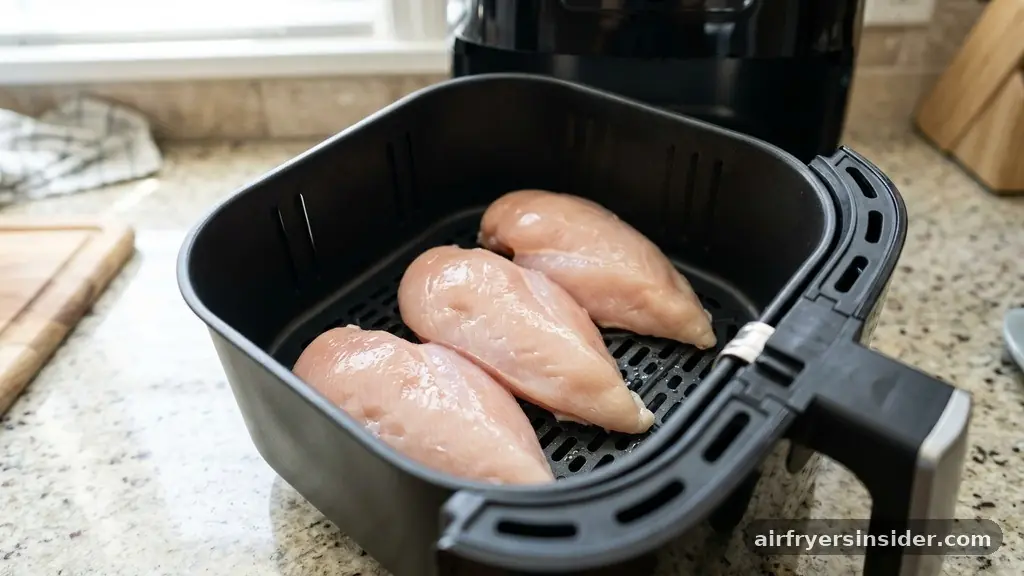
The air fryer has revolutionized home cooking by making it possible to achieve textures similar to deep frying with a fraction of the oil. When you cook raw chicken, you are essentially dealing with a high-heat convection environment that moves hot air around the food at high speeds.
This process is highly effective for poultry because it quickly sears the surface, locking in moisture while simultaneously developing a flavorful crust. Unlike traditional ovens, which may take longer to preheat and circulate heat, the compact nature of an air fryer means that your cooking time is significantly reduced.
However, speed is a double-edged sword. Because the heat is so intense, it is easy to overcook thin pieces of meat if you aren’t paying attention. To get consistent results, you must consider the size, shape, and bone content of the chicken you are preparing.
A boneless chicken breast will cook much faster than a bone-in thigh or a whole bird, and failing to account for these differences is the primary reason many people end up with rubbery or dry results. Understanding your specific air fryer settings and how they interact with different cuts of meat is the first step toward culinary success.
Why Internal Temperature Is Your Best Metric
While cooking time estimates are helpful for planning, they should never be the sole factor in determining doneness. The only way to guarantee that your poultry is safe to eat and perfectly cooked is by using a reliable meat thermometer.
According to USDA guidelines, all poultry must reach an internal temperature of 165°F to ensure that any potential bacteria, such as salmonella, are destroyed. Relying on a timer alone is risky because air fryer models vary in wattage, basket size, and airflow patterns, all of which change how fast your food actually cooks.
When checking the temperature, always insert your thermometer into the thickest part of the meat, avoiding the bone, as the bone can conduct heat and give you a false reading. If you are cooking a whole chicken, check the thickest part of the thigh and the breast to ensure even cooking throughout. When the internal temperature hits the target, you can pull the chicken out immediately.
This prevents the carry-over cooking process from pushing the meat past the point of juiciness. If the thermometer reads 165°F, you have reached the gold standard of food safety and quality.
Essential Preparation for Optimal Texture
Preparation plays a massive role in how your chicken turns out, particularly regarding the skin and seasoning. Before you even place the meat in the basket, ensure it is relatively dry by patting it down with paper towels.
Excess moisture on the surface of the chicken will create steam rather than a crust, preventing that desirable crispy skin. Once dried, brushing the meat with a thin layer of olive oil or another high-smoke-point oil helps conduct the heat evenly and encourages the browning process.
Applying a dry rub is another excellent way to enhance the flavor profile of your air-fried meals. Whether you prefer a simple mix of salt, pepper, and garlic powder or a complex blend of smoked paprika and dried herbs, a dry rub adheres well to the oiled surface.
Be mindful of ingredients with high sugar content, such as certain barbecue rubs, which can burn quickly under the intense heat of the air fryer. If you are using a sugar-heavy rub, consider adding it during the last few minutes of the cooking cycle to prevent charring while ensuring the flavors still meld with the meat.
Managing Different Cuts and Cooking Times
Not all chicken is created equal, and the cooking time will fluctuate based on the specific cut you choose. Boneless, skinless chicken breasts are a favorite for quick weeknight dinners, but they require careful monitoring to avoid drying out.
Conversely, bone-in thighs or drumsticks are much more forgiving because they contain more fat and connective tissue, which helps keep the meat moist during the cooking process. A whole chicken requires the most attention, often needing to be flipped or rotated to ensure even heat distribution.
The following table provides a general reference for cooking times and temperatures, though you should always verify with a meat thermometer.
| Chicken Cut | Typical Temp (°F) | Estimated Time (Min) |
|---|---|---|
| Boneless Breast | 375°F | 15–20 |
| Bone-in Thighs | 380°F | 20–25 |
| Chicken Wings | 400°F | 18–22 |
| Whole Chicken | 360°F | 45–60 |
Addressing Common Topical Gaps
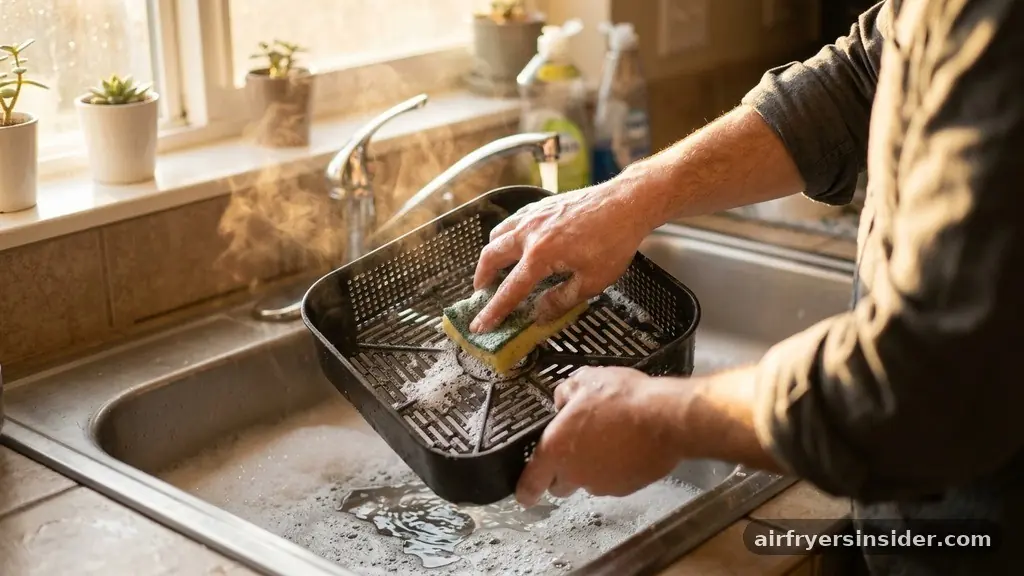
Many home cooks wonder about the specifics of cross-contamination and the necessity of preheating. Unlike an oven, an air fryer reaches its target temperature very quickly, so preheating is often a matter of preference rather than necessity. However, preheating for three minutes can lead to a better initial sear, which is particularly beneficial when you want a really crispy exterior on skin-on pieces.
If you are worried about cross-contamination, remember that the air fryer basket is a high-heat zone. After cooking, ensure you wash the basket and any accessories with hot, soapy water, or run them through the dishwasher, as the heat of the air fryer itself is not a substitute for proper sanitation of the cooking vessel.
Another common question concerns whether you can stack chicken pieces. The short answer is no. Because the air fryer relies on rapid air circulation, stacking or overcrowding the basket blocks the flow of hot air, leading to uneven cooking and parts that are steamed rather than fried.
Always arrange your chicken in a single layer with enough space between pieces for air to move freely. If you are cooking for a large group, it is better to cook in batches than to overload the unit, as the quality of the final product will be significantly higher.
The Importance of the Resting Period
One of the most overlooked steps in the entire cooking process is allowing the meat to rest once it comes out of the air fryer. Resting is essential for redistributing the juices that have migrated toward the center of the meat during the high-heat cooking process.
When you slice into a piece of chicken immediately, the juices will run out onto the cutting board, leaving the meat itself dry and tough. By giving the chicken five to ten minutes to sit on a plate or cutting board, you allow the fibers to relax and reabsorb those flavorful liquids.
This resting period is especially critical for larger cuts like whole chickens or thick breasts. While it might be tempting to dive in right away because the food smells delicious, patience is rewarded with a significantly better texture.
If you are worried about the chicken cooling down too quickly, you can tent it loosely with a piece of aluminum foil. This keeps the heat trapped without creating so much steam that the crispy skin you worked so hard to achieve becomes soft and soggy.
Common Mistakes to Avoid
Even experienced cooks can fall into traps when using an air fryer. One of the most frequent errors is failing to adjust for the thickness of the meat.
A large, thick chicken breast will take significantly longer to cook than a thin cutlet, and treating them the same will result in one being undercooked and the other being a hockey puck. Always aim for uniform sizes, or use a meat mallet to pound thicker pieces of chicken to an even thickness before seasoning and cooking.
Another mistake is neglecting to flip or shake the basket. Even though air fryers are designed to circulate heat, the bottom of the food is often shielded from the most intense airflow.
Flipping your chicken halfway through the cooking time ensures that both sides get equal exposure to the heat, leading to a more consistent, golden-brown finish. If you are cooking smaller pieces like wings or nuggets, shaking the basket serves the same purpose, ensuring that every side gets crispy and avoiding soft, unappealing patches.
Advanced Techniques for Better Flavor
Once you have mastered the basics, you can start experimenting with more advanced techniques. One effective method for adding flavor is brining. Soaking your chicken in a saltwater solution for an hour or two before cooking can drastically improve its moisture retention, making it much harder to overcook.
This is especially helpful for lean breasts. After brining, be sure to rinse and thoroughly dry the meat before applying your rub, as any residual salt on the surface can make the final dish too salty if you also use a seasoned rub.
Another technique involves using a glaze or sauce. Because the air fryer uses such high, dry heat, applying a thick sauce at the beginning of the cooking process will almost certainly lead to burning. Instead, cook the chicken until it is nearly finished, then brush on your favorite glaze during the last three to five minutes.
This allows the sauce to caramelize and thicken without turning into a charred mess. This method works perfectly for sticky glazes like honey-garlic, teriyaki, or spicy buffalo sauces.
Final Checklist for Success
To ensure every batch of chicken you make is a success, keep a small checklist in mind. Start with high-quality ingredients, properly cleaned and dried. Use your thermometer religiously, as it is the only objective measure of doneness.
Remember that the air fryer’s compact size is its greatest strength, but it requires enough space for airflow to work correctly. Don’t be afraid to experiment with different spice combinations, but always respect the heat levels of your specific machine.
- Always pat chicken dry before adding oil and seasonings to ensure a crispy texture.
- Use a digital meat thermometer to confirm the internal temperature reaches 165°F.
- Avoid overcrowding the basket to allow for proper rapid air circulation.
- Flip or rotate pieces halfway through the cooking time for even browning.
- Allow the meat to rest for at least 5 minutes before serving to retain juices.
FAQ
Can I cook frozen raw chicken in an air fryer?
It is possible, but not recommended for the best texture. Frozen chicken often releases too much moisture, which prevents crisping. If you must use frozen meat, increase the cooking time by about 50% and ensure the internal temperature reaches 165°F throughout the entire piece.
Why is my chicken skin not getting crispy?
The most likely culprit is excess moisture. If the chicken wasn’t patted dry before cooking, the air fryer will steam the meat instead of frying it. Additionally, overcrowding the basket prevents the hot air from reaching all sides of the chicken, which is necessary for a crispy finish.
How do I know if the chicken is done without a thermometer?
While not as reliable as a thermometer, you can check if the juices run clear when the meat is pierced. However, this is not a food-safe guarantee. A meat thermometer is the only way to accurately confirm the internal temperature and ensure the chicken is safe to eat.
Do I need to use oil when cooking chicken in an air fryer?
While an air fryer doesn’t require oil for the “frying” process, a light coating of olive or avocado oil helps conduct heat, promotes even browning, and helps seasonings stick to the surface. It significantly improves the final flavor and appearance of the chicken skin.
Conclusion
Mastering the art of cooking poultry in your air fryer is a rewarding skill that simplifies meal preparation while delivering excellent results. By focusing on the internal temperature, properly prepping your meat, and ensuring adequate airflow, you can avoid the common pitfalls of dry or unevenly cooked chicken. Whether you are preparing a quick weeknight dinner or a whole chicken for a family meal, the key lies in understanding how your specific appliance handles heat.
As you become more comfortable with these techniques, you will find that the air fryer is an indispensable tool in your kitchen. Start with simple cuts, keep a thermometer handy, and enjoy the process of perfecting your favorite chicken recipes. If you have any favorite seasonings or tips that have worked for you, feel free to share them as you continue to refine your cooking routine.
Meta Description: Learn exactly how long do you cook raw chicken in an air fryer. Master internal temperatures, preparation tips, and safety guidelines for perfect results.


