

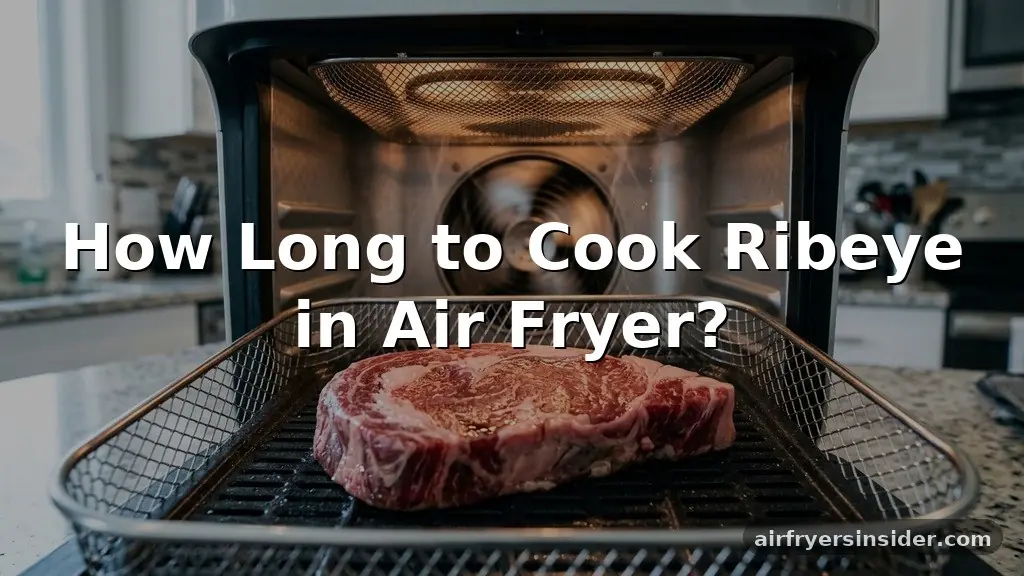
Achieving a restaurant-quality steak at home often feels like a challenge, but mastering how long to cook ribeye in air fryer settings can change your kitchen routine for good. By utilizing the intense, concentrated heat of convection cooking, you can develop a deep, flavorful crust that rivals traditional pan-searing. The key lies in understanding the interplay between heat intensity and the natural marbling of the meat.
When you get the timing right, the fat renders beautifully while the interior stays tender and juicy. This guide will walk you through the precise techniques needed to ensure your next ribeye is cooked exactly to your preferred level of doneness every single time.
Understanding the Mechanics of Air Fryer Steak
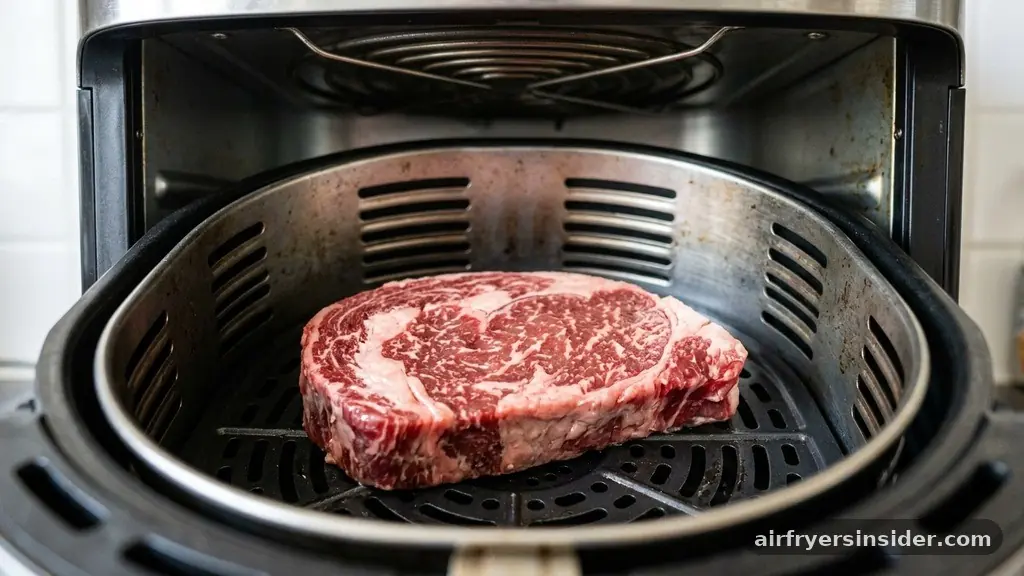
The air fryer is essentially a high-powered convection oven. It uses a heating element and a powerful fan to circulate hot air rapidly around the food, which is ideal for achieving the Maillard reaction.
This chemical reaction between amino acids and reducing sugars gives browned food its distinctive flavor. When you place a ribeye in the air fryer basket, the constant airflow ensures the exterior dries out quickly, allowing that sought-after crust to form.
Unlike a stovetop cast-iron skillet, which relies on direct contact heat, the air fryer cooks via ambient heat transfer. This means you do not necessarily need to flip the steak as frequently, though a single turn halfway through is often recommended to ensure even browning.
Because the air fryer is compact, it generates heat very efficiently. You are essentially creating a small, high-heat environment that mimics a professional broiler, making it surprisingly effective for thick cuts of beef like a well-marbled ribeye.
Selecting the Ideal Ribeye for Air Frying
Not all steaks are created equal when it comes to air frying. The best results come from choosing a ribeye with significant marbling, which is the intramuscular fat that melts during the cooking process.
This fat is essential for keeping the steak moist, especially since the air fryer’s convection environment can be quite drying if the cut is too lean. Aim for a thickness of at least one inch, as thinner steaks may overcook before they develop a proper crust.
When shopping, look for a bright cherry-red color and firm texture. If you have the choice, a bone-in ribeye can add extra flavor and help insulate the meat, though it may require a slightly longer cooking time to reach your target internal meat temperature.
Regardless of the cut, always bring your steak to room temperature for about 30 minutes before cooking. This ensures that the center isn’t cold when you start, which prevents the exterior from burning while the inside remains raw.
Essential Preparation and Seasoning Techniques
Preparation is the silent partner to cooking time. Before you even think about the air fryer, pat the surface of the ribeye completely dry with paper towels. Moisture is the enemy of a good sear; if the surface is wet, the air fryer will steam the meat instead of browning it.
Once dry, coat the steak lightly with a high-smoke-point oil like avocado or grapeseed oil. Avoid extra virgin olive oil if you are cooking at high temperatures, as it can smoke and turn bitter.
Seasoning should be simple but effective. Kosher salt is the gold standard for steaks because its coarse texture adheres well and draws out moisture to create a brine on the surface.
Freshly cracked black pepper and a touch of garlic powder can provide a savory punch, but be careful with garlic powder, as it can burn if the heat is too high. Apply your seasoning generously on all sides, including the edges, to ensure every bite is flavorful.
The Importance of Preheating Your Equipment
Many home cooks skip preheating, but it is a critical step for getting the timing right. When you place a cold steak into a cold air fryer, you lose the immediate blast of heat necessary to start the Maillard reaction.
Most modern air fryers, including popular models like the Ninja Foodi, reach their target temperature within three to five minutes. Setting your unit to 400 degrees Fahrenheit is the standard starting point for a high-heat sear.
Preheating allows the air fryer basket to become hot enough to contribute to the bottom sear of the steak. If you have an infrared thermometer, you can check the surface temperature of your basket after preheating to ensure it is ready.
Consistent heat from the very first second is what differentiates a gray, boiled-looking steak from one with a rich, dark-brown crust. Always follow the manufacturer’s guidelines for preheating to avoid damaging the non-stick coating of your basket.
Timing and Temperature Guidelines
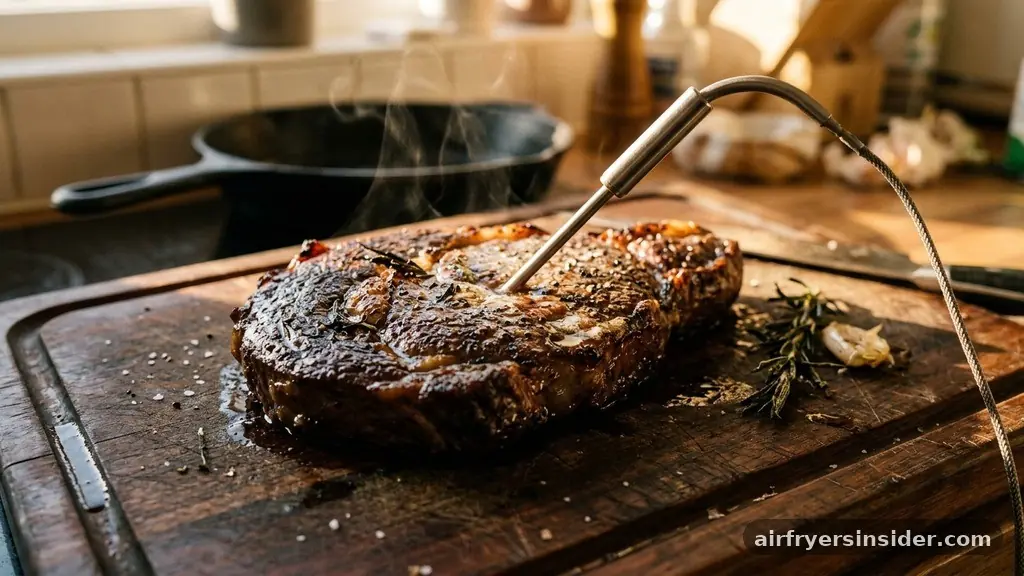
Determining how long to cook ribeye in air fryer units depends heavily on the thickness of the cut and your desired steak doneness. For a standard one-inch ribeye, 10 to 12 minutes at 400 degrees Fahrenheit is usually the sweet spot for medium-rare. However, because every air fryer varies in power and airflow, you must rely on a meat thermometer to confirm the final result.
The following table provides a general reference for cooking times based on a one-inch thick ribeye at 400 degrees Fahrenheit. Remember that these are estimates, and the actual internal temperature is the only definitive way to judge the cook.
| Doneness Level | Internal Temperature | Estimated Cook Time (1″ Steak) |
|---|---|---|
| Rare | 120-125°F | 8-9 minutes |
| Medium-Rare | 130-135°F | 10-12 minutes |
| Medium | 140-145°F | 13-14 minutes |
| Well-Done | 160°F+ | 16+ minutes |
Managing Internal Meat Temperature and Carry-Over Cooking
The USDA safe temperature for beef is 145 degrees Fahrenheit, but most steak lovers prefer pulling the meat off the heat a little earlier. This is because of carry-over cooking.
When you remove a steak from the air fryer, the internal temperature will continue to rise by about 5 to 10 degrees as the heat dissipates from the outer layers toward the center. If you want a perfect medium-rare, pull the steak at 130 degrees Fahrenheit.
Using a reliable meat thermometer is non-negotiable. Insert the probe into the thickest part of the steak, avoiding the bone if present.
If you don’t have a digital probe, you can use an infrared thermometer to check the surface, but it won’t tell you what is happening inside. By pulling the ribeye early and letting it rest, you ensure the juices redistribute throughout the meat fibers, resulting in a much more tender and succulent final product.
Resting Period: The Final Step for Success
Never slice into your ribeye immediately after taking it out of the air fryer. This is a common mistake that leads to a dry, disappointing meal.
The resting period allows the muscle fibers, which tightened during the high-heat cooking process, to relax and reabsorb the juices. If you cut the steak too soon, all that precious liquid will run out onto your cutting board instead of staying in the meat.
For a standard-sized ribeye, a resting time of 5 to 8 minutes is ideal. Tent the steak loosely with aluminum foil to keep it warm, but don’t wrap it too tightly, or the trapped steam will soften the crust you worked so hard to create.
During this time, the internal temperature will stabilize, and the steak will reach its peak flavor profile. This brief wait is the difference between a good steak and a truly memorable one.
Troubleshooting Common Air Fryer Issues
Even with the best preparation, things can go wrong. If you find that your ribeye is browning too fast on the outside but remains raw on the inside, you may have the temperature set too high for the thickness of your cut.
Try lowering the heat to 375 degrees Fahrenheit and extending the cooking time by a few minutes. This slower approach allows the heat to penetrate the center before the surface becomes too dark.
Another common issue is excessive smoke. This usually happens when fat drips into the bottom of the air fryer basket and burns.
To mitigate this, add a tablespoon of water or a slice of bread to the bottom of the air fryer (underneath the basket, if your model allows) to catch the drippings. If you’re using a Ninja Foodi or similar unit, ensure the basket is clean and free of old grease buildup, which is a major contributor to unwanted smoke during high-heat cooking.
Addressing Frequently Asked Questions
Can I cook a frozen ribeye in an air fryer?
It is technically possible, but not recommended for the best results. Cooking from frozen makes it nearly impossible to get a good crust while keeping the interior at the right temperature. If you must, add 5 to 10 minutes to the total cooking time and use a lower temperature to ensure the middle thaws.
Do I need to flip the steak during cooking?
Yes, flipping is essential. Even though the air fryer circulates air, the bottom of the steak won’t brown as efficiently as the top. Flip your ribeye halfway through the cooking time to ensure an even crust on both sides and consistent heat distribution throughout the meat.
How do I know if my ribeye is done without a thermometer?
While not recommended, you can use the “touch test” by comparing the firmness of the steak to the fleshy part of your hand below your thumb. However, this is highly unreliable. A digital meat thermometer is an inexpensive tool that provides the accuracy needed for a perfect steak every time.
Is it better to use a rack or place the steak directly in the basket?
Using a rack or a trivet inside your air fryer basket is generally better for steak. It lifts the meat off the bottom, allowing air to circulate underneath. This promotes even cooking and prevents the bottom of the steak from sitting in its own rendered fat, which can lead to a soggy crust.
Achieving Consistent Results at Home
Mastering the art of cooking a ribeye in an air fryer is a skill that pays off every time you crave a savory, well-crusted steak. By focusing on the fundamentals—preheating your unit, using a high-quality cut, and respecting the resting period—you can produce results that are consistently high-quality. Always prioritize the internal temperature over the clock, as the thickness of your steak will dictate the actual time required.
With a little practice, you’ll find that your air fryer is just as capable as a grill for preparing a perfect dinner. Experiment with different seasonings or compound butters to customize your flavor, and enjoy the convenience of this modern cooking method. Don’t be afraid to adjust your techniques based on your specific appliance, and share your successes with friends or family.
Meta Description: Learn exactly how long to cook ribeye in air fryer for a perfect, restaurant-quality sear. Get tips on temperature, timing, and achieving the ideal doneness.


