

Mastering the art of cooking thin sliced chicken breast in air fryer allows you to transform a humble piece of poultry into a succulent, flavorful meal in minutes. Because these cutlets are so thin, they provide a much faster alternative to traditional thick breasts, making them perfect for busy weeknights when you need a high-protein dinner without the long wait.
By leveraging the intense heat and efficient air circulation of your appliance, you can achieve a perfect balance between a golden brown exterior and tender, juicy meat. Whether you are prepping for the week or looking for a fast, healthy main dish, this method ensures your poultry remains moist and delicious every single time.
Understanding the Benefits of Thin Cutlets
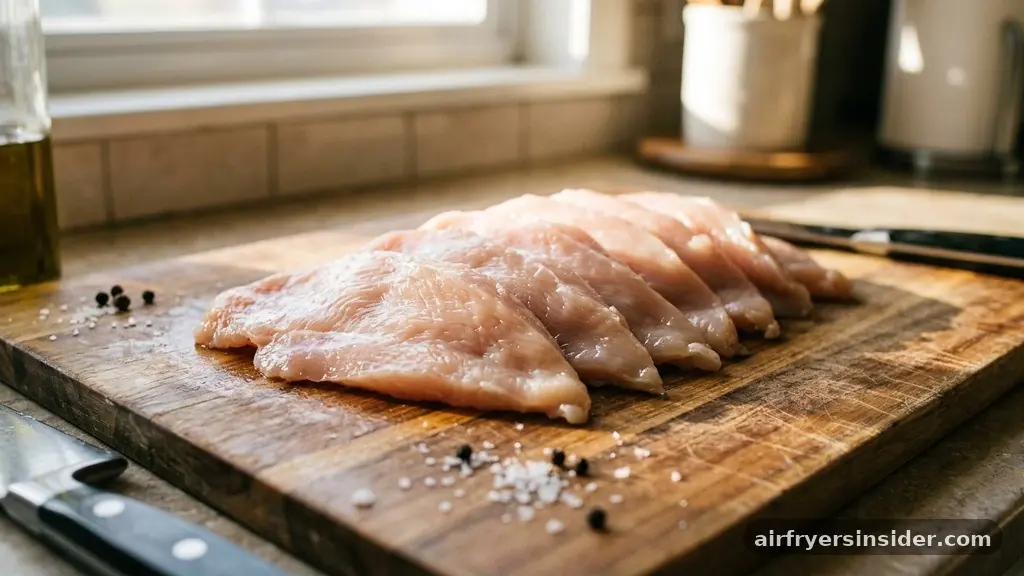
Thin sliced chicken breast, often referred to as chicken cutlets, is uniquely suited for air frying. Unlike thick breasts that can dry out while waiting for the center to reach a safe internal temperature, thin slices cook rapidly.
This speed is the primary reason for their popularity in modern kitchens. When you use an air fryer, the rapid air technology forces heat around the surface of the meat quickly, creating a crust before the center has a chance to lose its moisture.
Beyond the speed, these cutlets offer incredible versatility in your meal prep routine. Because they are uniform in thickness, they provide a consistent cooking experience that is hard to replicate with larger, irregular pieces of meat.
You can easily season a large batch, cook them in a single layer, and have enough protein to last through several lunches or dinners. This consistency is vital for maintaining food safety, as it ensures all pieces reach the required temperature simultaneously.
Essential Preparation for Maximum Flavor
Before you even plug in your air fryer, the preparation phase dictates the final quality of the meal. Start by patting the meat dry with a paper towel.
Moisture on the surface of the chicken creates steam, which is the enemy of a crispy texture. If the surface is wet, the meat will essentially boil in its own juices rather than searing, resulting in a rubbery consistency that nobody enjoys.
Once the meat is dry, apply a light coating of olive oil or a high-smoke point cooking spray. This fat acts as a conductor for the heat, helping the surface turn that beautiful golden brown color we all look for in roasted poultry. After oiling, apply your chosen seasoning blend.
A simple mix of salt, black pepper, garlic powder, and paprika works wonders, but feel free to experiment. If you want a more substantial coating, you can press the meat into panko breadcrumbs after the oil application, which provides a satisfying crunch that mimics deep-fried versions without the excess grease.
Optimizing Your Air Fryer Settings
Temperature control is the most critical factor when cooking thin sliced chicken breast in air fryer models. Most experts recommend a range between 375°F and 400°F.
If you prefer a faster cook time, 400°F is ideal, as it promotes rapid browning. However, if you are working with thicker “thin” slices or worry about them drying out, 375°F offers a more forgiving environment that allows the heat to penetrate slightly more gently.
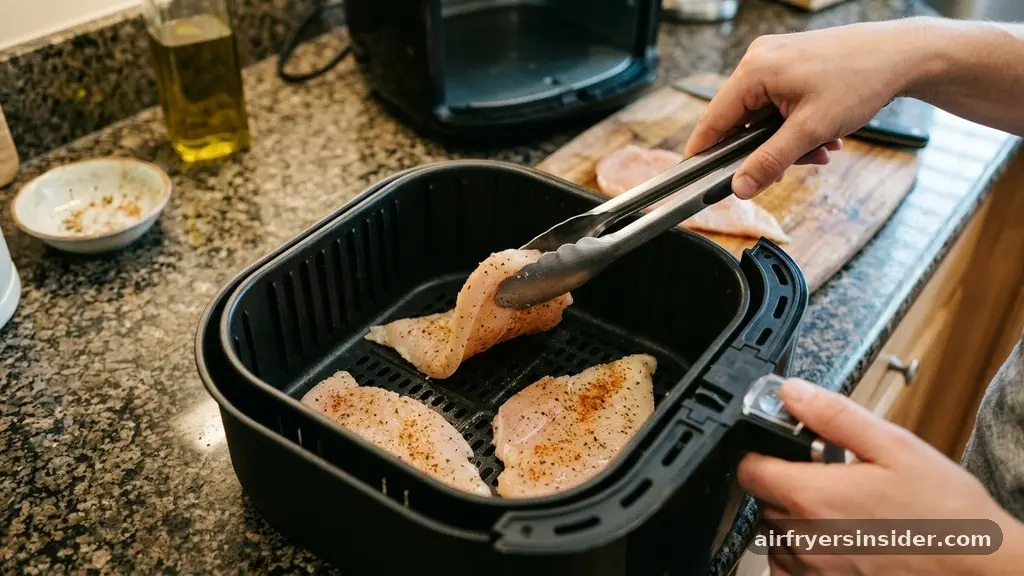
Air circulation is the secret weapon of your device. To ensure this happens effectively, never stack or overlap the chicken slices. If the pieces are touching, the air cannot reach the sides, leading to uneven cooking and soft spots.
If you have a large amount of chicken to prepare, it is better to cook in multiple batches than to crowd the basket. If you are struggling with cleanup or want to prevent sticking, you can use a piece of parchment paper, but make sure it is weighed down by the food so it does not fly up and hit the heating element.
Monitoring Internal Temperature for Food Safety
Food safety is non-negotiable when dealing with poultry. The only way to guarantee your chicken is safe to eat while maintaining maximum juiciness is to use a meat thermometer.
Relying on visual cues or guesswork is a recipe for disaster. The USDA recommends that chicken reaches an internal temperature of 165°F to ensure any potential salmonella bacteria are neutralized.
Because thin sliced chicken breast is so delicate, it can easily overcook if left in the basket for even a minute too long. Start checking your chicken after about 6 to 8 minutes of cooking time. Insert your thermometer into the thickest part of the largest cutlet.
If it hits 160°F, you can pull it out of the air fryer immediately. The residual heat will facilitate carryover cooking, bringing the meat up to the final 165°F while it rests on your cutting board.
Common Mistakes to Avoid
Even experienced home cooks can run into issues when switching to air frying. One of the most frequent errors is failing to preheat the unit. While many air fryers don’t strictly require preheating, doing so ensures that the cooking process begins the moment the chicken hits the basket, which is vital for getting that crispy exterior.
Another mistake is ignoring the resting time. If you cut into the chicken the second it leaves the air fryer, the juices will run out onto the plate, leaving you with dry meat.
| Mistake | Consequence | Fix |
|---|---|---|
| Overcrowding | Steaming instead of crisping | Cook in a single layer |
| Skipping oil | Rubbery texture | Lightly brush with olive oil |
| No thermometer | Dry or undercooked meat | Check for 165°F internal temperature |
| No resting time | Loss of moisture | Let it sit for 3-5 minutes |
Flavor Profiles and Seasoning Ideas
The beauty of cooking thin sliced chicken breast in air fryer is that it acts as a blank canvas for various flavor profiles. Because the cook time is so short, you can adjust your seasoning to match whatever side dishes you are serving.
If you are in the mood for something Mediterranean, consider a rub consisting of dried oregano, lemon zest, and garlic powder. The lemon juice can be added as a finishing touch after cooking to brighten up the flavors.
For those who enjoy a bit of heat, a dry rub featuring smoked paprika, cayenne, and brown sugar provides a lovely sweet-and-spicy balance. The sugar helps caramelize the surface, creating a near-barbecue effect without the need for a grill.
If you prefer a classic breaded style, mixing panko with parmesan cheese and dried herbs creates a sophisticated crust that feels like a restaurant-quality dish. Remember that herbs like parsley or cilantro should always be added after the cooking process to preserve their fresh flavor.
Addressing Frequently Asked Technical Questions
Many people ask how to keep the meat from drying out. The key is to manage the cooking time aggressively. Since these are thin, they do not need to be cooked for 15 or 20 minutes.
Most thin cutlets are finished in under 10 minutes at 400°F. If you find your chicken is still dry, consider lowering the temperature to 370°F and reducing the time slightly, or adding a small amount of liquid or marinade before cooking.
Another concern involves the use of breading. Does it fall off? To ensure your breadcrumbs stay attached, use a light egg wash or a thin layer of mustard as a binder before applying the dry ingredients.
This creates a glue that holds the coating to the meat during the high-speed air circulation. If you are avoiding breading, simply ensuring the meat is patted dry and lightly oiled is usually enough to create a delicious, savory crust on its own.
- Pat the chicken dry to ensure the best possible crispiness.
- Always use a meat thermometer to confirm 165°F internal temperature.
- Avoid overcrowding the basket to allow for proper air circulation.
- Let the chicken rest for at least 3-5 minutes before slicing.
- Preheat the air fryer for 3 minutes for a more consistent sear.
- Use a light spray of oil even on breaded items for better browning.
Integrating Chicken into a Protein Meal Prep Routine
Cooking thin sliced chicken breast in air fryer is arguably the most efficient way to handle meal prep. Because these cutlets cook so quickly, you can prepare enough protein for five days of lunches in less than thirty minutes.
The trick is to season them in different ways so you don’t get bored. You might make two cutlets with a taco-inspired seasoning, two with a lemon-herb blend, and two with a simple salt-and-pepper base.
Once cooked, store the chicken in airtight containers in the refrigerator. When you are ready to eat, you don’t necessarily need to reheat them. They are excellent when sliced cold over a salad or chopped into a grain bowl.
If you must reheat them, a quick 2-minute blast in the air fryer at 350°F is much better than a microwave, which can turn the meat tough and chewy. By focusing on quick-cooking methods, you remove the stress from your weekly food preparation.
Advanced Techniques for the Home Chef
Once you have mastered the basics, you can experiment with more advanced techniques. Brining is a fantastic way to ensure juiciness, especially for thinner cuts that are prone to drying out. A simple 30-minute soak in a saltwater solution (brine) changes the protein structure of the meat, allowing it to retain more moisture during the intense heat of the air fryer.
Another technique involves using a “double-crust” method. After applying your oil and dry rub, you can briefly dust the chicken in a tiny amount of cornstarch. This creates a very thin, crispy barrier that locks in the juices while providing a distinct crunch that is superior to standard flour or breadcrumb coatings.
You can also experiment with different types of oils, such as avocado oil, which has a very high smoke point and a neutral flavor, making it perfect for high-heat air frying. These small adjustments elevate your cooking from basic to gourmet without adding significant time or effort to your routine.
FAQ
How long does it take to cook thin sliced chicken breast in an air fryer?
Most thin sliced chicken breasts take between 6 and 9 minutes to cook at 400°F. The exact time depends on the thickness of the cutlets and the specific model of your air fryer. Always use a meat thermometer to ensure the internal temperature reaches 165°F.
How do I keep my air fryer chicken from drying out?
To keep chicken moist, avoid overcooking it by checking the internal temperature early. Patting the meat dry before adding oil and seasoning helps create a protective seal. Also, ensure you allow for a short resting time of about 3 to 5 minutes after removing it from the basket.
Can I use parchment paper in the air fryer for chicken?
Yes, you can use parchment paper to prevent sticking and make cleanup easier. However, ensure the chicken is heavy enough to hold the paper down so it doesn’t get sucked into the heating element. Never use parchment paper during the preheating phase without food on top.
What is the best temperature for air frying chicken cutlets?
A temperature of 375°F to 400°F is ideal for thin chicken breasts. 400°F is perfect for achieving a crispy, golden brown exterior quickly, while 375°F provides a slightly more gentle cook that is less likely to dry out the meat if you are new to using an air fryer.
Mastering the process of cooking thin sliced chicken breast in air fryer is a reliable way to simplify your kitchen routine. By focusing on consistent temperature, proper air circulation, and checking the internal temperature, you can create flavorful, juicy poultry that fits perfectly into a busy lifestyle. Whether you are experimenting with new seasoning blends or simply looking for a quick, healthy protein source, these methods provide the foundation you need for success.
Start with the basics, respect the cooking times, and don’t be afraid to adjust your approach based on the specific results you enjoy most. With a little practice, you will find that this method becomes a go-to solution for your daily meals, providing consistent quality and incredible convenience throughout the week.
Meta Description: Learn how to cook thin sliced chicken breast in air fryer for juicy, crispy results. Follow these expert tips for perfect timing, seasoning, and safety.


