

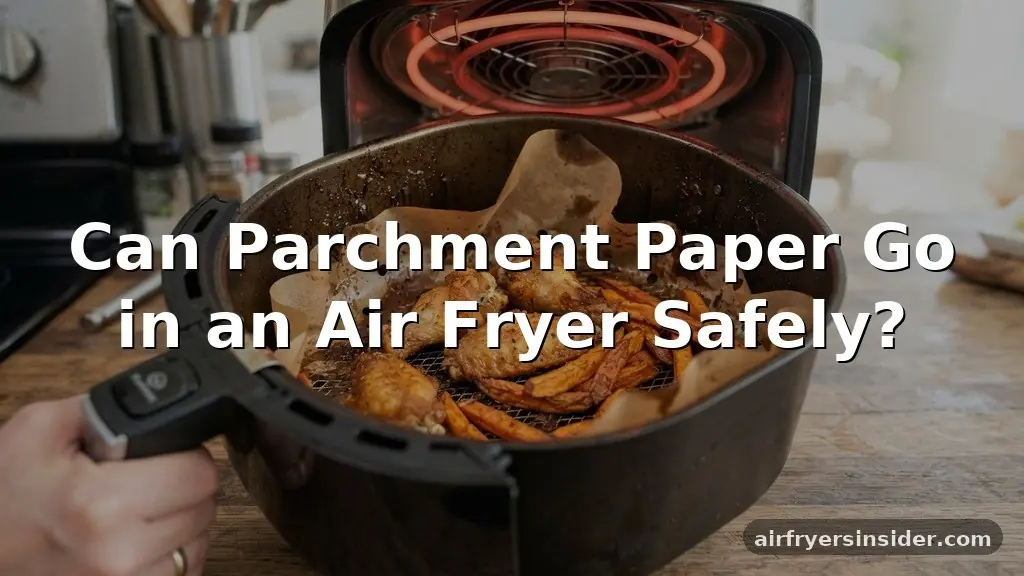
Many home cooks wonder if they can parchment paper go in an air fryer without causing a fire or ruining their meal. It is a common question because using liners makes cleanup significantly easier, but the intense heat inside these machines raises valid safety concerns.
The good news is that you can generally use parchment paper, provided you follow specific safety guidelines to ensure the paper does not come into contact with the heating element. Understanding the physics of your air fryer helps you avoid common mistakes that could lead to smoke or burnt food.
The Mechanics of Air Fryer Safety
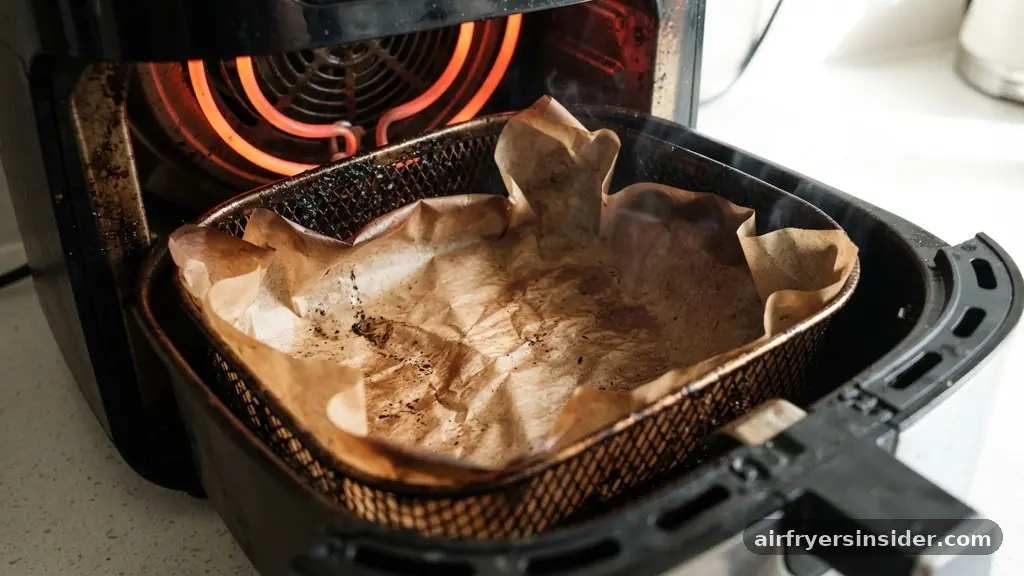
At its core, an air fryer is a high-powered convection oven. It uses a heating element, usually located at the top of the unit, combined with a powerful fan to circulate hot air rapidly around your food.
This airflow is what makes the food crispy, but it is also what creates a safety hazard when using lightweight materials like paper. If the parchment paper is not properly weighted down by food, the fan can lift the edges of the paper, causing them to fly up and touch the heating element.
When the paper touches the hot coil, it can scorch, char, or even ignite. This is the primary reason why manufacturers often warn against using loose paper liners.
To use parchment safely, always follow these rules: never preheat the air fryer with the liner inside, ensure the liner is completely covered by your food, and keep the paper from touching the sides or the top of the basket. By adhering to these simple physical constraints, you can enjoy the benefits of easy cleanup without sacrificing the integrity of your appliance or the safety of your kitchen.
Understanding the Difference Between Parchment and Wax Paper
A frequent point of confusion for beginners is the difference between parchment paper and wax paper. It is critical to note that wax paper, however, is coated with paraffin wax.
This coating has a very low melting point and is not heat-resistant in the same way that silicone-coated parchment paper is. If you accidentally use wax paper in your air fryer, the wax will melt, smoke, and likely ruin your food while creating an unnecessary mess.
Parchment paper, by contrast, is treated with a thin layer of silicone, which gives it non-stick properties and allows it to withstand higher temperatures. Most parchment paper is oven-safe up to 400°F or 425°F, which aligns well with standard air frying temperatures.
However, always check the packaging of your specific brand to confirm its heat tolerance. If you are cooking at very high temperatures, such as 450°F, you should skip the paper entirely, as you are pushing the material toward its combustion point.
Why Weight Distribution Matters
The most common reason for parchment paper incidents in an air fryer is poor weight distribution. Because the air fryer fan creates a cyclonic effect inside the cooking chamber, any lightweight material that is not anchored will move.
If you place a piece of parchment paper in the basket and only put a few small items on one side, the paper will likely lift, curl, and obstruct the airflow. This not only causes the paper to burn but also prevents the hot air from reaching the bottom of your food, resulting in uneven cooking.
When you use a liner, you must ensure that the food covers the entire surface of the paper. If you are cooking something light, like a few pieces of bacon or thin vegetable slices, they may not be heavy enough to hold the paper down.
In these instances, it is better to avoid the liner or use a perforated version designed specifically for air fryers. These perforated sheets are often smaller and have holes that allow air to pass through, reducing the amount of lift the fan can generate.
Comparing Common Air Fryer Liners
When deciding between different types of liners, it is helpful to understand how they interact with the air fryer’s heating mechanism. While parchment is a popular choice, it is not the only option available to home cooks. Many people also consider using aluminum foil or silicone mats.
| Material | Heat Resistance | Airflow Impact | Cleanup Difficulty |
|---|---|---|---|
| Parchment Paper | High | Low (if weighted) | Easy |
| Aluminum Foil | Very High | High (blocks air) | Moderate |
| Silicone Mat | High | Moderate |
Each material has its own set of trade-offs. Aluminum foil, for example, is excellent for containing juices, but foil is not porous, which means it will significantly hinder the crisping process by blocking the air from circulating under the food. Silicone mats are reusable and durable, but they require thorough scrubbing after each use, which defeats the purpose of the “disposable liner” convenience that many users seek.
Alternatives to Standard Parchment Paper
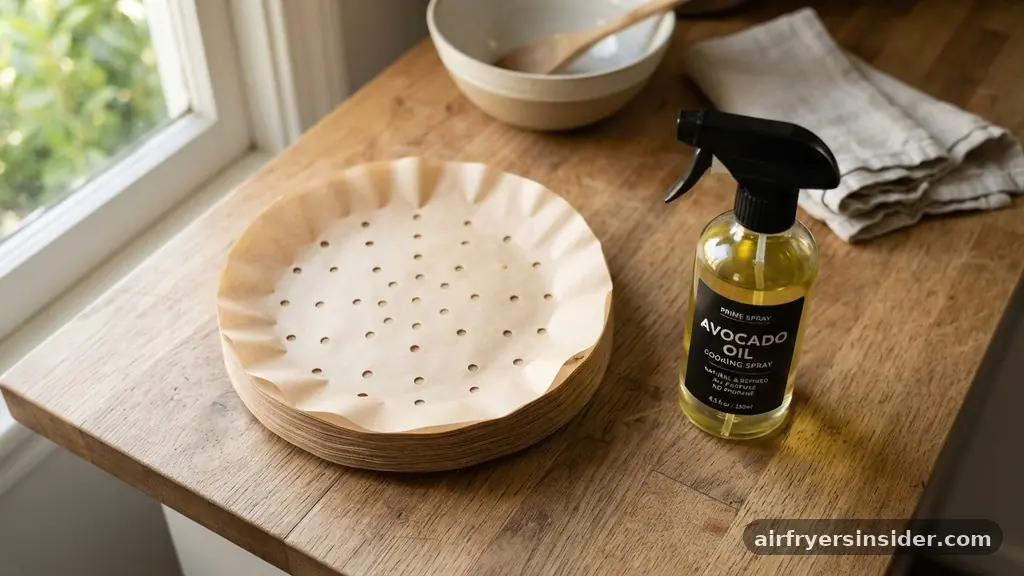
If you find that standard parchment paper is too cumbersome or you are worried about the safety risks, there are several alternatives that might better suit your needs. Many retailers now sell pre-cut, perforated parchment rounds that are designed to fit the basket of popular air fryer models. These are much safer because they are sized correctly and the holes allow for better air circulation, which helps maintain that signature crunch.
Another alternative is to simply skip the liner and use a high-quality non-stick spray or a light coating of oil directly on the basket. If you are worried about the basket getting dirty, a quick soak in warm, soapy water is usually enough to remove most residues.
Additionally, some manufacturers provide silicone inserts with deep ridges that lift the food off the base, allowing air to circulate fully beneath it while still keeping the basket clean. These are a great middle-ground solution for those who want to avoid the recurring cost and waste of disposable paper.
The Risks of Preheating with Liners
One of the biggest mistakes users make is placing the parchment paper in the basket before the air fryer has finished its preheating cycle. When an air fryer is empty and preheating, the fan is blowing at full force and the heating element is glowing red. If there is a piece of paper in there, it is highly likely that the air current will catch the edge of the paper and toss it directly against the heating element.
This is exactly how many kitchen fires start. The paper catches, and the intense heat of the coil causes it to catch fire and ignite. Even if it doesn’t spark a large flame, the paper will immediately char and fill your kitchen with smoke, ruining the flavor of whatever you were about to cook.
Always wait until you have your food ready to go before placing the liner in the basket. Once the food is placed on top of the paper, it acts as an anchor, keeping the liner safely at the bottom of the drawer.
Identifying Topical Gaps in Air Fryer Safety
A major gap in most advice regarding air fryer maintenance is the impact of acidic foods on parchment paper. Many users do not realize that highly acidic ingredients, such as lemon juice, vinegar, or tomato-based sauces, can sometimes degrade the integrity of the paper if left for too long. While parchment is silicone-coated, if the paper is thin or of low quality, these acids can seep through and make the paper soggy, causing it to tear when you try to remove your food.
Another overlooked issue is the accumulation of grease under the paper. If you use a liner that is smaller than the basket, grease can drip over the edges and pool at the bottom.
While this keeps the basket clean, it can also lead to smoking if that grease reaches a high enough temperature. It is essential to ensure that your liner is not just flat, but potentially slightly raised at the edges to contain drips, or that you are cleaning the base of the air fryer regularly to prevent a buildup of oil that could smoke during future cooking sessions.
Does the size of the parchment paper matter?
Yes, the size is paramount. If the paper is too large, it will fold up the sides of the basket, creating a “sail” that the fan can easily lift. If it is too small, it won’t protect the basket effectively.
You want a liner that fits the bottom of the basket perfectly without riding up the walls. If you cannot find the perfect size, it is always safer to use a slightly smaller piece rather than a piece that is too large, provided that the paper is fully covered by the food you are cooking.
Can I use parchment paper for long cooking times?
For long cooking sessions, like roasting a whole chicken or large root vegetables, parchment paper can become brittle and prone to tearing. If you are cooking for more than 30 or 40 minutes, you should monitor the paper periodically.
If it begins to turn dark brown or brittle, remove it carefully with tongs. Generally, parchment is best suited for shorter, high-heat tasks like air frying frozen snacks or quick-cooking proteins.
How do I dispose of the paper safely?
After you have finished cooking, the parchment paper will be hot and coated in grease. Do not attempt to remove it immediately. Let the basket and the paper cool down for a few minutes.
Once it is safe to touch, lift the paper out by the edges and dispose of it in the trash. Never put hot, grease-soaked paper directly into a plastic bin or near flammable materials until it has cooled completely, as the residual heat could potentially cause issues.
Addressing Common User Misconceptions
Many people believe that because parchment paper is “paper,” it must be flammable at any temperature. This is a misunderstanding of how heat-resistant materials work. Parchment paper is designed for use in ovens, where temperatures frequently reach 400°F or higher.
The danger in the air fryer is not the temperature itself, but the proximity to the heating element. As long as the paper is shielded by food and not allowed to fly into the coil, it will not spontaneously combust.
Another common misconception is that all parchment paper is created equal. There are unbleached, bleached, and silicone-coated varieties. For air frying, always look for high-quality, silicone-coated parchment.
The silicone coating is what provides the heat resistance and the non-stick surface. Cheap, uncoated paper will stick to your food, burn easily, and become a nuisance to clean up. Investing in a decent brand of parchment will make a noticeable difference in your cooking results and your peace of mind.
Optimizing Your Cooking Process
To get the most out of your air fryer while using liners, focus on the placement of your food. If you are cooking items that are prone to shrinking, such as bacon or certain meats, be aware that as the food shrinks, it may expose the edges of the parchment paper. If you notice the edges starting to lift, use a pair of kitchen tongs to gently press them back down or remove the liner if the cooking process is nearly finished.
Consider the airflow as the most important factor in your cooking success. If your food is packed too tightly, the air cannot circulate, and the food will steam rather than crisp, regardless of whether you use a liner or not.
Using a liner can actually help you maintain a cleaner workspace, which encourages you to use your air fryer more often for a wider variety of recipes. By keeping these simple rules in mind, you can safely integrate parchment paper into your routine and make your cleanup process much faster and more efficient.
FAQ Section
Can I use regular parchment paper in my air fryer?
Yes, you can use standard parchment paper in an air fryer, provided it is properly weighted down by food. You must ensure the paper does not touch the heating element at the top of the unit, as this can cause the paper to smoke or ignite.
What can I use if I don’t have air fryer liners?
If you lack liners, you can use high-quality silicone mats designed for air fryers, which are reusable and heat-resistant. Alternatively, simply cleaning your air fryer basket with warm, soapy water after each use is a perfectly effective and safe way to maintain your appliance without needing disposable accessories.
Is it better to air fry with tin foil or parchment paper?
Parchment paper is generally better for air frying because it is porous enough to allow for better airflow and doesn’t affect the crisping of food as much as foil. Foil is not porous and can cause food to steam in its own juices, which often prevents the desired crispy texture.
What should you never put in an air fryer?
Avoid putting light, loose materials like parchment or foil in the air fryer without sufficient weight to anchor them. Additionally, do not use wax paper, which will melt, or extremely large quantities of oil, which can pool and cause excess smoke or potential flare-ups during the cooking process.
Conclusion
Using parchment paper in your air fryer is a safe and effective way to streamline your kitchen cleanup, provided you follow the core rules of usage. Always ensure that the paper is fully covered by your food so that it cannot be caught by the fan and pulled into the heating element. Avoid preheating with the liner already inside, and choose high-quality, silicone-coated paper that can handle the high temperatures of your appliance.
By treating the air fryer with the same care you would a traditional oven, you can enjoy perfectly cooked, crispy meals without the hassle of scrubbing burnt-on grease from your basket. If you find that the paper is consistently lifting or causing issues, consider switching to a reusable silicone mat or simply relying on the non-stick properties of your air fryer’s basket. Experimenting with these options will help you find the best balance for your specific cooking style and appliance.
Meta Description: Can parchment paper go in an air fryer? Learn the safety rules for using liners to prevent fire hazards and ensure your food comes out perfectly crispy.


