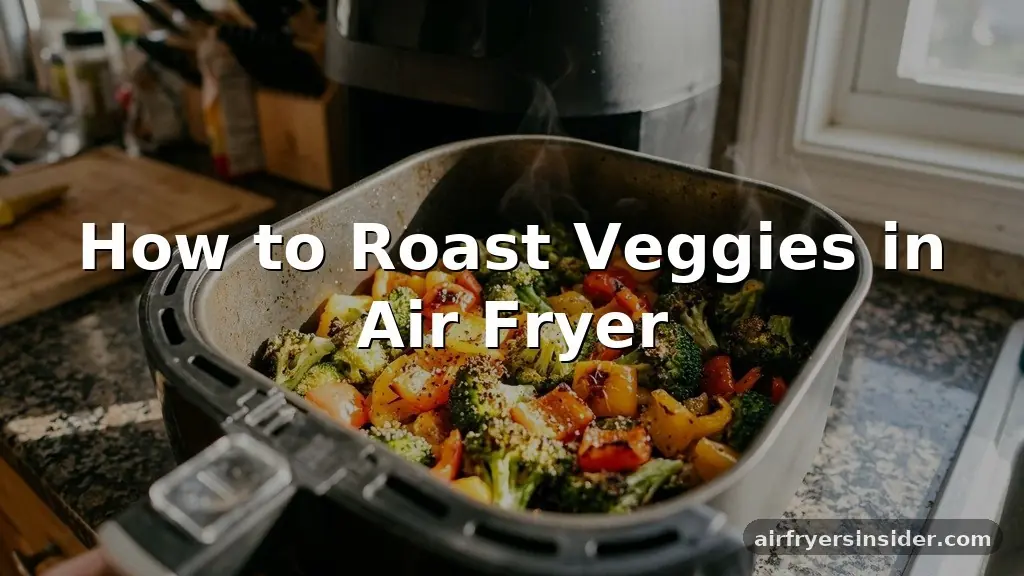
Learning how to roast veggies in air fryer setups can change your weeknight cooking routine for the better. By moving away from the conventional oven, you gain the benefit of faster cooking times and superior texture. You will find that achieving those elusive crispy edges alongside tender centers becomes a standard result rather than a lucky accident.
Whether you are a fan of hearty root vegetables or delicate greens, this method allows you to bring out natural sweetness through efficient convection cooking. Let’s look at the best techniques to master this appliance and ensure your side dishes are consistently delicious and perfectly cooked.
Understanding the Mechanics of Air Frying Vegetables
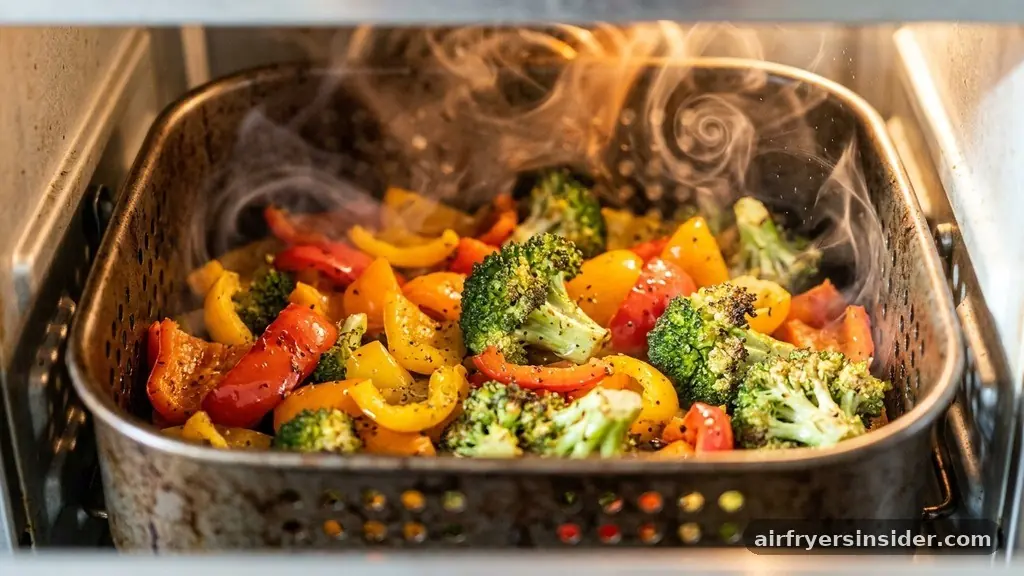
The air fryer is essentially a compact, high-powered convection oven. When you roast vegetables, the device uses a powerful fan to move hot air rapidly around the food.
This intense air circulation is the secret to achieving that deep caramelization that usually takes much longer in a traditional oven. Because the chamber is smaller, the heat is more concentrated, leading to the Maillard reaction—the chemical process that creates browning and complex flavor profiles—much faster.
When you learn how to roast veggies in air fryer baskets, you are essentially leveraging physics to your advantage. The rapid movement of air strips away surface moisture, which is the primary barrier to crispiness. While a standard oven might steam your veggies if they are crowded, an air fryer keeps the environment dry and hot.
This is why you can get such distinct textures on everything from broccoli florets to thick-cut carrots. Understanding this basic principle helps you troubleshoot; if your veggies are soft, it usually means the air cannot reach the surfaces effectively.
Optimizing Vegetable Prep for Consistent Results
The success of your meal begins long before you hit the start button. Vegetable prep is perhaps the most critical stage of the entire process. You need to focus on uniform sizing to ensure that every piece finishes cooking at the same time.
If you have some cubes of butternut squash that are one inch and others that are a quarter-inch, the smaller ones will turn to mush before the larger ones are even tender. Aim for consistency across the board.
Beyond just cutting, consider the surface area of your produce. Long, thin sticks of zucchini or spears of asparagus benefit from the airflow differently than dense, round chunks of potatoes or beets. When chopping, try to keep the pieces relatively similar in density as well.
For example, don’t mix dense potatoes with quick-cooking bell peppers unless you plan to add them to the basket at different intervals. Taking an extra minute to organize your cuts ensures that your roasting time is predictable and your final dish is visually appealing.
Selecting the Right Fats and Seasoning Blends
While air frying is marketed as a healthier alternative to deep frying, you still need a small amount of fat to help conduct heat and flavor. Olive oil is a classic choice, but it can sometimes reach its smoke point if you are cooking at very high temperatures, such as 400°F. If you prefer to blast your veggies at high heat, avocado oil is a superior option because it remains stable at higher temperatures without burning or producing acrid smoke.
When it comes to flavor, seasoning blends are where you can get creative. A simple base of kosher salt and freshly cracked black pepper is often enough to highlight the natural flavor of the produce. However, adding garlic powder or dried herbs like rosemary and thyme can elevate the dish significantly.
Avoid adding fresh herbs like parsley or cilantro before the cooking process, as they will simply burn and turn bitter. Toss your vegetables in a bowl with your chosen oil and seasonings before putting them into the machine to ensure an even coating on every piece.
Managing Moisture Content and Texture
One of the most common mistakes people make is failing to account for the moisture content of the produce. High-water vegetables like zucchini, mushrooms, and tomatoes release liquid quickly. If you crowd the basket, this moisture gets trapped, effectively steaming the food instead of roasting it.
To avoid this, always cook in a single layer. If you have a large batch, it is far better to cook in two smaller cycles than to cram everything into one basket.
Another aspect to consider is the use of parchment paper. While it makes cleanup easier, it can block the airflow coming from the bottom of the basket. If you must use a liner, ensure it is perforated or specifically designed for air fryers.
Alternatively, simply toss the vegetables directly in the basket. If you are worried about sticking, a light spritz of oil on the basket grate is usually sufficient. Remember that the goal is to allow the air to hit the vegetable from all angles, which is why an air fryer rack can sometimes be a useful addition for double-layer cooking.
The Importance of Preheating and Timing
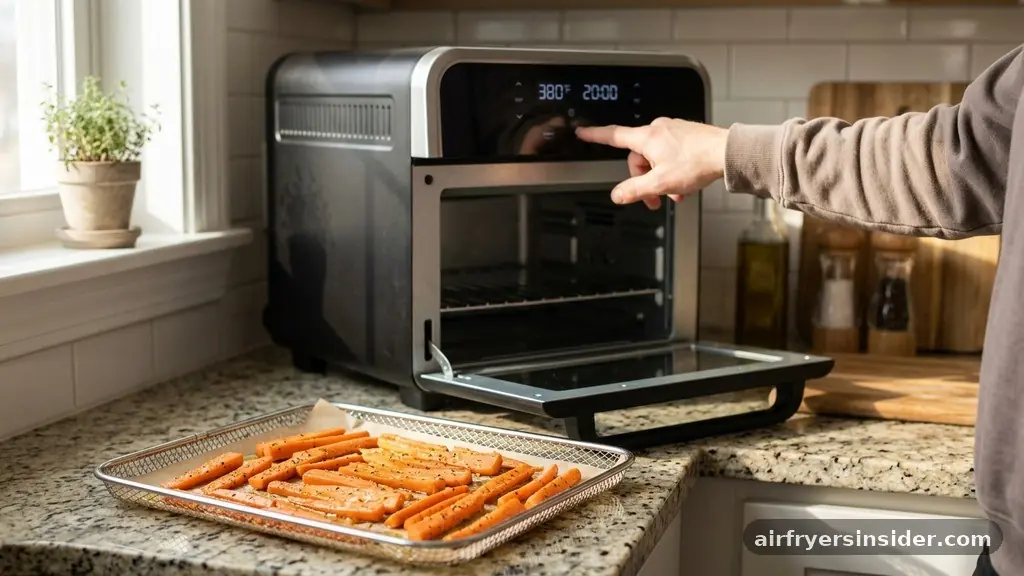
Many people skip the preheating step, thinking it is unnecessary for an air fryer. However, just like a traditional oven, starting with a hot environment ensures the cooking process begins immediately upon contact.
A preheated basket helps initiate that initial crust formation on the surface of the vegetables. If you put cold veggies into a cold basket, they will warm up slowly, which can lead to a softer, less desirable texture.
Regarding timing, keep in mind that air fryers vary by brand and wattage. A 1500-watt machine will behave differently than a 1700-watt unit. Use the following table as a general guideline, but always check for doneness by piercing the thickest piece with a fork.
| Vegetable Type | Temp (F) | Cooking Time |
|---|---|---|
| Root Vegetables (Potatoes, Carrots) | 380-400 | 15-20 minutes |
| Cruciferous (Broccoli, Cauliflower) | 375-390 | 10-12 minutes |
| Soft Vegetables (Zucchini, Peppers) | 370-380 | 8-10 minutes |
| Frozen Vegetables | 390-400 | 12-15 minutes |
Mastering the Shake the Basket Technique
The instruction to shake the basket is not just a suggestion; it is a necessity for even cooking. Because the heating element is typically located at the top of the unit, the items on the very top will brown faster than those at the bottom. By shaking the basket halfway through the roasting time, you redistribute the contents, ensuring that those pieces previously hidden get their turn in the hot air stream.
If you are cooking larger items like whole Brussels sprouts or thick potato wedges, a simple shake might not be enough. In these cases, use a pair of tongs to manually flip the larger pieces.
This ensures that the bottom side, which has been sitting on the rack, gets a chance to crisp up. This simple manual intervention is the difference between vegetables that are charred on one side and raw on the other, and vegetables that are perfectly roasted throughout.
Addressing Topical Gaps in Air Fryer Roasting
A common point of confusion is whether to use the same temperature for everything. Beginners often wonder if there is a “roast” setting they should look for. The truth is that most air fryers don’t have a specific “roast” mode; they simply use the fan and heat.
The “roast” function on some high-end models is just a pre-programmed timer and temperature setting. You can achieve the same result by manually adjusting your dials.
Another gap is the temperature conversion for those who are used to oven-roasting. As a general rule, you should reduce the temperature by about 25 degrees Fahrenheit from what a traditional oven recipe calls for. Because the fan moves the air so efficiently, a lower temperature often yields better, more even results without burning the exterior.
Additionally, if you are working with frozen vegetable roasting, do not thaw the produce first. Simply increase the cooking time by about 20-30% and monitor closely, as the excess ice crystals will need to evaporate before the browning process can begin.
Managing Different Vegetable Categories
You can essentially categorize your vegetables to determine how to handle them. Cruciferous vegetables like broccoli, cauliflower, and Brussels sprouts thrive in the air fryer. They have enough structural integrity to handle high heat and develop wonderful flavor when roasted. To get the best results, trim them into bite-sized pieces and toss them thoroughly with oil.
Root vegetables like carrots, beets, and sweet potatoes require a bit more patience. Because they are dense, they need a slightly lower temperature for a longer duration to ensure the inside is cooked through without burning the exterior sugars. If you cut them into matchsticks or thin slices, they will cook much faster.
If you prefer them in chunks, consider par-boiling them for 3-5 minutes before air frying to guarantee they reach that perfect, fork-tender texture. Being aware of these structural differences allows you to adapt your strategy for every vegetable you bring home from the market.
Troubleshooting Common Air Fryer Issues
Even with the best technique, you might encounter issues. If your veggies are coming out soggy, you are likely overcrowding the basket or your vegetables were too wet when they went in.
Always pat your vegetables dry with a paper towel before tossing them with oil. Excess surface water creates steam, and steam is the enemy of a good roast.
If your vegetables are burning before they are tender, your temperature is too high. Try lowering the heat by 15-20 degrees and extending the cooking time. Conversely, if your vegetables are taking forever to cook, you might have the basket too full.
The air needs space to move; if it is blocked by a wall of food, it cannot transfer heat effectively. Finally, if you notice an uneven cook, check your basket placement. Ensure it is fully seated in the unit, as a loose basket can cause the fan to pull in air from the wrong spots, leading to inconsistent temperatures inside the chamber.
Frequently Asked Questions
What is the best way to ensure veggies are crispy?
To achieve maximum crispiness, always ensure your vegetables are completely dry before adding oil. Use a high-smoke-point oil like avocado oil, and never overcrowd the basket. Cooking in a single, spaced-out layer allows the hot air to circulate freely around every piece, which is essential for that perfect texture.
Should I preheat my air fryer before roasting vegetables?
Yes, preheating is highly recommended. Just like a standard oven, starting with a hot basket allows for immediate browning upon contact. Preheating for three to five minutes ensures that the internal temperature is stable, helping your vegetables develop a better crust and preventing them from steaming while warming up.
Can I roast different types of vegetables together?
You can, provided they have similar cooking times and densities. For instance, broccoli and cauliflower work well together. However, avoid mixing fast-cooking vegetables like zucchini with slow-cooking root vegetables like potatoes. If you must, add the faster-cooking items halfway through the cycle to ensure everything finishes at once.
How do I clean my air fryer after roasting?
Most air fryer baskets are dishwasher safe, but hand washing with warm, soapy water and a non-abrasive sponge is usually best to preserve the non-stick coating. If there is stuck-on residue, soak the basket in warm water for ten minutes before scrubbing to avoid damaging the finish.
Conclusion
Mastering the art of roasting vegetables in an air fryer is a simple way to upgrade your daily meals. By focusing on uniform sizing, proper oil distribution, and maintaining airflow, you can consistently produce side dishes that rival any restaurant quality. Remember that your specific appliance may have its own quirks, so keeping an eye on the basket during the final minutes of cooking is always a smart move.
Experiment with different seasoning blends and vegetable combinations to find what you enjoy most. Whether you are prepping for a quick weeknight dinner or looking to add more plant-based variety to your plate, this cooking method offers a fast and effective solution. Grab some fresh produce, fire up your air fryer, and enjoy the delicious results of your newfound kitchen skills.
Meta Description: Learn how to roast veggies in air fryer for perfect results every time. Follow these expert tips for crispy edges, tender centers, and consistent cooking.