

Figuring out if you can put a paper plate in an air fryer is a common dilemma for busy home cooks looking to minimize cleanup. While the convenience of tossing a disposable plate into the basket is tempting, the mechanics of an air fryer differ significantly from a microwave.
Because these appliances rely on powerful convection fans and high-heat elements, using the wrong materials can lead to unexpected kitchen hazards. Understanding the difference between heat-resistant kitchen tools and standard disposables is essential for keeping your cooking environment safe while maintaining the performance of your machine.
The Mechanics of Air Frying and Heat Exposure
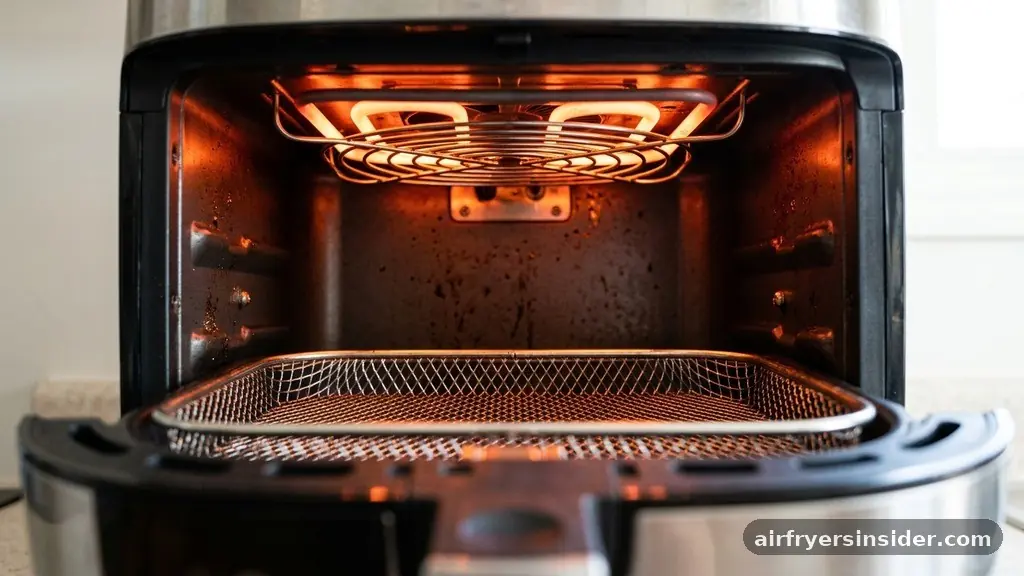
Air fryers are essentially compact, high-powered convection ovens. They operate by circulating superheated air at high speeds around the food basket. This constant movement of air is what creates that signature crispy texture, but it also creates a unique environment for any materials placed inside the basket.
Unlike a microwave, which uses electromagnetic waves to excite water molecules in food, an air fryer uses physical heat transfer. This means anything you place inside must be able to withstand direct exposure to intense, circulating thermal energy without degrading.
When you consider whether you can safely utilize disposable dinnerware, you have to account for the proximity of the heating element. In most models, the heating element sits at the very top of the unit. If you place a lightweight object inside, the powerful fan can easily lift it, causing it to touch the heating coils.
This is the primary reason why lightweight paper products are generally discouraged. The air current is strong enough to move materials that aren’t weighed down by heavy, dense food, leading to potential combustion risks that you simply don’t encounter in other appliances.
The Fire Hazard Explained
The most significant risk when placing paper items into an air fryer is the potential for fire. The fire hazard explained by appliance manufacturers usually centers on the proximity of flammable materials to the exposed heating element.
Because paper is highly combustible, it only needs to come into brief contact with a red-hot coil to ignite. Even if the paper does not touch the element directly, the intense heat can cause it to dry out, become brittle, and eventually smolder or catch fire if the internal temperature exceeds the paper’s auto-ignition point.
Furthermore, air fryers often have grease buildup at the bottom of the basket. If a paper plate catches fire, that flame can easily jump to any residual fat or oil, causing a rapid flare-up that is difficult to contain within the small, enclosed space of the device.
This is why safety experts strongly advise against using items that are not explicitly labeled as oven-safe or air fryer-safe. Relying on standard household disposables introduces a variable that can turn a simple cooking task into a dangerous emergency.
Why Standard Paper Plates Fail the Test
Standard paper plates are manufactured for holding room-temperature or warm food, not for withstanding the harsh environment of a convection oven. Most of these plates are made from compressed wood pulp and often feature a thin layer of plastic or clay coating to make them water-resistant.
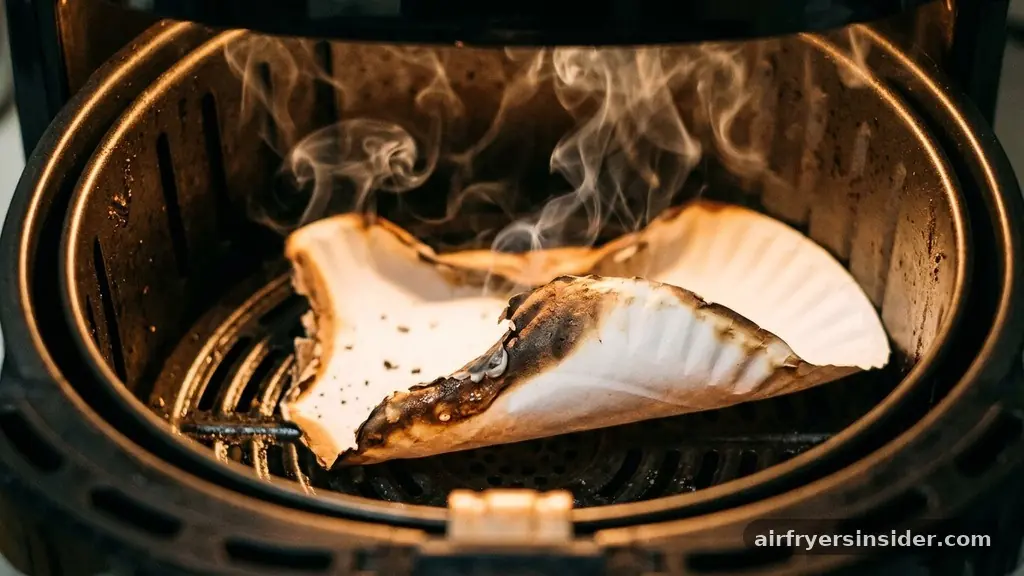
When you subject these materials to the dry, circulating heat of an air fryer, the fibers begin to break down. You will often see the edges of the plate start to curl or turn brown long before the food is finished cooking.
Once the edges begin to curl, they become even more susceptible to being caught by the high-velocity air currents. A curled edge is more likely to lift up toward the heating element, increasing the risk of contact.
Additionally, the adhesives used in some paper plates to hold the rim together can soften under heat, potentially leaching chemicals or odors into your food. For these reasons, standard plates are simply not engineered to maintain their structural integrity under the conditions required to crisp chicken wings or roast vegetables.
Comparing Materials in the Air Fryer
It is helpful to look at how different materials react to the high-heat environment of an air fryer. While some people look for shortcuts, the materials you choose will dictate both the quality of your food and the safety of your home. The table below highlights how common kitchen materials perform when exposed to the intense conditions inside your appliance.
| Material | Safety Rating | Performance Outcome |
|---|---|---|
| Standard Paper Plate | Unsafe | Risk of curling, char, or fire hazards. |
| Parchment Paper | Safe (with caution) | Designed for heat; must be weighed down. |
| Aluminum Foil | Safe | Good for lining, but can affect air circulation. |
| Ceramic or Glass | Conditional | Must be oven-safe; slows down cooking time. |
As you can see, there is a clear distinction between materials designed for high heat and those intended for single-use dining. While parchment paper is a popular choice for easy cleanup, it requires strict adherence to usage instructions, such as ensuring the food is heavy enough to hold the paper in place throughout the entire cooking cycle.
The Danger of Wax-Coated Paper
Many paper plates are treated with a thin wax coating to prevent liquid from soaking through. This is a major concern when using such items in an air fryer.
When this wax-coated paper is exposed to high temperatures, the coating can melt, smoke, or even vaporize. This not only creates an unpleasant smell that can permeate your kitchen, but it can also leave a sticky, potentially flammable residue on the surface of your air fryer basket.
Beyond the smoke, the melting process can compromise the structural integrity of the plate almost instantly. Once the wax melts, the paper fibers lose their support, causing the plate to collapse under the weight of your food.
This leads to a messy situation where your meal ends up in the bottom of the basket, potentially clogging the airflow and resulting in unevenly cooked, soggy food. It is always best to avoid any material that has an unknown or heat-sensitive coating, as the risk to your appliance and the quality of your meal is simply not worth the marginal gain in convenience.
Materials to Strictly Avoid
Beyond paper, there are several other materials that you should never place inside an air fryer. Plastic and melamine, for instance, are common in many households but are absolutely unsuitable for this type of cooking.
Plastic plates, bowls, while durable in other contexts, will begin to soften, warp, or melt at temperatures commonly reached by air fryers. This can release toxic fumes and leave a permanent, melted mess on your equipment that is nearly impossible to remove.
You should also keep a list of items that are strictly off-limits to ensure you don’t accidentally cause damage:
- Lightweight paper products like standard napkins or paper towels, which can easily be sucked into the fan.
- Plastic containers or storage lids that are not explicitly marked as heat-safe.
- Melamine dishes, which can shatter or release harmful chemicals when heated.
- Soft silicone items that aren’t rated for temperatures above 400 degrees Fahrenheit.
- Glass or ceramic dishes that are not labeled as oven-safe, as they can explode under thermal shock.
Addressing Topical Gaps: Can I Use Paper Bowls or Liners?
A frequent question involves the use of paper bowls or specifically designed air fryer liners. If you are wondering about paper bowls, the same rules that apply to plates remain in effect: they are generally too lightweight and prone to curling. However, the market has responded to this demand with specialized air fryer parchment liners.
These are made from heavy-duty, heat-resistant paper that is perforated to allow airflow. The key difference is that these liners are designed to stay flat and are rated for much higher temperatures than a standard disposable bowl.
If you choose to use these professional-grade liners, you must ensure they are properly weighted down by your food. Never preheat your air fryer with just a liner inside; without the weight of the food, the fan will lift the paper, potentially causing it to burn against the heating element. By using products specifically engineered for this purpose, you can enjoy the benefits of easy cleanup without the dangers associated with using household paper goods.
Safe Alternatives for Easy Cleanup
If your main goal in using paper plates is to avoid scrubbing the air fryer basket, there are much safer and more effective alternatives available. Using a dedicated silicone air fryer liner is a fantastic option. These liners are heat-resistant, reusable, and designed to fit the shape of most baskets.
They catch drips and crumbs, and once you are finished, you can simply toss them in the dishwasher. They provide a much more stable surface than paper and won’t curl or move during the cooking process.
Another excellent alternative is to use stainless steel or oven-safe glass ramekins for smaller items. These can handle the heat perfectly and are very easy to clean.
If you are roasting vegetables or cooking meats, you can also use a small amount of oil or a non-stick spray on the basket itself, which often makes cleanup a breeze without needing any liners at all. Investing in a few high-quality, heat-safe accessories will save you time and provide a much better cooking experience in the long run.
Proper Maintenance and Safety Protocols
Maintaining your air fryer is just as important as choosing the right materials. Regularly cleaning your basket prevents the buildup of grease, which is a major fire risk.
When grease accumulates at the bottom, it can smoke heavily during use, and if a stray piece of paper or food debris falls into that hot grease, it can ignite instantly. By keeping your appliance clean, you remove the fuel source for potential fires and ensure the air circulates freely, which results in better, crisper cooking.
Always check the manufacturer’s manual for your specific model. Different air fryers have varying power levels and heating element placements, which influence what can safely go inside.
If the manual explicitly states to avoid paper products, follow that guidance strictly. Your safety should always be the priority, and taking the extra minute to clean a metal basket is a small price to pay for a safe kitchen.
FAQ
Is it ever safe to use paper in an air fryer?
It is generally only safe to use specialized parchment paper liners designed specifically for air fryers. Even then, you must ensure the liner is completely covered by food so that the high-velocity air cannot lift the paper into the heating element, which could cause a fire.
What happens if I accidentally put a paper plate in the air fryer?
If you accidentally use one, turn the machine off immediately. The paper will likely char, curl, or catch fire. If it has already started to burn, keep the air fryer closed to starve the fire of oxygen, unplug the unit, and wait for it to cool down completely before inspecting.
Can I use aluminum foil instead of a paper plate?
Yes, aluminum foil is generally safe to use in an air fryer for lining the bottom of the basket or creating packets. However, ensure it does not block the airflow too much, and never use it to cover the entire basket, as this prevents the air from circulating effectively.
Are silicone liners better than paper liners?
Silicone liners are generally considered safer and more economical. They are heavier, so they don’t blow around, they are heat-resistant, and they are reusable. Unlike paper, they won’t absorb grease or catch fire, making them a more durable solution for frequent air fryer users.
Conclusion
While the convenience of using a disposable plate for your cooking needs is understandable, the risks associated with placing a paper plate in an air fryer far outweigh the benefits. Between the potential for fire, the structural failure of the material, and the risk of damaging your appliance, it is simply not a safe practice. Instead, opt for heat-rated parchment liners designed for air fryers or invest in reusable silicone accessories that provide a stable, safe, and effective surface for your food.
By sticking to these recommended practices, you ensure that your meals remain delicious and your kitchen remains safe. Always prioritize the manufacturer’s guidelines for your specific model, and you’ll enjoy consistent, high-quality results from your air fryer for years to come.
Meta Description: Can I put paper plate in air fryer? Learn why standard paper plates are a fire hazard and discover safe, effective alternatives for easy cleanup.


