
Learning how to roast zucchini in air fryer transforms this humble summer squash into a craveable, golden-brown snack or side dish. Many home cooks struggle with mushy results, but mastering the technique relies on simple moisture management and proper heat distribution. By using high-heat convection cooking, you can achieve a satisfying crunch without deep-frying.
This method is faster than using a traditional oven and keeps your kitchen cool during warmer months. Whether you are aiming for a quick vegetable side for dinner or a healthy appetizer, air frying is the most efficient way to get consistent, delicious results every time you crave something savory.
The Science Behind Perfectly Roasted Air Fryer Zucchini
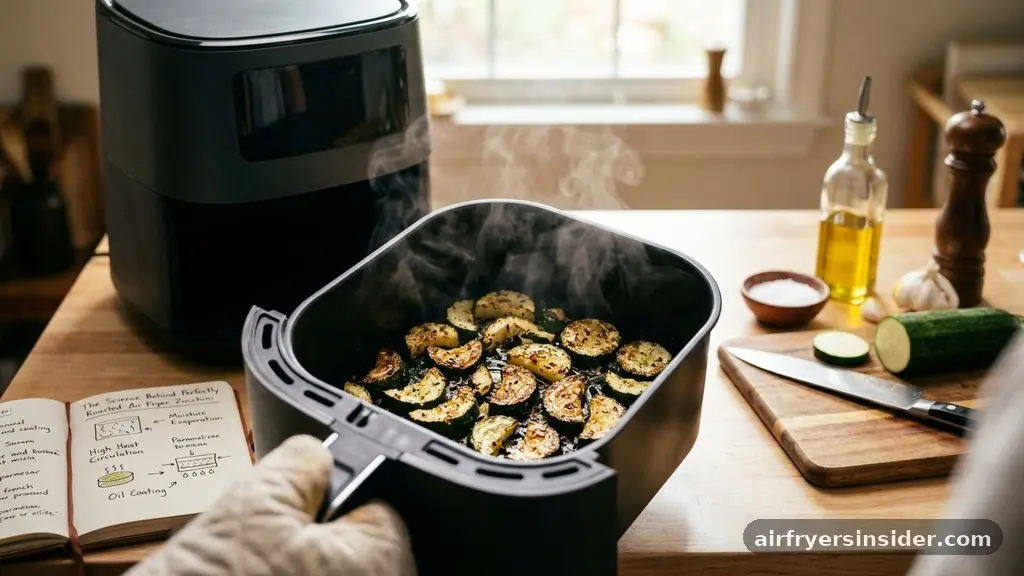
Air fryers are essentially compact, high-powered convection ovens. When you learn how to roast zucchini in air fryer, you are leveraging the rapid movement of hot air to dehydrate the surface of the vegetable quickly.
Zucchini is naturally high in water content, which is the primary enemy of crispiness. As the air circulates, it evaporates surface moisture, allowing the exterior to caramelize and turn golden brown before the interior turns into mush.
To achieve that sought-after texture, you must understand the relationship between temperature and time. Cooking at a lower temperature for too long will steam the squash rather than roast it.
Most air fryers perform best for vegetables when set between 375 and 400 degrees Fahrenheit. This temperature range is high enough to trigger the Maillard reaction—the chemical process that creates flavor and color—without burning the delicate flesh.
Essential Vegetable Prep and Moisture Extraction
Success starts long before you turn on the machine. Proper vegetable prep is the foundation of a great outcome. Start by washing your zucchini thoroughly and drying it completely.
If you leave moisture on the skin, it will steam in the basket. Use a sharp knife or a mandoline slicer to ensure your zucchini slices are of uniform thickness. Consistency is key because slices of varying sizes will cook at different rates, leading to some pieces being burnt while others remain raw.
Moisture extraction is the secret step that many home cooks skip. After slicing, lay the pieces out on a cooling rack or clean kitchen towel. Sprinkle them lightly with kosher salt and let them sit for about ten to fifteen minutes.
You will notice tiny beads of water forming on the surface. Use paper towels to blot this moisture away. This simple process prevents soggy zucchini and ensures your seasoning adheres perfectly to the surface rather than sliding off.
Selecting the Right Oil for High-Heat Roasting
Not all fats are created equal when it comes to air frying. Because you are using high temperatures, you need an oil with a high smoke point. Extra virgin olive oil is delicious, but it can break down and produce off-flavors at very high heat settings.
Instead, opt for a refined olive oil, avocado oil, or grapeseed oil. These fats remain stable at 400 degrees Fahrenheit, allowing the zucchini to cook through without any acrid, burnt taste.
Application is just as important as the type of oil. Use a brush or a light-mist oil sprayer to coat the zucchini slices evenly.
You do not need to soak them; a thin, uniform layer is sufficient to conduct heat and help the seasonings stick. If you use too much oil, the excess will pool at the bottom of the air fryer basket, which can lead to smoking or a greasy, unappealing texture.
Optimizing Air Circulation for Maximum Crispiness
Air circulation is the defining feature of the air fryer, but it only works if the basket isn’t overcrowded. When you place your zucchini slices in the basket, ensure they are arranged in a single layer.
Overlapping pieces block the airflow, which creates a steam chamber. If you have a large batch, it is much better to cook in two or three smaller rounds than to try and jam everything in at once.
If you are using a Ninja Foodi or a similar model with a large capacity, you might be tempted to stack the food. Resist this urge. The air needs to hit every surface of the zucchini to produce that crispy texture.
You can use parchment paper designed for air fryers to make cleanup easier, but ensure the paper doesn’t block the vents on the sides of the basket. If the paper covers too much surface area, the air will be redirected, and your cooking time will increase significantly.
Seasoning Strategies for Maximum Flavor

Zucchini is a blank canvas, making it an excellent vehicle for bold spices. Once you have lightly oiled your slices, apply your seasonings immediately so they stick to the surface.
A classic combination includes garlic powder, onion powder, and a generous amount of Italian seasoning. These dry spices provide a savory depth that balances the natural sweetness of the squash.
If you want an extra crunch, consider adding a light coating of panko breadcrumbs. To do this, dip the oiled slices into a small bowl of seasoned panko before placing them in the air fryer.
For a cheesy finish, sprinkle high-quality parmesan cheese on the slices during the last two minutes of the cook time. Be careful not to add the cheese too early, as it can burn quickly under the intense heat of the air fryer’s heating element.
Comparing Cooking Methods for Zucchini
When choosing between different ways to prepare this vegetable, the air fryer often comes out on top for speed and texture. The following table highlights why this method is preferred by many home chefs.
| Method | Texture | Cook Time | Energy Efficiency |
|---|---|---|---|
| Air Fryer | Crispy/Roasted | 8-12 Minutes | High |
| Oven Roast | Soft/Caramelized | 25-35 Minutes | Low |
| Pan Sauté | Soft/Oily | 5-7 Minutes | Medium |
As shown, while pan sautéing is fast, it often results in a softer, more oily vegetable. Oven roasting produces great flavor but requires significant preheating time and energy. The air fryer provides a middle ground that delivers a superior crunch in a fraction of the time.
Addressing Common Topical Gaps
Many readers ask about specific troubleshooting steps when their zucchini doesn’t turn out as expected. One common issue is the “soggy middle.” This usually happens when the zucchini is sliced too thick or the air fryer isn’t preheated.
Always preheat your machine for at least three minutes before adding the food. This creates an immediate sear that locks in the flavor and helps the exterior get crispy faster.
Another frequent concern is whether you can reheat air-fried zucchini. While it is best eaten immediately, you can reheat leftovers. Place them back in the air fryer at 350 degrees Fahrenheit for two to three minutes.
Do not use the microwave, as this will turn the zucchini into a rubbery, unappetizing mess. If you find your zucchini is browning too fast but still feels raw in the middle, lower the temperature by 25 degrees and add a few minutes to the total cook time.
Mastering Temperature Settings and Timing
The ideal cook time depends heavily on the thickness of your slices and the power of your specific appliance. Generally, at 400 degrees Fahrenheit, zucchini slices take about 8 to 10 minutes.
However, you should always check them at the 6-minute mark. Shake the basket or flip the slices halfway through the process to ensure even browning on both sides.
Keep in mind that different machines have different air circulation patterns. A Ninja Foodi, for example, often has more powerful fans than smaller, budget-friendly units. Start with the lower end of the time range and adjust based on visual cues.
You are looking for a deep golden brown color and a slightly shriveled appearance. If the edges are starting to turn dark brown, they are likely finished.
Serving Suggestions and Healthy Side Dish Ideas
Roasted zucchini is an incredibly versatile healthy side dish. Because it has such a neutral flavor profile, it pairs well with almost any protein.
Serve it alongside grilled chicken, seared steak, or even as a base for a grain bowl. If you want to lean into the Mediterranean profile, drizzle the finished slices with a balsamic glaze or a squeeze of fresh lemon juice just before serving.
- Pair with a creamy tzatziki sauce for a cooling contrast.
- Top with fresh herbs like basil or parsley for a burst of brightness.
- Use as a base for a vegetarian taco by adding black beans and feta.
- Serve as an appetizer with a side of marinara for dipping.
- Incorporate into a salad for added texture and savory notes.
These simple additions can turn a basic vegetable side into a restaurant-quality dish. Experimenting with different spice rubs, such as smoked paprika or chili lime, can also keep the routine fresh and exciting throughout the summer season when zucchini is at its peak.
Frequently Asked Questions
How do you keep zucchini from getting soggy in the air fryer?
The key to preventing sogginess is moisture extraction. Slice the zucchini, sprinkle it with salt, and let it sit for ten minutes. Blot the surface with paper towels to remove excess water before seasoning and adding oil. This step is essential for achieving a crispy texture.
What is the ideal temperature to roast zucchini?
For the best results, set your air fryer to 400 degrees Fahrenheit. This high temperature allows the exterior to brown and caramelize quickly, creating a crispy texture while keeping the inside tender. If your air fryer runs very hot, you can drop it to 375 degrees.
Do I need to flip the zucchini while it cooks?
Yes, flipping or shaking the basket is necessary for even cooking. Because air fryers circulate heat from the top down, the surfaces facing the heating element will brown faster. Flipping the slices halfway through the cook time ensures that both sides get equally crispy and golden.
Can I use breading on my air fried zucchini?
Absolutely. You can create a breaded effect by dipping the oiled slices into panko breadcrumbs or a mixture of almond flour and parmesan. Ensure you press the breading firmly into the slices and use a light spray of oil to help the coating brown effectively.
Conclusion
Mastering how to roast zucchini in air fryer is a skill that pays off every time you want a fast, healthy, and delicious vegetable side. By focusing on moisture removal, proper spacing, and the right temperature, you can avoid the common pitfalls of soggy or unevenly cooked squash. The speed and convenience of this cooking method make it a staple for busy weeknights, allowing you to enjoy fresh, flavorful produce with minimal effort.
As you become more comfortable with the process, feel free to experiment with your favorite seasonings and pairings. Whether you prefer a simple touch of garlic and parmesan or more adventurous flavor profiles, the air fryer provides the perfect environment for consistent results. We encourage you to try this technique tonight and discover how easy it is to elevate your vegetable game.
Meta Description: Learn how to roast zucchini in air fryer for a perfectly crispy, healthy side dish. Follow these professional tips for golden-brown, flavorful results.