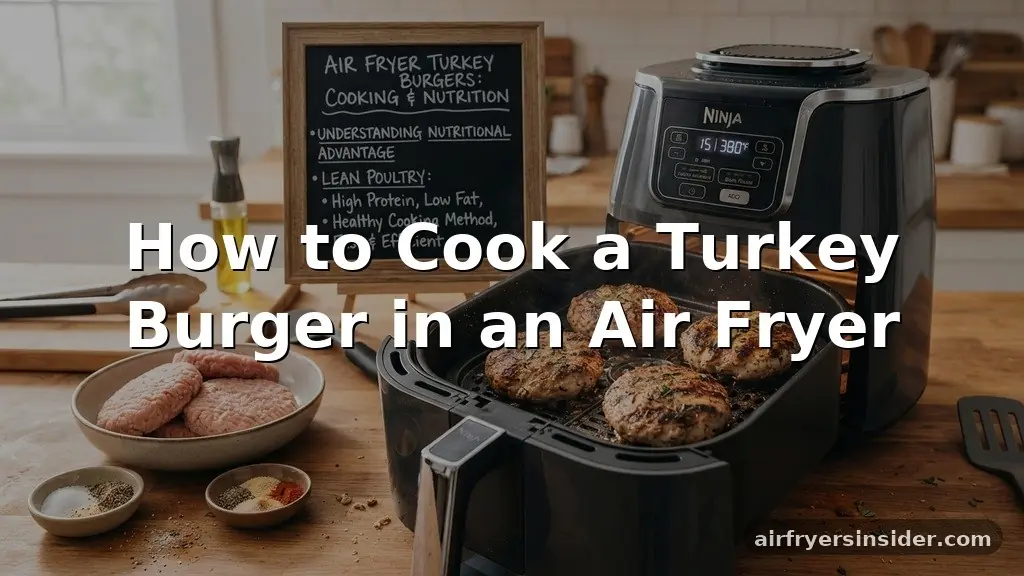
Learning how to cook a turkey burger in an air fryer is a skill that transforms a lean, often dry meal into something succulent and flavorful. Many home cooks struggle with ground turkey because it lacks the fat content of beef, leading to patties that turn into hockey pucks if overcooked.
By utilizing the circulating heat of an air fryer, you create an environment that seals in moisture while providing a satisfying sear. This method requires minimal cleanup and delivers consistent results, whether you are prepping a quick weeknight dinner or looking for a healthier alternative to traditional fast-food options.
Understanding the Nutritional Advantage of Lean Poultry
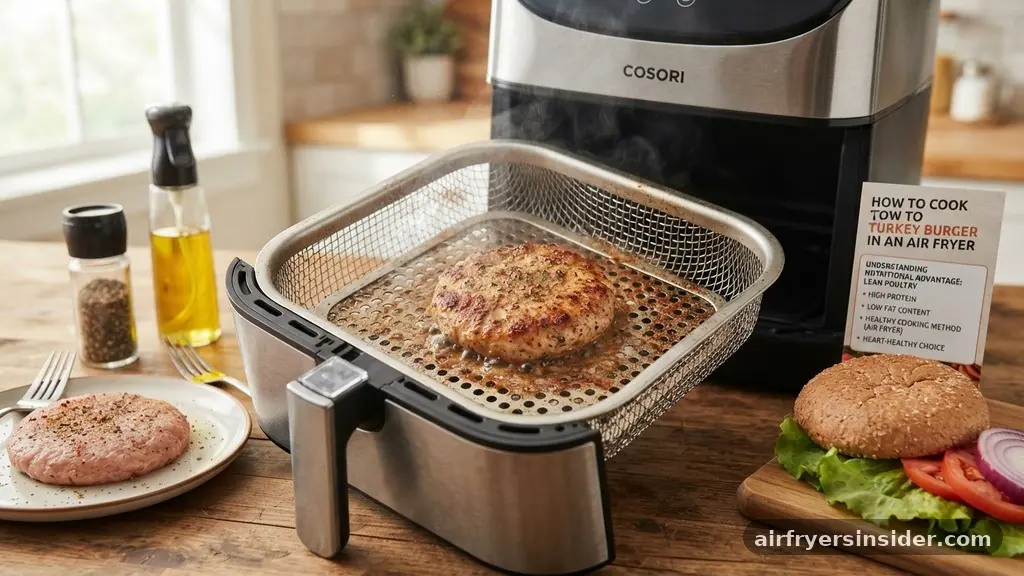
Ground turkey is a popular choice for those looking to manage their caloric intake or reduce their consumption of red meat. Because it is a lean meat, it naturally contains less saturated fat than ground beef, making it a heart-healthy protein source. However, that lack of fat is a double-edged sword.
Without the intramuscular fat found in beef, turkey patties can easily dry out during the cooking process. When you choose to cook a turkey burger in an air fryer, you are leveraging a cooking technology that mimics convection baking, which helps maintain the structural integrity of the patty while keeping the center juicy.
To get the most out of your turkey, focus on the quality of the meat you purchase. Ground turkey breast is the leanest option, but it can be quite dry. If you want a more forgiving texture, look for a blend that includes a small percentage of dark meat.
This natural fat content provides the moisture necessary to prevent the meat from falling apart. When you combine this choice with the efficient heat distribution of your appliance, you ensure that the exterior develops a nice crust while the interior remains tender.
Essential Ingredients and Proper Patty Formation
Success starts long before you turn on the machine. The secret to a great burger lies in the seasoning and the binding agents you incorporate into the mix. Because turkey is mild in flavor, it acts as a blank canvas for aromatics.
You should always include fresh or dried herbs to brighten the profile. A classic combination includes a splash of Worcestershire sauce for depth, alongside garlic powder and onion powder for savory notes. These ingredients don’t just add flavor; they contribute to the overall mouthfeel of the burger.
Patty formation is another critical phase. If you pack the meat too tightly, the burger will become dense and tough. Instead, handle the meat gently, using your hands to form patties that are slightly wider than your buns, as they will shrink during the heating process.
To prevent them from sticking to the air fryer basket, use a small amount of cooking spray. If you are worried about the mess, a small piece of parchment paper can be placed at the bottom, provided there is enough airflow around the sides to allow the heat to circulate properly.
The Importance of Preheating and Airflow
Many people skip the preheating step, but it is vital for achieving that perfect sear. When you place cold meat into a cold air fryer, the surface doesn’t brown immediately.
Instead, the meat begins to steam, which can lead to a gray, unappealing appearance and a rubbery texture. By preheating your unit to the target temperature for at least three to five minutes, you ensure that the Maillard reaction—the chemical process responsible for browning and flavor development—begins the moment the turkey hits the basket.
Airflow is the defining feature of this cooking method. The fan inside your device circulates hot air at high speeds, which creates a miniature convection oven effect. If you crowd the air fryer basket, you restrict this airflow, resulting in unevenly cooked food.
Always aim to place your patties in a single layer with at least an inch of space between them. This allows the hot air to wrap around every side of the patty, ensuring the edges are crisp and the middle is cooked through without needing to rely on excessive oil.
Mastering the Cook Time and Internal Temperature
The most common mistake people make is guessing when the meat is done. Because you are dealing with poultry, you must adhere to strict guidelines regarding food safety. According to the USDA, poultry should reach an internal temperature of 165°F to ensure salmonella prevention.
Relying on visual cues like the color of the meat is not enough, as turkey can sometimes appear cooked through while still being under the threshold. Using a reliable food thermometer is the only way to guarantee both safety and quality.
The Role of the Food Thermometer
Using a food thermometer is non-negotiable for safety. Insert the probe into the thickest part of the patty, ensuring you are not touching the bottom of the basket, which would give you a false reading.
A perfectly cooked turkey burger will reach 165°F, but if you pull it off the heat at 160°F and let it rest, the carryover cooking will bring it to the perfect temperature while allowing the meat juices to redistribute throughout the patty. This step is the difference between a dry burger and a juicy, restaurant-quality experience.
Comparing Different Cooking Methods
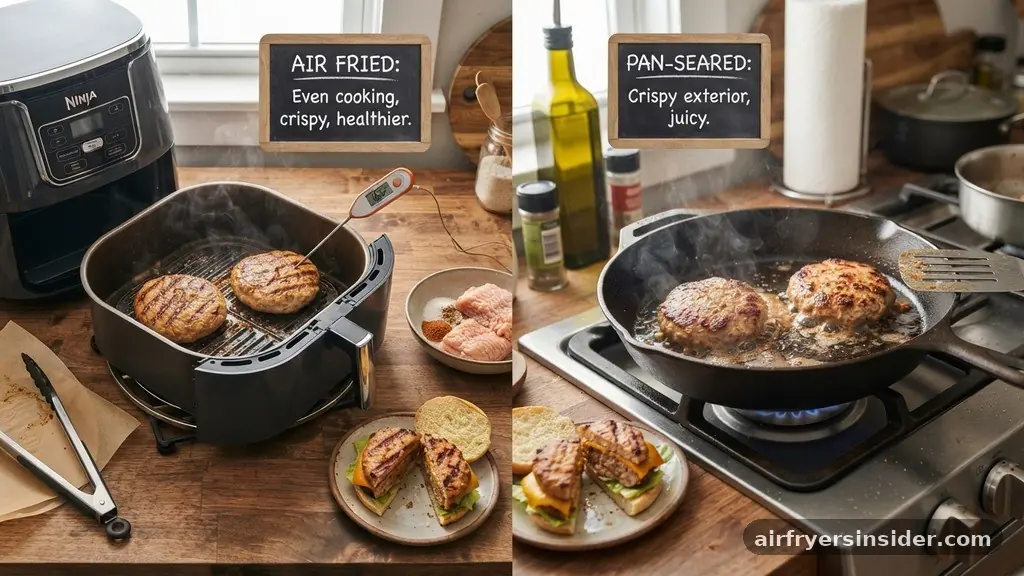
Choosing the right equipment can influence your results. While all air fryers function on the same principle, the power output and basket size can vary significantly between brands like Ninja Foodi and Cosori. The following table highlights the differences you might encounter based on the type of unit you use.
| Feature | Standard Basket Fryer | Toaster Oven Style Air Fryer |
|---|---|---|
| Capacity | Limited; best for 1-2 burgers | Larger; fits 4+ burgers |
| Air Circulation | High intensity, centered | Moderate, spread out |
| Browning Speed | Very fast | Slower, more even |
| Cleaning Effort | Moderate (removable tray) | High (racks and tray) |
Handling Frozen Patties for Quick Meals
One of the greatest benefits of owning an air fryer is the ability to cook directly from frozen. If you have a stash of pre-made frozen patties in your freezer, you don’t need to worry about thawing them overnight.
When cooking from frozen, you will need to adjust your cook time. Start by cooking the patties at a slightly lower temperature for the first few minutes to ensure the center thaws, then increase the heat to finish the exterior.
- Preheat your unit to 350°F to start the thawing process.
- Cook the frozen patties for approximately 10 minutes.
- Increase the temperature to 400°F for the final 5 minutes to brown the crust.
- Always check the internal temperature with a thermometer to confirm it has reached 165°F.
- Flip the burgers halfway through to ensure even heat distribution.
The Art of the Flip and Resting Time
Flipping your burgers is essential for uniform cooking. Even in an air fryer, the heat source is typically located at the top, meaning the top side of the patty will brown faster than the bottom. Flipping halfway through the cook time ensures that both sides develop that signature crust.
Be careful when flipping, as the patties can be delicate. Use a wide spatula to prevent them from breaking apart.
Once the burgers are finished, do not serve them immediately. Resting time is just as important for turkey as it is for steak. Allow the patties to sit on a plate for three to five minutes before placing them on your bun.
This resting period allows the meat juices to settle back into the muscle fibers rather than spilling out onto your plate the moment you take a bite. This simple pause ensures every mouthful is as tender as the first.
Addressing Topical Gaps in Turkey Burger Preparation
A common question that often goes unanswered is how to handle the “leanness” issue beyond just using dark meat. Many people find that adding breadcrumbs or a binder like egg can help, but if you are looking for a lower-carb option, you might feel stuck.
The truth is, you can add finely grated vegetables, like zucchini or mushrooms, to the mix. These vegetables release moisture as they cook, which keeps the turkey patty hydrated throughout the high-heat process.
Another gap in knowledge concerns the use of parchment paper. While some fear it will block airflow, using a perforated parchment liner is perfectly safe and highly effective for preventing the meat from sticking to the basket.
If you do not have perforated paper, you can simply brush a light coat of high-smoke-point oil (like avocado or grapeseed) onto the basket grate. Avoid olive oil if you are cooking at 400°F, as it has a lower smoke point and can create an unpleasant acrid taste in your food.
Final Assembly and Flavor Enhancements
The burger is only as good as its assembly. A high-quality brioche bun, lightly toasted, provides the perfect vessel for your turkey burger. Because turkey is mild, you want condiments that pack a punch.
Consider a spicy chipotle mayo, a tangy balsamic onion jam, or a classic slice of sharp cheddar cheese. If you enjoy crisp textures, add arugula or thinly sliced red onions.
The contrast between the warm, savory patty and the cool, crisp toppings is what makes a burger truly memorable. Remember that the goal is to build a burger that balances the lean turkey with enough acidity and creaminess to create a harmonious final product.
Frequently Asked Questions
How long does it take to cook a turkey burger in an air fryer?
Typically, a fresh turkey burger will take about 12 to 15 minutes at 375°F to 400°F. The exact time depends on the thickness of the patty and your specific air fryer model. Always use a meat thermometer to ensure the internal temperature hits 165°F.
Can you safely cook frozen turkey patties in an air fryer?
Yes, you can safely cook frozen turkey burgers. Simply add 3 to 5 minutes to your total cook time and start at a slightly lower temperature to ensure the center thaws properly before the exterior crisps up. Always verify the internal temperature before serving.
What is the best temperature for cooking turkey burgers?
Setting your air fryer to 375°F or 400°F is ideal. This high heat range allows for efficient browning of the exterior while ensuring the interior reaches a safe temperature without drying out. If your burgers are very thick, lean toward 375°F to ensure they cook through evenly.
Why is my turkey burger dry after air frying?
Dryness usually occurs due to overcooking or using extremely lean ground turkey breast without added moisture. Using a meat thermometer helps prevent overcooking, while incorporating dark meat, breadcrumbs, or grated vegetables into your patty mix can significantly increase the moisture content and overall texture.
When you master the technique of cooking a turkey burger in an air fryer, you gain a reliable, healthy, and delicious meal option that fits perfectly into a busy lifestyle. By focusing on the quality of your ingredients, ensuring proper airflow in your basket, and consistently using a food thermometer to track the internal temperature, you can avoid the common pitfalls of dry, flavorless meat. Remember to let your burgers rest before serving to ensure the best possible texture.
Whether you are experimenting with different spice blends or sticking to a classic preparation, the air fryer offers a level of convenience that is hard to beat. If you have tips or favorite flavor combinations, feel free to share them and keep refining your process for the perfect burger every time.
Meta Description: Learn how to cook a turkey burger in an air fryer with this guide. Get tips on juicy patties, ideal temperatures, and perfect cooking times.