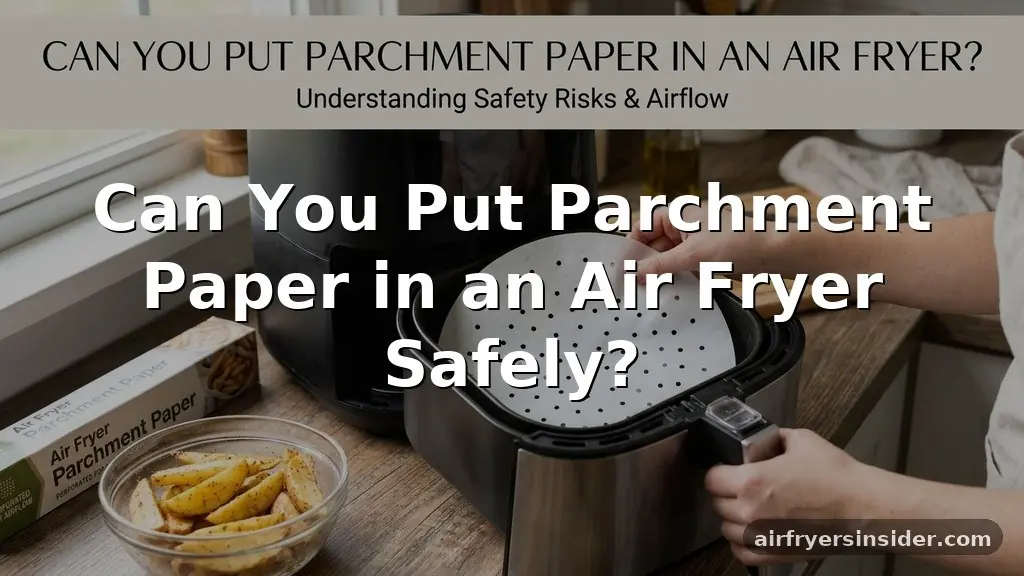
Many home cooks wonder if they can put parchment paper in an air fryer to simplify cleanup after a messy meal. Since these appliances function like high-speed convection ovens, the internal environment is quite intense, making it vital to understand how various materials react to heat and moving air. Using the wrong liner can disrupt the cooking process or even create a dangerous situation.
By knowing the specific requirements for placement and weight, you can achieve crispy results without damaging your machine or risking your kitchen’s safety. This article explores the best practices for using liners so you can cook with confidence and keep your appliance in top condition.
Understanding Safety Risks and Airflow
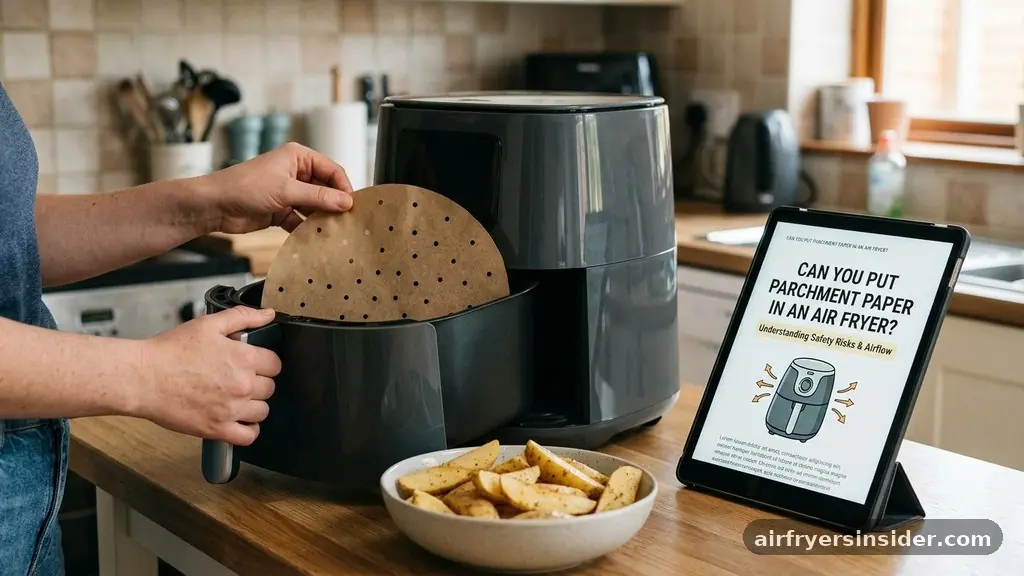
When you consider whether you can put parchment paper in an air fryer, the primary concern is always safety. Air fryers work by circulating extremely hot air at high speeds around the food. If you place a lightweight sheet of paper inside without any weight on top of it, the fan can easily lift the paper and blow it into the heating element.
This is a significant fire hazard because the paper can ignite instantly upon contact with the coils. Understanding this mechanism is the first step toward using liners effectively.
Proper airflow is essential for the convection cooking process to work as intended. If you cover the entire bottom of the basket with a solid sheet of paper, you essentially block the vents that allow air to circulate from the bottom up.
This leads to uneven cooking, where the top of your food might be charred while the bottom remains soggy or undercooked. To maintain the efficiency of your appliance, you must ensure that there is enough room for air to move around the edges of the liner or use products specifically designed to facilitate this movement.
The Mechanics of Parchment Paper in Convection Cooking
Parchment paper is generally heat-resistant, often rated to withstand temperatures up to 400 or 450 degrees Fahrenheit. However, just because the paper can survive the heat doesn’t mean it’s always the best choice for every recipe.
When you use it, you need to ensure the paper is weighed down by the food you are cooking. If you are air frying something light like kale chips or thinly sliced vegetables, the paper might flutter, potentially touching the top heating element.
Always check the manufacturer’s guidelines for your specific model. Some brands explicitly warn against using any type of liner because it interferes with the internal sensors or airflow patterns. If you decide to proceed, ensure the paper is cut to fit the basket size precisely.
Avoid letting the edges of the paper climb up the sides of the basket, as this can create a chimney effect or block the airflow needed for crisping. Using the right size minimizes the risk of the paper folding over onto your food or getting caught in the fan.
Evaluating Alternatives to Standard Parchment
When deciding between materials, you have several options beyond standard baking paper. Perforated liners are arguably the most popular choice for air frying because they feature tiny holes that allow hot air to pass through freely.
These are specifically manufactured for this purpose and are far safer than cutting your own pieces from a standard roll. They help prevent food debris from falling through the basket grates while maintaining the integrity of the convection current.
Silicone mats are another common alternative. These are often reusable, heat-resistant, and flexible, making them easy to clean after a session. Unlike paper, silicone is heavy enough to stay in place without needing to be weighed down by heavy food items.
However, they can sometimes trap too much moisture if they don’t have perforations, which might affect the crunch of breaded items. Choosing between paper and silicone often comes down to the type of food you are preparing and your personal preference for cleanup.
| Material | Heat Resistance | Reusable | Airflow Impact |
|---|---|---|---|
| Standard Parchment | High | No | High (if not perforated) |
| Perforated Liners | High | No | Low |
| Silicone Mats | Very High | Yes | Medium |
| Aluminum Foil | Very High | No | High |
Managing Greasy Foods and Food Debris
One of the biggest motivations for using liners is managing greasy foods like bacon, chicken wings, or sausages. These items release significant amounts of fat, which can drip through the basket and cause smoking or create a stubborn, sticky mess at the bottom of the drawer.
Parchment paper acts as a barrier, catching the grease before it hits the base. This makes the cleanup process much faster, as you can simply lift the liner out and discard it once it has cooled down.
However, be cautious when cooking very fatty foods with a liner. If the grease pools on the paper, it could potentially catch fire if the cooking temperature is high enough or if the grease splatters onto the heating element.
If you notice excessive smoke, it is a sign that the grease is burning on the paper or the basket floor. In these instances, it is often better to use a dedicated drip tray or to cook in smaller batches to prevent the accumulation of too much fat in a single area.
Important Precautions During Preheating
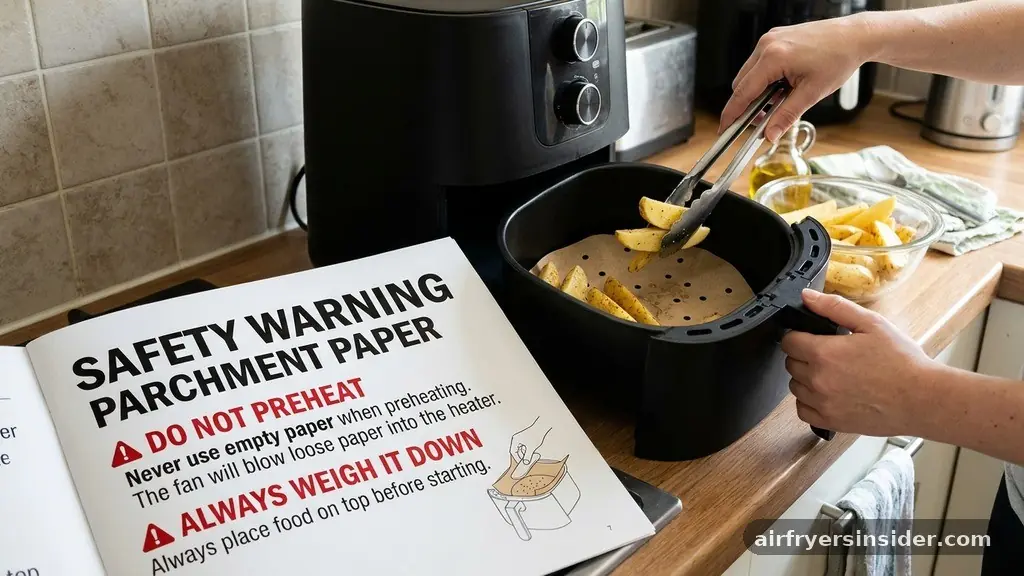
A common mistake is placing a piece of parchment paper in the basket during the preheating phase. Most air fryers have a powerful fan that kicks in immediately when the unit is turned on.
If there is no food to hold the paper down, the air circulation will almost certainly lift the paper and send it flying toward the heating element. This is a recipe for disaster and is one of the most frequent causes of burnt liners or appliance damage.
Always wait until the air fryer has finished its preheating cycle before placing your liner and food inside. Once the machine is hot and ready, open the drawer, place your liner, and immediately add the food on top.
The weight of the food is your primary defense against the paper moving around. Following this simple sequence ensures that you are using the equipment safely and effectively without risking the integrity of your meal or your appliance.
Addressing Topical Gaps in Air Fryer Usage
Many users ask if they can use items like wax paper or regular printer paper as a substitute when they run out of parchment. The answer is a definitive no. Wax paper has a coating that will melt and smoke at high temperatures, creating a hazardous mess and potentially ruining your food.
Similarly, standard printer paper is not designed for oven temperatures and can easily ignite. Only use materials labeled as heat-resistant and oven-safe.
Another gap in common knowledge involves the use of aluminum foil. While foil is heat-resistant, it can cause “hot spots” where the metal reflects heat back onto the food unevenly. It can also react with acidic foods like tomatoes or citrus, leaving a metallic taste.
Parchment paper is generally preferred for its non-stick properties and neutral impact on flavor. Understanding the differences between these materials helps you choose the right tool for the specific dish you are preparing, ensuring better culinary results every time.
Cleaning and Maintenance Considerations
Keeping your air fryer clean is essential for its longevity. While parchment paper makes the process easier, it shouldn’t replace regular deep cleaning of the basket and the heating element area. Even with a liner, small crumbs or fat particles can find their way into the crevices of the basket.
If you use a reusable silicone mat, make sure it is fully dishwasher safe or easy to hand wash. A dirty air fryer can lead to smoke and off-flavors in future meals, so maintenance is a non-negotiable part of the routine.
If you notice that your parchment paper is constantly burning at the edges, your cooking temperature might be set too high for the distance between the food and the heating element. Try lowering the temperature by 25 degrees and adding a few minutes to the cooking time.
This adjustment often allows for a more even crisping process while preventing the paper from scorching. Always inspect your basket’s non-stick coating as well; if it is starting to peel, be extra careful with the tools you use to avoid further damage.
Best Practices for Optimal Results
To get the best out of your air fryer, treat the liner as an accessory, not a necessity. If you are cooking dry items like frozen french fries or vegetables, you might find that you don’t even need a liner.
The air circulation is naturally better without any obstruction at the bottom of the basket. Use parchment paper primarily for sticky, breaded, or marinated items that are prone to creating a mess.
* Always ensure the paper is completely covered by food.
* Never use a piece of paper larger than the basket base.
* Avoid using liners when the recipe calls for high-speed, high-heat cooking for long durations.
* Check the paper periodically if you are cooking for more than 15 minutes.
* Use pre-cut, perforated liners whenever possible for better airflow.
By following these simple rules, you can enjoy the convenience of easier cleanup without compromising the quality of your meals. The goal is to make your cooking process more efficient while keeping safety as the top priority.
The Future of Convenient Air Frying
As air fryers continue to evolve, so do the accessories available for them. Many manufacturers are now including custom-fit racks and trays that eliminate the need for disposable liners altogether.
If you find yourself frequently struggling with paper placement, it might be worth investing in a high-quality, reusable silicone tray that fits your specific model perfectly. This not only reduces waste but also provides a more stable surface for your food.
Ultimately, whether you choose to use parchment paper or another method comes down to your personal workflow in the kitchen. If you prioritize minimal cleanup and have mastered the art of weighing down your liners, then parchment paper is a fantastic tool in your arsenal.
Just stay vigilant about the airflow and the placement of the paper, and you will be able to enjoy crispy, delicious food without the stress of a complicated cleanup. Happy cooking, and may your air-fried meals always come out perfectly golden.
FAQ
Is it better to use tin foil or parchment paper in an air fryer?
Parchment paper is generally preferred because it is non-stick and doesn’t react with acidic ingredients. Aluminum foil can cause uneven cooking due to heat reflection and may leave a metallic taste on certain foods. However, both must be used with caution to ensure they don’t block airflow.
What happens if I put parchment paper in the air fryer?
If placed correctly under the weight of food, it makes cleanup easier by catching grease and debris. If it is too light or not weighed down, the air fryer’s fan can blow the paper into the heating element, which creates a significant fire hazard and damages the appliance.
What can I use if I don’t have air fryer liners?
You can simply cook your food directly on the basket grate, which often provides the best airflow for crisping. If you are worried about sticking, lightly grease the basket with a small amount of oil or use a heat-resistant silicone mat designed for air fryer use.
What should you not put in an air fryer?
Never put wax paper, paper towels, or plastic wrap in an air fryer, as these can melt or catch fire. Additionally, avoid putting large amounts of liquid batter or very lightweight items that could be blown into the heating element by the powerful internal fan.
The decision to use parchment paper in an air fryer is a balance between convenience and safety. By ensuring the paper is properly weighted by food and using perforated options to maintain airflow, you can keep your appliance clean while achieving excellent cooking results. Remember that the goal is to facilitate heat circulation rather than hinder it.
When you put parchment paper in an air fryer, always monitor the cooking process, especially during the first few minutes, to ensure everything stays in place. With these precautions in mind, you can confidently use liners to make your post-meal cleanup a breeze. If you have questions about specific recipes or accessories, feel free to share your experiences with your air fryer setup.