

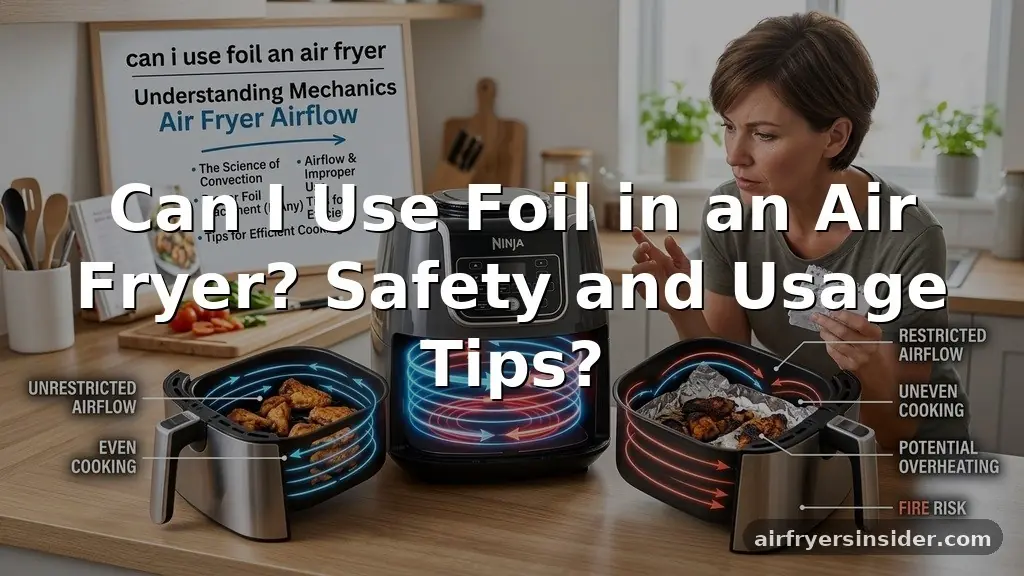
Deciding whether you can use foil in an air fryer is a common point of confusion for home cooks looking to minimize cleanup. While the convenience of a quick foil wrap is tempting, understanding the mechanics of your machine is vital for both safety and cooking performance. Air fryers operate on the principle of rapid convection heating, which relies on the unobstructed movement of hot air around your ingredients.
When you introduce materials like aluminum foil into the cooking chamber, you change how that air flows. Learning the proper way to utilize these liners will help you achieve crispy results without risking damage to your appliance or compromising the quality of your meals.
Understanding the Mechanics of Air Fryer Airflow
The core function of an air fryer is its ability to circulate superheated air at high speeds. This air reaches your food from the top heating element and is pushed downward by a powerful fan. Because the air needs to move freely to create that signature crunch, any obstruction can lead to uneven cooking.
When you place a sheet of foil inside the basket, you act as a physical barrier. If the foil covers too much surface area, the air cannot pass through the holes in the basket tray, effectively turning your convection device into a small, inefficient oven.
To maintain the integrity of your cooking, the air must be able to hit the food from all angles. If you choose to use foil, it must be sized correctly to allow air to flow around the edges.
Covering the entire bottom of the basket is a recipe for soggy, undercooked food because the hot air simply bounces off the foil rather than wrapping around your ingredients. Always ensure that the foil remains weighted down by the food itself; otherwise, the powerful fan might catch the light material and blow it into the heating element, which creates a significant fire hazard.
Safety Considerations and Potential Risks
When considering if you can use foil in an air fryer, safety should be your primary concern. The heating element is situated at the top of the unit, and it gets incredibly hot. If a piece of foil is loose or too lightweight, the circulating air can lift it toward the element.
This contact can cause sparks, damage the internal components of your appliance, or even trigger an electrical fault. Always use heavy-duty foil if you decide to line your basket, as it is thicker, less likely to tear, and stays in place much better than standard kitchen foil.
Another aspect of safety involves potential chemical reactions. While aluminum is generally considered safe for cooking, some studies suggest that acidic foods can cause minor leaching when kept in contact with foil for long periods at high temperatures. Ingredients like tomatoes, citrus juices, or vinegar-based marinades are more likely to react with the metal.
If you are cooking these types of foods, it is often safer to skip the foil entirely or use a silicone mat or parchment paper liner instead. Keeping your use of foil for non-acidic, dry foods will help you avoid these minor issues.
Proper Placement and Airflow Obstruction
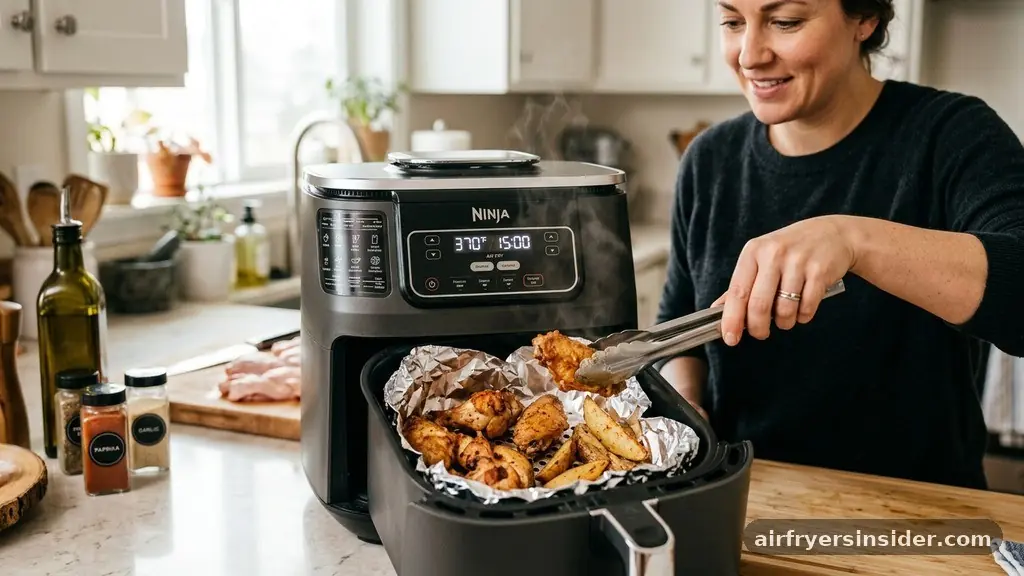
Properly placing your foil is an art form that requires attention to detail. You should never line the entire bottom of the air fryer basket if it prevents the air from circulating through the perforated holes.
Instead, try to create a small “boat” or tray that holds just your food, leaving plenty of room on the sides for the air to travel upward and around. This technique ensures that your food gets the benefit of the convection process while still keeping the mess contained.
One of the most common mistakes is blocking the airflow by overcrowding the basket with foil-wrapped items. If you are making foil packets for something like salmon or vegetables, ensure there is at least an inch of space between the packets and the walls of the basket. This gap allows the hot air to maintain its velocity.
If you notice that your food is taking significantly longer to cook than the recipe suggests, it is a clear sign that your foil placement is causing an airflow obstruction. Adjusting your setup during the next batch will lead to better results.
Comparing Foil to Other Liner Options
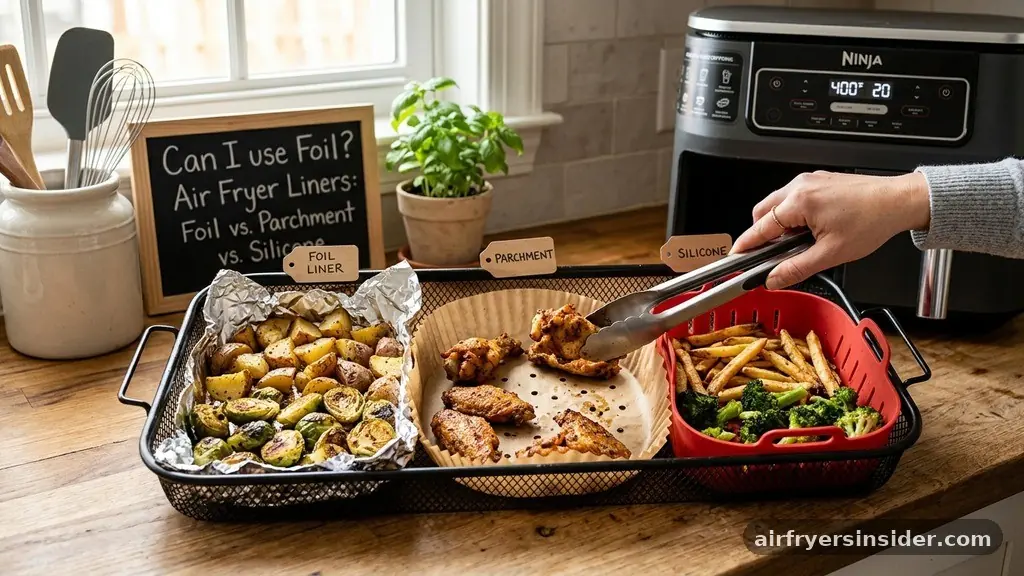
Many home cooks wonder how foil stacks up against other popular accessories like parchment paper or silicone mats. Each material has its own set of benefits and drawbacks depending on what you are trying to prepare. Understanding these differences helps you choose the right tool for the job, ensuring your air fryer remains in top condition for years to come.
| Material | Best For | Heat Tolerance |
|---|---|---|
| Aluminum Foil | Messy, oily, or saucy foods | Very High |
| Parchment Paper | Baking or delicate items | Moderate |
| Silicone Mats | General use and easy cleaning | High |
Parchment paper is excellent for preventing sticking, especially with breaded items, but it is not as heat-resistant as foil. It can burn if it comes into direct contact with the heating element or if it isn’t properly weighted down by food.
Silicone mats are a fantastic reusable option, but they can be slightly thicker, which might affect the crisping process for bottom surfaces. Ultimately, foil remains the most versatile choice for high-heat cooking where you need to contain juices or grease, provided you handle it with caution.
Tips for Cooking with Foil Packets
Cooking in foil packets is a convenient way to steam vegetables or fish inside your air fryer. This method traps moisture, leading to tender results that are difficult to achieve with dry air frying alone.
To do this successfully, fold the edges of the foil tightly to create a sealed pouch. This prevents the juices from leaking out and creating a mess at the bottom of the basket, which could otherwise burn and cause smoke.
* Use only high-quality, heavy-duty foil to prevent tearing.
* Ensure the packet is small enough to allow air to flow around it.
* Don’t overfill the packet; leave some room for steam to expand.
* Use tongs to carefully remove the hot packet from the basket.
* Poke a few tiny holes in the top if you want a bit of browning on your food.
By following these simple guidelines, you can enjoy the benefits of moisture-rich cooking without sacrificing the speed and efficiency of your appliance. Just remember that the cooking times for foil-wrapped items will differ from standard air frying, so keep a close eye on your food the first time you experiment with this technique.
Addressing Common Topical Gaps
A common question that often goes unanswered is whether foil affects the non-stick coating of the basket. While aluminum is softer than the basket’s coating, dragging a sheet of foil across the surface can cause micro-scratches over time. These scratches can compromise the non-stick properties, making it harder to clean in the future.
To mitigate this, always place the foil gently and avoid scraping it against the sides or bottom. If you are worried about the longevity of your basket, consider using pre-cut, food-grade perforated liners designed specifically for air fryers.
Another frequently overlooked point is the impact of preheating. Many manuals recommend preheating the air fryer, but if you have a piece of loose foil inside, the fan might blow it around during this initial phase. Always wait until the unit is preheated before adding your foil-lined food.
This ensures the foil stays put once the weight of the food is applied. By treating your appliance with care and being mindful of how accessories interact with internal components, you extend the life of your machine significantly.
Cleaning and Maintenance After Using Foil
Using foil can make cleanup much easier, but it doesn’t mean you can ignore the rest of the basket. Even with a liner, small bits of food or oil can escape through the sides. After every use, check the bottom of the basket for any residue.
If you used foil, remove it carefully to ensure no small scraps remain behind. These tiny pieces of foil can get stuck in the holes of the basket, which will eventually lead to airflow blockage if left unattended.
Regular cleaning of your air fryer basket is essential for fire safety. Accumulated grease under the foil or on the walls of the basket can reach its smoke point during high-heat cooking.
Use a soft sponge and mild dish soap to wash the basket, avoiding abrasive scrubbers that could damage the non-stick surface. Taking five minutes to clean the unit thoroughly after it has cooled down is the best way to ensure your air fryer remains a safe and reliable tool in your kitchen.
The Role of Manufacturers Manuals
While general advice is helpful, the most important source of information is always your specific manufacturer’s manual. Different brands have different internal designs, heating element placements, and airflow patterns.
Some manufacturers explicitly advise against using any liners, including foil, due to the risk of fire or damage to the sensor systems. Before you start experimenting, take a moment to look at the safety section of your user guide.
If your manual states that you should not use foil, it is best to follow that instruction to keep your warranty valid. Many modern air fryers have specific accessory kits designed by the manufacturer that are tested for safety and airflow.
Investing in these official accessories is often a better long-term strategy than relying on household foil. When in doubt, prioritize the manufacturer’s recommendations over general internet advice, as they have conducted the necessary testing to ensure your appliance operates safely under various conditions.
FAQ
Is it safe to use aluminum foil in my air fryer?
Yes, it is generally safe to use heavy-duty aluminum foil in most air fryers, provided it is used correctly. You must ensure the foil is properly weighted down by food so it doesn’t blow into the heating element, and you should never block the essential airflow.
Does using foil affect the cooking time of my food?
Using foil can slightly increase cooking time because it acts as a barrier to the hot air. If you wrap food completely in foil, it will cook more like a steamer than an air fryer. Always check your food a few minutes early to gauge the progress.
Can I use foil for acidic foods like tomatoes or citrus?
It is generally recommended to avoid using foil for highly acidic foods. Acid can cause minor chemical leaching from the aluminum into your food, especially during high-heat cooking. Use parchment paper or a silicone mat as a safer alternative for these specific ingredients.
Should I line the entire bottom of the basket with foil?
No, you should never line the entire bottom of the air fryer basket. This creates a significant airflow obstruction, which prevents the hot air from circulating effectively. This can lead to uneven cooking and may even cause the appliance to overheat or malfunction.
Conclusion
Deciding whether you can use foil in an air fryer is all about balance. While it is a convenient way to keep your basket clean and manage messy ingredients, it must be done with caution to protect your appliance and ensure your food cooks evenly. By using heavy-duty foil, leaving plenty of room for air to circulate, and avoiding acidic foods, you can safely integrate this method into your cooking routine.
Always prioritize the guidelines found in your specific appliance’s manual to ensure long-term safety. With these best practices in mind, you can enjoy the speed and efficiency of your air fryer while keeping your kitchen cleanup to a minimum. Happy cooking, and remember to keep that air flowing freely.
Meta Description: Curious if you can use foil in an air fryer? Learn the safe ways to use aluminum foil for easy cleanup without blocking airflow or risking fire.


