

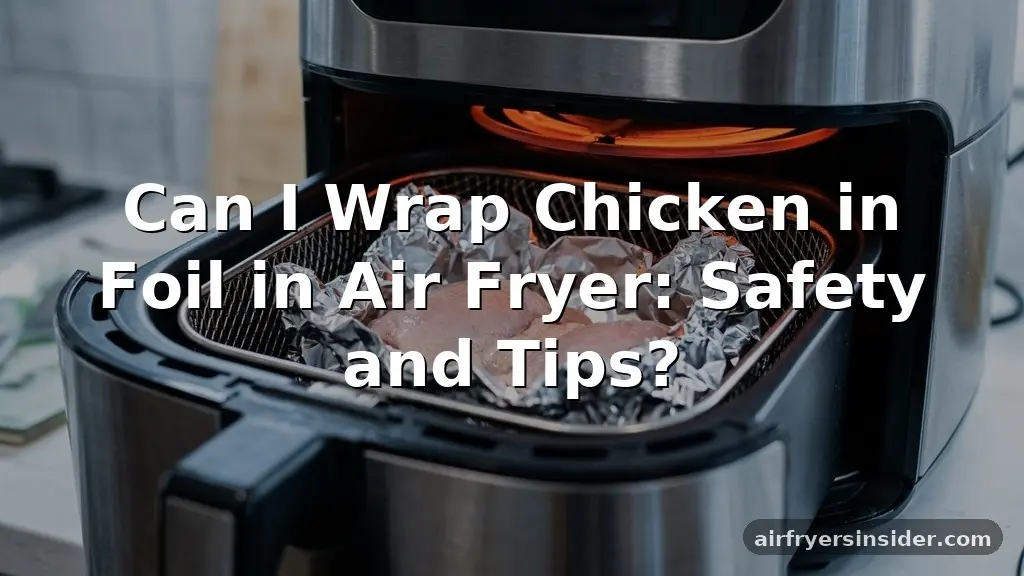
When you are looking to keep your dinner juicy and flavorful, you might wonder if you can wrap chicken in foil in the air fryer to speed up the process or lock in moisture. Many home cooks assume that because these machines are essentially compact convection ovens, they work exactly like their full-sized counterparts. However, the unique mechanics of air frying mean you should exercise caution before lining your basket with metallic sheets.
Understanding the balance between convenience and safety is essential for achieving the perfect golden-brown crust without compromising your appliance or your health. This exploration provides the clarity you need to cook safely and effectively.
Understanding Air Fryer Mechanics and Heat Distribution
The primary function of an air fryer is to move hot air rapidly around your food to create a crispy texture. Unlike a traditional oven that relies on radiant heat, an air fryer uses a powerful fan and a heating element located above the basket.
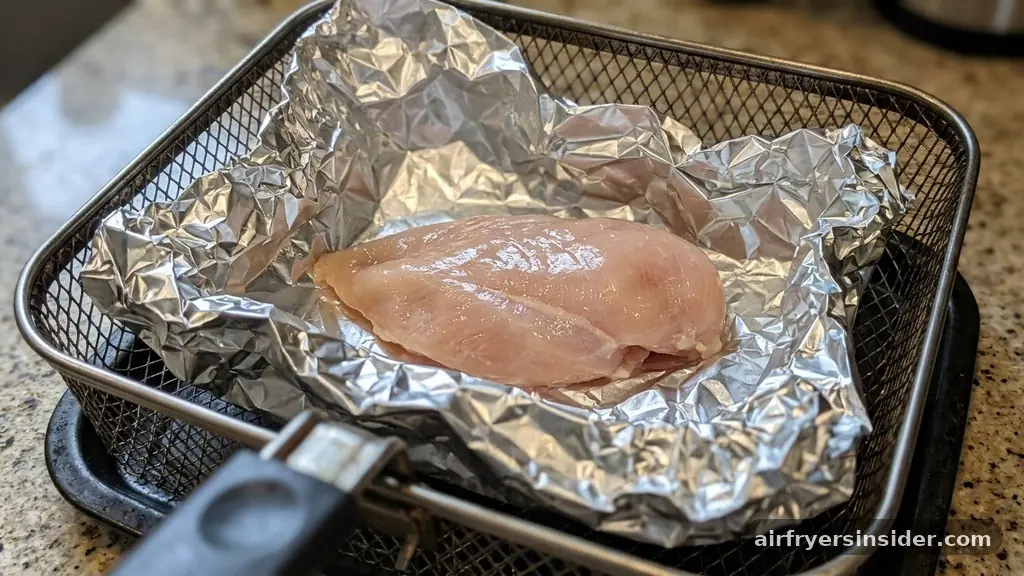
When you ask whether you can wrap chicken in foil in the air fryer, you must consider how that foil affects the internal environment. Introducing a large barrier like aluminum foil can disrupt the intended airflow, potentially leading to uneven cooking.
When air circulation is blocked, the machine struggles to maintain a consistent temperature. The fan speed is calibrated to move air through the perforated basket, so placing a solid sheet of foil at the bottom or wrapping your meat completely can create cold spots.
This is the opposite of what you want when trying to cook poultry. Effective heat distribution relies on the air reaching every surface of the chicken breast, which is why most manufacturers suggest keeping the basket as clear as possible.
Safety Considerations for Aluminum Foil
Using aluminum foil in an air fryer is generally considered safe as long as it is done correctly, but there are specific risks to mitigate. You should never let the foil touch the heating element at the top of the unit.
Because the air fryer is so compact, even a small piece of loose foil can be sucked up by the fan, creating a significant fire hazard or damaging the internal components. Always ensure the foil is weighed down by the food you are cooking.
Another concern for some is aluminum leaching. While scientific consensus suggests that the amount of aluminum transferred to food during cooking is minimal and well within safe limits, those with specific health concerns might prefer alternatives.
If you are worried about direct contact between your food and the metal, you might consider using parchment paper or silicone accessories instead. These materials are designed for high-heat environments and are often easier to manage than foil when you want to avoid potential chemical interaction.
The Impact of Foil on Cooking Time and Texture
If you decide to proceed with wrapping your protein, you will notice a significant change in the cooking time and the final texture. When you wrap chicken in foil in the air fryer, you are essentially steaming the meat rather than roasting it.
This is excellent for moisture retention, as the juices are trapped inside the packet. However, you will lose the signature crunch that air fryers are famous for.
To get the best of both worlds, many cooks use foil only for the first half of the cooking cycle. By keeping the chicken wrapped during the initial phase, you ensure the meat reaches the proper internal temperature without drying out.
Once the chicken is nearly cooked, you can carefully remove the foil to allow the hot air to crisp the exterior. This hybrid approach requires careful monitoring, as you will need to adjust your total cooking time to account for the time spent in the foil packet.
Comparing Alternatives to Aluminum Foil
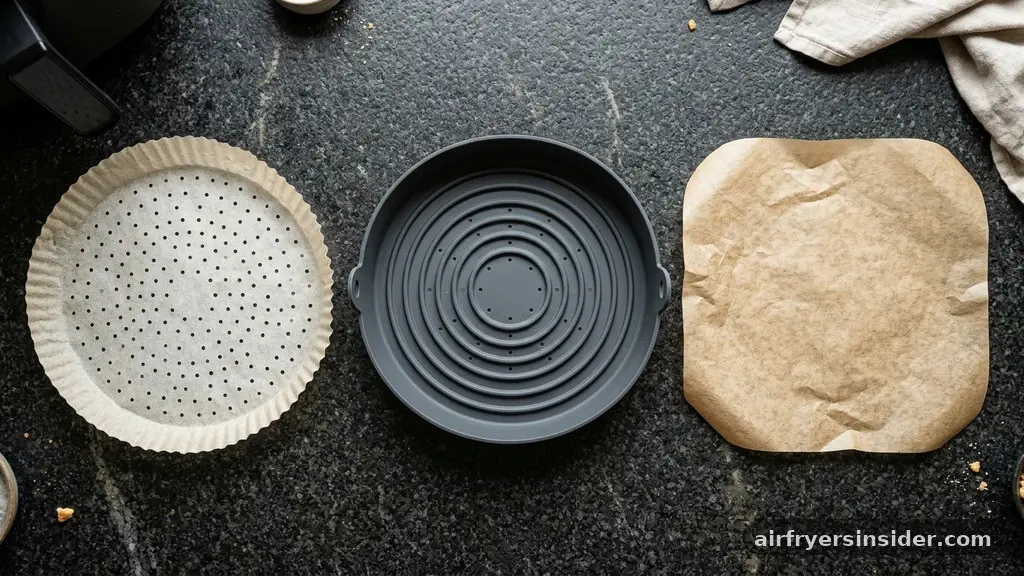
When you want to protect your air fryer basket or keep your food moist, you have several options beyond traditional aluminum foil. Each material interacts with the convection heating process in its own way. Choosing the right liner depends on whether your goal is cleanup, moisture control, or preventing sticking.
| Material | Best Use Case | Heat Resistance |
|---|---|---|
| Aluminum Foil | Retaining moisture, steaming | Very High |
| Parchment Paper | Preventing sticking, easy cleanup | Moderate (Max 425°F) |
| Silicone Trivet | Elevating food for airflow | High |
| Perforated Paper | Allowing air circulation | Moderate |
Perforated parchment paper is often superior to foil if your goal is to keep the basket clean without inhibiting airflow. Because it has holes, the air can still move through the liner and reach the bottom of your chicken.
This maintains the convection effect while still providing a non-stick surface. If you are worried about the mess, these liners are a much more effective solution than solid foil.
Managing Internal Temperature and Food Safety
Regardless of your cooking method, maintaining strict food safety guidelines is non-negotiable. Chicken must reach a safe internal temperature of 165°F to eliminate the risk of salmonella.
When you wrap your food, it can be deceptively easy to assume the inside is cooked because the outside looks finished. Using a reliable meat thermometer is the only way to be certain.
When you wrap chicken in foil in the air fryer, the thermal conductivity of the metal can sometimes create hotspots or cold spots within the packet. This makes a thermometer even more critical.
Insert the probe into the thickest part of the breast, ensuring you are not touching any bone or the foil itself. Relying on visual cues or cooking times alone is risky, especially when using unconventional cooking methods that alter the standard airflow of the appliance.
Common Mistakes to Avoid
Many home cooks fall into the trap of over-lining their air fryer. A common mistake is covering the entire bottom of the basket with foil, which completely halts the convection process.
This forces the air fryer to work much harder to heat the air, which can cause the appliance to overheat or trigger a safety shutdown. If you must use foil, keep it limited to the area directly under the food, leaving plenty of space around the edges for air to circulate.
Another error is using foil with acidic ingredients, such as lemon juice or tomato-based sauces. These can react with the aluminum, potentially affecting the flavor or causing the foil to break down.
If your recipe involves a marinade with high acidity, it is safer to use parchment paper or a silicone container. Always prioritize the health of your machine and the quality of your ingredients by selecting the right barrier for the job.
Topical Gaps: Addressing Specific Air Fryer Questions
A frequent point of confusion is whether the size or model of your air fryer dictates the use of foil. Whether you have a basket-style unit or a tray-style oven model, the rules remain the same: airflow is king. In tray-style models, you have more surface area, which might make it tempting to cover the entire tray.
Avoid this. Even in a larger oven-style air fryer, the fan is designed to pull air through the trays. Blocking them will result in soggy, unevenly cooked food.
Another gap in knowledge involves the use of silicone trivets. Many people wonder if they can use these to replace foil. A silicone trivet is actually a fantastic tool for air frying because it lifts the chicken slightly off the base of the basket, allowing air to circulate underneath.
This achieves the goal of even cooking without the risks associated with metallic foil. It is a more sustainable, reusable, and effective solution for most poultry dishes.
Best Practices for Crispy Results
If you are determined to get crispy skin while using a protective layer, technique is everything. Start by patting the chicken dry with paper towels before seasoning. Moisture on the skin is the enemy of crispiness.
If you are using a rub or oil, apply it sparingly. When placing the chicken in the basket, ensure there is enough space between pieces so they aren’t touching.
If you choose to use foil for the first half of the cook, make sure the chicken is completely dry before you remove the foil for the final “crisping” phase. You can even spray the skin lightly with a high-smoke-point oil to encourage browning. By managing the transition from a covered, moisture-retaining environment to an open, high-heat environment, you can enjoy chicken that is both tender inside and perfectly crispy on the outside.
FAQ Section
Can I put aluminum foil in an air fryer safely?
Yes, you can use aluminum foil in an air fryer, provided it is small enough to fit under the food and does not touch the heating element. Always ensure it is weighed down so it does not fly into the fan, which could cause a fire hazard.
Does using foil prevent chicken from getting crispy?
Yes, wrapping chicken in foil creates a steaming effect that locks in moisture but prevents the hot air from crisping the skin. If you want crispy skin, use foil only for the first half of the cooking time and finish the chicken uncovered for the final few minutes.
What is the best alternative to foil for air frying?
Perforated parchment paper is an excellent alternative because it prevents sticking while still allowing air to circulate. Silicone trivets are also highly recommended, as they lift the food off the basket floor, promoting better heat distribution and preventing the need for disposable liners.
How do I know when the chicken is fully cooked?
Always use a digital meat thermometer to check the internal temperature. Regardless of whether you used foil or any other liner, the thickest part of the chicken breast must reach an internal temperature of 165°F to ensure it is safe to eat and free from harmful bacteria.
Conclusion
Mastering the art of using an air fryer requires a clear understanding of how airflow and heat distribution impact your meals. While you can wrap chicken in foil in the air fryer to achieve a succulent, moist result, it is vital to prioritize safety and efficiency. By keeping the foil contained beneath your food, avoiding contact with the heating element, and using a meat thermometer to verify doneness, you can achieve professional-level results at home.
If you prioritize crispiness, consider using perforated parchment or silicone accessories as a more breathable alternative. Whether you are meal prepping or cooking a quick weeknight dinner, these small adjustments will ensure your chicken is safe, delicious, and perfectly prepared every single time. Don’t hesitate to experiment with these methods to find the balance that works best for your specific appliance.


