Many home cooks wonder if they can use their favorite kitchen glassware when air frying, and the question of whether pyrex can go in air fryer is one that requires a nuanced understanding of materials science. While air fryers are essentially compact convection ovens, they operate with intense heat and rapid air circulation that can stress certain types of containers.
Using the wrong dish can lead to dangerous situations, including shattered glass inside your appliance. Before you place that casserole dish inside, it is essential to understand the differences in glass composition and how they react to the unique environment of an air fryer.
The primary concern when placing any glass in a high-heat environment is the risk of thermal shock. This occurs when a material experiences a rapid change in temperature, causing it to expand or contract unevenly. If you have ever taken a cold container from the refrigerator and placed it directly into a hot oven, you have witnessed the physical stress that can lead to breakage.
Air fryers reach high temperatures very quickly, which creates a volatile environment for materials that are not specifically engineered to withstand such aggressive fluctuations. Understanding these limitations is the first step toward safe and effective cooking.
Distinguishing Between Types of Glass
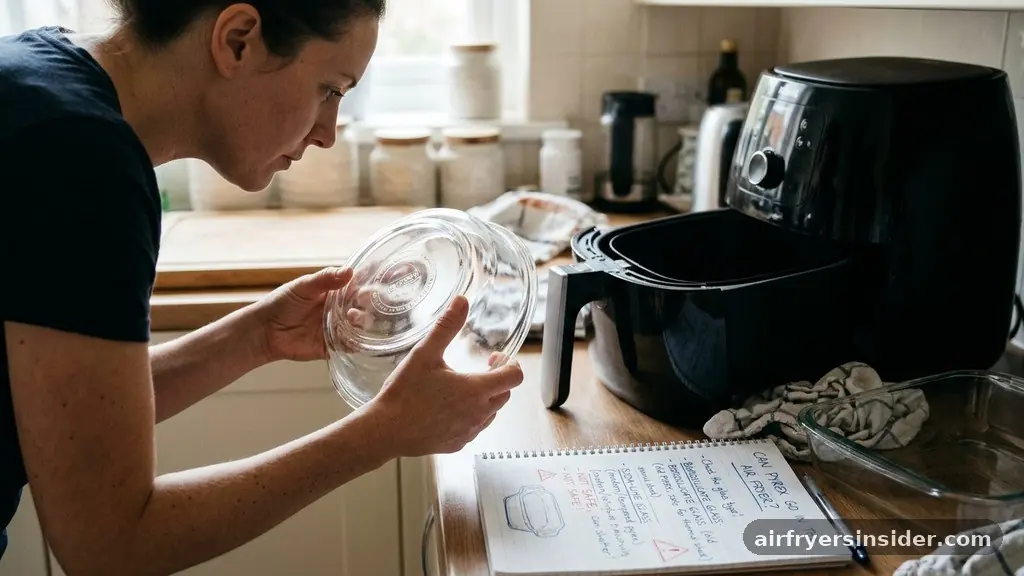
Not all glassware is created equal, and knowing the difference between various types is critical for kitchen safety. Modern Pyrex, which is widely available in stores today, is typically made from soda-lime glass.
While this material is tempered to be durable for standard kitchen use, it is not designed to handle the extreme, localized thermal stress found in an air fryer. Older versions of Pyrex were often made from borosilicate glass, which has a much higher resistance to thermal shock.
The distinction between these two materials is vital. Borosilicate glass contains boron trioxide, which gives it a lower coefficient of thermal expansion, meaning it does not expand or contract as much when heated or cooled. Soda-lime glass, by contrast, is more prone to structural failure when subjected to rapid temperature changes.
If you are uncertain about the age or composition of your glassware, it is always safer to assume it is soda-lime glass and avoid using it in the air fryer. Relying on the assumption that all clear glass is heat-resistant is a common mistake that often leads to dangerous accidents in the kitchen.
Thermal Shock and Safety Risks
The mechanical process of an air fryer involves a powerful fan that forces hot air around the food, creating a high-velocity environment that is very different from a conventional oven. This rapid movement of air can create hot spots on a glass container, leading to uneven heating.
If one part of the glass heats up significantly faster than another, the internal stress can cause the glass to crack or explode. This phenomenon, known as thermal shock, is a serious hazard, especially when dealing with glass that has microscopic imperfections.
Even if a dish is labeled as oven-safe, that designation usually assumes a gradual increase in temperature, which is not what happens in an air fryer. When you hear the question of can pyrex go in air fryer, you must consider that the “oven-safe” label does not automatically translate to “air fryer safe.”
The air fryer’s compact size means the heating element is closer to the container, intensifying the heat and increasing the likelihood of shattering. If your glass has any existing chips or micro-fractures, these will act as stress concentrators, significantly lowering the temperature threshold at which the item will fail.
Always Follow These Safety Precautions
If you decide to experiment with glass in your appliance, you must prioritize safety above all else. Never place a cold glass container directly into a preheated air fryer. Allow the glass to come to room temperature first to minimize the delta in temperature.
Additionally, ensure there is adequate space around the container for the air to circulate. If the glass touches the sides of the air fryer basket, it can create hot spots and prevent even cooking.
Crucial Safety Guidelines
- Never subject glass to rapid temperature changes, such as moving it from the fridge to a hot air fryer.
- Inspect every piece of glassware for chips, cracks, or deep scratches before use.
- Ensure the glass dish is labeled as oven-safe, though this does not guarantee it will survive an air fryer.
- Avoid overfilling the container, as spills can burn and create localized temperature spikes.
- Use heat-resistant mitts when removing any container, as glass retains heat for a long time.
- If you hear any popping or cracking noises, turn off the air fryer immediately.
Choosing the Right Containers
Selecting the correct vessel for your air fryer can significantly improve your cooking results and keep your kitchen safe. When you look for alternatives, consider the following materials: silicone, metal, and ceramic. These materials are generally better suited for the high-velocity, high-heat environment of an air fryer than standard glass.
Silicone, in particular, is highly flexible and can withstand significant temperature fluctuations without the risk of shattering. Many air fryer accessories are made from food-grade silicone precisely because it is durable and easy to clean.
Metal containers, such as stainless steel or aluminum, are excellent choices because they are highly conductive and shatterproof. They handle the rapid heating of an air fryer much better than glass. However, ensure that any metal you use is food-grade and free of non-stick coatings that might degrade at very high temperatures.
Ceramic dishes can also be used, provided they are high-quality, oven-safe, and free of cracks. When you are deciding on a container, prioritize durability and heat tolerance over aesthetic appeal to ensure a successful cooking experience.
| Material | Thermal Shock Resistance | Shatter Risk | Best Use Case |
|---|---|---|---|
| Borosilicate Glass | High | Low | Baking, reheating |
| Soda-Lime Glass | Low | High | Room temp storage |
| Silicone | Very High | None | Air fryer inserts |
| Stainless Steel | Very High | None | General cooking |
Recommended Alternatives for Air Frying
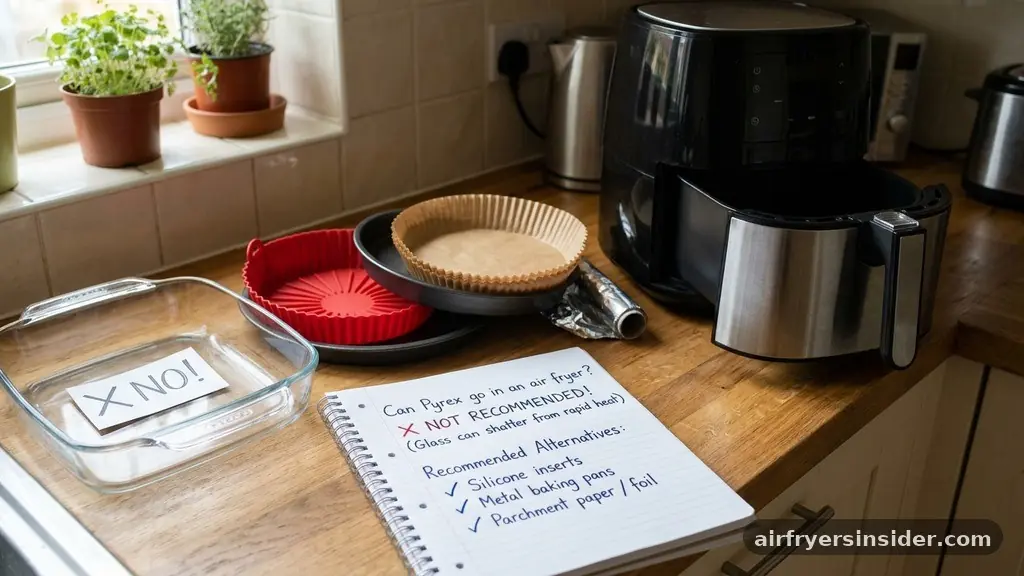
Since the risk of using glass is often not worth the potential for a shattered mess, it is wise to invest in dedicated air fryer accessories. These items are designed specifically for the airflow patterns and heating characteristics of the appliance.
You can find high-quality silicone baskets that fit perfectly into most air fryer models. These are non-stick, heat-resistant, and completely shatterproof, making them the superior choice for most users.
If you prefer a solid container for things like casseroles or small cakes, consider using a small stainless steel pan. These pans are virtually indestructible and heat up quickly, which is perfect for achieving that crispy exterior that air fryers are famous for.
Ceramic-coated aluminum is another fantastic option, as it combines the even heating of metal with a non-stick surface. By shifting your focus toward these specialized materials, you can avoid the stress of worrying about whether your glass will survive the cooking process.
Addressing Common Topical Gaps
Many readers are confused by the conflicting advice found online, particularly regarding the difference between convection ovens and air fryers. While an air fryer is technically a small convection oven, the proximity of the heating element to the food creates a far more intense environment.
A glass dish might be perfectly fine in an oven set to 350 degrees, but in an air fryer, the proximity to the coil can create localized heat that exceeds the glass’s tolerance. This is the primary reason why “oven-safe” labels do not translate directly to “air fryer safe.”
Another gap in the discussion is the impact of the air fryer’s fan. The high-velocity air can cause lighter glass containers to shift or vibrate, which increases the chance of them coming into contact with the heating element.
Furthermore, the rapid air movement can cause moisture to evaporate quickly from the surface of the food, potentially leading to uneven browning if the glass dish is too tall. Understanding that the physics of the appliance is the limiting factor—not just the material of the dish—is the key to mastering your cooking.
Glassware Safety and Kitchen Appliance Compatibility
Maintaining your kitchen equipment requires a proactive approach to safety. If you are determined to use glass, you must verify the specific type of glass you own. Borosilicate glass is the only type that is truly suited for the rigors of an air fryer.
If your glassware is unmarked or simply labeled as “heat-resistant,” it is likely soda-lime glass and should be kept away from the air fryer. Shatterproof qualities are essential, but even shatterproof glass has limits when exposed to the extreme, uneven heat of a convection fan.
Always check for micro-fractures, which are often invisible to the naked eye. These small imperfections are the primary culprits behind spontaneous glass breakage. If you have dropped a dish recently, even if it didn’t shatter, it may have developed internal stress that will cause it to fail later under heat.
Regular inspection of your kitchen tools is a simple habit that prevents accidents. When in doubt, it is far better to use a metal or silicone alternative than to risk the safety of your appliance and your food.
Heat Resistance and Shatterproof Properties
Heat resistance is a relative term, and it often leads to confusion. A material might be heat-resistant enough to handle a hot meal, but that does not mean it can withstand the rapid thermal cycling of an air fryer. Shatterproof is also a marketing term that rarely means “indestructible.”
Even the most robust glass will eventually succumb to thermal stress if the temperature gradient across the material is too steep. The goal is to choose materials that can absorb and dissipate heat evenly.
When you heat a container in an air fryer, you are essentially bombarding it with hot air. If the material is a poor conductor, the surface will get very hot while the core remains cooler, leading to internal stress.
Materials like stainless steel and silicone handle this much better than glass. By understanding the properties of your cookware, you can make informed decisions that ensure your meals are cooked perfectly and your kitchen remains safe from the hazards of shattered glass.
FAQ Section
Can I put any type of glass in my air fryer?
No, you should never put standard soda-lime glass, such as everyday glassware or most modern Pyrex, in an air fryer. Only glass specifically labeled as borosilicate and rated for high-heat, rapid-change environments should be considered, and even then, caution is always required to prevent thermal shock.
How do I know if my dish is borosilicate glass?
Check the bottom of your container for a manufacturer’s stamp or engraving. Borosilicate glass is typically clearly marked. If the container is unmarked or simply says “oven-safe,” you should treat it as standard soda-lime glass and avoid using it in your air fryer to prevent potential shattering.
Is it safe to use silicone in an air fryer?
Yes, food-grade silicone is an excellent, safe choice for air frying. It is highly heat-resistant, flexible enough to handle temperature changes without cracking, and naturally non-stick. Always ensure the silicone is specifically designed for high-heat cooking to ensure it does not degrade or release chemicals into your food.
Why is my “oven-safe” dish not safe for the air fryer?
Oven-safe ratings are based on gradual temperature increases in a large, stable environment. An air fryer is a compact, high-velocity environment where the heating element is very close to the dish, causing rapid, uneven heating that can trigger thermal shock and cause glass to shatter immediately.
Final Thoughts
Deciding whether to use glass in your cooking process is ultimately about balancing convenience with safety. While it is possible to find heat-resistant options, the inherent risks associated with using glass in such a high-intensity appliance often outweigh the benefits. By choosing safer alternatives like silicone or stainless steel, you ensure a stress-free cooking experience and protect your appliance from potential damage.
If you must use glass, always verify the material composition and inspect every dish for hidden damage before you start. Taking these simple precautions will help you get the most out of your kitchen tools while keeping your home safe. We hope this explanation helps you navigate your air frying journey with confidence.
Meta Description: Wondering if you can put glass in your air fryer? Discover why most Pyrex isn’t suitable and learn the safest alternatives for your kitchen.