

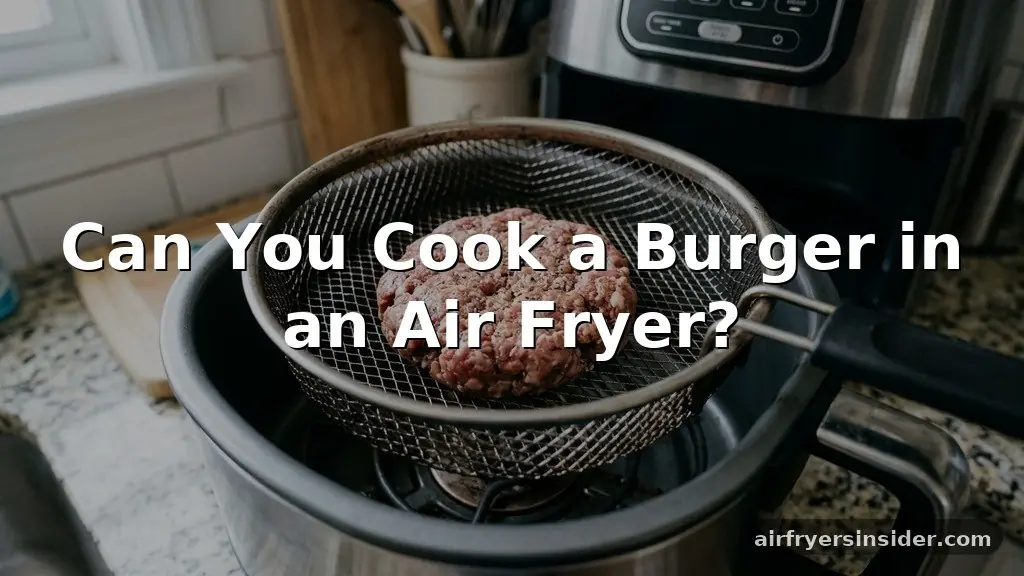
If you have ever wondered whether you can cook a burger in an air fryer, the answer is a resounding yes. In fact, many home cooks are switching to this method because it offers a convenient, consistent way to achieve a juicy center and perfectly seared exterior without the mess of a stovetop skillet.
By utilizing rapid hot air technology, you can effectively mimic the results of a grill or pan-fry while keeping your kitchen free from grease splatter. Whether you are working with fresh ground beef or frozen patties, understanding the nuances of temperature and timing will ensure your meal turns out restaurant-quality every single time.
Why the Air Fryer Excels at Cooking Burgers
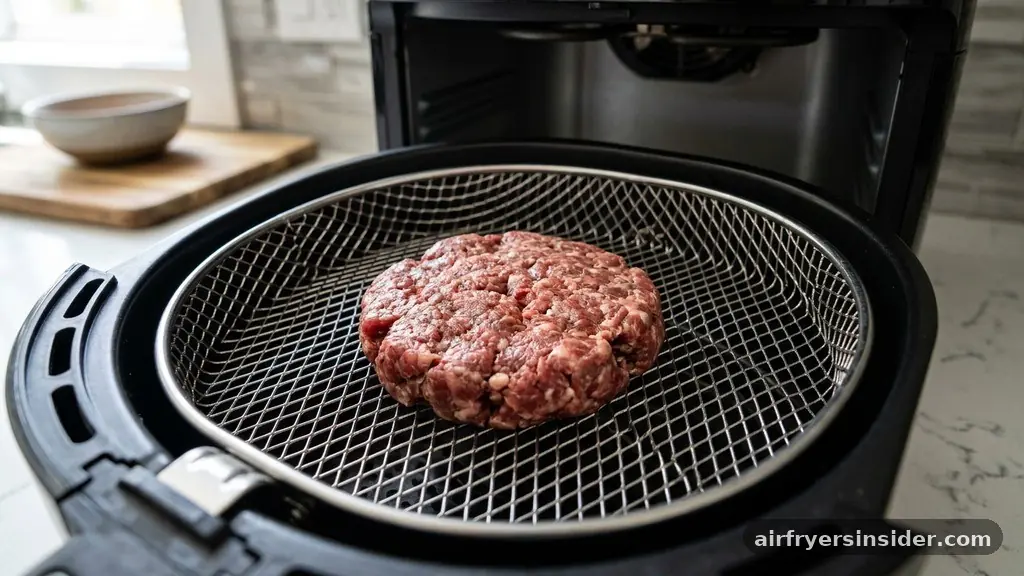
The primary reason to consider the air fryer for your next burger night is the superior level of control it provides. Unlike a traditional frying pan where heat can be uneven, an air fryer relies on constant, high-speed air circulation to envelope the patty.
This ensures that the heat is distributed uniformly around the meat, which is critical for achieving a consistent internal temperature throughout the burger. Because the unit is a closed environment, you also avoid the common frustration of oil spraying across your stovetop.
Another significant advantage is the natural fat drainage that occurs during the process. Most air fryer baskets are designed with a perforated bottom or a removable tray that allows rendered fat to drip away from the meat as it cooks.
This results in a lighter patty that isn’t sitting in a pool of grease, which is a common issue when pan-frying thicker patties. By keeping the meat elevated from the bottom of the basket, you ensure that the bottom of the burger remains firm rather than soggy.
Furthermore, the air fryer is exceptionally efficient at facilitating the Maillard reaction. This chemical reaction between amino acids and reducing sugars is what gives seared meat its delicious, browned flavor and complex aroma.
Because the air inside the chamber is intensely hot and dry, it encourages this browning process even without the use of excessive oils. You get a nice, crusty exterior that contrasts beautifully with the tender, juicy interior of the ground beef.
Preparing Your Patties for Optimal Results
Success starts long before you turn the dial on your appliance. When forming your patties, consistency is the name of the game.
Aim for a uniform thickness, typically around three-quarters of an inch to one inch, to ensure that every burger finishes at the same time. If your patties are too thin, they may dry out before they get a good sear; if they are too thick, you risk having an undercooked center while the outside is already overdone.
You should also consider the fat content of your ground beef. A blend that is 80% lean and 20% fat is generally considered the “sweet spot” for burgers.
The fat content is essential for flavor and moisture, especially when using a dry-heat cooking method like air frying. If you choose a leaner meat, you might find the final product a bit dry, so you may need to adjust your cooking time downward by a minute or two to preserve as much moisture as possible.
To prevent the patties from puffing up into a ball during the cooking process, use your thumb to create a small indentation in the center of each patty. This simple trick helps the burger maintain its flat shape as it contracts under the heat.
Additionally, season your meat generously with salt and pepper right before you place it in the basket. Seasoning too early can sometimes draw out too much moisture, so timing this step is key to a succulent result.
The Importance of Preheating and Airflow
Many users make the mistake of throwing their burgers into a cold air fryer, but preheating is vital for immediate searing. Just as you wouldn’t put a steak into a cold pan, you shouldn’t start your air fryer until it has reached the target temperature. Preheating for three to five minutes ensures that the air circulation is already at peak velocity, allowing the cooking process to begin the second the basket slides in.
Proper airflow is the secret to even cooking. If you overcrowd the basket, the air cannot circulate freely around the edges of the patties, which will lead to steamed meat rather than a nicely browned burger.
Leave at least an inch of space between each patty to allow the hot air to work its magic. If you are cooking for a large crowd, it is far better to cook in multiple small batches than to try and squeeze everything in at once.
If you find that your air fryer is prone to smoke, consider placing a piece of parchment paper or a small amount of water at the very bottom of the unit, beneath the basket. This helps catch any drippings that might hit the hot heating element and burn. Just ensure that the parchment paper is weighed down by the food so it doesn’t get sucked up into the fan, which could pose a fire hazard.
Temperature Settings and Cooking Times
Determining the right temperature is a balancing act between achieving a crust and ensuring the center reaches a safe level of doneness. For most standard burger sizes, 375 to 400 degrees Fahrenheit is the ideal range. A temperature of 400 degrees Fahrenheit is particularly effective for those who prefer a more pronounced sear, while 375 degrees Fahrenheit is a safer bet if you are worried about the exterior browning faster than the inside cooks.
The following table provides a general guideline for cooking times based on your preferred level of doneness:
| Doneness Level | Internal Temperature | Estimated Time (at 375°F) |
|---|---|---|
| Medium-Rare | 130°F – 135°F | 7-8 minutes |
| Medium | 140°F – 145°F | 9-10 minutes |
| Well-Done | 160°F+ | 12-14 minutes |
Keep in mind that these times are estimates and can vary based on the specific wattage of your air fryer and the density of your meat. Factors like the initial temperature of the patties—whether they were pulled straight from the fridge or were allowed to sit at room temperature for a few minutes—will also influence the total cooking time. Always rely on a reliable food thermometer rather than just the clock.
Checking for Doneness with a Food Thermometer
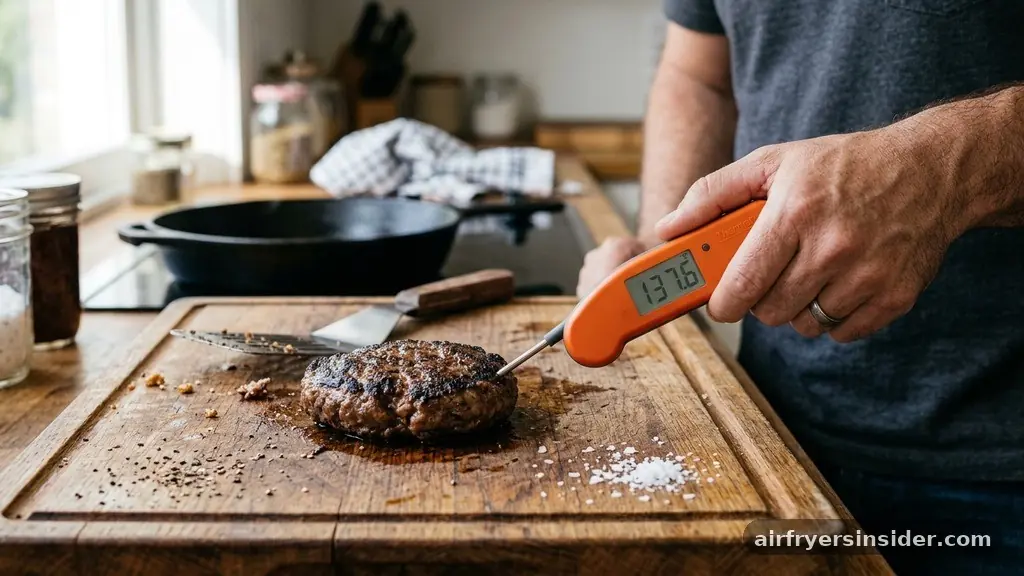
Relying on guesswork when cooking ground beef is never a good idea. Because ground beef is processed, it is prone to bacteria on the interior, unlike a solid steak where the bacteria is primarily on the surface. Following USDA guidelines, you should aim for an internal temperature of at least 160 degrees Fahrenheit to ensure the burger is fully cooked and safe to eat.
Using a digital food thermometer is the only way to be certain. Insert the probe into the thickest part of the patty, ideally through the side, to get an accurate reading of the core temperature. If you are aiming for medium or medium-rare, you should take the burgers out when they are about five degrees below your target temperature, as they will continue to cook slightly during the resting phase.
If you find that your burgers are browning too quickly on the outside but are still raw in the middle, consider lowering the temperature by 25 degrees and extending the cooking time. This allows the heat to penetrate the center of the patty without overcooking the outer layer. It is a simple adjustment that can save a meal from becoming a charred exterior with a cold, unappealing center.
Handling Frozen Patties in the Air Fryer
One of the most convenient aspects of using an air fryer is its ability to handle frozen patties without needing to thaw them first. This makes it an ideal solution for those nights when you realize at the last minute that you haven’t prepared dinner. When cooking from frozen, you simply need to adjust your time and temperature accordingly to account for the icy core.
To cook frozen patties, preheat your air fryer to 370 degrees Fahrenheit. Place the frozen discs directly into the basket, ensuring they aren’t touching.
You will need to add about three to five minutes to the total cooking time compared to fresh patties. It is helpful to cook them for the first five minutes, then flip them to ensure they brown evenly on both sides as they thaw and then sear.
Don’t forget to season the patties once they have thawed slightly during the first few minutes of cooking. If you add salt while they are rock-hard, it may not adhere properly. By waiting until the surface has softened, you can ensure your seasonings stay on the meat, providing that essential boost of flavor that frozen items sometimes lack.
The Art of Flipping and Basting
While air fryers are often marketed as “set it and forget it” devices, flipping your burgers is still a necessary step for the best results. Flipping ensures that both sides of the patty receive equal exposure to the hot air, leading to a more uniform texture and appearance. Generally, flipping halfway through the cooking time is sufficient for most standard-sized burgers.
Basting is an optional but highly recommended step for those looking to elevate their burger game. During the last two minutes of cooking, you can lightly brush the tops of the patties with a bit of melted butter, Worcestershire sauce, or even a specialized BBQ glaze. This adds a layer of moisture and flavor that caramelizes beautifully under the intense heat of the air fryer.
Be mindful that if you use a sugary glaze, it may caramelize very quickly and potentially burn if left too long. Watch the patties closely during the final stages of cooking to ensure the glaze doesn’t turn bitter. The goal is to get a sticky, savory finish that complements the natural, meaty flavor of the ground beef without masking it entirely.
Addressing Topical Gaps: Common Pitfalls
Many beginners struggle with the “grease splatter” issue, even in an air fryer. If you notice smoke coming from your machine, it is almost certainly because fat has dripped onto the heating element. To mitigate this, ensure your air fryer is clean before you start.
Old grease from previous meals can easily ignite when exposed to high heat. Additionally, you can add a tablespoon of water to the bottom tray to prevent the dripping fat from smoking.
Another common question involves the use of a broiler tray. While many air fryers come with a grill-style accessory, you don’t strictly need one to make a great burger.
However, using a tray that elevates the meat allows for better air circulation underneath the patty, which creates a better crust on the bottom side. If your model doesn’t come with one, you can purchase universal silicone or metal trivets that fit inside the basket.
Finally, do not underestimate the importance of resting time. Once you remove your burgers from the air fryer, let them sit on a plate for three to five minutes before serving. This allows the meat juices to redistribute throughout the patty.
If you cut into the burger immediately, all that flavorful liquid will run out onto your plate, leaving the meat dry. Resting is the final, crucial step to a perfect bite.
Frequently Asked Questions
Can you cook raw hamburger in an air fryer?
Yes, you can absolutely cook raw hamburger in an air fryer. It is a very effective method that provides a consistent, juicy result similar to grilling. Just ensure you monitor the internal temperature with a food thermometer to guarantee the meat is cooked to your preferred level of safety.
Are burgers better in the air fryer or pan?
It depends on your priorities. An air fryer is better for convenience, reduced grease, and consistent results without constant monitoring. A pan or skillet is superior if you want a heavy, deep-crust sear that only direct contact with a hot cast-iron surface can provide. Both methods produce delicious results.
How long to cook burgers in an air fryer at 400 degrees?
At 400 degrees Fahrenheit, most fresh, one-inch thick burger patties take approximately 8 to 10 minutes to reach a medium-well internal temperature. Always flip the patties halfway through the cooking process and verify the final doneness using a food thermometer to ensure they reach a safe 160 degrees Fahrenheit.
Do burgers need to be flipped in an air fryer?
Yes, flipping is recommended for the best results. While the air circulates around the food, flipping helps ensure that the top and bottom of the patty are exposed to the most intense heat, resulting in a more even crust and preventing the bottom from becoming soggy or undercooked.
Conclusion
Cooking a burger in an air fryer is a reliable way to get a great meal on the table with minimal effort. By focusing on consistent patty thickness, preheating your appliance, and using a thermometer to track the internal temperature, you can achieve results that rival a traditional grill. The key is to manage the airflow by not overcrowding the basket and to allow the meat to rest so the juices stay inside where they belong.
Whether you are cooking for a quick weeknight dinner or feeding a group, this method offers a clean, efficient approach to a classic favorite. Now that you have the techniques down, try experimenting with different seasonings or glazes to customize your next batch. Enjoy the convenience of your air fryer and the delicious, juicy burgers it creates.


