

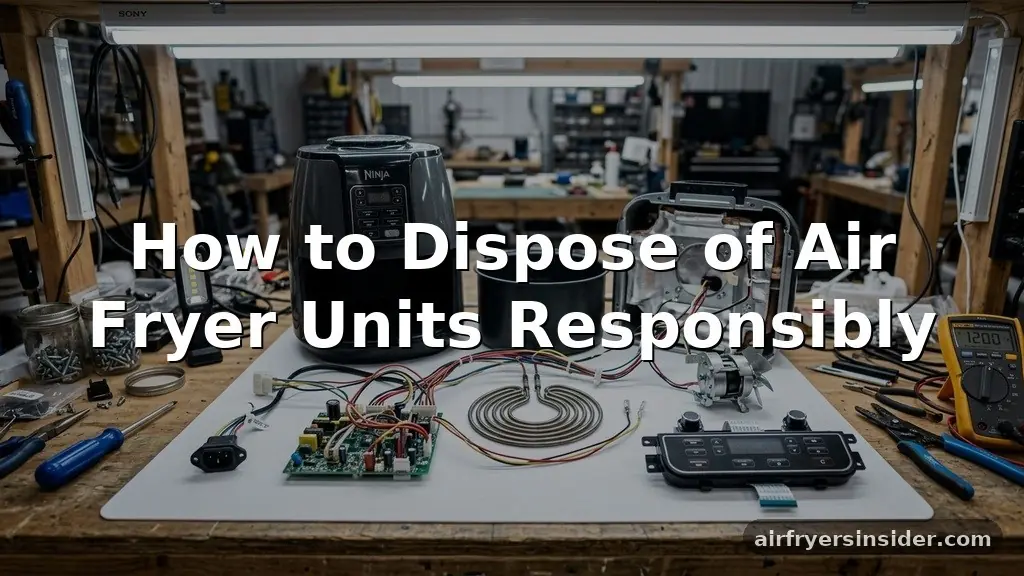
When your kitchen appliance finally stops working, figuring out how to dispose of an air fryer safely becomes a priority. You cannot simply toss these devices into your regular household trash bin because they contain complex electronic components and various materials that require specialized handling.
Understanding the proper disposal methods ensures that you are minimizing your environmental footprint while complying with local waste management regulations. By taking a few extra minutes to research the correct facility, you prevent harmful substances from leaching into the soil and contribute to a more circular economy where valuable components are recovered and reused.
Understanding the Composition of Your Air Fryer
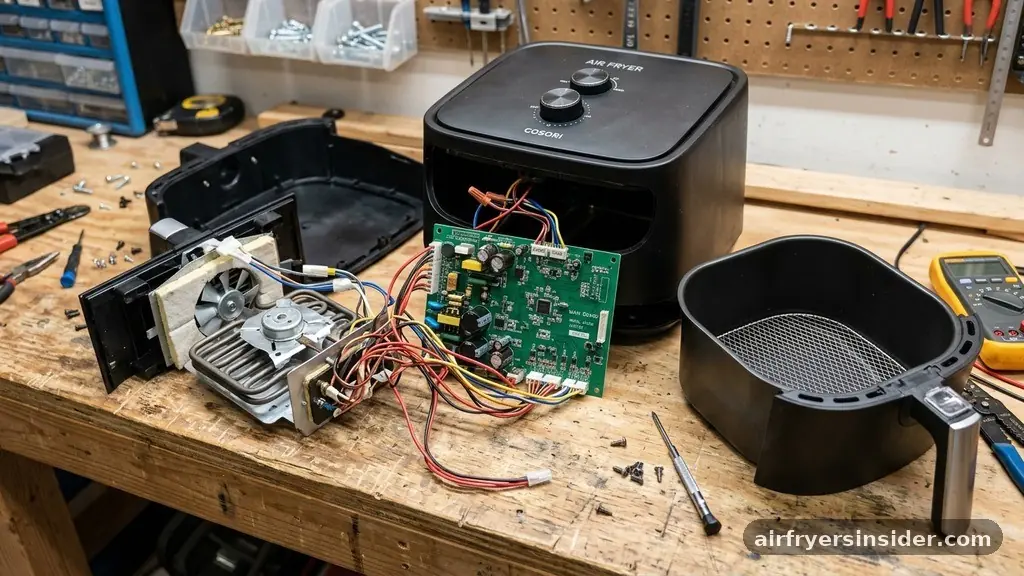
Modern air fryers are sophisticated machines that combine heating elements, fans, and digital control boards. Because they are classified as small kitchen appliances, they contain a mix of materials that make them difficult to process in standard waste streams.
Most units consist of a plastic or metal exterior, internal copper wiring, and integrated circuit boards. These components are valuable when harvested correctly, but they can be problematic if left to sit in a landfill.
The interior of the basket is typically coated in non-stick materials, often referred to as PTFE. While these coatings are safe for cooking when handled correctly, they are not biodegradable and do not belong in conventional recycling bins meant for paper or glass.
Furthermore, the internal wiring contains heavy metals that are classified as hazardous components. When you learn how to dispose of an air fryer, you are effectively learning how to prevent these toxic waste elements from contaminating the environment.
Why You Should Avoid Curbside Trash Bins
Many people mistakenly believe that small appliances can go into their regular curbside collection bins. However, most municipal waste management guidelines explicitly prohibit electronic waste.
Placing an air fryer in your standard trash bin means it will likely end up in a landfill, where it will take hundreds of years to break down. This is not just a waste of raw materials; it is an active hazard to the local ecosystem.
Landfills are not designed to handle the chemicals present in electronic circuit boards. Over time, as the outer casing degrades, these hazardous materials can leach into groundwater systems.
By choosing to divert your appliance from the landfill, you are supporting landfill diversion efforts that keep local water supplies cleaner. Most cities have specific ordinances against throwing electronics in the trash, and you might even face fines in regions with strict environmental enforcement.
Locating Local Electronic Waste Recycling Centers
The most reliable way to handle your broken appliance is to find a dedicated facility nearby. Most counties and cities operate e-waste drop-off sites where residents can leave electronics for free or for a nominal fee. You can usually find these locations by searching for your local sanitation department website or using online directories that list recycling centers in your area.
When you arrive at these centers, they typically categorize items based on their composition. Your air fryer will likely go into a bin designated for small kitchen appliances.
From there, the facility technicians will disassemble the unit to separate the metals, plastics, and circuit boards. This systematic approach ensures that the copper, aluminum, and steel are recovered through scrap metal recycling, which is significantly more energy-efficient than mining for new raw materials.
Utilizing Retail Recycling Programs
If you do not have a public recycling center nearby, many major retailers offer convenient alternatives. Several big-box electronic stores have established retail recycling programs that accept old appliances regardless of where they were originally purchased. These programs are designed to capture hazardous components and ensure they are processed according to the WEEE directive standards.
Before you head to the store, it is best to call ahead or check their website to confirm they accept your specific model. Some locations have size limitations, though most air fryers fall well within the acceptable dimensions. This option is often the most convenient for urban dwellers who may not have access to a vehicle to transport items to a distant municipal facility.
Manufacturer Take-Back Programs
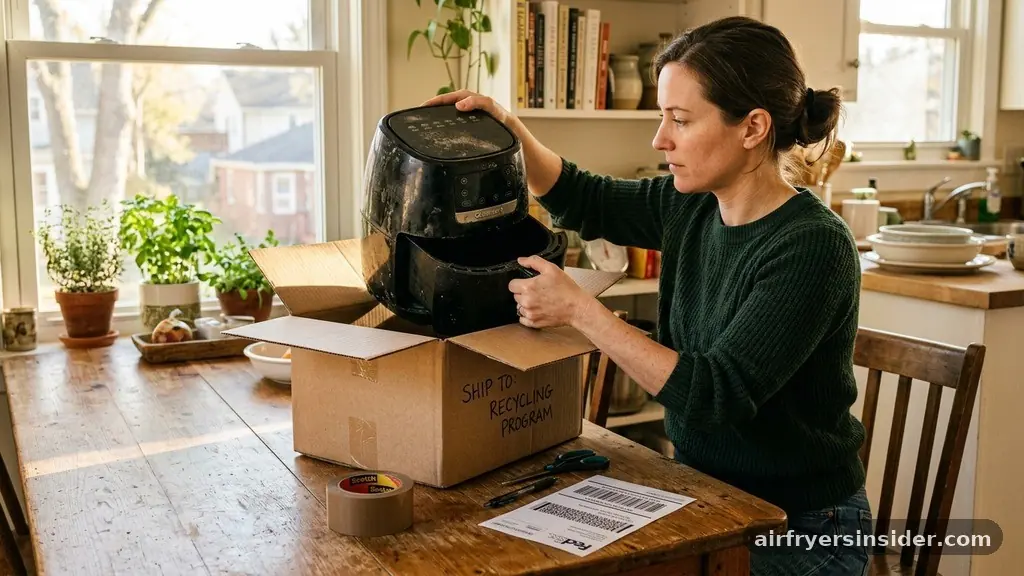
Some manufacturers are taking responsibility for the end-of-life cycle of their products by offering take-back programs. When you purchase a new unit, check the packaging or the company’s website to see if they provide a mail-in option for your old device. This is often the most environmentally friendly method because the manufacturer is already equipped to handle the specific hazardous components used in their own designs.
While this may involve shipping costs, some companies provide prepaid labels to encourage customers to participate in their sustainability initiatives. This direct approach ensures that the item is handled by professionals who understand the intricate construction of the device, maximizing the recovery rate of precious metals and specialized plastics.
Donation Centers and Refurbishment
If your air fryer is still functional but you are simply looking to upgrade, consider donating it to a local charity or thrift store. Many donation centers accept small kitchen appliances, provided they have been cleaned and are in good working order. Giving your device a second life is the ultimate form of recycling, as it extends the product’s lifespan and keeps it out of the waste stream entirely.
Before donating, inspect the unit for any signs of electrical damage or frayed cords. If the device has a history of smoking or overheating, it is not safe to pass on to someone else.
In such cases, recycling is the only responsible path forward. Always verify with the center that they have the capacity to test and resell small electrical items before dropping them off.
Addressing Topical Gaps: Safety and Preparation
One of the most common questions regarding appliance disposal involves the safety of the device itself. Many users worry about whether they need to remove the power cord or wipe the memory of digital air fryers. While most consumer-grade air fryers do not store sensitive personal data, you should always ensure the unit is unplugged and the cord is neatly wrapped or secured.
Preparation Checklist for Disposal
- Unplug the device and allow it to cool completely before handling.
- Clean the basket and interior to remove any food residue or grease.
- Bundle the power cord securely to the unit using a twist-tie or rubber band.
- Remove any loose accessories like racks or trays to keep them grouped with the unit.
- Search online for your local e-waste drop-off location to confirm their operating hours.
If your device has a built-in lithium-ion battery, which is rare but possible in some advanced smart-home models, you must be extra careful. Batteries are considered hazardous materials and should often be removed and recycled separately at a battery-specific kiosk to prevent the risk of fire during the recycling process.
Comparing Disposal Methods
Choosing the right method depends on your location, the state of the appliance, and your available time. The following table provides a quick reference to help you decide which path is best for your specific situation.
| Disposal Method | Best For | Cost | Environmental Impact |
|---|---|---|---|
| Local Recycling Center | Broken, non-working units | Usually Free | High (Professional Processing) |
| Retail Recycling Program | Convenience/Urban residents | Free | High (Standardized recycling) |
| Donation Center | Fully functional units | Free | Highest (Life extension) |
| Manufacturer Take-Back | Specific brands/High-end models | Varies | High (Specialized handling) |
The Importance of Sustainability and Landfill Diversion
Every time you choose to recycle an old appliance, you are participating in a larger movement toward sustainability. Electronic waste is one of the fastest-growing waste streams globally, and it requires a collective effort to manage effectively. When you properly dispose of an air fryer, you contribute to the recovery of materials that would otherwise be lost to a landfill forever.
The process of scrap metal recycling and plastic reclamation reduces the need for raw material extraction. By keeping heavy metals and toxic substances out of the soil, you are protecting your local community’s health. While it may seem like a small action, when multiplied by thousands of households, these habits significantly reduce the burden on our planet’s resources.
FAQ
Can I throw an air fryer in the trash?
No, you should never throw an air fryer into your regular household trash. These appliances contain electronic components and heavy metals that must be processed at a specialized facility to prevent environmental contamination and comply with local waste management laws.
What should I do if my air fryer is broken?
If your unit is broken, locate your nearest electronic waste recycling center. You can search for e-waste drop-off sites in your area or check if a local electronics retailer offers a recycling program. These facilities ensure the appliance is dismantled safely and its materials are recovered.
Does Goodwill or other charities accept used air fryers?
Many donation centers accept air fryers, but only if they are in good working condition and clean. It is best to call your local branch first to confirm they accept small electrical appliances. If the device is damaged or non-functional, do not donate it; choose a recycling option instead.
Are there hazardous materials in an air fryer?
Yes, air fryers contain circuit boards, wiring, and other electronic components that may include heavy metals. These are classified as hazardous components if they end up in a landfill. Proper recycling ensures these materials are handled correctly by professionals who can prevent toxic leakage.
Conclusion
Learning how to dispose of an air fryer properly is a simple yet impactful way to contribute to a healthier planet. By avoiding the temptation to toss your old device in the trash, you ensure that valuable materials are reclaimed and that hazardous components are handled with the necessary care. Whether you choose to drop off your unit at a local recycling center, participate in a retail take-back program, or donate a functional machine to those in need, your proactive approach makes a real difference.
We encourage you to take the time to look up your local regulations today and ensure your old kitchen tech finds its way to the right place. Taking these small steps helps build a more sustainable future for everyone, one appliance at a time.
Meta Description: Learn the correct way to dispose of an air fryer. Discover tips on recycling, donation, and how to avoid harmful electronic waste in your community.


