

Figuring out if you can pop popcorn in an air fryer is a common point of curiosity for home cooks looking to streamline their kitchen routine. While air fryers are masters of crisping vegetables and reheating leftovers, they operate differently than a dedicated stove or microwave.
The truth is that while it is technically possible to achieve a snack, the mechanics of the machine create unique challenges that often lead to more mess than convenience. If you are determined to try it, understanding how the airflow interacts with the kernels is essential to avoid potential damage to your appliance.
The Mechanics of Air Frying Popcorn
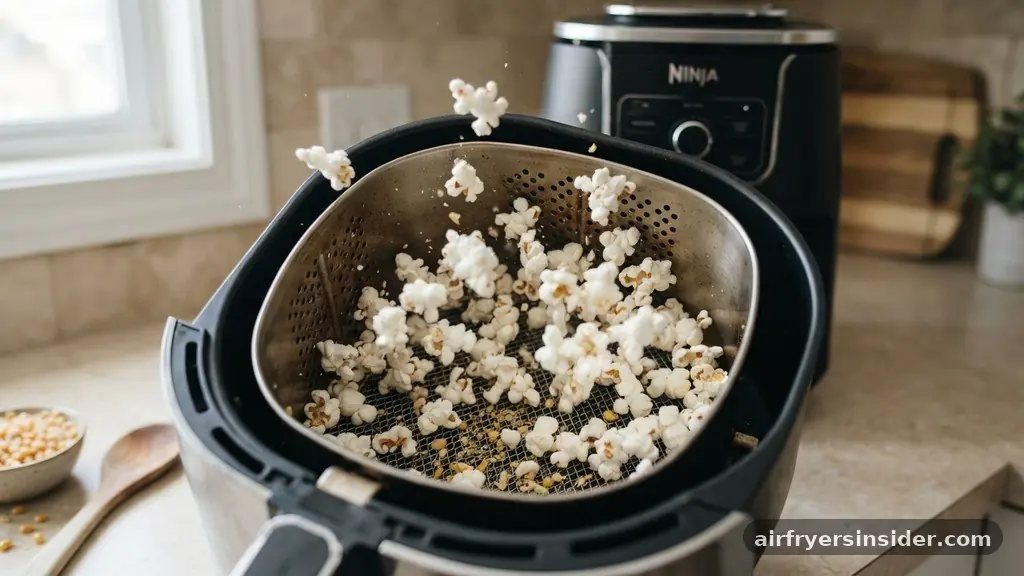
When you consider whether you can pop popcorn in an air fryer, you must first understand how the appliance functions. An air fryer is essentially a compact convection oven. It uses a powerful heating element located at the top of the unit and a high-speed convection fan to circulate hot air.
This rapid airflow is designed to surround food, dehydrating the surface to create a crispy texture. However, popcorn kernels are lightweight and prone to being picked up by that very same fan.
The primary issue is the physical movement of the kernels. As the air circulates, it can lift the light, unpopped kernels and blow them directly into the heating element.
This creates two immediate problems: the kernels can burn, producing smoke, or they can get lodged in the fan assembly, which can cause mechanical failure or a fire hazard. Unlike a dedicated popcorn popper, which is specifically engineered to keep kernels contained in a controlled space, the air fryer basket is designed for wider items that stay put.
Safety Concerns and Kitchen Hazards
Safety should always be the priority when experimenting with appliance usage. Many manufacturers explicitly warn against using loose, lightweight ingredients that could be sucked into the internal components.
The heating element is extremely hot, and if a kernel makes contact with it, the high intensity of the heat can cause the kernel to scorch before it even has a chance to pop. This leads to an acrid, burnt smell that permeates your kitchen and can linger in your air fryer for several cycles.
Beyond the risk of burning, there is the matter of appliance maintenance. If debris or kernels get past the basket and into the fan housing, it can obstruct the motor, leading to overheating or a total breakdown of the device.
Even if you manage to avoid a fire, you might be left with a machine that no longer functions correctly. Always check your specific manual before attempting tasks that aren’t listed as intended uses, as some manufacturers void the warranty if the unit is used in ways that cause internal damage.
Techniques for Containing Kernels
If you are determined to proceed, you need a strategy to keep the kernels contained within the basket. Many enthusiasts attempt to use a barrier, such as parchment paper or aluminum foil, to line the basket.
While this creates a physical floor, it also restricts the very air circulation that makes the air fryer effective. If the air cannot pass through the basket, the kernels won’t heat evenly, and you will likely end up with a high number of unpopped kernels at the bottom of your makeshift tray.
Another approach involves using a specialized silicone insert or a metal lid that fits tightly over the basket. The goal here is to allow heat to penetrate while preventing the kernels from becoming airborne. However, these accessories are rarely designed for the extreme heat required for popping corn.
If you use a lid, ensure it is heat-safe and heavy enough to stay in place despite the force of the fan. If the lid is too light, the fan will simply lift it, rendering the containment ineffective and potentially causing damage to the top of the unit.
Optimizing the Popping Ratio
The popping ratio in an air fryer is notoriously low compared to the stovetop method or a traditional air popper. Because the heat source is directional and the airflow is aggressive, the kernels often heat unevenly.
You might find that the kernels on the outside of the pile burn, while the kernels in the center remain completely raw. Achieving a consistent result requires finding the perfect balance between the volume of kernels and the power of the fan.
To improve your odds, use only a single layer of kernels. Piling them up creates a dense mass that the air cannot penetrate, meaning the bottom layer will be cold while the top layer is overcooked. Furthermore, do not add oil directly to the basket before popping.
Oil can drip down into the base of the unit, creating a smoke hazard. If you want to use oil or butter, it is much safer to apply it after the popcorn has been popped in a separate bowl.
Understanding Temperature and Timing
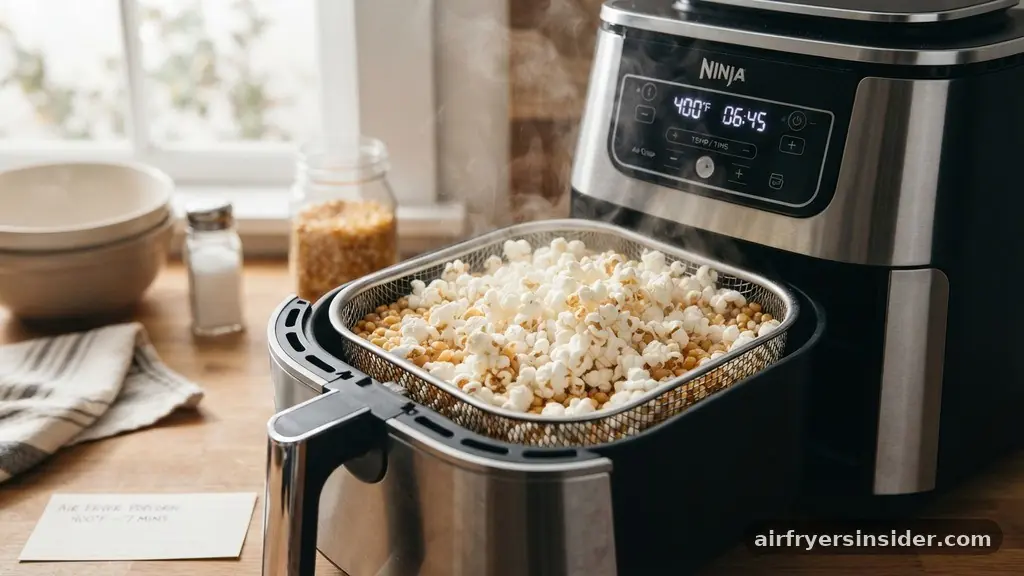
The ideal air frying temperature for popping corn is usually at the highest setting, typically between 390°F and 400°F. Since the goal is to reach the internal temperature required for the moisture inside the kernel to turn to steam, high heat is necessary.
However, because air fryers are so efficient at moving air, the cooking time is much shorter than you might expect. You are looking at a window of just a few minutes before the kernels reach the point of burning.
If you don’t hear popping within the first three to four minutes, it is unlikely that the machine will reach the necessary temperature to finish the job. At this stage, it is safer to stop the process, remove the basket, and inspect the kernels. If they are just sitting there, turning off the machine and moving to a stovetop or microwave is the most logical step to save your snack and protect your appliance from unnecessary wear and tear.
Addressing Topical Gaps: Why It Often Fails
Many people ask why their popcorn won’t pop in an air fryer even when they follow instructions. The reason usually lies in the difference between forced air and radiant heat. In a traditional popper, the kernels are held in a concentrated heat zone.
In an air fryer, the air is constantly moving, which actually cools the surface of the kernel as it tries to heat up. This constant cooling effect makes it extremely difficult for the kernel to reach the internal pressure needed to explode.
Additionally, the moisture content of the kernels plays a huge role. If your kernels are slightly old or dry, they won’t pop well in any environment, but the air fryer’s drying effect makes this problem even worse.
To get the best results, ensure your kernels are fresh and have been stored in an airtight container. If the kernels have lost too much moisture, no amount of heat will make them pop, and they will simply turn into hard, tooth-breaking rocks that are dangerous to eat.
Enhancing the Flavor After Popping
Since you cannot safely add seasonings like salt or nutritional yeast during the popping process in an air fryer, your focus should be on the post-pop seasoning. Once you have successfully popped a batch, transfer the popcorn to a large mixing bowl immediately.
This is the time to add your fat of choice, such as melted butter or coconut oil. Using a spray bottle for the oil can help it coat the kernels more evenly without making them soggy.
Once the kernels are coated, you can sprinkle your favorite seasonings. Nutritional yeast is a popular choice for a savory, nutty flavor, while classic fine-grain sea salt works best because it adheres to the popcorn better than coarse salt.
If you enjoy a bit of spice, a dash of smoked paprika or chili powder can elevate your snack. Because the air fryer process is so labor-intensive, taking the time to season your popcorn well makes the effort feel more rewarding.
Comparison of Popcorn Preparation Methods
Choosing the right tool for the job is key to consistent snacks. The following table compares common methods for preparing popcorn, highlighting why the air fryer is often the least efficient choice.
| Method | Efficiency | Cleanup | Risk Level |
|---|---|---|---|
| Stovetop | High | Moderate | Low |
| Microwave | High | Low | Low |
| Air Popper | Very High | Low | Negligible |
| Air Fryer | Low | High | High |
Appliance Maintenance and Longevity
If you decide to experiment with this method, you must be diligent about cleaning your air fryer afterward. Even if you don’t see smoke, the oils and small bits of chaff from the popcorn can settle into the heating element and the fan.
Over time, this residue builds up and can cause the air fryer to smoke during regular use, such as when cooking chicken or vegetables. Always wait for the unit to cool completely before wiping down the interior with a damp cloth.
If you notice any unusual noises coming from the fan after trying to pop corn, it is a strong indicator that a kernel or shell has made its way into the housing. Do not ignore these sounds.
If the obstruction is not removed, it can damage the motor, which is often the most expensive component to repair. For the sake of your appliance’s lifespan, it is generally better to reserve the air fryer for foods that are solid, stable, and less likely to become airborne during the cooking cycle.
Frequently Asked Questions
Is it safe to put popcorn in the air fryer?
It is generally not recommended because lightweight kernels can be sucked into the heating element or fan. This poses a fire hazard and can cause significant mechanical damage to your appliance if debris becomes lodged in the internal components.
Why won’t my popcorn pop in the air fryer?
The constant, rapid airflow of an air fryer cools the surface of the kernels, preventing them from reaching the necessary internal temperature to pop. Additionally, the air fryer is designed to dehydrate food, which can further inhibit the popping process.
Can you pop popcorn in an air fryer without oil?
While you can technically try to pop kernels without oil, the results are usually poor. Without oil to conduct heat directly to the kernel, the air circulation simply dries them out. It is far safer and more effective to use a dedicated popcorn popper.
How long does it take to cook popcorn in an air fryer?
If it works at all, it usually takes between three and five minutes at a high temperature. However, if you do not hear consistent popping within the first few minutes, you should stop the machine to avoid burning the kernels or damaging the heating element.
Conclusion
While the curiosity regarding whether you can pop popcorn in an air fryer is understandable, the practical reality is that it is an inefficient and potentially risky endeavor. Most home cooks find that the effort required to contain the kernels and the risk of damaging the appliance outweigh the benefits of a quick snack. Sticking to traditional methods like the stovetop, microwave, or a dedicated air popper ensures you get consistent, fluffy results without the headache of cleaning out your convection fan.
If you do choose to experiment, always prioritize safety by keeping your batches small and ensuring your kernels are fresh. It is always better to protect your investment in your kitchen appliances than to force a method that wasn’t designed for the task.
For the best snack preparation, stick to the tools that were built for the job and keep your air fryer for the tasks it performs best. Happy snacking, and don’t hesitate to reach out if you have more questions about kitchen hacks.
Meta Description: Curious if you can pop popcorn in an air fryer? Discover why this method is often risky, how it affects your appliance, and the best ways to get results.


