


Deciding whether you can put a plate in an air fryer is a common dilemma when you want to reheat leftovers or cook a small portion of food directly on a heat-safe surface. While air fryers are essentially high-powered convection ovens, the compact size and intense airflow create a unique environment that isn’t always compatible with standard dinnerware.
Before you place your favorite dish inside, it is crucial to understand the material properties of your cookware and how it reacts to rapid temperature changes. Using the wrong item could lead to breakage or even safety hazards in your kitchen.
Understanding Material Suitability for Air Fryer Use
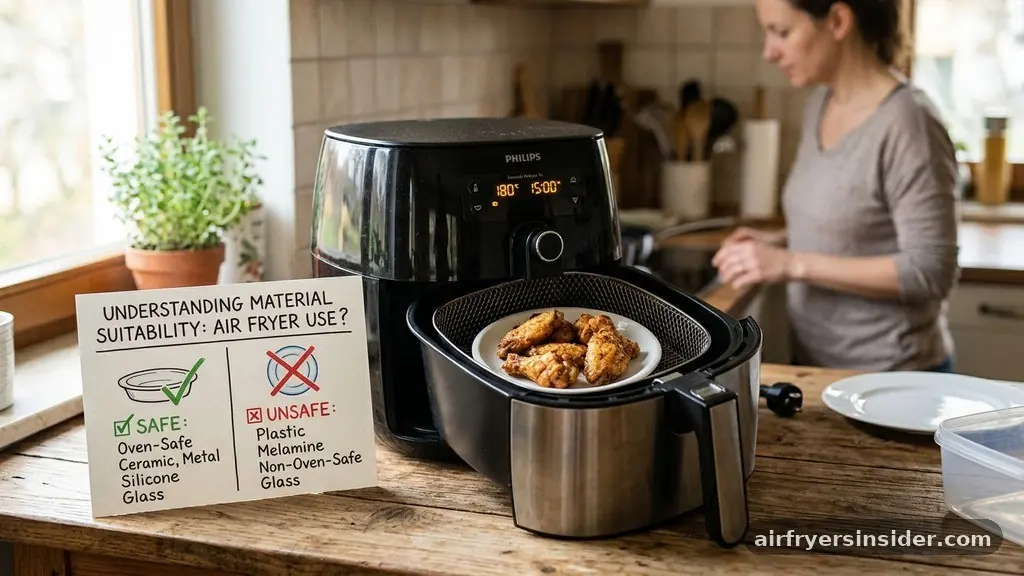
Not all materials are created equal when it comes to high-heat environments. When you ask if you can put a plate in an air fryer, the answer depends almost entirely on the material composition of the dish. Ceramic and stoneware are popular choices for kitchen use, but they react differently to the intense, forced air circulation found in modern air fryers.
Many people assume that if a dish is microwave-safe, it is automatically safe for air frying, but this is a dangerous misconception. Microwaves heat food by vibrating water molecules, whereas air fryers use a heating element and a powerful fan to circulate hot air, which is a much more aggressive heating method.
Ceramic plates, especially those that are glazed, can be prone to cracking if they are not specifically labeled as oven-safe. The rapid temperature fluctuations inside an air fryer can cause the glaze to expand and contract at a different rate than the clay body, leading to hairline fractures or even a complete shatter. Porcelain, while denser and often stronger than standard ceramic, still carries risk.
If you choose to use these materials, ensure they are thick, high-quality, and explicitly marked as oven-safe. If you cannot find a marking on the bottom of the plate, it is safer to assume it is not designed to withstand the sustained high temperatures of an air fryer.
The Risks of Thermal Shock in Glass and Ceramic
Thermal shock is the primary reason why some dishes fail when placed inside an air fryer. This phenomenon occurs when a material experiences a rapid change in temperature, causing different parts of the object to expand or contract at uneven rates.
Because an air fryer reaches its target temperature very quickly—often within a few minutes—the stress placed on a ceramic or glass plate is immediate and intense. If the plate is cold from a cabinet or has been in the refrigerator, the shock of entering a 400-degree environment can cause it to break instantly.
Borosilicate glass, such as certain types of Pyrex, is engineered to be more resistant to thermal shock than standard soda-lime glass. However, even borosilicate glass has limits. If you must use a glass vessel, ensure it is specifically labeled for oven use.
Never place a cold glass or ceramic plate directly from the refrigerator into a preheated air fryer. Allow the dish to reach room temperature first to minimize the risk of a sudden failure. If you hear a cracking sound or notice any chips or cracks in your cookware, discard the item immediately, as these weak points will only expand under the intense heat and pressure of the convection fan.
Evaluating Oven-Safe Labels and Manufacturer Guidelines
Before you place any item inside the air fryer basket, you must consult the manufacturer instructions for both the appliance and the dish. Most air fryer manufacturers provide clear guidelines regarding the use of containers. Generally, they recommend using accessories specifically designed for the machine, such as silicone molds, metal pans, or parchment paper liners.
If you are determined to use a plate, look for a stamp on the bottom of the dish that says “oven-safe.” This is the most reliable indicator that the item has been tempered to handle high heat without degrading or shattering.
It is important to remember that “microwave-safe” is not a synonym for “oven-safe.” Many microwave-safe plates are made of materials that will melt, warp, or crack in an oven or air fryer. Always prioritize safety by choosing cookware specifically labeled for convection cooking.
If you are unsure about the safety of a particular plate, it is best to avoid using it altogether. Investing in a set of small, oven-safe ramekins or a dedicated air fryer baking pan is a much smarter choice than risking your dinnerware and potentially damaging the heating element or fan of your air fryer.
Air Circulation and Heat Distribution Patterns
The efficiency of an air fryer relies on the movement of hot air around the food. When you place a plate inside the basket, you are essentially creating a barrier that interrupts this airflow. If the plate is too large, it will block the circulation, leading to uneven cooking and cold spots in your meal.
Ideally, there should be at least an inch of space between the edges of your plate and the walls of the air fryer basket to allow the air to circulate properly. If the airflow is obstructed, the food on the plate may remain undercooked while the top becomes burnt or dry.
Furthermore, plates do not conduct heat as efficiently as metal pans. While a metal tray will heat up and help cook the bottom of your food, a ceramic or glass plate acts as an insulator. This means that the bottom of your food will likely remain soft or soggy, losing the signature crispness that air fryers are known for.
If you are using a plate to reheat pizza or a sandwich, expect the bottom to be less crispy than if you had placed the item directly on the basket rack or a perforated metal tray. Adjusting your cooking time or flipping the food halfway through can help mitigate these issues, but you will rarely achieve the same results as using a proper metal accessory.
Comparing Common Cookware Materials for Air Frying
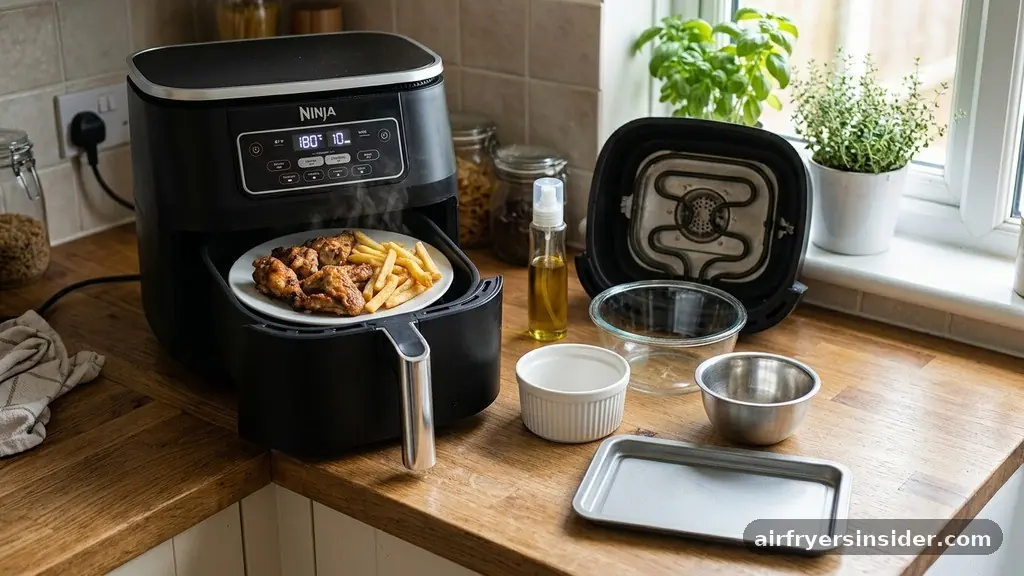
To help you decide what is suitable, the following table compares common materials based on their general performance and safety profile in an air fryer.
| Material | Oven-Safe? | Thermal Shock Risk | Best Use in Air Fryer |
|---|---|---|---|
| Stainless Steel | Yes | Very Low | Excellent for baking or roasting |
| Borosilicate Glass | Yes (if labeled) | Moderate | Limited reheating |
| Ceramic | Varies | High | Only if explicitly oven-safe |
| Standard Glass | No | Extremely High | Never use |
| Silicone | Yes (usually) | Low | Muffin cups or liners |
Managing Internal Temperature and Safety Precautions
When using an oven-safe plate in your air fryer, you must be mindful of the internal temperature of the food and the plate itself. Because the plate retains heat, it can continue to cook the bottom of your food even after you have removed it from the machine. Always use oven mitts when handling the dish, as it will be significantly hotter than the surrounding air.
Do not place a hot plate directly onto a cold countertop, as this sudden temperature drop can also trigger a thermal shock incident. Use a heat-resistant trivet or a wooden cutting board to protect your surfaces.
If you are cooking meat or other perishable foods on a plate, ensure that the food reaches its proper internal temperature to guarantee safety. Because the plate might slow down the cooking process, use a food-grade digital thermometer to check the center of your meal. Never guess if the food is done.
By monitoring the internal temperature, you can be confident that your meal is safe to eat despite the unconventional cooking method. Always keep the air fryer basket free of loose parchment paper or light items that could get sucked into the fan, as these can pose a fire hazard.
Addressing Common Misconceptions About Air Fryer Accessories
Many users believe that using a plate is a convenient way to keep the air fryer clean, but this approach often backfires. While it might prevent grease from dripping to the bottom of the unit, it can also lead to smoke if food juices spill over the edge of the plate and hit the heating element.
Additionally, if you use a plate that is too heavy, you might strain the air fryer basket mechanism over time. There are far better alternatives available, such as perforated silicone mats or stainless steel racks, which are specifically designed to be used in these appliances.
Another common myth is that you can use a microwave-safe bowl to cook soups or stews in an air fryer. Air fryers are not designed for liquids. Attempting to cook soup in a bowl inside an air fryer will result in a mess, as the high-speed fan will likely cause the liquid to splash out, potentially damaging the internal components of the machine.
Only use plates or dishes for solid foods that require reheating or baking. If you need to cook liquids, use a traditional oven or a stovetop, as the air fryer’s convection mechanism is not suitable for that type of cooking.
Topical Gaps: What Most Guides Miss
Many articles fail to mention that the placement of the plate inside the basket is just as important as the material itself. If you place a plate in the basket, you should ideally use a trivet or a small rack beneath it. This elevation allows air to flow underneath the plate, helping to heat the food more evenly and reducing the risk of the plate cracking due to direct contact with the metal basket floor.
Furthermore, most guides overlook the importance of the plate’s shape. A flat, low-profile plate is significantly better than a deep bowl, as the high walls of a bowl will block airflow, creating a “dead zone” where the food will not cook effectively.
Another gap in current information is the impact of dish thickness. A thin, delicate porcelain plate is much more likely to shatter than a thick, heavy-duty stoneware dish. When choosing a plate, look for weight and density.
Heavier materials generally handle heat retention better and are less prone to the rapid expansion that causes breakage. Finally, always inspect the bottom of your dishes for any manufacturer markings.
If a plate has been repaired with glue or has any metal trim—such as gold or silver leafing—it must never go into an air fryer. Metal trim can cause arcing, similar to what happens in a microwave, which can damage your appliance’s electronics.
Essential Tips for Safe Air Fryer Usage
To maintain the longevity of your air fryer and ensure your safety, follow these best practices for using heat-resistant containers:
- Always verify that your dish is marked as oven-safe, not just microwave-safe.
- Ensure there is at least one inch of clearance around the dish for proper air circulation.
- Avoid using dishes with metal rims, as these can cause sparks and damage the appliance.
- Never place a cold dish directly into a preheated air fryer; let it warm up gradually.
- Use a trivet or rack to elevate the dish, allowing air to circulate underneath.
- Check the dish for any existing chips or cracks before every use; discard if damaged.
- Use heat-resistant tongs or oven mitts when removing the dish, as it will be extremely hot.
- Prioritize dedicated air fryer accessories like silicone liners or metal pans over standard dinnerware.
Final Thoughts on Choosing the Right Cookware
Deciding whether you can put a plate in an air fryer requires a balance of convenience and caution. While it is technically possible to use certain oven-safe dishes, the risks associated with thermal shock and restricted airflow make it a practice that should be handled with care. Always prioritize safety by checking for oven-safe labels and ensuring your cookware is free of defects.
By following these guidelines, you can safely reheat your food or experiment with small-batch cooking without compromising your safety or the integrity of your appliance. When in doubt, it is always better to use a dedicated air fryer accessory or simply transfer your food to a standard oven to ensure the best results and the highest level of kitchen safety. We hope this information helps you make better decisions in the kitchen and keeps your cooking routine both efficient and safe.


