

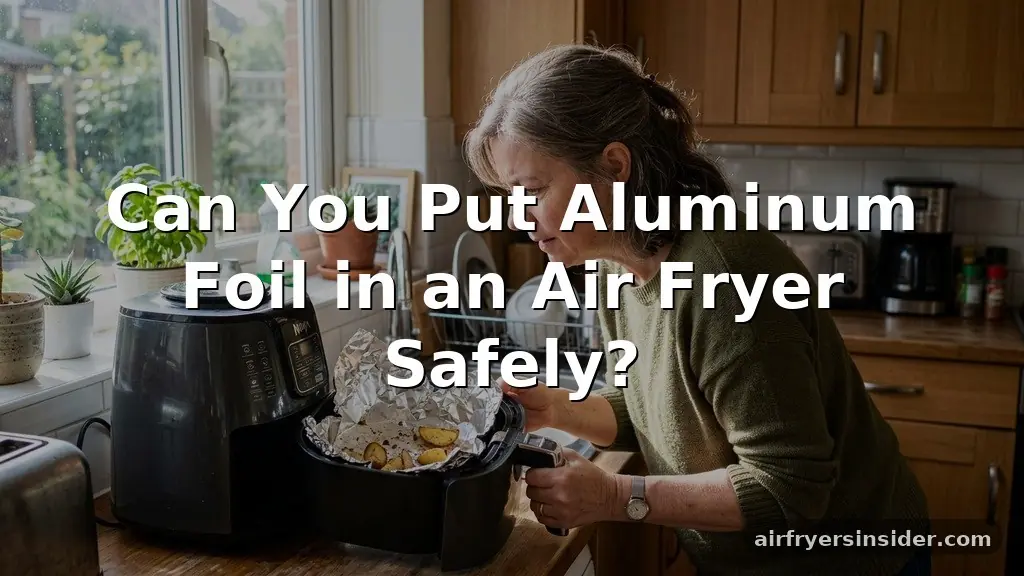
Determining whether you can put aluminum foil in an air fryer is a common concern for home cooks looking to simplify cleanup and improve their cooking results. While the short answer is yes, doing so requires careful attention to how the material interacts with your machine’s internal mechanics.
Because an air fryer relies on powerful fans to circulate heat, improper use of liners can disrupt the cooking process or even pose a fire hazard. By understanding the relationship between airflow, heat distribution, and your specific appliance model, you can safely leverage foil to keep your basket clean and your meals perfectly crispy without compromising safety.
Understanding Airflow and Convection Cooking
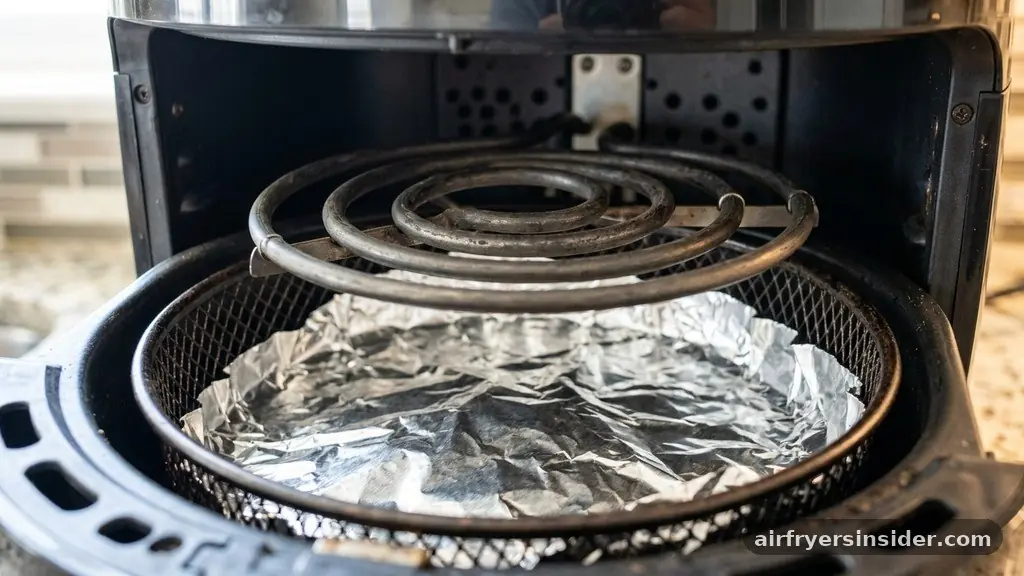
To grasp why foil usage is a nuanced topic, you must first understand how an air fryer operates. Unlike a traditional oven that uses radiant heat, an air fryer utilizes high-speed fans to create a vortex of hot air that surrounds the food.
This process, known as convection cooking, relies on the constant movement of air to crisp the exterior of your ingredients. When you place a sheet of metal inside the basket, you are effectively introducing a physical barrier that can interfere with this delicate balance.
If the foil is not weighted down by food, the powerful fans can lift the edges, causing the material to flutter. In some cases, this loose foil can be sucked up toward the heating element, which is located at the top of the unit.
Contact with the heating element is a primary cause of appliance damage and potential electrical fires. Therefore, the cardinal rule of using foil is to ensure it is always pinned down by the weight of your food, preventing any movement during the cooking cycle.
The Impact of Airflow Restriction on Food Quality
Beyond safety concerns, airflow restriction is the biggest drawback to using liners. When you cover the holes or the mesh floor of your basket with a solid sheet of foil, you prevent the air from circulating beneath your food.
This often leads to uneven cooking, where the top of your dish might be golden brown while the bottom remains soggy or undercooked. Because the thermal conductivity of aluminum is high, the foil itself gets hot, but it does not allow the hot air to pass through the food items as intended.
To mitigate this, you should avoid lining the entire surface area of the basket. Instead, create a small “bowl” or a footprint that only covers the area directly beneath the food.
By leaving the sides of the basket open, you allow the air to continue its path around the edges, maintaining the efficiency of the hot air convection process. Many users find that folding the edges of the foil upward—creating a shallow tray—helps contain juices and marinades, which is particularly useful for messy meals like chicken wings or marinated vegetables.
Safety Considerations and Reactive Metals
When considering aluminum foil safety, one must account for the chemical nature of the material. Aluminum is a reactive metal, meaning it can leach into your food under certain conditions.
This is especially true when cooking acidic foods such as those seasoned with lemon juice, tomato sauce, or vinegar. The acid can break down the surface of the foil, leading to metallic tastes or small traces of aluminum leaching into the meal.
While the health risks associated with occasional foil usage are generally considered low, it is best practice to avoid using it with highly acidic ingredients. If you are preparing a dish with a citrus-based marinade or a tomato-rich sauce, consider using a silicone mat or parchment paper instead. These alternatives are generally inert and do not react with the food, ensuring that the flavor profile remains pure and the integrity of the ingredients is maintained.
Comparing Alternatives for Basket Maintenance
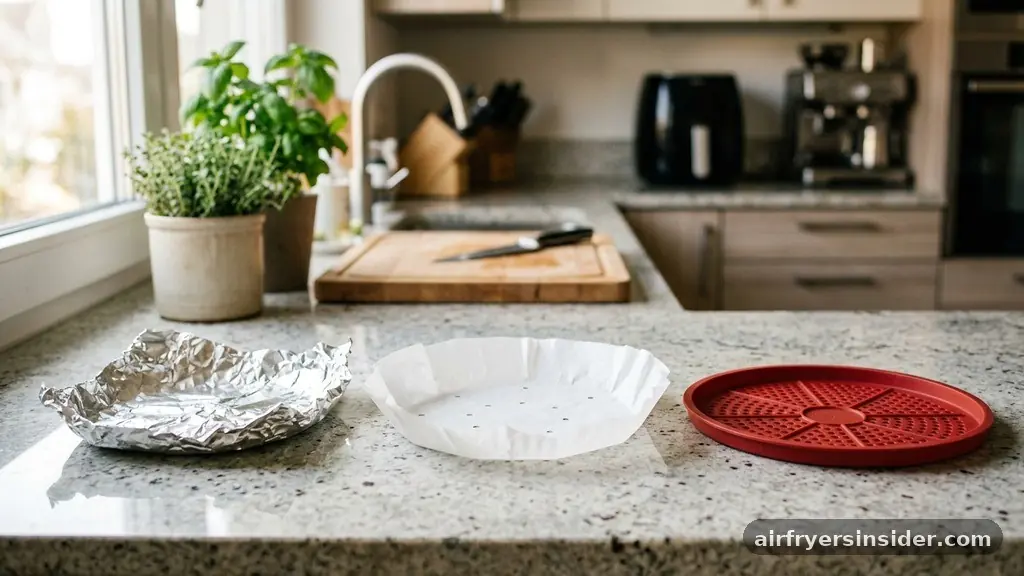
Choosing the right liner depends on what you are cooking and how much cleanup you want to avoid. While foil is convenient for heavy-duty messes, other options may provide better results for delicate items. The table below compares the most common lining materials used in home kitchens to help you decide which is best for your specific needs.
| Material | Pros | Cons |
|---|---|---|
| Aluminum Foil | Excellent for grease, easy cleanup | Blocks airflow, potential for fire |
| Parchment Paper | Non-stick, allows some airflow | Can burn if not weighted down |
| Silicone Mat | Reusable, eco-friendly, heat-resistant | Can trap moisture, requires washing |
| Perforated Liners | Designed for air circulation | Not suitable for liquid-heavy foods |
Each of these materials has a specific role in kitchen appliance maintenance. If you are cooking something that releases a lot of fat, like bacon or sausages, foil is often the most effective way to prevent grease buildup on the bottom of the basket. However, for items that need consistent crisping, such as frozen fries or breaded snacks, perforated liners are superior because they are designed specifically to maintain airflow.
Best Practices for Specific Air Fryer Models
Different brands have slightly different internal designs, which changes how you should approach lining the basket. Owners of a Ninja air fryer often find that the basket design is conducive to custom-cut foil shapes, provided the unit is not overloaded. Because Ninja units often have very powerful fans, you must be extra diligent about ensuring the foil is firmly pressed against the bottom.
In contrast, a Cosori air fryer or a Philips air fryer may have different rack configurations. Some models include a removable crisper plate that elevates the food. If your unit has this feature, you should place your foil or parchment paper on top of the plate rather than underneath it.
Placing foil under the crisper plate is largely ineffective because it blocks the air intake from below, effectively turning your high-speed convection cooker into a standard, less efficient oven. Always consult your specific manufacturer’s manual, as some companies explicitly advise against the use of any liners to prevent internal damage.
Addressing Topical Gaps: Why Not Just Use Parchment?
A common question is why one would choose foil over cooking parchment. While parchment is popular, it is not always the right tool for the job.
Parchment paper is excellent for baking or preventing sticking, but it has a lower smoke point than aluminum foil. If you are cooking at temperatures exceeding 400°F (200°C), parchment can become brittle and may even scorch or ignite if it touches the heating element.
Foil, on the other hand, is highly heat resistant and will not burn at standard air frying temperatures. This makes it the safer choice for high-heat searing or cooking fatty foods that require longer durations.
However, the trade-off is the loss of airflow. The key is knowing which tool matches your goal: use parchment for delicate items like cookies or fish, and reach for foil when you need to contain high-fat liquids or heavy drippings that would otherwise create a massive cleanup headache.
Cleaning and Maintenance Tips
Regularly using foil can actually help extend the life of your air fryer basket. The non-stick coating on many air fryer baskets is sensitive; scrubbing it with abrasive brushes or harsh cleaners will eventually wear it down, causing food to stick more frequently. By using a foil liner, you eliminate the need to scrub the basket vigorously, preserving the integrity of the coating for a longer period.
When you do use foil, be sure to let the basket cool completely before removing the liner. The foil will retain heat long after the food is served, and attempting to remove it while hot can lead to accidental burns. Once cool, carefully lift the edges to ensure no grease spills out.
If you notice any residue on the basket itself, wipe it down with a soft sponge and mild dish soap. Proper maintenance ensures that your appliance remains a reliable tool in your culinary arsenal for years to come.
Common Mistakes to Avoid
Even experienced cooks make mistakes when using liners. One of the most frequent errors is using foil as a “lid” for the food. While this might seem like a good way to keep moisture in, it essentially turns your air fryer into a steamer.
This will result in limp, unappealing food. If you find your food is drying out, consider reducing the temperature or shortening the cook time rather than covering the food with foil.
Another mistake is using too much foil. Many people try to wrap the food completely, but this defeats the purpose of the air fryer. The goal is to facilitate air circulation, not to trap it.
Keep your foil usage minimal, covering only the base of the basket. Finally, never preheat your air fryer with an empty piece of foil inside.
Without the weight of the food to hold it down, the fan will immediately blow the foil into the heating element, creating an immediate fire hazard. Always add the foil only after you have your food prepared and ready to place in the basket.
Frequently Asked Questions
Can you put aluminum foil in an air fryer with every type of food?
No, you should avoid using foil with highly acidic ingredients like lemon juice or tomato-based sauces. The acid can cause the foil to break down and leach metallic particles into your food. Always stick to neutral ingredients when using foil liners for safety and flavor reasons.
Does using foil in an air fryer stop the food from getting crispy?
It can, if you cover the entire bottom of the basket. Foil blocks airflow, which is essential for crisping. To maintain crispiness, ensure the foil only covers the area directly beneath the food, leaving the sides open for the hot air to circulate freely around your ingredients.
Is it safer to use parchment paper than aluminum foil?
Both are generally safe if used correctly, but they serve different purposes. Parchment paper is better for delicate foods but has a lower temperature tolerance. Aluminum foil is more durable and heat-resistant, making it better for fatty foods that might melt through or cause a mess.
Can I put foil in my air fryer if the manual says not to?
You should always follow your manufacturer’s specific guidelines. If the manual explicitly prohibits the use of foil or liners, do not use them. These recommendations are based on the specific airflow design and safety testing of your appliance, and ignoring them could void your warranty.
Conclusion
Deciding whether you can put aluminum foil in an air fryer ultimately comes down to balancing convenience with the mechanics of your machine. When used sparingly and placed correctly at the bottom of the basket, foil acts as a helpful barrier that protects your appliance’s non-stick coating and simplifies the post-cooking cleanup process. However, it must never be allowed to obstruct the airflow or come into contact with the heating element, as these actions can compromise both your food quality and your kitchen safety.
By choosing the right material for the specific dish you are preparing—whether that means using foil for greasy meats or parchment for delicate bakes—you can master the art of air frying with ease. Remember to keep your liners small, ensure they are weighed down by your ingredients, and always prioritize the airflow that makes your appliance so effective. Happy cooking, and may your meals always turn out perfectly crispy and delicious.


