

Many home cooks wonder if you can put cardboard in an air fryer when trying to reheat leftovers or fit food into the basket. While it might seem convenient to use a quick scrap of packaging, it is rarely a safe choice. Air fryers operate using intense, concentrated heat and high-velocity air, which creates a specific environment that standard paper products simply aren’t designed to handle.
Understanding the risks associated with this material is essential for maintaining your appliance and ensuring your home remains fire-free. This article explores why using such materials is risky and what safe alternatives you should use instead.
The Mechanics of Air Fryer Safety
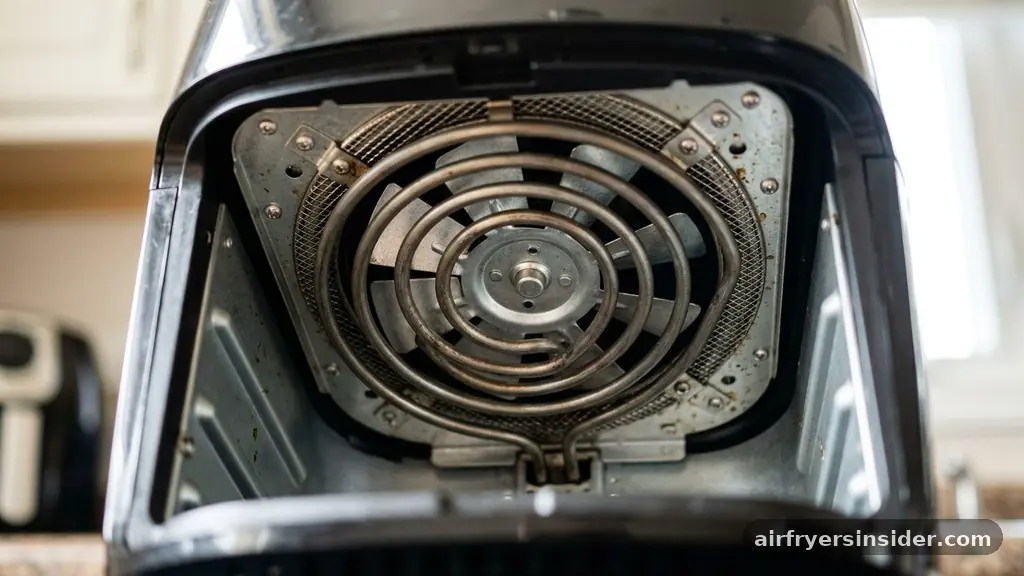
To understand why you shouldn’t use certain materials in your appliance, you first need to look at how these machines function. An air fryer is essentially a high-powered convection oven.
It features a powerful heating element located at the top, just above a fan that circulates hot air at high speeds. This combination ensures that heat is distributed evenly and quickly around the food, resulting in that crisp texture everyone loves.
However, this design creates a major issue for combustible items. Because the heating element is so close to the food basket, any lightweight object, like a piece of cardboard, can be lifted by the powerful fan. If that material touches the heating element, it can ignite almost instantly.
The air circulation is designed to move heat, not to hold down loose materials. When you introduce foreign objects, you disrupt the airflow and create a significant fire hazard.
Beyond the immediate risk of flames, there is the issue of the appliance’s internal temperature. Air fryers can reach temperatures well over 400 degrees Fahrenheit. Cardboard is a porous, fibrous material that dries out rapidly under these conditions.
As it loses its internal moisture, its combustion temperature drops, making it increasingly susceptible to catching fire. Keeping your kitchen safe requires respecting the limitations of your equipment and avoiding materials that aren’t specifically rated for high-heat cooking.
Understanding Combustion Risks and Ignition Points
Every material has an ignition point, which is the temperature at which it will spontaneously catch fire. For standard corrugated cardboard or cardstock, this temperature is relatively low compared to the operating capacity of an air fryer. Once the cardboard reaches this state, it doesn’t take much for a small smolder to turn into an open flame.
The danger is amplified by the presence of grease. If you are reheating food, there is likely residual fat or oil inside the basket.
If a piece of cardboard catches fire, it can ignite the grease, leading to a much larger kitchen fire that is difficult to extinguish. This is why appliance manufacturers explicitly warn against using non-approved items in the cooking chamber.
Furthermore, the chemicals present in packaging materials pose another concern. Cardboard often contains adhesives, inks, and coatings that are not intended for high-heat exposure.
When these substances reach their smoke point, they can release toxic fumes into your food. Even if the cardboard doesn’t burst into flames, the chemical off-gassing can affect the flavor of your meal and potentially introduce harmful particles into your cooking environment.
Why Cardboard Is Not Food-Grade Material
Many people mistakenly assume that because cardboard is used to hold food, it is safe to cook with. However, there is a massive difference between a delivery box and food-grade paper.
Packaging cardboard is designed for storage and transport, not for thermal resistance. It often contains recycled fibers that may include traces of heavy metals, dyes, or industrial glues.
When you heat these materials, you risk leaching these substances into your food. Food safety standards are quite strict regarding what materials can come into contact with heat, and standard cardboard simply does not meet those criteria. You are essentially cooking your food on a material that may have been exposed to warehouse dust, chemical treatments, or pest control agents during its manufacturing process.
If you are looking for a way to manage grease or keep your basket clean, you should stick to items explicitly marked as safe for high-heat cooking. Using makeshift solutions like cardboard boxes or delivery trays is a shortcut that compromises both your health and your appliance. Always prioritize materials that are tested for heat stability and food safety to avoid unnecessary risks during your meal preparation.
Comparing Common Cooking Materials
Choosing the right base for your food makes a significant difference in how effectively the air fryer works. Different materials react differently to the high-velocity heat within the chamber. The following table provides a quick look at how various materials perform when exposed to the intense conditions of an air fryer.
| Material | Heat Resistance | Safety Rating | Recommended Use |
|---|---|---|---|
| Parchment Paper | High (up to 425°F) | Safe (if weighted) | Non-stick lining |
| Cardboard | Very Low | Unsafe | Avoid entirely |
| Silicone Liners | High | Safe | Reusable lining |
| Aluminum Foil | Very High | Safe (with caution) | Wrapping/lining |
As shown, parchment paper and silicone accessories are the gold standard for air frying. Unlike cardboard, these items are engineered to withstand the specific thermal demands of convection cooking without degrading, burning, or releasing toxic chemicals.
The Role of Airflow Circulation
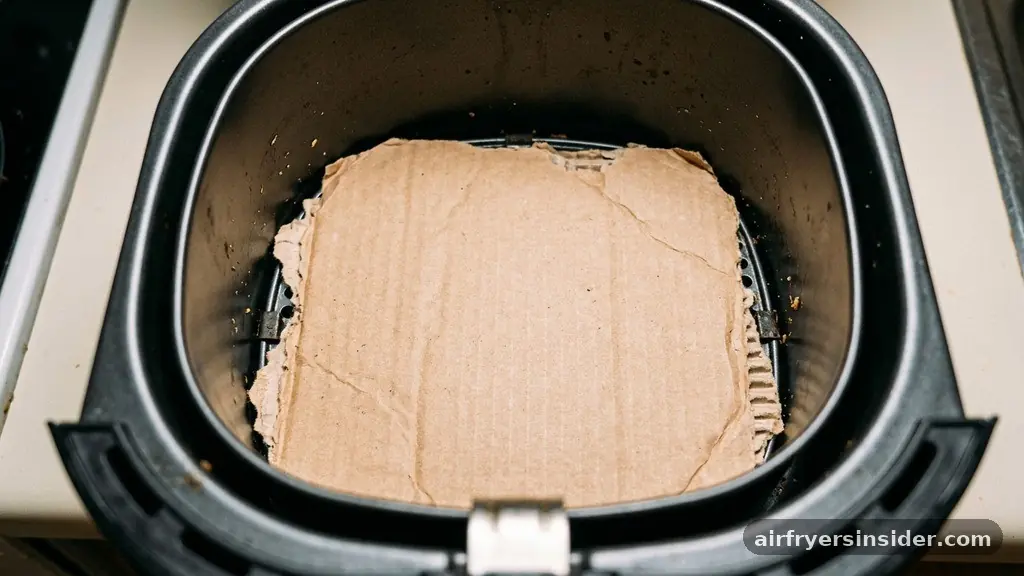
The secret to a great air-fried meal is the constant, rapid movement of air. This airflow circulation is what creates the Maillard reaction—the browning process that gives food its savory flavor and crisp exterior. When you place a barrier in the bottom of the basket, you are already slightly restricting this flow.
If you use a solid material like a piece of cardboard that doesn’t allow air to pass through, you effectively block the circulation. This causes the bottom of your food to remain soggy while the top might burn. It ruins the efficiency of the machine and forces it to work harder to achieve the same result.
Proper accessories, such as perforated parchment paper liners, are designed to solve this problem. These liners have small holes that allow the air to continue flowing around the food, ensuring even cooking while still providing a non-stick surface. By using products that facilitate airflow rather than blocking it, you get better results and protect your appliance from the stress of uneven heating.
Safe Alternatives for Your Air Fryer
If you find yourself needing to keep your air fryer clean or prevent food from sticking, there are plenty of effective and safe alternatives to cardboard. These products are readily available and specifically designed for high-heat appliances.
- Perforated Parchment Paper: These pre-cut sheets are designed with small holes to maintain essential airflow while preventing food from sticking to the metal basket.
- Silicone Liners: These are reusable, easy to clean, and highly resistant to heat. They are a great sustainable alternative to disposable paper products.
- Oven-Safe Glass or Ceramic: Small ramekins or oven-safe dishes can be placed inside the basket for baking or heating liquids, provided they are rated for high temperatures.
- Aluminum Foil: While it can sometimes impede airflow, using a small, well-fitted piece of foil can help with cleanup for messy items like marinated meats.
Using these tools ensures that your cooking experience remains safe and effective. They are built to withstand the high temperatures of your appliance, meaning you won’t have to worry about scorching, smoking, or the release of unwanted chemicals into your food.
Addressing Topical Gaps: Can You Use Other Paper Products?
A common question that arises when discussing cardboard is whether other paper-based products, such as paper plates or standard printer paper, are safe. The answer remains a firm no.
Most paper plates are treated with wax or plastic coatings that can melt or release toxic gases at high temperatures. Even uncoated paper is far too thin and lightweight; the fan will likely blow it directly into the heating element, causing an immediate fire.
Another gap in common knowledge is the use of paper bowls. While some specialty paper bowls are marketed as “microwave safe,” this does not equate to being “air-fryer safe.”
Microwaves work by vibrating water molecules, whereas air fryers rely on dry, circulating heat. A material that survives a few minutes in a microwave will often combust in an air fryer within seconds due to the lack of moisture in the surrounding air.
Always check the packaging of any accessory you intend to use. If it doesn’t explicitly state that it is safe for use in an air fryer or a convection oven, assume it is not. When in doubt, it is far better to clean a little extra grease from your basket than to risk a kitchen fire or contaminated food.
Appliance Maintenance and Longevity
Taking care of your air fryer involves more than just keeping the basket clean; it also means protecting the internal components from damage. Introducing foreign objects, especially those that can burn or release ash, can cause long-term harm to the heating element and the fan assembly.
When you use improper materials, you risk the buildup of carbonized debris inside the unit. This residue can coat the heating element, reducing its efficiency and potentially causing it to overheat or burn out prematurely. Furthermore, if small pieces of burnt material get lodged in the fan, they can cause mechanical failure or create a persistent burning smell that is difficult to remove.
Regularly inspecting your unit for signs of wear and tear is part of good appliance maintenance. If you notice any discoloration on the heating element or unusual noises coming from the fan, it could be a sign that debris has entered the system. By strictly avoiding materials like cardboard, you ensure that your appliance continues to operate at peak performance for years to come.
Fire Prevention and Safety Habits
Kitchen fire prevention starts with awareness. An air fryer is a powerful tool, but it is also a heat source that requires constant supervision. Never leave your machine running unattended, especially if you are experimenting with new accessories or cooking methods.
If a fire were to start inside your air fryer, the best course of action is to turn the appliance off immediately and unplug it if it is safe to do so. Never attempt to move the air fryer while it is on fire, as you risk spilling hot grease or causing the flames to spread. Keep a fire extinguisher rated for grease fires in your kitchen at all times, and know how to use it.
By following these safety habits, you can enjoy the convenience of your air fryer without the fear of accidents. The most important rule is to stick to materials that have been tested and approved for high-heat use. Your health and the safety of your home are far more important than the minor convenience of using a piece of spare cardboard.
Frequently Asked Questions
Can I use paper plates in an air fryer if I cut them to size?
No, you should not use paper plates in an air fryer. Even if cut to size, the materials often contain wax or plastic coatings that melt at high temperatures. Furthermore, the lightweight nature of paper makes it highly likely to be blown into the heating element, causing a fire.
What is the best way to keep my air fryer basket clean without using cardboard?
The best approach is to use perforated parchment paper or a silicone liner specifically designed for air fryers. These products are heat-resistant and allow for proper airflow, which ensures your food cooks evenly while keeping the basket free from stuck-on grease and food particles.
Is it safe to use aluminum foil as a liner?
Yes, aluminum foil is generally safe to use in an air fryer, but it must be used with caution. Ensure the foil is tightly fitted to the bottom of the basket so the fan cannot blow it around. Avoid covering the entire bottom, as this restricts airflow and can lead to uneven cooking.
Why does cardboard catch fire so easily in an air fryer?
Cardboard is a porous, dry material with a low ignition point. Because air fryers use a powerful fan that can lift loose, lightweight objects, the cardboard can easily make contact with the hot heating element. Once it touches the element, it can ignite almost instantly, creating a dangerous fire hazard.
Conclusion
Using cardboard in an air fryer is a dangerous practice that poses a significant risk to your appliance and your safety. The combination of intense heat, high-velocity airflow, and the combustible nature of fibrous packaging creates a perfect environment for a potential kitchen fire. Instead of relying on makeshift solutions that can compromise your food quality and damage your machine, always opt for approved accessories like parchment paper or silicone liners.
These items provide the necessary thermal resistance and safety required for modern convection cooking. By prioritizing the correct tools and following basic safety protocols, you can continue to enjoy delicious, crispy meals while keeping your kitchen environment secure. If you have any further questions about air fryer maintenance or safe cooking practices, feel free to reach out for more tips on getting the most out of your appliance.
Meta Description: Can you put cardboard in an air fryer? No, it’s a major fire hazard. Discover why you should avoid it and learn about safe, high-heat alternatives.


