

Deciding whether you can put glass in an air fryer is a common dilemma for home cooks looking to expand their culinary repertoire. While these appliances are celebrated for their rapid air technology, they operate differently than traditional ovens, which leads many users to wonder about container safety. Using the wrong material can result in shattered glass, ruined food, and potential damage to your appliance’s heating elements.
Understanding the compatibility of your kitchenware is essential for safe and successful cooking. By learning the specific limitations of heat-resistant materials, you will gain the confidence to use your appliance effectively while keeping your kitchen environment secure and hazard-free.
Understanding Glass Compatibility in Convection Environments
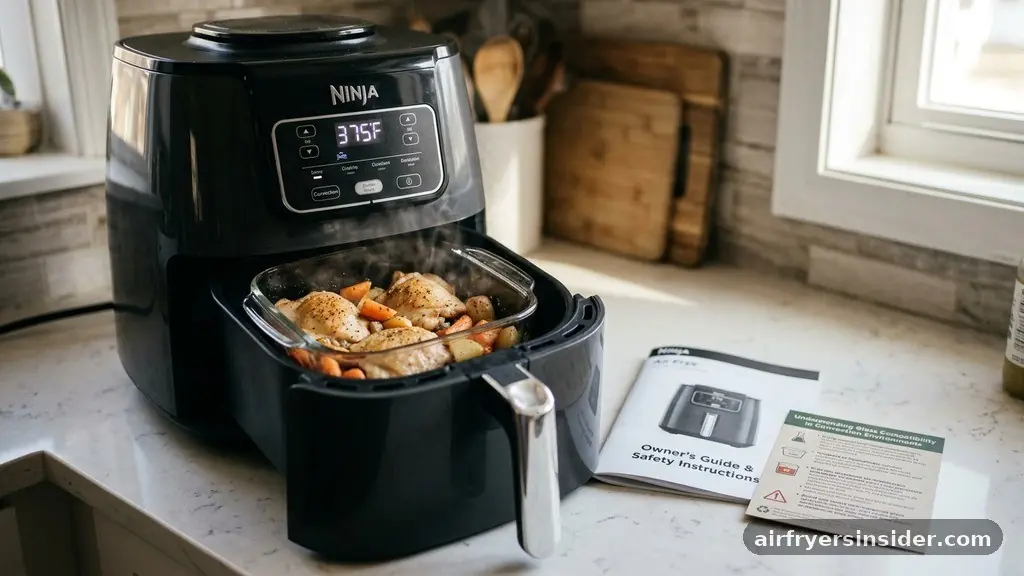
When you consider whether you can put glass in an air fryer, the most important factor is the material’s ability to withstand heat. Not all glassware is created equal, and the rapid convection cooking process puts unique stresses on your dishes. Unlike a standard oven that heats up slowly, an air fryer uses a powerful fan to circulate extremely hot air, creating an environment where temperatures can shift quickly.
Standard glass, such as those used for simple drinking cups or decorative bowls, is not designed for high-heat environments. These items lack the structural integrity required to handle the intense, focused heat of a convection appliance.
If you expose non-tempered or non-heat-resistant glass to these conditions, the internal stress caused by uneven heating can lead to immediate failure. Always prioritize safety by using only materials explicitly rated for high-temperature use.
The Role of Borosilicate Glass and Thermal Shock
The primary enemy of glassware in high-heat appliances is thermal shock. This phenomenon occurs when a material experiences a rapid temperature change, causing it to expand or contract at uneven rates. If the stress exceeds the material’s structural limits, the vessel will crack or shatter into sharp shards.
Borosilicate glass is the gold standard for oven-safe applications precisely because it has a low coefficient of thermal expansion. This means it is highly resistant to sudden temperature fluctuations, making it a much safer choice than standard soda-lime glass.
When searching for cookware, look for labels that explicitly state the item is oven-safe or heat-resistant. Even with high-quality materials, avoiding extreme transitions—such as moving a dish directly from a freezer to a preheated air fryer—is a fundamental rule of kitchen safety.
Identifying Oven-Safe Glassware
Before placing any dish inside your machine, you must verify its suitability. Many people mistakenly assume that if a container is microwave-safe, it is also safe for an air fryer. This is a dangerous assumption.
Microwave-safe glass is designed to handle the energy waves of a microwave, which heats the food inside rather than the air surrounding it. It is not necessarily built to withstand the sustained, high-temperature dry heat of a convection fan.
Always check the bottom of your cookware for manufacturer markings. Reputable brands often stamp their products with terms like “oven-safe” or provide a temperature rating.
If you cannot find a clear indication that the glass is designed for oven use, do not risk it. Using inappropriate vessels can lead to a messy cleanup or even damage the air fryer’s internal heating components or non-stick coating.
Evaluating Pyrex and Tempered Glass
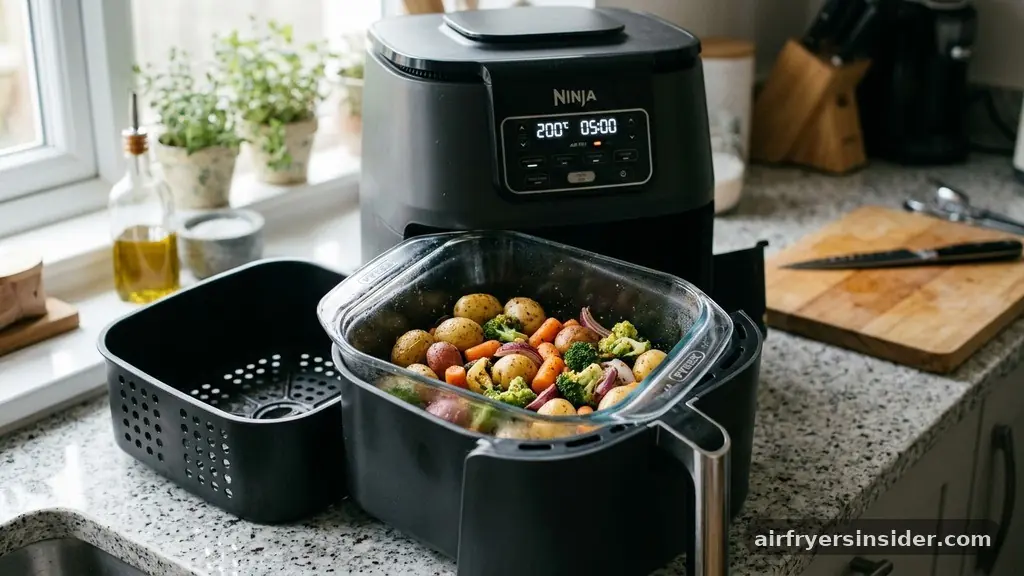
Pyrex is a household name often associated with durability, but it is important to distinguish between the two types of glass the brand has manufactured over the years. Older Pyrex was made from borosilicate glass, which is exceptionally resistant to heat.
Modern Pyrex, particularly in the North American market, is often made from tempered soda-lime glass. While tempered glass is stronger than standard glass and designed to be shatter-resistant, it still has a lower tolerance for extreme thermal shock than borosilicate alternatives.
If you are using tempered glass, treat it with extra caution. Ensure the container is not touching the heating elements directly, as the concentrated heat in those specific zones can cause localized expansion that leads to breakage. When in doubt, stick to smaller, thicker-walled glass dishes that are specifically marketed for high-heat baking.
Optimizing Air Circulation for Even Cooking
One of the biggest benefits of using an air fryer is the crisp texture achieved through rapid air technology. When you place a glass bowl inside the basket, you are essentially creating an obstacle for that airflow.
If the glass dish is too large or occupies too much of the basket’s footprint, the air cannot circulate effectively around the food. This results in uneven cooking, where the top of your dish might burn while the bottom remains undercooked.
To maintain the efficiency of your appliance, choose cooking vessels that allow for adequate space on all sides. You want the hot air to flow around the container, not just over the top of it.
Using metal racks to elevate your glass dish can also improve airflow, helping the heat reach the bottom of the container. Proper positioning is just as important as the material of the vessel itself.
Comparing Common Cooking Vessel Materials
Choosing the right material for your air fryer recipes is crucial. While glass can be used under the right conditions, other materials often offer better performance or higher safety margins. The following table illustrates the general characteristics of common cookware materials when used in convection-based air frying.
| Material | Heat Resistance | Suitability for Air Fryer |
|---|---|---|
| Borosilicate Glass | High | Excellent (if oven-safe) |
| Tempered Glass | Moderate | Use with Caution |
| Silicone | High | Very Good |
| Stainless Steel | Very High | Excellent |
| Standard Glass | Low | Not Recommended |
Answering Topical Gaps in Appliance Safety
Many users frequently ask about the nuances of “glass in an air fryer” that often go unaddressed. A common concern is whether the glass will affect the cooking time. Glass is a denser material than aluminum or silicone, meaning it takes longer to heat up.
Once it reaches the desired temperature, however, it retains that heat exceptionally well. You may find that recipes using glass dishes require a slightly longer preheating period or a few extra minutes of cooking time compared to metal pans.
Another gap is the issue of cleaning and maintenance. Glass is non-porous and generally easy to clean, but it can be heavy.
Ensure that your air fryer basket can support the weight of the glass dish when it is filled with food. Furthermore, avoid using abrasive scrubbers on your glass bakeware, as tiny scratches can become stress points where the glass is more likely to shatter during subsequent high-heat cycles.
Essential Tips for Safe Operation
To ensure you are using your glass containers safely, follow these best practices for every cooking session:
- Always verify the manufacturer guidelines for both your air fryer and the specific piece of glassware.
- Avoid placing cold glass directly into a preheated appliance; allow the dish to reach room temperature first.
- Ensure the glass container is sized appropriately to leave at least one inch of space between the dish and the walls of the basket.
- Use oven mitts when removing glass, as it retains heat for much longer than metal accessories.
- Inspect your glassware for chips or cracks before every use; even a small imperfection can lead to a catastrophic failure under heat.
- Never use glass lids or plastic components that are not rated for oven use, as they will melt or shatter.
Frequently Asked Questions
Can I use any glass bowl in my air fryer if it fits?
No, you should never use just any glass bowl. Only use glass that is explicitly labeled as oven-safe. Standard glass lacks the necessary heat resistance and can shatter due to thermal shock from the rapid temperature changes inherent in air frying.
Does using a glass dish change the cooking time?
Yes, glass is a slower conductor of heat compared to metal. You may find that your food takes slightly longer to cook. It is best to monitor your food closely during the first few uses to adjust for the thermal properties of the glass dish.
Is it safe to put Pyrex in an air fryer?
You can use Pyrex, provided it is the borosilicate variety or specifically labeled as oven-safe. However, always avoid extreme temperature changes, such as moving a cold dish from the refrigerator to a hot air fryer, as this can cause the glass to break.
What are the signs that a glass container is not safe for air frying?
If a container is marked as microwave-safe but lacks an “oven-safe” label, do not use it. Furthermore, if the glass is thin, has decorative patterns, or shows any signs of cracks or chips, it is not suitable for the high-intensity heat of an air fryer.
Conclusion
Using glass in your air fryer is entirely possible, provided you prioritize safety by selecting the right type of heat-resistant material. By sticking to borosilicate or verified oven-safe glassware, you can enjoy the versatility of baking, roasting, and reheating a wider variety of meals. Always remember to check your manufacturer’s guidelines, maintain proper airflow for even cooking, and avoid the dangers of thermal shock by preventing extreme temperature transitions.
When you respect the limits of your equipment and your cookware, you can achieve excellent results while keeping your kitchen routine safe. Start with small, manageable tasks to get a feel for how your specific appliance handles glass, and you will soon master the art of convection cooking with confidence.


