

Many home cooks wonder if you can put water in an air fryer to help with cleaning or to prevent smoke during high-heat cooking. While it might seem like a logical solution for managing grease or steaming vegetables, the design of these appliances makes moisture a significant risk factor. Air fryers are essentially compact ovens that rely on rapid air circulation, not liquid immersion or pressure.
Understanding how the internal fan and heating element interact with liquids is crucial for keeping your kitchen safe. Knowing the risks and the few instances when moisture is acceptable helps you maintain your appliance while achieving that signature crispy texture everyone loves.
Understanding Air Fryer Mechanics and Liquid Risks
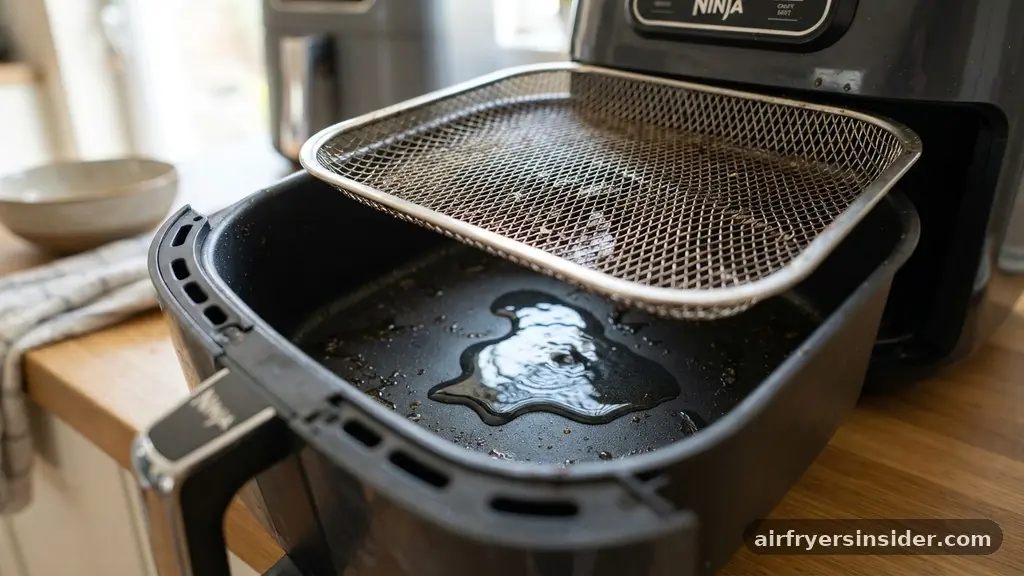
An air fryer operates through convection heating, which forces hot air to circulate rapidly around the food basket. This process relies on a powerful internal fan that pulls air across a high-temperature heating element. When you introduce water into the bottom of the basket, you risk interfering with this delicate airflow.
If the water is deep enough to touch the heating element, it can cause the liquid to splash against the component. This sudden temperature shift often causes damage, potentially leading to an electrical short or permanent appliance damage.
Most manufacturers explicitly warn against adding liquids to the cooking chamber because the internal components are not sealed against steam or splashes. Unlike a pressure cooker or a steamer, an air fryer is built for dry heat. When water enters the base, it can seep into the electrical housing where the fan motor and wiring reside.
Even small amounts of water vapor can lead to corrosion or dangerous electrical faults over time. Always check your user manual before attempting any modifications to your standard cooking routine, as warranty coverage is usually voided by liquid damage.
When Water Is Actually Useful
While you should never fill the basket with water, there are specific, limited scenarios where a tiny amount of moisture can be beneficial. Some users add a tablespoon of water to the bottom of the drawer when reheating leftovers that tend to dry out, such as pizza or chicken.
This creates a mild steam environment that helps with moisture retention without turning the food into a soggy mess. The goal is to produce a very small amount of vapor that refreshes the food, not to boil the contents.
If you choose to use this method, ensure the water remains strictly underneath the cooking rack or tray. It should never come into contact with the food itself or pool around the sides. This technique works best for items that have lost their initial hydration during storage.
However, if your goal is a crispy texture, you should avoid adding any liquid. The air fryer works by removing surface moisture to create that golden-brown crunch. Adding water directly counteracts this effect, potentially leading to rubbery or steamed results rather than the fried finish you expect.
Safety Precautions and Maintenance
Prioritizing appliance safety means treating your air fryer as an electrical device rather than a pot or pan. If you are worried about smoke from rendering fat, there are better alternatives than adding water to the bottom. Smoke usually occurs because the fat hits the hot base of the basket and begins to burn.
Instead of relying on water to quench this, you can place a piece of bread at the bottom of the drawer to absorb the grease. This is a much safer way to manage grease management without risking a short circuit.
If you have already accidentally spilled water inside your unit, unplug it immediately. Do not attempt to turn it back on until you are certain the interior is completely dry. Use a dry cloth to wipe out any visible puddles and allow the unit to sit in a well-ventilated area for several hours.
If the water has reached the fan or the electrical components, you may need to consult a professional or contact the manufacturer. Regular kitchen maintenance involves keeping the interior clean and dry, ensuring that no residue builds up near the heating elements where it could ignite.
Best Practices for Cooking
To achieve the best results without compromising your machine, focus on techniques that complement the air-frying process. Using a small amount of cooking spray is the standard way to ensure food browns evenly and stays juicy. This provides just enough oil to conduct heat without the risk of liquid splashing.
If you are worried about cleanup, consider using parchment paper specifically designed for air fryers. These liners are perforated to allow air to flow while catching drippings, which simplifies deep cleaning significantly.
| Method | Best For | Safety Level |
|---|---|---|
| Cooking Spray | Crispy vegetables and proteins | High |
| Parchment Liners | Easier cleanup of sticky foods | High |
| Bread Slice | Absorbing excess fat/smoke | Medium |
| Water Addition | Reheating specific leftovers | Low (Risk of damage) |
When working with high-fat foods like bacon or sausages, focus on the smoke point of the oils being rendered. If the fat starts to smoke, it means the temperature is likely too high for that specific type of food.
Adjust your settings down by 25 degrees Fahrenheit and increase the cooking time slightly. This prevents the grease from burning in the first place, removing the need for any “quick fixes” like adding water to the base of the basket.
The Danger of Steam Cooking
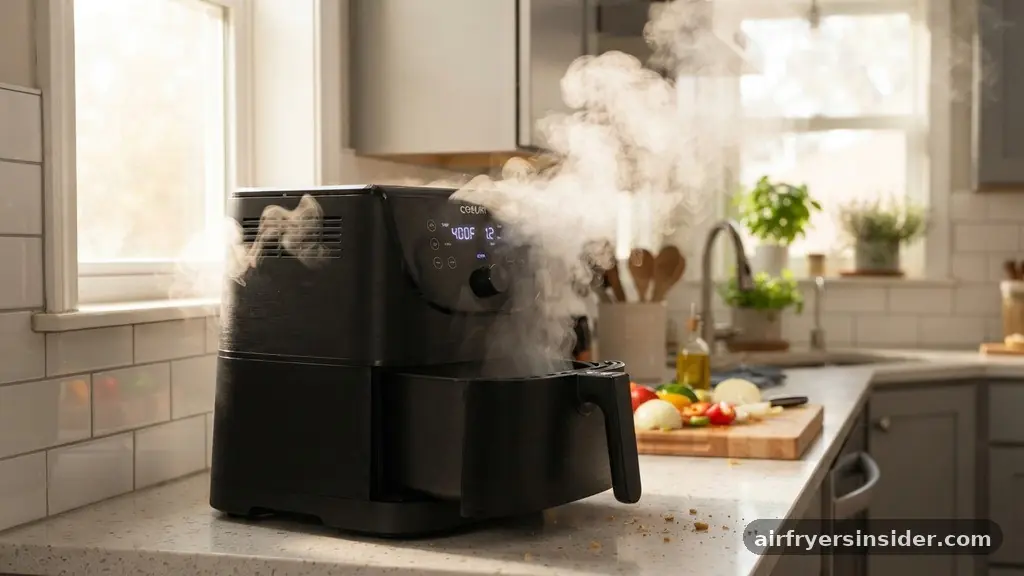
Many people mistakenly believe that an air fryer can function as a steamer. However, the airflow is designed to be constant and high-velocity, which is the opposite of a steaming environment.
Attempting to “steam” food by pouring water into the base of an air fryer will not yield the same results as using a dedicated steamer basket or a pressure cooker. The fan will simply blow the steam around, which may cook the food unevenly and could potentially force moisture into the electrical components located behind the basket.
If you want to steam vegetables, use a microwave or a pot on the stove. Trying to force your air fryer to perform functions it wasn’t engineered for often leads to mechanical failure. The internal fan is calibrated to move dry, hot air, not to circulate saturated vapor.
High humidity inside the chamber can interfere with the sensors that control the temperature, potentially leading to overheating or the unit shutting down unexpectedly as a safety measure. Stick to dry-heat methods to ensure your appliance remains functional for years.
Grease Management and Smoke Prevention
Managing grease is the most common reason people look for hacks involving water. When fat renders from meats, it drips onto the hot metal tray. If that tray is clean, the grease usually just sits there.
If there is old, burnt-on food residue, the grease will smoke almost immediately. Instead of adding water, the solution is consistent, thorough cleaning. Wipe down the basket after every use, and soak the tray in warm, soapy water to remove stubborn grease buildup before it has a chance to carbonize.
If you find that your food is consistently smoking, check the ventilation around the unit. Air fryers need space for the exhaust to escape. If the unit is pushed too close to a wall, the hot air and grease particles can get trapped, leading to a smoky kitchen environment.
Ensure your air fryer has at least five inches of clearance on all sides. This simple adjustment often solves the “smoke problem” without requiring any liquids in the basket. Keeping the heating element free of debris is also vital; if you notice smoke, check the top of the basket for any oil splatter that might have reached the heating coil.
Maintaining Your Appliance for Longevity
Proper care of your air fryer goes beyond just avoiding water. Because the appliance relies on precise airflow, any obstruction in the intake or exhaust vents will decrease performance. Check these vents periodically to ensure they are free of dust and grease.
If the fan blades become coated in oil, they will become unbalanced and noisy, which can eventually burn out the motor. A damp cloth—not a wet one—is sufficient for cleaning the exterior and the interior walls.
Always follow the user manual regarding the types of utensils you use. Metal tools can scratch the non-stick coating, which eventually leads to food sticking and burning. Once the coating is damaged, the food will burn more easily, creating more smoke and making the cleaning process much harder.
Use silicone or wooden tongs to protect the surface. By treating the basket and the interior with care, you reduce the need for aggressive scrubbing or the temptation to use water as a way to “soak” the unit while it is still in the machine.
Common Misconceptions About Air Frying
There is a persistent myth that air fryers are just small ovens, so they should be able to handle water just like a roasting pan. While they share some DNA with convection ovens, the scale and the speed of the fan are different.
In a large oven, a bit of water in a pan creates a controlled humid environment for baking bread or roasting meats. In an air fryer, the fan is so powerful that it will turn that water into a chaotic mist that permeates the entire electrical assembly.
Another misconception is that adding water helps with food dehydration. In reality, dehydration requires low, consistent heat and the removal of moisture, not the addition of it.
Adding water will only prevent the food from drying out, which is the exact opposite of what you want when making jerky or dried fruit. If you want to use your air fryer to dehydrate, keep the chamber as dry as possible to allow the machine to pull moisture out of the food efficiently.
Addressing Topical Gaps
One question that often arises is whether you can put water in the air fryer to prevent it from overheating. The answer is a firm no. Overheating is usually caused by blocked vents or an issue with the thermostat, not by a lack of internal moisture.
If your air fryer is running excessively hot, check that the air intake isn’t blocked by a kitchen towel or the wall. If the issue persists, the unit may have a faulty sensor. Adding water will not fix a mechanical error and will only introduce a new, dangerous variable into an already malfunctioning machine.
Another common gap is the confusion between “adding water to the basket” and “using a water-based marinade.” While you can cook marinated foods, ensure the marinade is not so thin that it drips through the grate into the base of the unit.
If you are using a thin sauce, use a piece of parchment paper to create a barrier. This ensures the flavor stays with the food rather than pooling at the bottom, where it will burn and create an acrid smoke that ruins the taste of your meal.
Frequently Asked Questions
Can I put a bowl of water in an air fryer to create steam?
It is not recommended. Placing a bowl of water inside the air fryer basket can obstruct airflow and cause the liquid to splash onto the heating element. This can damage the internal components, cause an electrical short, or create a dangerous situation inside the cooking chamber.
What should I put in the bottom of an air fryer to catch grease?
Instead of water, use a piece of parchment paper designed for air fryers or a small slice of bread. These items safely absorb dripping grease and prevent it from hitting the hot base, which helps minimize smoke during the cooking process without risking electrical damage.
Is it safe to clean the air fryer by pouring water inside?
No, you should never pour water directly into the air fryer base. Always remove the basket or tray and clean it in a sink with soap and water. The main unit contains electrical components and a fan that can be permanently ruined by water exposure.
Why does my air fryer smoke when I cook fatty foods?
Smoke occurs when grease hits the hot metal base or the heating element. To prevent this, ensure your basket is cleaned thoroughly before each use, avoid overloading the machine, and keep the unit at least five inches away from walls to ensure proper exhaust ventilation.
Conclusion
Navigating the capabilities of your air fryer is all about respecting the technology behind it. While it might be tempting to experiment with water to solve smoke or moisture issues, the risks to your appliance are simply too high. By sticking to dry-heat cooking methods, practicing diligent grease management, and keeping your unit clean, you can enjoy perfectly crispy results every time.
Remember that the air fryer is a specialized tool designed for efficiency and speed; using it correctly will ensure it remains a reliable part of your kitchen for years to come. If you have questions about your specific model, always refer to the manufacturer’s guidelines, as they provide the best roadmap for safe and successful cooking. Happy frying!
Meta Description: Can you put water in an air fryer? Learn the safety risks, why it damages your appliance, and the best ways to manage grease and moisture effectively.


