

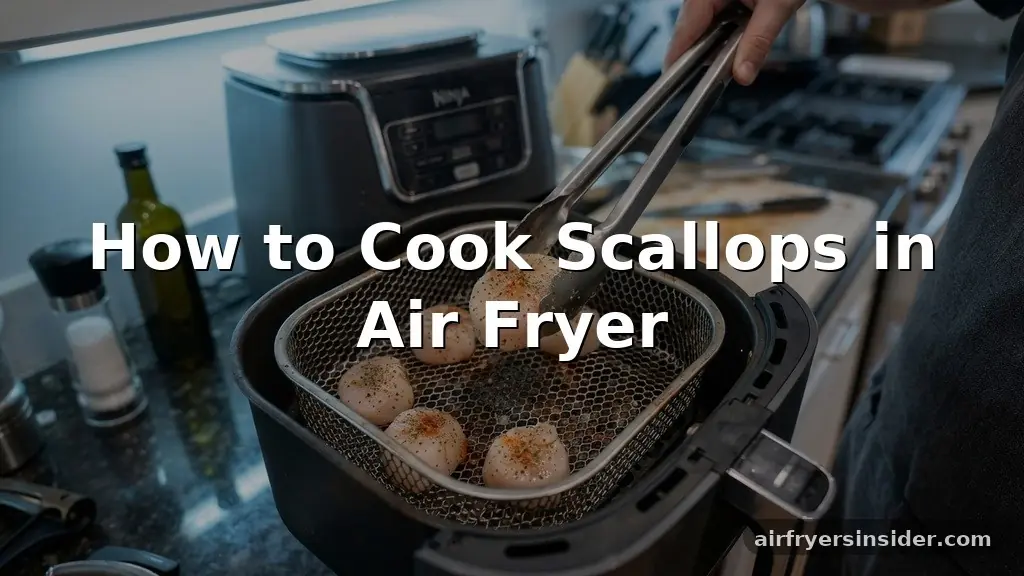
Mastering the art of cooking scallops in air fryer units provides a restaurant-quality experience right in your home kitchen. While many assume that high-heat searing on a stovetop is the only way to achieve a perfect crust, the rapid, focused air circulation of an air fryer offers a surprisingly efficient alternative.
By controlling the environment and focusing on proper preparation, you can enjoy tender, succulent results without the lingering smell of butter or oil smoke throughout your house. This method is particularly effective for busy weeknights when you want a sophisticated seafood dish that comes together in under ten minutes.
Understanding the Mechanics of Air Fryer Seafood
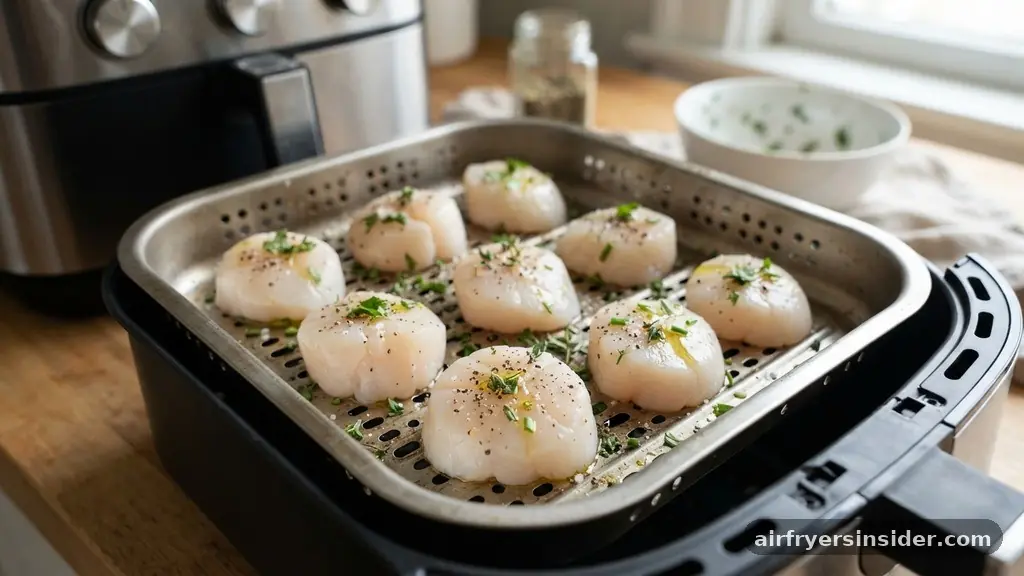
The air fryer functions as a compact convection oven, utilizing a powerful fan to circulate hot air around the food. When preparing delicate proteins like sea scallops, this consistent heat flow helps create a crisp exterior while keeping the center buttery and soft. Unlike traditional frying, which submerges the scallop in oil, the air fryer relies on hot air to render the surface proteins, leading to a golden brown crust that rivals pan-searing.
Success in this medium depends on understanding your specific appliance. Whether you are using a Ninja Foodi or a Cosori model, the internal heating elements and fan speeds vary slightly.
Because scallops are small and cook rapidly, the intense heat can easily lead to overcooking if you are not careful. The goal is to maximize the temperature for a brief window, ensuring the exterior achieves that desirable Maillard reaction before the internal temperature rises past the point of tenderness.
The Importance of Proper Moisture Removal
One of the most critical steps in learning how to cook scallops in air fryer setups is effective moisture removal. Scallops naturally hold a significant amount of water.
If you place a wet scallop into the air fryer basket, the excess liquid will steam the exterior rather than searing it. This leads to a pale, rubbery texture that lacks the depth of flavor associated with a proper crust.
Use high-quality paper towels to pat each scallop dry. Do not just dab them; press firmly to pull moisture from the crevices.
If you are using frozen scallops, ensure they are fully thawed in the refrigerator overnight and then thoroughly dried. Taking an extra two minutes for this step changes the final texture entirely, transforming a soggy result into a firm, sweet, and perfectly cooked delicacy.
Selecting the Right Fats and Seasonings
Since air frying uses convection, the type of fat you choose matters, especially regarding the smoke point. While butter provides a classic flavor, it can burn quickly at high temperatures.
Many chefs prefer using avocado oil, which has a high smoke point, to coat the scallops before air frying. You can always brush them with melted butter after they come out of the machine to achieve that rich, decadent finish without compromising the integrity of the crust during the cooking process.
When it comes to seasonings, keep it simple to highlight the natural sweetness of the seafood. A basic blend of sea salt, black pepper, and garlic powder works wonders. If you want to experiment with different flavor profiles, consider these options:
- Lemon juice and fresh parsley for a bright, Mediterranean-inspired finish.
- A light dusting of panko breadcrumbs and parmesan cheese for added crunch.
- Smoked paprika or cayenne pepper if you prefer a subtle kick.
- A high-quality seafood seasoning blend for a balanced, savory profile.
Managing Cooking Time and Temperature
The cooking time and temperature are the variables that dictate whether your meal is a success or a disappointment. For most air fryer models, a temperature of 400°F (200°C) is ideal for achieving a quick sear.
At this heat, large sea scallops generally require only 5 to 7 minutes of total cooking time. Bay scallops are significantly smaller and will often be ready in just 3 to 4 minutes.
It is vital to monitor the process closely. Because every air fryer has different airflow dynamics, you should check the scallops a minute before you think they are done. Using a food thermometer is the only way to be 100% certain.
You are aiming for an internal temperature of roughly 125°F to 130°F. Once they reach this range, remove them immediately, as the residual heat will continue to cook them slightly even after they leave the basket.
Addressing Topical Gaps in Air Fryer Cooking
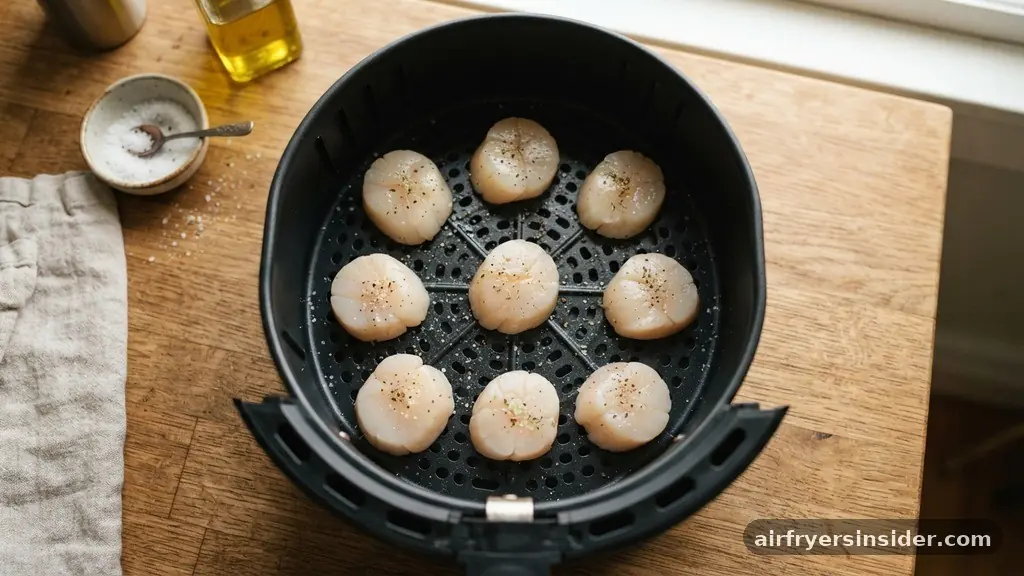
Many home cooks struggle with the “what not to do” aspect of this method. One common mistake is overcrowding the basket. Proper air circulation requires space between the pieces; if the scallops are touching or stacked, the air cannot reach the sides, resulting in uneven cooking.
Additionally, many people forget to preheat their air fryer. Much like a conventional oven, an air fryer needs to be at the target temperature before the food goes in to ensure the searing process begins the moment the scallops hit the heat.
Another gap often overlooked is the difference between dry scallops and “wet” scallops sold in many grocery stores. Wet scallops are treated with sodium tripolyphosphate, which causes them to absorb and retain water.
If you find your scallops are not browning despite your best efforts, they might be wet-processed. When shopping, always look for “dry-packed” or “chemical-free” labels to ensure the best possible outcome for your air-fried dish.
Comparing Cooking Methods for Scallops
Choosing the right cooking method depends on your goals for the final dish. While pan-searing on a cast-iron skillet remains the gold standard for many, the air fryer offers convenience and consistent results for those who may be intimidated by the timing of stove-top cooking.
| Method | Pros | Cons |
|---|---|---|
| Air Frying | Consistent, mess-free, fast | Less control over crust thickness |
| Pan-Searing | Maximum crust, classic flavor | Requires constant attention, oil splatter |
| Broiling | Quick, high heat | Easy to burn the exterior |
Achieving the Perfect Golden Brown Crust
To achieve that professional-looking golden brown crust, you must create the right conditions for the Maillard reaction. This chemical reaction occurs when amino acids and reducing sugars react under heat, creating the complex flavors we associate with browned food. In an air fryer, the dry surface of the scallop is the primary requirement.
Once the surface is dry, a thin layer of oil is necessary to conduct the heat evenly. Do not over-oil the scallops, as excess grease will pool at the bottom of the basket and create smoke.
Instead, use a spray bottle or a silicone brush to apply a very light, even coating. When you place them in the basket, ensure they are spaced out by at least an inch to allow the hot air to move freely around every side of the scallop.
Troubleshooting Texture and Flavor Issues
A rubbery texture is the most common complaint when learning how to cook scallops in air fryer appliances. This is almost exclusively a symptom of overcooking.
Because scallops are lean, they have no fat to buffer the heat once the moisture evaporates. If you leave them in for even two minutes too long, the fibers tighten significantly, leading to that chewy, unappealing mouthfeel.
If your scallops are bland, it usually means the seasoning was not applied correctly or the quality of the seafood was lacking. Since scallops are naturally delicate, they benefit from a “bloom” of flavor.
Mixing your dry spices with your oil before brushing it onto the scallops ensures that the flavor adheres to the protein rather than falling off into the bottom of the fryer basket. If you want a more intense garlic flavor, use garlic powder instead of fresh minced garlic, which can burn and turn bitter in the high-heat environment of the air fryer.
The Role of Convection Cooking in Seafood
Convection cooking is the secret weapon for home seafood preparation. By forcing air to move, the air fryer strips away the cool air barrier that naturally forms around food.
This allows for faster cooking times and a more uniform temperature throughout the protein. When you use this technology for scallops, you are effectively using a high-speed oven that creates a more consistent texture than a standard pan, where cold spots can lead to uneven searing.
However, the speed of convection also means the margin for error is razor-thin. You must be prepared to act quickly. Once the timer dings, have your serving platter and garnishes ready.
Scallops are best served immediately while the crust is still crisp and the interior is warm. If you let them sit for more than a few minutes, the moisture from the inside will migrate to the surface, softening that perfectly crisp exterior you worked so hard to achieve.
Frequently Asked Questions
Is it possible to cook frozen scallops directly in the air fryer?
While you can, it is not recommended for the best results. Frozen scallops contain excess ice crystals that will melt and create a pool of water in the basket. For a high-quality, golden-brown sear, always thaw your scallops completely and pat them dry before cooking.
How do I know when the scallops are finished cooking?
Use a food thermometer to check the internal temperature, which should reach about 125°F to 130°F. If you do not have a thermometer, look for a firm, opaque appearance and a light golden brown crust on both the top and bottom of the scallop.
Can I cook breaded scallops in the air fryer?
Yes, breaded scallops work very well in an air fryer. The circulating air is perfect for crisping up panko or standard breadcrumbs. Simply coat the dried scallops in flour, egg wash, and breadcrumbs, then spray lightly with oil before placing them in the basket for a crispy finish.
Why did my scallops turn out rubbery?
Rubbery scallops are a direct result of overcooking. Because they are delicate and lean, they only need a few minutes of high heat. If you cook them past the point of being opaque and firm, the proteins tighten and the texture becomes tough and chewy.
Final Thoughts on Air-Fried Seafood
Learning how to cook scallops in air fryer units opens up a world of culinary possibilities for quick, elegant meals. By focusing on the fundamentals—thoroughly drying the protein, using high-heat oils, and keeping a close eye on the cooking time—you can consistently produce restaurant-quality results. The air fryer removes much of the stress associated with stovetop searing, allowing you to focus on the presentation and pairing of your meal.
Whether you prefer them simply seasoned with salt and pepper or dressed up with a light breadcrumb crust, scallops prepared this way are sure to impress. Start with small batches to get a feel for your specific appliance, and you will soon find that this method becomes a staple in your regular cooking rotation.
Meta Description: Learn how to cook scallops in air fryer to achieve a perfect golden crust. Discover tips for moisture removal, temperature control, and achieving tender results.


