

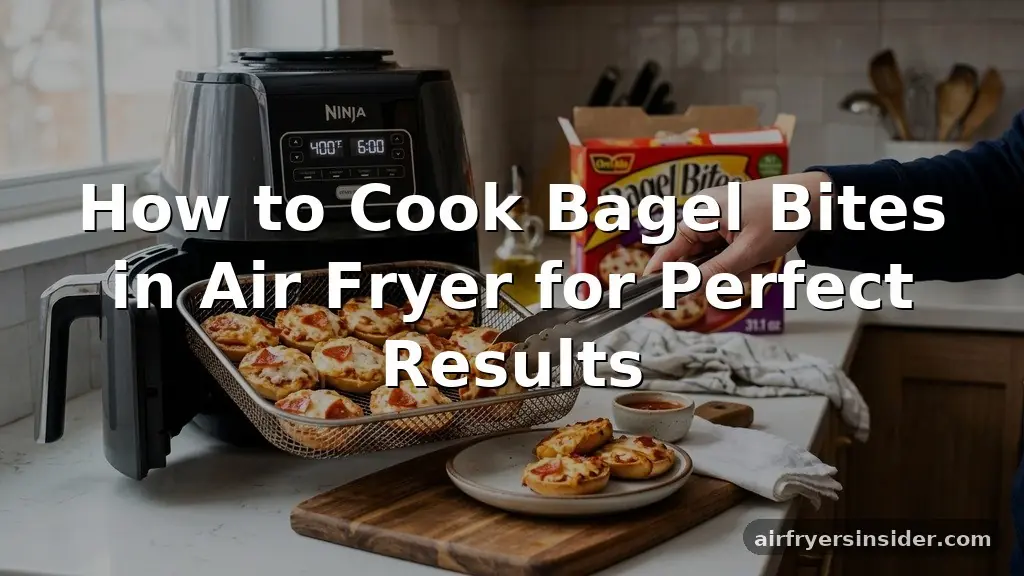
Achieving the perfect texture for frozen snacks often feels like a balancing act, especially when you are craving that specific combination of bubbling melted cheese and tangy tomato sauce atop a golden, crispy crust. Learning how to cook bagel bites in air fryer setups is one of the most effective kitchen hacks for anyone looking to upgrade their snack game.
Unlike traditional methods that can leave the dough feeling chewy or the center cold, the focused heat of an air fryer transforms these mini pizzas into a gourmet-style treat in just a fraction of the time. Whether you are using a compact unit or larger models like those from Cosori or Instant Pot air fryers, mastering the variables of heat and duration will ensure your snacks come out consistently delicious every single time.
Understanding the Mechanics of Air Fryer Cooking
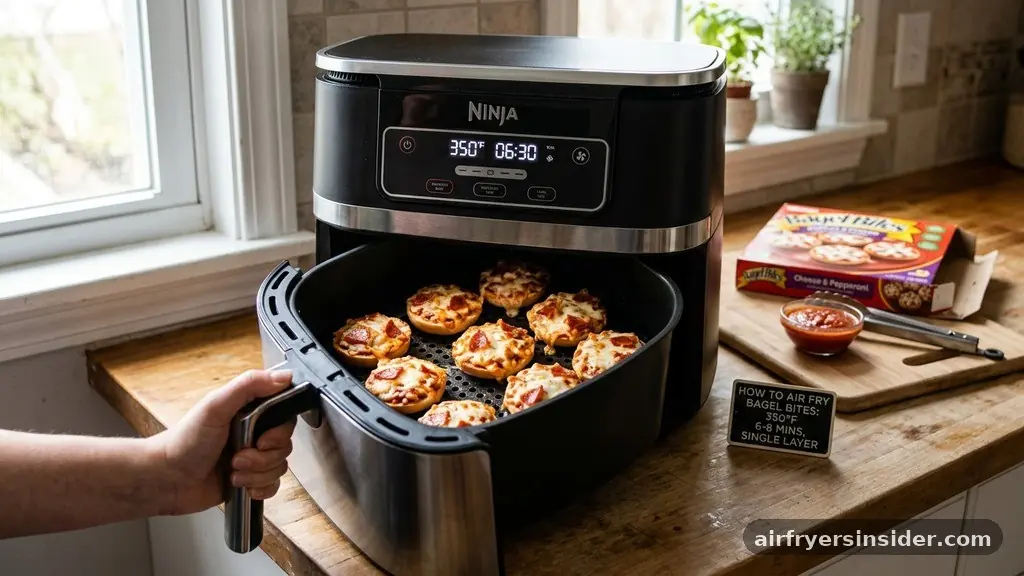
At the heart of the air fryer’s success is rapid air technology, a system that circulates hot air at high speeds around the food. When you place your snacks in the air fryer basket, this intense convection current mimics the effect of a deep fryer but uses significantly less oil, resulting in a texture that is simultaneously crunchy on the outside and tender on the inside. When preparing these bite-sized pizzas, the goal is to facilitate moisture evaporation from the surface of the dough while keeping the cheese from burning before the center is fully heated.
Because these appliances are essentially miniature, high-powered convection ovens, they excel at browning and crisping. Unlike a standard oven, which may take ten to fifteen minutes to reach its target temperature and then another ten to cook the food, an air fryer reaches its optimal temperature and timing almost instantly.
This efficiency is why the snack preparation time is cut down so drastically. Furthermore, the small footprint of the cooking chamber ensures that the heat is applied evenly to the top of the bagel, which is crucial for achieving that signature golden finish on the cheese.
Preheating and Preparation Essentials
While many modern air fryers boast that they do not require preheating, taking the extra two minutes to warm up your device can make a world of difference in the final quality of your bagel bites. Preheating ensures that the air inside the basket is already at the target cooking temperature the moment you slide the tray in. This initial blast of heat is vital for setting the crust immediately, preventing the dough from becoming soggy as the cheese begins to melt.
Before you start, ensure your basket is clean and free of any debris from previous meals. You do not typically need to add oil to frozen pizza snacks, as they contain enough fat to crisp up on their own, but if you want an extra crunch, a very light spritz of non-stick spray can be used. Arrange the bites in a single layer, ensuring there is enough space between them for the air to circulate freely.
If you stack them, the middle pieces will remain doughy while the outer ones might overcook. Always remember that capacity matters; avoid overcrowding the basket to ensure every single bite receives equal exposure to the circulating heat.
Optimal Temperature and Timing Guidelines
The secret to success lies in the balance between heat intensity and the duration of the cycle. Most users find that a temperature between 350°F and 375°F (175°C to 190°C) provides the best results.
At this range, the melted cheese becomes perfectly bubbly without scorching, and the bottom of the bagel develops a satisfying snap. The cooking time: typically falls between 5 to 8 minutes, depending on the wattage of your specific model and how many bites you are cooking at once.
It is helpful to check on your snacks at the five-minute mark. If you notice the cheese is starting to brown but the bagel base still looks pale, you can adjust the heat downward or simply remove them a minute earlier.
Conversely, if you prefer a darker, extra-crispy crust, you can extend the time by an additional minute or two, provided you keep a close eye on the cheese to prevent it from turning into a burnt mess. Maintaining a consistent temperature is key to avoiding the common pitfall of having a burnt exterior and a frozen center, a problem often associated with improper heat distribution in larger, less efficient ovens.
Comparing Cooking Methods for Frozen Snacks
When evaluating different kitchen appliances, it is helpful to look at how they handle frozen goods. Comparing cooking methods reveals why the air fryer has become the gold standard for this specific type of food. While conventional ovens are reliable, they often require significant preheating time and struggle to create a truly crispy texture on smaller items without drying them out. Microwave cooking, on the other hand, is notorious for resulting in a rubbery, soft crust that lacks any structural integrity.
The following table highlights the differences in performance across the three most common home cooking methods for bagel bites:
| Method | Cooking Time | Texture Outcome | Ease of Use |
|---|---|---|---|
| Air Fryer | 5-8 Minutes | Crispy, Golden, Hot | High |
| Conventional Oven | 15-20 Minutes | Soft, Chewy | Moderate |
| Microwave | 1-2 Minutes | Soft, Rubbery, Uneven | High |
As shown in the table, the air fryer offers the best compromise between speed and quality. It provides the crispness of an oven without the wait time, and it avoids the textural issues inherent in microwave cooking. For busy households, this makes it an essential tool for quick, satisfying snacks.
Addressing Topical Gaps: Troubleshooting Common Issues
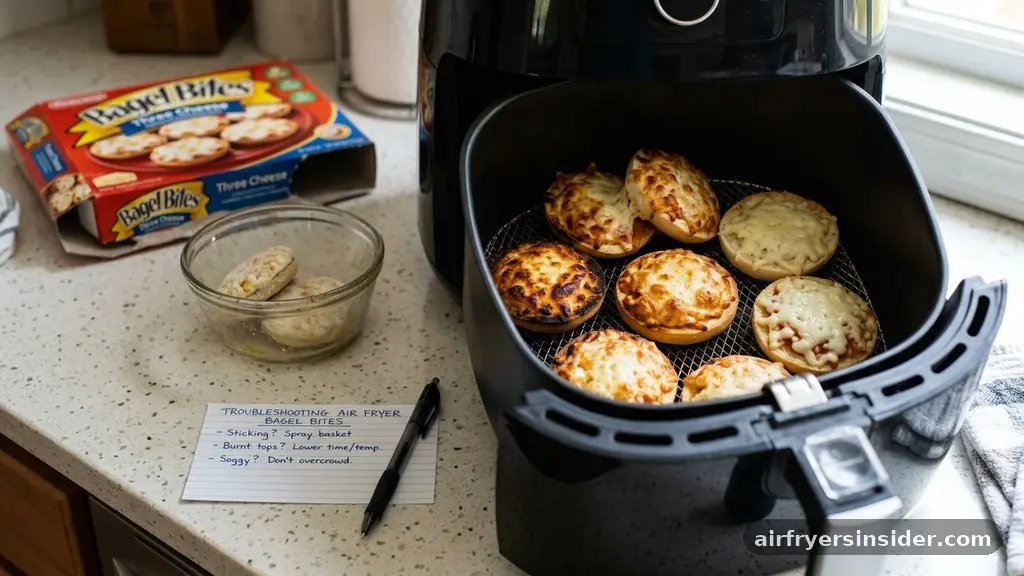
One of the most frequent questions regarding how to cook bagel bites in air fryer setups involves what to do when the cheese slides off. This often happens if the air current is too aggressive or if the bites are placed too close to the heating element.
To prevent this, ensure your air fryer is not overloaded with too many pieces. If your model has a powerful fan, the air can sometimes displace the toppings if they are not perfectly centered.
Another common issue is the “cold center.” This usually occurs because the air fryer was not preheated or because the temperature was set too high. If you set the temperature to 400°F, the outside will cook in two minutes, but the interior will remain frozen.
By sticking to the 350°F-375°F range, you allow the heat to penetrate the dough and the center of the cheese evenly. If you are cooking a large batch, it is always better to cook them in two smaller, sequential batches rather than trying to fit everything in at once. This ensures that the air flow remains consistent throughout the process.
Safety and Best Practices
Following proper safety and best practices is essential when dealing with any hot appliance. Never leave your air fryer unattended while it is running, especially when cooking foods that contain cheese, which can become a fire hazard if it drips onto the heating element. Always use heat-resistant tongs to remove your snacks, as the basket and the food will be extremely hot immediately after the timer dings.
Additionally, be mindful of the surface you place your air fryer on. These units generate significant heat from the back and bottom, so ensure there is at least five inches of clearance from walls or other cabinets.
If you use parchment paper, ensure it is specifically designed for air fryers and is weighted down by the food; otherwise, the fan can lift the paper into the heating element, which creates a significant risk. By respecting the equipment and following these basic safety protocols, you can enjoy your snack without any unwanted incidents.
Optimizing the Experience with Accessories
While you do not need much to get started, there are several accessories that can enhance your experience. Silicone air fryer liners are a game-changer for cleaning, as they catch any stray cheese or sauce that might leak during the process.
They also help distribute the heat more evenly across the bottom of the bagel. If you prefer not to use liners, a simple perforated parchment paper sheet can also work wonders for preventing sticking.
Another helpful tool is a set of silicone-tipped tongs. Unlike metal tongs, which can scratch the non-stick coating of your air fryer basket, silicone-tipped tools protect the integrity of the pan while providing a secure grip on the food.
Investing in a small, high-quality spray bottle for oil can also help if you are looking to crisp up other foods in the future, though it is rarely needed for these specific snacks. Keeping these simple tools on hand makes the entire process more streamlined and enjoyable, turning a simple snack into a refined culinary event.
The Role of Convection Cooking in Quality
The principle behind the air fryer is convection cooking, which utilizes a fan to force air movement. In a standard oven, air movement is often sluggish, leading to “cold spots” where food might not cook as thoroughly.
In an air fryer, the air is forced into every corner of the chamber, ensuring that the crispy crust is uniform on all sides of the bagel. This is particularly important for frozen pizza snacks because the dough needs to be dried out slightly to achieve that desired crunch.
By understanding that your air fryer is a precision instrument, you can begin to experiment with timing to suit your personal preferences. If you like your cheese extra brown, you might add thirty seconds of high-heat finishing.
If you prefer a soft, doughy bite, you might pull them out a minute early. The control offered by these machines is what sets them apart, allowing you to move away from the “one-size-fits-all” instructions often found on the back of the box and toward a custom result that reflects your own taste.
Maximizing Flavor and Texture
To truly elevate your snack, consider the timing of when you serve them. Bagel bites are at their absolute best when they have had about sixty seconds to rest after coming out of the air fryer.
This short rest period allows the cheese to set slightly, which prevents it from burning your mouth and makes it easier to handle. You can also experiment with light seasonings; a sprinkle of Italian herbs or a dash of crushed red pepper before air frying can add a layer of complexity to the snack.
Remember that the quality of your ingredients matters as much as the method. While these are convenient snacks, they benefit significantly from being cooked from a fully frozen state.
Do not let them thaw on the counter before placing them in the air fryer, as this can ruin the texture of the dough, making it mushy rather than crisp. By keeping them frozen until the last possible second, you ensure the contrast between the hot, gooey center and the crunchy exterior remains intact, which is the hallmark of a perfectly cooked pizza bagel.
FAQ Section
How long should I cook bagel bites in the air fryer?
Most standard bagel bites require between 5 to 8 minutes at 350°F or 375°F. It is best to start checking them at the 5-minute mark to ensure the cheese is melted to your liking and the crust is crispy without becoming overcooked.
Do I need to preheat my air fryer for frozen snacks?
While not strictly required for all models, preheating for 2-3 minutes is highly recommended. It ensures the air inside is at the correct temperature immediately, which helps the crust crisp up faster and prevents the cheese from sliding off during the initial heating phase.
Can I stack bagel bites in the air fryer basket?
No, you should avoid overcrowding the basket. For the best results, place the bagel bites in a single layer with a small amount of space between each one. This allows the hot air to circulate freely, ensuring an even, consistent crunch across every piece.
Are air fryer bagel bites better than oven-baked ones?
Generally, yes. Air fryers use rapid air technology to create a significantly crispier crust in less time than a conventional oven. Ovens often leave the dough softer or slightly chewy, whereas the air fryer provides a texture closer to a fresh-baked, crunchy pizza experience.
Conclusion
Mastering how to cook bagel bites in air fryer units is a simple yet transformative skill for any home cook. By focusing on optimal temperature and timing, avoiding the urge to overcrowd your basket, and utilizing the power of rapid air technology, you can elevate basic frozen snacks into a high-quality treat. Whether you are using a compact model or a larger appliance, the core principles of consistent heat and proper air circulation remain the same.
With these techniques, you will consistently achieve that perfect combination of bubbling melted cheese, savory tomato sauce, and a satisfyingly crispy crust. By following these guidelines and respecting the mechanics of your kitchen appliances, you ensure that every snack session is as delicious and efficient as possible. Keep these tips in mind, and you will never go back to the soggy, inconsistent results of microwave or traditional oven heating.


