

Learning how to cook burger in air fryer is a game-changer for anyone craving that classic diner-style sear without the mess of a stovetop. By utilizing rapid hot air convection, you can achieve a juicy interior and a beautifully browned exterior that rivals traditional pan-frying. This method is particularly effective for busy weeknights because it minimizes cleanup while ensuring consistent results every single time.
Whether you prefer your patties slightly pink or cooked through, mastering this technique requires understanding the interplay between heat, timing, and proper preparation. You will find that once you get the hang of the settings, your air fryer will quickly become your go-to tool for crafting the perfect burger.
The Science of Air Frying Your Patty
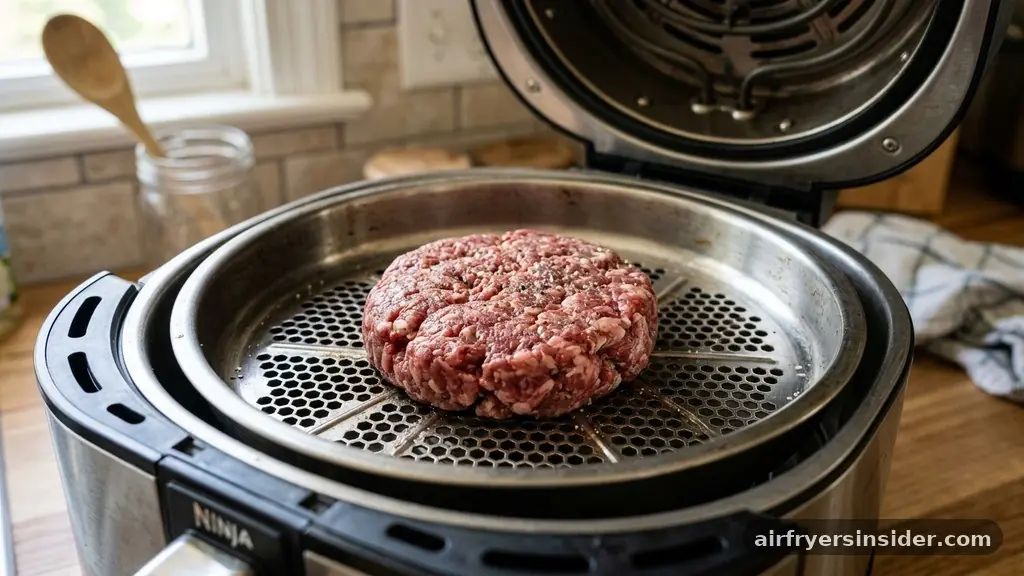
At its core, an air fryer is a compact convection oven that relies on powerful fans to circulate heat at high speeds. When you decide how to cook burger in air fryer, you are essentially harnessing this forced air to create a localized environment that mimics a professional broiler.
The rapid movement of air helps dehydrate the surface of the meat quickly, which is a critical step in achieving the Maillard reaction. This chemical process between amino acids and reducing sugars gives browned food its distinctive flavor profile and appealing color.
Because the air is constantly moving, the heat penetration is more uniform than in a standard oven, yet more contained than an open grill. You get a crusty exterior while the center remains tender and juicy.
This is especially true when you manage the fat content correctly, as the rendered fat drips away from the meat and into the bottom of the device. This separation prevents the burger from stewing in its own grease, leading to a much cleaner, more refined taste that highlights the quality of your ground beef.
Selecting the Ideal Ground Beef
The quality of your final result starts long before you turn on the machine. Choosing the right cut of meat is essential for success. For the best flavor and texture, aim for an 80/20 lean-to-fat ratio.
This specific balance ensures that you have enough fat to keep the patty succulent during the high-heat cooking process. If the meat is too lean, the burger will dry out quickly; if it is too fatty, you will end up with significant shrinkage and excessive smoke.
When shaping your patties, consistency is your best friend. Aim for a patty thickness of about three-quarters of an inch. If the patties are too thick, the outside will burn before the middle reaches a safe internal temperature.
If they are too thin, they may overcook before you can achieve that desired sear. Always make a small indentation in the center of the patty with your thumb. This prevents the burger from puffing up into a ball while it cooks, ensuring a flat, even surface that is perfect for stacking on your favorite burger buns.
Proper Seasoning Techniques
Seasoning is where you define the character of your meal. While some prefer elaborate spice blends, a classic approach often yields the best results.
Start with generous amounts of kosher salt and freshly cracked black pepper. The salt helps draw out moisture initially, which then evaporates to help form that crunchy crust, while the pepper adds a sharp, aromatic bite.
For an extra layer of depth, consider incorporating a dash of Worcestershire sauce into the meat mixture before shaping. It provides a savory, umami-rich base that complements the natural beef flavor. Avoid overworking the meat when mixing in your seasonings, as this can lead to a dense, rubbery texture.
Handle the beef gently, just enough to distribute the spices evenly. If you want to experiment, you can press dry rubs into the exterior of the patty right before cooking, but be mindful of sugar-heavy rubs, as they can burn quickly under the intense circulating heat of the air fryer.
The Importance of Preheating and Airflow
Many people skip this step, but preheating your air fryer is non-negotiable if you want a professional-grade crust. Set your unit to 375 or 400 degrees Fahrenheit and let it run for at least three to five minutes before adding the meat.
This ensures that the cooking chamber is at the target temperature the moment the patties touch the basket. Without preheating, the burger will start to cook slowly, releasing juices prematurely and potentially causing the meat to steam rather than sear.
Air circulation is the second pillar of this method. Never crowd your basket. If your air fryer is small, cook your burgers in batches rather than cramming them together.
The hot air needs to hit every side of the patty to produce that even, golden-brown finish. If you overlap the meat, you will block the airflow, leading to uneven cooking and patches of grey, unappealing meat. Keeping space between each burger ensures that the convection currents can do their job efficiently, wrapping the patties in consistent heat.
Navigating Cooking Times and Internal Temperatures
Cooking time varies based on the thickness of your patty and the specific model of your air fryer. Use the following table as a general guideline to help you achieve your desired level of doneness. Always remember that these times are estimates; environmental factors like ambient room temperature and the starting temperature of the beef will play a role.
| Doneness Level | Internal Temperature | Estimated Time (at 375°F) |
|---|---|---|
| Medium-Rare | 130°F – 135°F | 6 – 8 minutes |
| Medium | 140°F – 145°F | 8 – 10 minutes |
| Well-Done | 160°F+ | 12 – 14 minutes |
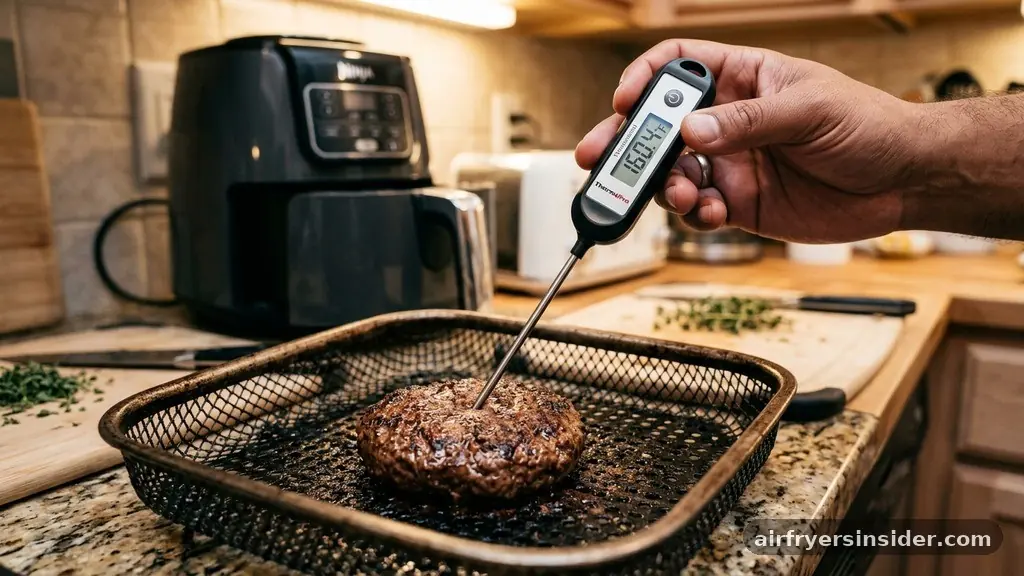
The most reliable way to check for doneness is to use a digital food thermometer. Insert the probe into the thickest part of the patty to ensure you hit the target internal temperature.
Adhering to USDA safety guidelines is crucial for preventing foodborne illness, so aim for at least 160°F if you are concerned about safety or are cooking for guests with different health requirements. Once the thermometer reads your target, remove the burgers immediately to prevent residual heat from overcooking them.
Managing Frozen Burger Patties
Sometimes you do not have time to thaw meat, and that is where the air fryer truly shines. You can absolutely cook frozen burger patties directly from the freezer.
The process is remarkably similar, though you will need to adjust your timing. Start by cooking the frozen patties at a slightly lower temperature, around 350 degrees, for the first few minutes to allow the center to thaw gently.
After the first five minutes, increase the temperature to 400 degrees to finish the exterior. This two-stage approach ensures that the frozen core gets cooked through without the outside becoming charred. Because frozen patties release more moisture as they thaw, keep a close eye on the grease tray.
You may need to drain the tray halfway through to prevent excess smoke from building up inside the unit. Season the patties generously once the frost has melted and the surface is slightly tacky, as the seasonings will adhere much better at that stage.
Addressing Common Challenges and Topical Gaps
One common issue when learning how to cook burger in air fryer is smoke. If your unit starts smoking, it is usually because fat is dripping onto the heating element or the bottom of the basket.
To mitigate this, you can place a small amount of water or a slice of bread in the bottom of the grease tray to absorb the drippings. Another trick is to use a piece of parchment paper designed for air fryers; it prevents smaller bits of meat from falling through the holes and makes cleanup significantly easier.
If you find that your burgers are sticking to the basket, check the condition of your non-stick coating. A light spritz of high-smoke-point oil, such as avocado or grapeseed, can help release the meat.
Avoid using extra virgin olive oil, as its low smoke point will cause it to burn and create acrid flavors at the temperatures required for searing. If you are using a metal rack or a cast iron basket insert, ensure it is properly seasoned to maintain its non-stick properties over time.
The Final Touch: Resting and Assembly
The resting time is the most overlooked step in the entire process. Once your burgers reach the desired internal temperature, transfer them to a plate and let them rest for at least three to five minutes.
During this period, the internal juices redistribute throughout the meat. If you bite into a burger immediately after taking it out of the air fryer, you will lose all that precious moisture to the plate, resulting in a dry, disappointing bite.
While the burgers rest, you can use the residual heat of the air fryer to toast your burger buns. A quick minute or two at 350 degrees will give the buns a nice crunch that prevents them from getting soggy when they come into contact with the meat.
Assemble your creation with fresh lettuce, tomatoes, onions, and your choice of condiments. The contrast between the warm, crusty patty, the toasted bun, and the cool, crisp vegetables is what makes a homemade burger truly satisfying.
Maintenance and Post-Cooking Cleanup
Cleaning your air fryer does not have to be a chore if you handle it correctly. Most modern air fryer baskets are dishwasher safe, but hand washing is often better for preserving the non-stick coating.
Use a soft sponge and mild soap to remove any charred bits or rendered fat from the bottom of the grease tray. If you have a stubborn mess, soak the basket in warm, soapy water for ten minutes before scrubbing.
If your model has a removable splatter guard, check it regularly. This component sits near the heating element and can accumulate grease over time, which is a frequent source of smoke.
Keeping this clean is vital for the longevity of your appliance. By treating your equipment with care and maintaining it after every session of cooking burgers, you ensure that your air fryer remains a reliable, high-performance tool in your kitchen for years to come.
Frequently Asked Questions
How long should I cook burgers in the air fryer?
For a standard one-inch patty, cooking at 375 degrees Fahrenheit typically takes about 8 to 10 minutes for medium doneness. Always check the internal temperature with a food thermometer to ensure the meat is cooked to your preference and safety standards.
Are burgers better in the air fryer or pan?
The air fryer is generally superior for ease of cleanup and consistent, even cooking without the need for constant monitoring. While a cast-iron pan produces a deeper, more traditional sear, the air fryer provides a cleaner, less greasy result that is perfect for everyday meals.
How do I prevent my air fryer from smoking when cooking burgers?
To minimize smoke, ensure the grease tray is clean before you start. Adding a small amount of water or a piece of bread to the bottom of the tray can catch dripping fat. Also, avoid using oils with low smoke points and always trim excess fat from your meat.
Can I cook frozen burger patties without thawing them?
Yes, you can cook frozen burgers directly in the air fryer. Start at a lower temperature, around 350 degrees, for about five minutes to thaw the center, then increase the heat to 400 degrees for another five to seven minutes to achieve a nice sear.
Learning how to cook burger in air fryer effectively requires a blend of technique and patience. By focusing on the quality of your ground beef, maintaining proper airflow in the basket, and respecting the essential resting period, you can consistently produce restaurant-quality results in your own kitchen. The air fryer removes the guesswork and the mess, leaving you with a delicious, juicy burger that is ready in minutes.
Experiment with different seasonings and toppings to make the process your own. If you have any favorite spice blends or unique toppings you love to use, feel free to try them out next time you fire up your air fryer for a quick, satisfying meal.
Meta Description: Master how to cook burger in air fryer with this guide. Learn the best temperatures, timing, and tips for juicy, perfectly seared results every time.


