

Mastering how long to cook steak tips in air fryer is the secret to achieving that perfect char without drying out the meat. Because these bite-sized morsels are smaller than a traditional steak, they require a precise approach to temperature and timing to ensure they stay juicy.
By understanding the fundamentals of convection cooking and applying a few simple techniques, you can turn a simple package of sirloin tips into a restaurant-quality meal in minutes. Whether you are looking for a quick weeknight dinner or a simple way to prep protein for salads, getting the timing right is the most important factor in your success.
Understanding the Mechanics of Air Fryer Steak
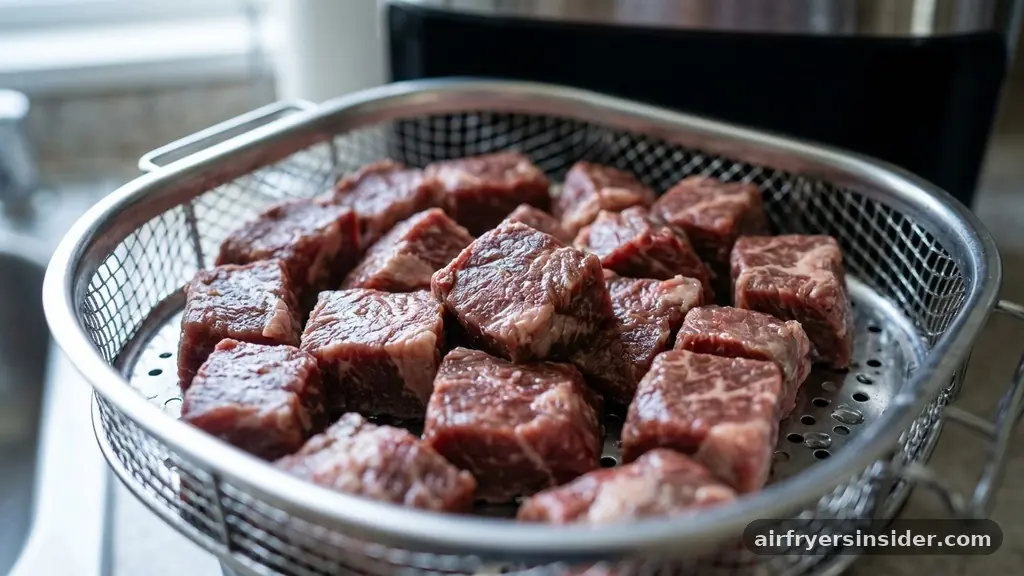
Air fryers operate as high-powered convection ovens, using a fan to circulate hot air rapidly around the food. When you cook cubed beef, this intense air circulation creates an environment that encourages the Maillard reaction—the chemical process responsible for browning and depth of flavor—much faster than a standard oven.
Because steak tips are usually cut into small, uniform pieces, they benefit significantly from this rapid heat distribution. However, this same intensity can quickly turn a tender piece of meat into something tough if you leave it in for even a minute too long.
The key to success lies in the balance between the initial sear and the internal temperature. When you place your meat in the air fryer basket, the goal is to create a crusty exterior while keeping the center tender and pink.
You are essentially replicating the conditions of a cast-iron skillet but with the added convenience of hands-off cooking. Since different machines vary in power and airflow, the standard guidelines provide a baseline, but your own observation remains the most reliable tool in your kitchen.
The Importance of Proper Preparation
Before you worry about how long to cook steak tips in air fryer, you must focus on the preparation stage. Start by ensuring your beef is at room temperature before it hits the heat. If you take cold meat straight from the refrigerator and drop it into a hot air fryer, the exterior will overcook before the center reaches your desired doneness.
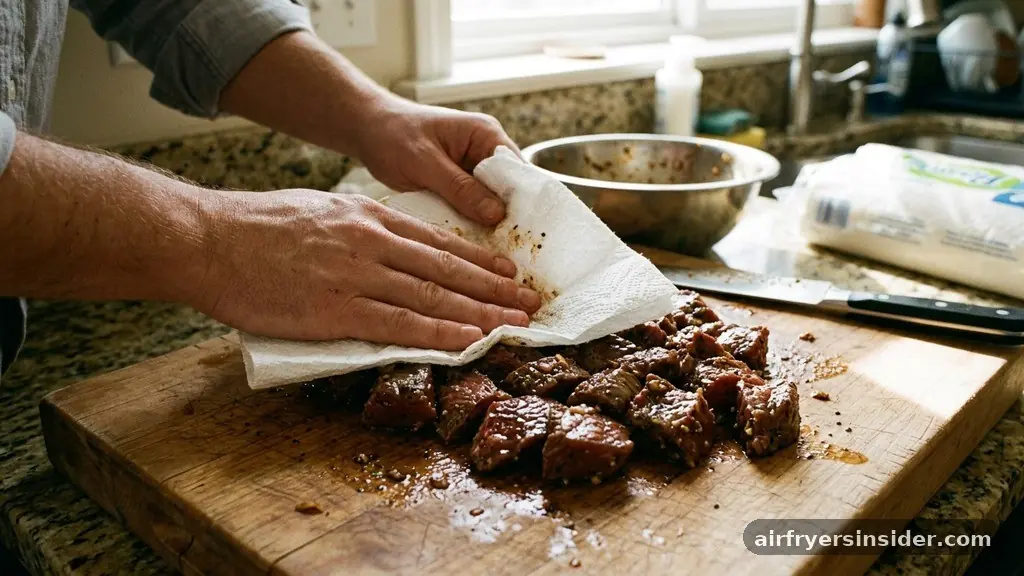
Patting the meat dry with paper towels is another non-negotiable step. Moisture on the surface of the beef creates steam, which prevents that essential crust from forming.
Once the surface is dry, toss the tips in a light coating of olive oil. You don’t need much; just enough to facilitate the transfer of heat and ensure your steak seasoning adheres properly.
Using a high-smoke point oil like avocado or grapeseed oil is a smart move if you plan on cooking at higher temperatures, as standard olive oil may start to smoke. Season generously with salt, pepper, garlic powder, or your favorite blend, ensuring an even coat on every piece.
Optimizing the Air Fryer Basket
The way you arrange your meat in the air fryer basket dictates how evenly it cooks. You should always aim to place your steak tips in a single layer, ensuring there is enough space between each piece for the hot air to move freely.
If the basket is overcrowded, the pieces will steam instead of fry, resulting in a gray, unappealing texture. If you are cooking a larger batch, it is far better to work in two separate rounds rather than cramming everything into one load.
Proper spacing also ensures that the heat distribution remains consistent across the entire surface of the meat. If your air fryer has a grill tray or rack, use it to elevate the meat, which allows for better airflow underneath the pieces.
This simple adjustment can significantly improve the quality of the sear. Remember that the air fryer basket itself can become quite hot, so use metal tongs to arrange the meat; plastic utensils may melt or deform when exposed to the high temperatures required for searing beef.
Mastering Temperature and Timing
For most air fryer models, the sweet spot for cooking steak tips is between 375°F and 400°F. At 400°F, you will achieve a faster, more intense sear, which is ideal if you prefer your steak medium-rare.
Generally, you will be looking at a total cooking time of 6 to 10 minutes, depending on the size of your cubes and your preferred level of doneness. It is helpful to shake the basket or use tongs to flip the pieces halfway through the process to ensure all sides get browned equally.
| Doneness Level | Internal Temperature | Estimated Time (at 400°F) |
|---|---|---|
| Rare | 120°F – 125°F | 5 – 6 minutes |
| Medium-Rare | 130°F – 135°F | 7 – 8 minutes |
| Medium | 140°F – 145°F | 9 – 10 minutes |
The times listed above are estimates, and your specific appliance’s wattage will play a role in the actual results. Always use a meat thermometer to verify the internal temperature, as this is the only way to guarantee food safety and your preferred level of tenderness.
The Role of Marinating and Seasoning
Marinating is a fantastic way to introduce flavor and assist in the tenderization of tougher cuts like sirloin tips. Using an acidic component like balsamic vinegar, lemon juice, or even a splash of Worcestershire sauce helps break down the muscle fibers over time.
If you choose to marinate, ensure you drain the meat well and pat it dry before it goes into the air fryer. Excess marinade will burn before the meat is cooked, creating acrid smoke and a bitter flavor profile.
If you prefer a dry rub, focus on ingredients that can withstand high heat without scorching. A blend of kosher salt, cracked black pepper, smoked paprika, and dried herbs works beautifully.
If you enjoy a bit of sweetness, brown sugar can add a nice caramelization, but be careful, as it can burn quickly at temperatures above 375°F. Applying the seasoning right before you cook prevents the salt from drawing too much moisture out of the beef, which helps keep the final result juicy and flavorful.
Addressing Common Cooking Gaps
Many home cooks struggle with the “gray band” effect or tough, chewy results. This often happens because the air fryer was not preheated.
Just like a conventional oven, your air fryer needs time to reach the set temperature. Preheating for 3 to 5 minutes before adding the meat ensures that the cooking process starts immediately upon contact, which is vital for achieving a good sear.
Another common gap is the failure to account for carryover cooking. Meat continues to rise in temperature for several minutes after being removed from the heat source. If your target is medium-rare (135°F), you should pull the steak tips out of the air fryer when they register around 125°F or 130°F.
Allowing the meat to rest for at least 5 minutes is essential, as this lets the juices redistribute throughout the fibers. If you cut into the meat immediately, all that moisture will run out onto the cutting board, leaving you with a dry, disappointing meal.
Essential Tools for Success
To consistently achieve the best results, you need a few reliable kitchen tools. A high-quality digital meat thermometer is the most important item in your arsenal. Relying on visual cues like color or the firmness of the meat is often inaccurate, especially with smaller pieces like steak tips where the difference between perfect and overcooked is measured in seconds.
- Digital Meat Thermometer: Essential for checking internal temperature accurately.
- Long-Handled Tongs: Necessary for safely flipping and rearranging meat in a hot basket.
- Silicone or Metal Trivet: Helps elevate the meat for better air circulation.
- Paper Towels: Critical for removing surface moisture to ensure a proper sear.
- Prep Bowl: Useful for tossing the steak tips in oil and seasonings before frying.
Having these items ready before you start will make the process much smoother and reduce the likelihood of mistakes. Keeping your workspace organized allows you to move quickly, which is essential when working with high-heat cooking methods.
Following USDA Guidelines for Food Safety
While many people prefer their steak cooked to a medium-rare finish, it is important to be aware of food safety standards. The USDA recommends cooking whole cuts of beef to an internal temperature of at least 145°F, followed by a three-minute rest period. If you are serving individuals who are immunocompromised, pregnant, or elderly, sticking to these guidelines is the safest approach.
However, for healthy adults, cooking to a lower temperature is common practice for steak. The key is understanding that steak tips are essentially small, cubed steaks.
Because they are not ground meat, the risk of surface bacteria is lower, provided the meat has been handled correctly. If you are ever in doubt, using a calibrated thermometer to ensure the meat has reached a safe temperature is the best way to protect yourself and your guests while still enjoying a delicious, tender piece of beef.
Troubleshooting and Pro Tips
If your steak tips are coming out too dry, the most likely culprit is overcooking. Try reducing the time by one minute in your next batch.
If they are not browning enough, your air fryer might be too crowded, or you may need to increase the temperature by 10 or 15 degrees. Remember that the Maillard reaction requires dry heat; if you see liquid pooling in the bottom of your basket, you are effectively boiling or steaming the meat.
Another trick for better flavor is to toss the cooked steak tips in a small amount of melted garlic butter or a drizzle of balsamic glaze immediately after removing them from the air fryer. This adds a layer of richness that complements the natural beefy flavor. If you find the meat is too salty, reduce the amount of salt in your initial seasoning and rely on the natural flavors of the beef, perhaps finishing with a sprinkle of flaky sea salt right before serving.
FAQ
How can I tell if my steak tips are done without a thermometer?
While a thermometer is best, you can press the meat with tongs. Rare meat feels soft and squishy, medium-rare has a slight spring to it, and well-done feels firm and resistant. However, these methods are subjective and significantly less accurate than using a digital probe.
Can I cook frozen steak tips directly in the air fryer?
It is possible, but not recommended for the best texture. Frozen meat will release a lot of moisture as it thaws, which prevents browning. If you must use frozen, increase the cooking time by 50% and monitor the internal temperature closely to ensure they don’t become rubbery.
What is the best way to reheat leftover steak tips?
To reheat without drying them out, place the tips in the air fryer at 350°F for 2 to 3 minutes. This warms them through without cooking them further. You can also lightly brush them with a bit of oil or butter to restore moisture to the surface.
Should I preheat my air fryer for steak?
Yes, preheating is highly recommended. Starting with a hot chamber ensures the exterior of the meat sears immediately upon contact. This creates the flavor-packed crust you want and prevents the inside from turning gray or tough while waiting for the outside to brown.
Conclusion
Mastering the art of how long to cook steak tips in air fryer is a rewarding skill that simplifies meal preparation without sacrificing quality. By focusing on essential techniques like preheating, ensuring a single layer in the basket, and relying on a meat thermometer, you can consistently achieve tender, flavorful results. Whether you prefer your beef rare or medium, the convection power of an air fryer is a fantastic tool for getting the job done quickly.
Don’t be afraid to experiment with different seasonings or marinades to find the flavor profile that suits your palate best. With a bit of practice, you will find that these bite-sized steaks become a staple in your regular cooking rotation. Grab your tongs, preheat that basket, and enjoy the process of perfecting your next meal.
Meta Description: Learn exactly how long to cook steak tips in air fryer for perfect results. Follow our expert tips on temperature, timing, and preparation for juicy beef.


