

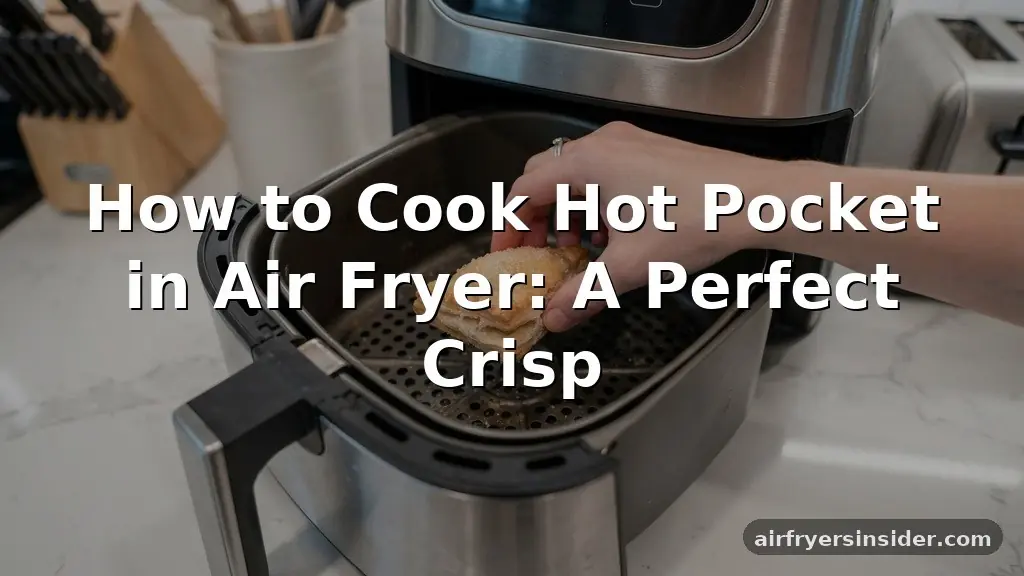
Learning how to cook a hot pocket in an air fryer is the secret to moving beyond the soggy, uneven textures often associated with microwave preparation. By leveraging rapid convection cooking, you can transform these frozen snacks into meals with a satisfying, golden brown crust that mirrors the quality of a traditional oven in a fraction of the time.
Whether you are craving the classic pepperoni pizza variety or the savory ham and cheese option, understanding the mechanics of your air fryer will yield superior results. This approach ensures your snack has a crispy exterior while the internal temperature of the filling reaches a safe, molten consistency without the breaded crust becoming unpleasantly chewy or tough.
The Science of Air Frying Frozen Snacks
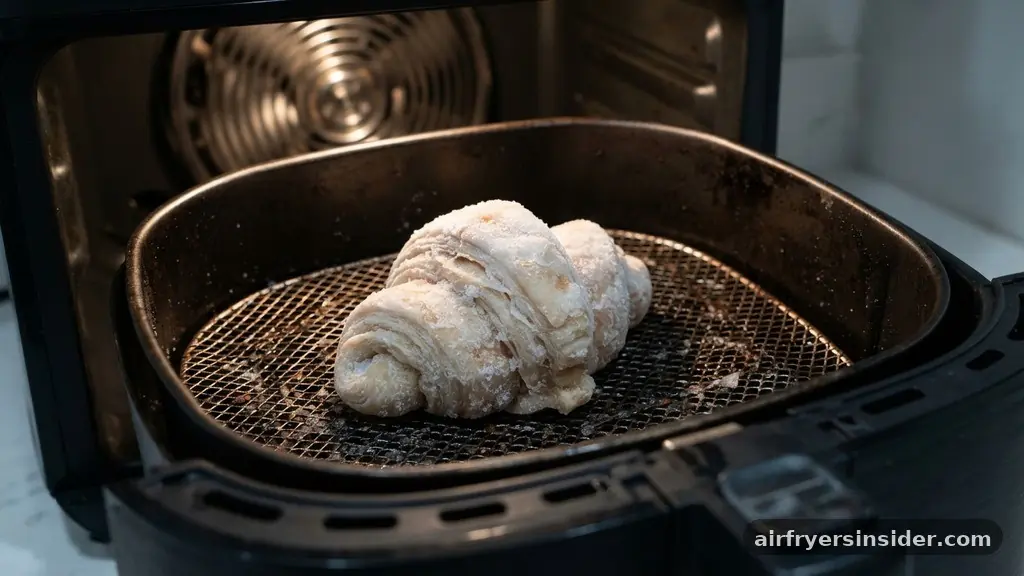
Air fryers function as miniature convection ovens, relying on a powerful fan to circulate hot air at high speeds around the food. When you place a frozen item like a Hot Pocket into this environment, the intense heat works immediately on the surface.
Unlike a microwave, which excites water molecules to heat food from the inside out, the air fryer focuses on dehydrating the outer layers slightly to create that coveted crunch. This process is highly efficient because the small cooking chamber minimizes heat loss, allowing for rapid browning and even heat distribution across the entire surface of the pastry.
The key to mastering this technique lies in understanding how air circulation interacts with the breaded crust. When you cook a Hot Pocket in an air fryer, the hot air hits the dough, causing it to puff up and crisp rather than steam. Because these products are pre-cooked during manufacturing, your main goal is to thaw the center and crisp the exterior.
If the air circulation is blocked by overcrowding the basket, the moisture trapped inside will soften the crust, negating the primary advantage of this cooking method. Proper spacing ensures that every inch of the dough gets exposed to the heat, leading to a professional-grade finish.
Preheating and Temperature Settings
Many home cooks skip the preheating phase, but it is a critical step when you want the best possible texture. Preheating your air fryer for three to five minutes ensures the unit is at the target temperature the moment the food enters the basket.
For most frozen pastries, an initial setting of 350°F to 375°F works best. Higher temperatures might brown the outside too quickly, leaving the interior frozen, while lower temperatures can result in a pale, doughy crust that lacks appeal.
Consistency is vital for snack preparation. By maintaining a steady temperature, you prevent the crust from becoming overly hard or burnt. If you are using a basket style air fryer, the proximity of the heating element to the food can be significant.
If you find your snacks are browning too fast on top, reduce the temperature by 25 degrees and add a minute or two to the total cooking time. This adjustment compensates for the intensity of the heating element and allows the heat to penetrate the filling more effectively, ensuring the center is hot without sacrificing the integrity of the outer layer.
Managing Internal Temperature and Food Safety
Achieving the correct internal temperature is the most important factor for both food safety and enjoyment. You want the filling to be thoroughly heated, as a lukewarm center is the hallmark of a poorly prepared frozen meal.
While you do not necessarily need a digital thermometer for every snack, you should be mindful of the steam that escapes when you bite into it. If the filling is not steaming, the food has not reached a safe temperature.
To ensure the center is perfectly melted, consider the thickness of the filling. Options like pepperoni pizza or ham and cheese have different moisture profiles and density. If you are cooking a variety with a thicker, heartier filling, you might need an extra minute of cooking time or a brief resting period.
This resting phase allows the residual heat from the outer crust to continue warming the center, which is a common technique used in professional kitchens to finish delicate items without overcooking the exterior. Always prioritize safety by ensuring the product is steaming hot throughout before serving.
Comparing Methods: Air Fryer vs. Microwave
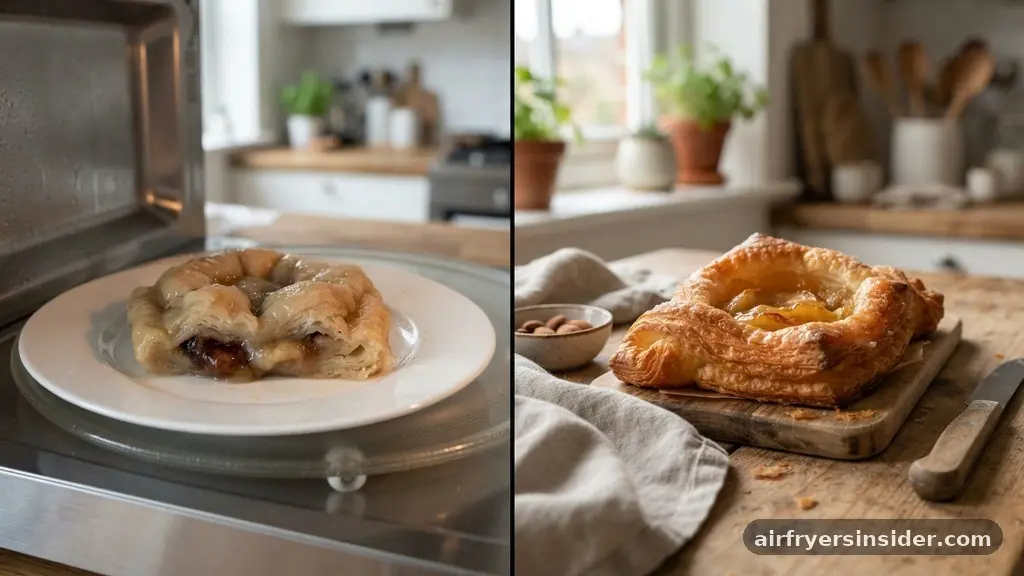
It is common to wonder if the extra time spent on air frying is truly worth it compared to the speed of a microwave. The microwave comparison reveals a stark difference in texture and quality. Microwaves struggle to manage moisture, often resulting in pockets that are rubbery or excessively soft.
The air fryer, by contrast, removes surface moisture, which is the exact mechanism that creates a crispy, flaky crust. While a microwave might finish in two minutes, the air fryer takes slightly longer but provides a much more satisfying eating experience.
| Feature | Microwave | Air Fryer |
|---|---|---|
| Crust Texture | Soft/Chewy | Crispy/Golden |
| Cooking Time | 1.5 – 2 Minutes | 8 – 12 Minutes |
| Evenness | Often inconsistent | Uniform browning |
| Added Effort | Low | Moderate |
This table highlights why those who prioritize texture almost always choose the air fryer. The microwave is convenient, but it essentially steams the product, which is not the intended preparation method for a pastry-based snack. By utilizing the air fryer, you are essentially mimicking the environment of a pizza oven or a high-end toaster oven, which is far better suited for the ingredients used in these frozen goods.
Optimizing Basket Placement and Airflow
When setting up your air fryer, the placement of the food is just as important as the temperature. Avoid stacking your snacks. If you are cooking more than one, arrange them in a single layer with enough space between them for air to flow freely.
If the air cannot circulate underneath the Hot Pocket, the bottom will remain soft and pale. For basket style air fryers, this often means cooking in smaller batches if you have a larger family to feed.
Rack placement also matters if you are using an air fryer toaster oven combo. Placing the rack in the center position provides the most balanced heat. If you place it too close to the top heating element, the top will brown too fast; too low, and the bottom may stay undercooked.
If your model allows, flip the snack halfway through the cooking time. This simple action ensures that both sides receive equal exposure to the convection airflow, resulting in a perfectly golden brown finish across the entire product.
Addressing Common Cooking Challenges
One of the most frequent questions involves the use of the crisping sleeve. Traditionally, these sleeves are designed for the microwave to help brown the dough. In an air fryer, you should discard the sleeve entirely.
The sleeve is engineered to absorb microwave energy and convert it to heat, but in an air fryer, it will simply block the hot air from reaching the pastry, leading to uneven results. Direct heat is exactly what you want, so place the snack directly on the basket grate or on a piece of parchment paper designed for air fryers.
Another issue involves the filling leaking out. This usually happens if the temperature is too high or the cooking time is excessive. If you notice the filling bubbling out, it is a sign that the pastry has reached its limit.
To prevent this, ensure the Hot Pocket is fully thawed before cooking, or if cooking from frozen, be diligent about checking it at the eight-minute mark. If you are worried about cleanup, use a small piece of parchment paper, but ensure it does not cover so much of the grate that it restricts airflow.
Topical Gaps: What You Might Be Missing
Many articles overlook the impact of wattage differences between various air fryer models. A 1700-watt unit will cook significantly faster than a 1200-watt unit.
If you find your food is consistently undercooked at the recommended times, your unit might have lower wattage, and you should add two minutes to your cycle. Conversely, if you have a high-wattage unit, start checking for doneness a minute or two early to avoid burning.
Another gap in common knowledge is the use of non-stick spray. While the basket of an air fryer is usually non-stick, a very light spritz of oil can enhance the browning process. Do not overdo it, as too much oil can create smoke.
A light coating helps the heat transfer more efficiently to the crust, yielding a more uniform color. Additionally, understanding the cooling time is essential. Because the filling is essentially molten, letting it sit for two minutes after removing it from the air fryer allows the internal pressure to stabilize, which prevents the filling from exploding when you take the first bite.
Essential Tips for Snack Preparation Success
To ensure your snack preparation is consistent, keep a few best practices in mind. Always check the packaging for specific manufacturer recommendations, though these are often tuned for microwaves or ovens. Use these as a baseline, but trust your eyes.
The visual cue of a golden brown crust is the most reliable indicator that the pastry is ready. If you are cooking multiple items, remember that the total mass in the basket will change the cooking dynamics. More mass means more heat absorption, so you may need to increase the cooking time slightly.
- Remove the crisping sleeve before placing the snack in the basket.
- Avoid overcrowding to ensure adequate air circulation around each piece.
- Preheat the unit for at least three minutes for a consistent start.
- Flip the items halfway through for even browning on both sides.
- Use a small piece of parchment paper if you want to make cleanup easier.
- Allow for a two-minute cooling period so the filling can set.
Following these simple steps will elevate your results. By treating the air fryer as a precision tool rather than just a quick-heat device, you turn a simple frozen snack into a much better culinary experience.
FAQ Section
Can I cook frozen Hot Pockets in an air fryer without thawing them?
Yes, you can cook them directly from frozen. The air fryer is perfectly suited for this, as the intense convection heat thaws the center while simultaneously crisping the outer crust. Just be sure to adjust your cooking time slightly to account for the frozen internal temperature.
What is the ideal temperature for cooking a Hot Pocket?
The ideal temperature is between 350°F and 375°F. This range is high enough to create a golden brown, crispy exterior without burning the dough, while providing enough consistent heat to ensure the interior filling reaches a safe, steaming temperature throughout the entire snack.
How long should I cook a Hot Pocket in an air fryer?
Typically, a Hot Pocket takes between 8 and 12 minutes at 350°F to 375°F. The exact time depends on your specific air fryer’s wattage and how many snacks you are cooking at once. Always check for a golden brown color and ensure the filling is steaming hot.
Is it better to use an air fryer or a microwave?
If you prioritize texture, the air fryer is significantly better. It creates a crisp, oven-like crust that the microwave simply cannot achieve. While the microwave is faster, it tends to make the dough soft or chewy, whereas the air fryer produces a superior, satisfying crunch.
Conclusion
Mastering the process of cooking a Hot Pocket in an air fryer is a simple way to upgrade your quick meals. By focusing on proper airflow, avoiding the use of the microwave sleeve, and being mindful of your specific machine’s wattage, you can achieve a consistent, delicious result every time. The transition from a soggy, microwaved snack to a crispy, golden brown treat is well worth the extra few minutes of effort.
Experiment with your temperature settings and timing to find the perfect balance for your specific air fryer model. Once you have dialed in your preferred method, you will likely never go back to the microwave for these frozen favorites. Enjoy the process of refining your snack preparation and feel free to try new varieties with the confidence that they will turn out perfectly crisp every time.
Meta Description: Learn how to cook a hot pocket in an air fryer for a crispy, golden brown crust. Follow our expert tips on temperature, timing, and airflow for perfect results.


