

Getting that perfect, restaurant-quality crunch on a potato without deep-frying used to be a challenge, but learning how to cook potatoes in an air fryer changes everything. By harnessing the power of intense convection heat, you can achieve a texture that is remarkably crispy on the outside while remaining fluffy and tender on the inside.
Whether you are craving quick wedges, perfectly roasted cubes, or a classic baked potato, this appliance provides a level of consistency that traditional ovens often struggle to match. With the right technique and a bit of attention to detail, you will soon be turning out potato dishes that become a staple in your regular rotation.
Understanding the Mechanics of Air Frying Potatoes
At its core, an air fryer is a compact convection oven. It works by circulating hot air at high speeds around the food, which mimics the effects of deep frying by dehydrating the exterior of the potato rapidly.
This process creates a Maillard reaction, the chemical process responsible for that desirable golden brown color and savory flavor profile. Because the air circulation is so concentrated, you gain the benefit of faster cooking times compared to a standard oven.
The secret to success lies in understanding the relationship between surface moisture and heat. If you leave too much moisture on the surface of your potatoes, they will steam instead of crisping. Patting your vegetables dry before seasoning is a non-negotiable step for anyone serious about texture.
Furthermore, the air fryer basket design plays a significant role in heat distribution. By not overcrowding the space, you ensure that the hot air can reach every side of the potato, leading to even browning and a superior final result.
Choosing the Right Potato Variety
Not all tubers perform the same when exposed to high-heat convection. Your choice of potato should be dictated by the texture you want to achieve.
For baked potatoes or anything requiring a fluffy interior, russet potatoes are the gold standard. Their high starch content allows them to break down into a light, airy consistency that contrasts beautifully with a crackling skin.
If you prefer a creamier, more buttery interior, yukon gold potatoes are your best bet. They hold their shape better than starchy varieties, making them ideal for diced potatoes or wedges that need to stay intact during the tossing process. Red potatoes, while waxy, can also work, though they lack the fluffy interior of the russet.
When you are picking out your produce, look for firm potatoes without green spots or significant sprouting. Uniformity in size is also key; when you cut your potatoes into consistent shapes, they will all finish cooking at the same time, preventing the frustration of having some pieces burnt while others remain raw.
Essential Preparation Techniques for Crispiness
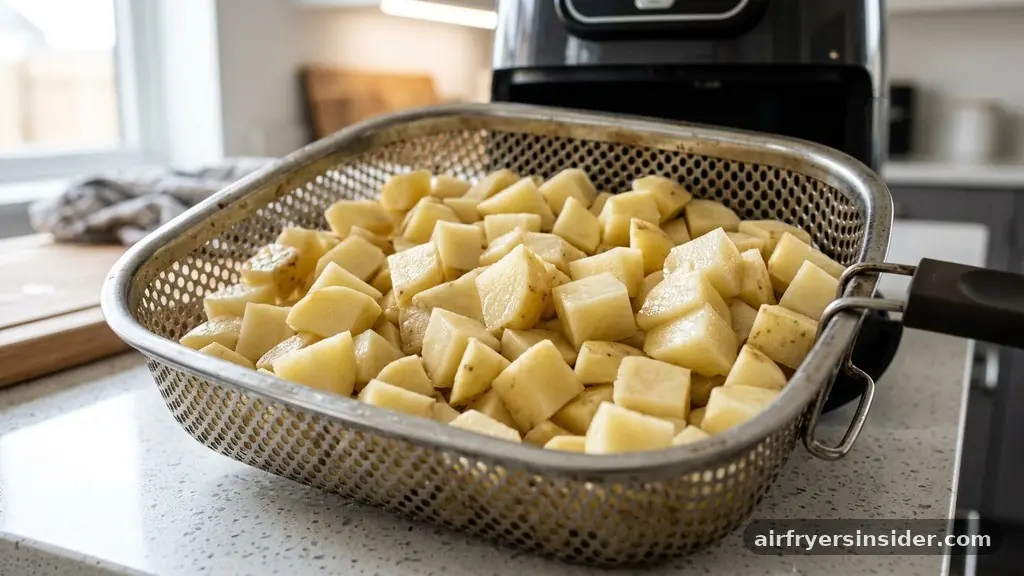
Preparation starts long before the machine is turned on. Once you have washed and dried your potatoes, the way you cut them determines how they react to the heat. Diced potatoes offer the most surface area for crisping, while potato wedges provide a nice balance between a soft center and a crunchy edge.
For whole baked potatoes, a crucial step is fork-piercing the skin. This allows internal steam to escape, preventing the potato from splitting or, in extreme cases, exploding due to pressure buildup.
After cutting, many home cooks find that soaking the potatoes in cold water for 30 minutes draws out excess starch. This is particularly useful if you want an ultra-crispy fry-like texture. After soaking, you must dry them thoroughly with a kitchen towel.
Once dry, toss them in a bowl with your chosen fat—avocado oil or olive oil are excellent choices because they handle high heat well. The oil acts as a heat conductor, ensuring that the surface of the potato crisps up evenly rather than just drying out.
The Role of Seasoning and Flavor Profiles
Seasoning is where you can truly make the dish your own. While kosher salt is essential for enhancing the natural earthiness of the potato, layering other spices can transform a simple side dish into a main event.
Garlic powder is a classic addition that caramelizes slightly in the air fryer, adding a subtle sweetness. Paprika, particularly smoked paprika, provides a beautiful color and a depth of flavor that mimics a wood-fired grill.
Always season your potatoes after you have coated them in oil but before they enter the air fryer basket. This ensures the spices adhere to the surface rather than falling through the mesh or grate of the basket.
If you are using fresh herbs like rosemary or thyme, add them during the last few minutes of the cooking time to prevent them from burning and turning bitter. A quick toss halfway through the process helps redistribute the oil and seasonings, ensuring a uniform flavor profile across every bite.
Optimizing Cooking Time and Temperature
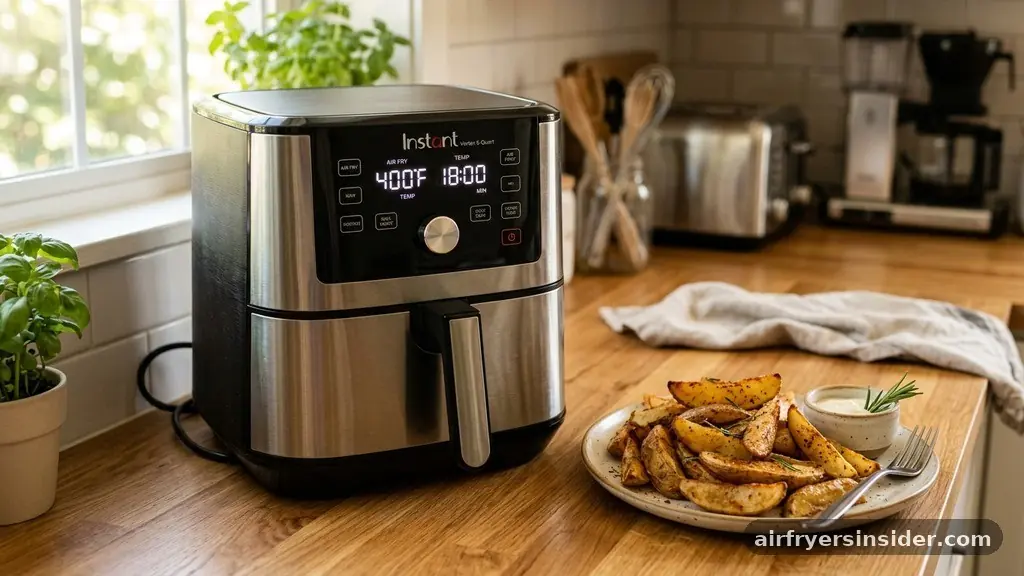
The cooking time for potatoes in an air fryer varies based on the size of the cut and the density of the potato. Most air-fried potato recipes thrive at a temperature between 380°F and 400°F. If you go too low, the potatoes will take too long and potentially dry out; if you go too high, the exterior may brown before the center is cooked through.
Estimated Cooking Guidelines
| Potato Style | Temp (°F) | Time (Minutes) |
|---|---|---|
| Diced Potatoes | 390 | 15-20 |
| Potato Wedges | 400 | 18-22 |
| Whole Baked Potato | 400 | 35-45 |
These times are estimates, as every air fryer model has slightly different airflow capabilities. The best way to gauge doneness is to check the internal temperature or use the fork-piercing method. For a whole baked potato, the internal temperature should reach about 205°F to 210°F to ensure the center is perfectly soft.
Addressing Common Challenges and Topical Gaps
One of the most frequent questions regarding this cooking method is whether preheating is necessary. While many manufacturers suggest it, you can often get away with skipping it if you add an extra three to five minutes to your cooking time. However, preheating does help with initial searing.
Another common issue is uneven cooking. If you find your potatoes are soft in the middle but burnt on the edges, you are likely overcrowding the basket.
To solve this, try cooking in batches. It is better to have two cycles of perfectly crispy potatoes than one cycle of steamed, mushy ones. If you are using a basket-style air fryer, shaking the basket every five to seven minutes is the most effective way to ensure hot air reaches all sides of the ingredients.
For oven-style air fryers with racks, consider your shelf placement. The rack closest to the heating element will brown the potatoes much faster, so rotate your trays if necessary to keep the cooking consistent.
Essential Tools for Air Frying Success
While you don’t need a kitchen full of gadgets, a few specific tools can make the process much easier. A good pair of silicone-tipped tongs is essential for moving hot potatoes without scratching your air fryer’s non-stick coating. If you are cooking whole baked potatoes, a digital food thermometer is the only way to be 100% certain that the center is cooked through without having to slice into it prematurely.
- Silicone tongs: Prevents damage to the non-stick basket coating.
- Digital food thermometer: Ensures the internal temperature is safe and perfectly cooked.
- Oil sprayer: Provides a thin, even mist of oil without saturating the potatoes.
- Parchment paper liners: Useful for cleanup, though they can slightly restrict airflow if they cover the entire bottom of the basket.
- Mixing bowl: Crucial for ensuring every potato piece is evenly coated in oil and seasoning.
Using an oil sprayer is particularly effective because it allows you to control the amount of fat used, keeping your cooking process relatively light while still achieving that golden brown crunch. If you don’t have a sprayer, just be careful to toss the potatoes by hand or with a spoon to avoid excess pooling of oil at the bottom of the basket.
Advanced Techniques for Texture Control
If you are chasing the ultimate crispy skin, you might want to experiment with double-cooking. Start by air frying your potatoes at a lower temperature, around 320°F, for about ten minutes. This allows the heat to penetrate the center of the potato and cook it through gently.
Then, remove the basket, shake the potatoes, increase the temperature to 400°F, and finish them for another five to eight minutes. This two-stage process mimics the classic double-fry method used in professional kitchens, resulting in a center that is incredibly creamy and a skin that is shatteringly crisp.
Another technique involves the use of cornstarch. After tossing your potatoes in oil and seasonings, add a light dusting of cornstarch to the mix. The starch absorbs residual moisture on the surface of the potato and creates a thin, crispy crust that holds up well against the intense heat.
This is a common trick used for making extra-crispy fries and works exceptionally well in an air fryer. Just be sure not to overdo it, as a thick layer of cornstarch can become gummy if it doesn’t get enough oil to turn golden.
Maintaining Your Equipment
Your air fryer requires consistent maintenance to remain effective. Because you are using oil, residue can build up on the heating element and the basket, leading to smoke during future cooking sessions. After each use, once the unit has cooled down, wipe out the basket with a damp cloth or wash it with warm, soapy water.
If you notice that your potatoes are consistently taking longer to cook than they used to, check the air intake and exhaust vents. Dust and grease buildup in these areas can restrict airflow, which directly impacts the efficiency of the convection heat.
Keeping the unit clean ensures that the air circulation remains unobstructed, which is the most important factor in achieving that professional-level crispiness. By treating your air fryer with care, you will find that it remains a reliable tool for years to come, consistently producing perfect potato dishes.
FAQ
Can I cook raw potatoes directly in the air fryer?
Yes, you can absolutely cook raw potatoes in an air fryer. Whether they are diced, wedged, or whole, raw potatoes cook efficiently using convection heat. Ensure they are cut to a uniform size and lightly coated in oil to facilitate even browning and a crispy exterior.
How long should potatoes take to cook?
Cooking time depends on the cut and the size of the potato. Diced potatoes typically take 15 to 20 minutes at 390°F. Whole baked potatoes require a longer duration, usually 35 to 45 minutes at 400°F, depending on their size and your specific machine’s power.
What are the common mistakes when air frying potatoes?
The most common mistakes include overcrowding the basket, failing to pat the potatoes dry, and not shaking the basket during the cooking process. Overcrowding prevents proper air circulation, while excess moisture causes the potatoes to steam and turn mushy rather than becoming crispy.
Do I need to preheat my air fryer?
While preheating is not strictly mandatory, it is recommended for better results. Preheating ensures the cooking chamber is at the target temperature immediately, which helps in searing the exterior of the potato quickly. If you skip it, simply add a few extra minutes to your total cook time.
Conclusion
Mastering the art of cooking potatoes in an air fryer is a rewarding skill that simplifies meal prep while significantly improving the quality of your side dishes. By focusing on consistent sizing, thorough drying, and proper seasoning, you can create textures that rival those from a deep fryer with a fraction of the oil. Remember to prioritize air circulation by not overcrowding your basket and to keep your equipment clean for optimal performance.
Whether you prefer them as a quick snack or a hearty accompaniment to a main meal, potatoes are incredibly versatile in this appliance. Now that you have the techniques down, experiment with different spice blends and potato varieties to find your personal favorite way to prepare them. Enjoy the process of refining your technique and sharing these crispy, delicious results with others.
Meta Description: Learn how to cook potatoes in an air fryer to achieve the perfect crispy skin and fluffy interior with these expert tips and techniques.


