Mastering the art of cooking salmon fillet in air fryer requires a balance of timing and heat management to ensure the fish remains moist. Many home cooks struggle with dry, rubbery fish, but the convection power of an air fryer actually makes it one of the most reliable ways to achieve a professional finish.
By focusing on the right internal temperature and proper preparation, you can produce a flaky, tender meal that rivals high-end restaurant quality. Whether you prefer a quick weeknight dinner or a healthy meal prep option, understanding how to manipulate your appliance for the best results is the secret to consistent success.
The Science of Convection Cooking for Seafood
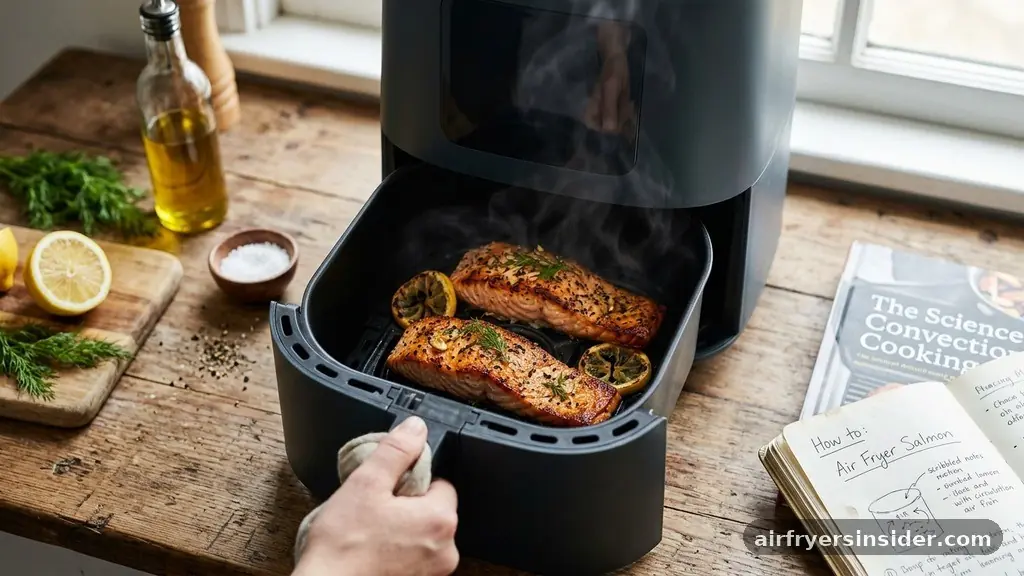
The air fryer is essentially a compact, high-powered convection oven. When you place a salmon fillet inside, the machine circulates superheated air at high speeds, which creates a rapid browning effect on the surface of the protein.
Unlike a traditional oven, which relies on radiant heat that can take longer to penetrate, the air fryer uses this intense airflow to cook the fish from all sides simultaneously. This environment is ideal for salmon because it locks in natural juices while providing a desirable, slightly crisp exterior.
Because air fryers are so efficient, they significantly reduce the time needed to reach the desired doneness. However, this efficiency is a double-edged sword; if you aren’t careful, you can easily bridge the gap from perfectly cooked to dry. Understanding the relationship between airflow and moisture is key.
By keeping the air moving, the unit prevents the salmon from steaming in its own juices, which is a common issue with pan-searing. The result is a clean, flavorful dish that highlights the natural quality of the fish without requiring excessive amounts of oil or butter.
Preparation and Cooking Techniques for Success
Before the salmon even touches the basket, your prep work dictates the final outcome. Start by patting the fillets completely dry with a paper towel. Moisture on the surface of the fish acts as a barrier to browning; if the fish is damp, it will steam rather than sear.
Once dry, brush the fillet lightly with a high-smoke point oil, such as avocado oil. Avocado oil is perfect for this task because it won’t burn or produce an off-flavor at the high temperatures often used for air frying.
Seasoning should be applied generously just before the fish goes into the basket. While simple salt and pepper are often enough, you can experiment with garlic powder, smoked paprika, or dried herbs to build a crust.
If you are looking for a particularly moist result, spreading a very thin layer of mayonnaise over the top of the salmon creates a protective barrier. This technique sounds unusual, but the fat in the mayonnaise melts and bastes the fish as it cooks, ensuring it stays succulent and flavorful.
Navigating Skin-On vs. Skinless Fillets
The decision to buy skin-on or skinless fillets changes how you approach the cooking process. When you opt for skin-on, the skin acts as a natural shield, protecting the delicate flesh from the intense heat of the heating element. To achieve crispy skin, place the salmon skin-side down in the basket.
The fat rendered from the skin helps crisp the edges while keeping the meat underneath buttery and soft. You generally don’t need to flip these fillets, as the skin provides enough insulation to cook the fish evenly.
Skinless fillets, on the other hand, require a more gentle cook to prevent them from falling apart or drying out. Because there is no barrier, you must be more vigilant about your timing. If using skinless fillets, consider placing them on a small piece of parchment paper to prevent them from sticking to the air fryer basket.
This also makes cleanup significantly easier. Regardless of the type you choose, ensure the fillets are of similar thickness so that they cook at the same rate, avoiding the scenario where one piece is done while the other remains raw.
Optimal Temperature and Timing Guidelines
Temperature control is the most critical factor when cooking salmon in an air fryer. Most recipes suggest a range between 375°F and 400°F. At 400°F, you get a faster, more aggressive sear, which is perfect for those who enjoy a slightly darker crust.
However, if you want a more gentle cook that minimizes the risk of overcooking, 375°F is often the sweet spot. It provides enough heat to cook the fish through without causing the white albumin—that unsightly white protein that leaks out—to pool on the surface.
Timing varies based on the thickness of the fillet, but as a general rule, a standard 6-ounce fillet takes about 7 to 10 minutes. Thinner pieces may only need 6 minutes, while a thick center-cut piece might require up to 12. Never rely solely on the clock, as every air fryer model has a different heating intensity.
The only way to guarantee perfection is to use an instant-read thermometer. Aim for an internal temperature of 125°F to 130°F for medium-rare, or 145°F if you prefer your fish fully opaque and firm.
| Thickness of Fillet | Cooking Time (at 375°F) | Internal Temperature |
|---|---|---|
| 1 inch | 7-8 minutes | 125°F-130°F |
| 1.5 inches | 9-11 minutes | 130°F-135°F |
| 2 inches | 12-14 minutes | 135°F-140°F |
Common Mistakes to Avoid in the Kitchen
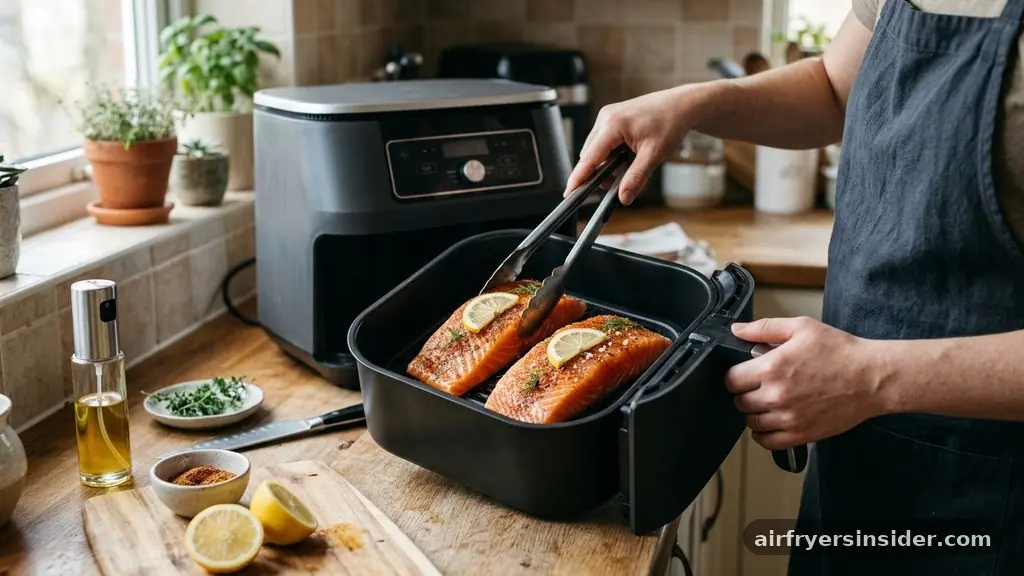
Even experienced cooks can fall into traps when using an air fryer. One of the most frequent errors is overcrowding the basket. Air fryers rely on the circulation of hot air; if you pack the basket with too many fillets, you block the airflow, leading to uneven cooking and soggy edges.
Always leave at least an inch of space between each piece of fish. If you are cooking for a large family, it is far better to cook in two separate batches than to force everything into the machine at once.
Another common mistake is failing to account for carry-over cooking. The air fryer continues to radiate heat even after the timer goes off, and the salmon will continue to cook as it sits on the plate. If you pull the fish out exactly at 145°F, it will likely rise to 150°F or higher while it rests, resulting in a dry, chalky texture.
Pull the salmon when the thickest part hits about 130°F. The residual heat will finish the job perfectly during the three minutes you let it rest before serving.
Using Foil and Parchment Paper Effectively
Many users wonder about the safety and efficacy of using liners. Using foil and parchment paper can be a huge time-saver, but they must be used correctly to avoid interfering with the cooking process.
Parchment paper is excellent for preventing sticking, especially with skinless fillets. However, ensure the paper is weighed down by the food; if the fan is strong enough, the paper can blow around and hit the heating element, which is a fire hazard.
Foil is a great tool for creating a packet if you want to steam the fish with aromatics like lemon slices, dill, or butter. This method is much more forgiving than direct air frying, as the foil prevents the surface from drying out. If you choose to use foil, remember that it will block the airflow on the bottom of the fillet.
If you want a crispy skin, do not use foil on the bottom. Instead, place the fish directly on the basket rack, and use the foil only for easy cleanup of the drip tray below.
The Role of Fats and Seasonings
While salmon is naturally fatty and rich in omega-3s, adding a small amount of fat to the exterior helps conduct heat and creates a better texture. Beyond avocado oil, you can experiment with olive oil, though keep in mind its smoke point is lower, so it is better suited for lower-temperature cooking.
If you are using a dry rub, mixing it with a bit of oil before applying it to the fish creates a paste. This paste adheres better to the salmon and prevents the spices from blowing off under the high-velocity fan.
Flavorful additions like mayonnaise or mustard act as binders for herbs and breadcrumbs. A thin layer of Dijon mustard, for instance, provides a tangy crust that cuts through the richness of the salmon.
You can also press crushed nuts or panko breadcrumbs into this layer to add crunch. The key is to keep the coating thin; a thick layer of breading will not cook through properly in the short time it takes to air fry the fish, leading to a doughy or undercooked texture.
Addressing Topical Gaps
A common question that often goes unanswered is how to handle frozen salmon fillets. If you forget to defrost your fish, the air fryer is actually a great solution. You can cook frozen salmon directly, though you need to adjust your technique.
Start by running the frozen fillet under cold water to remove any ice crystals, then pat it dry. Increase the cooking time by about 3 to 5 minutes and lower the temperature slightly to 350°F to ensure the center thaws and cooks before the exterior burns.
Another gap in many guides is the issue of cleaning. Fish can leave behind strong odors and stubborn residue in an air fryer basket. To combat this, always wash the basket with hot, soapy water immediately after it cools down.
If the smell persists, place a small bowl of white vinegar or baking soda in the basket and run the air fryer at a low temperature for a few minutes to neutralize the odors. Dealing with these nuances ensures that your equipment remains in top shape for every meal.
Essential Tips for the Perfect Flaky Texture
Achieving that signature flaky texture is the hallmark of a perfectly cooked fillet. To ensure this, you must avoid overcooking at all costs. The muscle fibers in salmon are delicate; once they contract too much, they lose their ability to hold onto moisture.
If you notice the fish starting to look white on the sides, it is usually a sign that it is nearing completion. Checking for doneness with a fork is a reliable secondary method: simply insert the fork into the thickest part and gently twist. If the meat flakes easily along the natural lines, it is ready to eat.
Resting is the final step that most people skip. Just like a steak, salmon needs time to redistribute its juices. Giving it three to five minutes of rest time allows the moisture to settle back into the center of the fillet.
If you cut into it immediately, the juices will run out onto your plate, leaving you with a drier piece of fish. By following these steps—proper prep, temperature monitoring, and patience—you will find that cooking salmon fillet in air fryer becomes a stress-free staple of your weekly routine.
Frequently Asked Questions
How long do you cook salmon for in the air fryer?
For most 6-ounce fillets, cook for 7 to 10 minutes at 375°F or 400°F. Always use an instant-read thermometer to check for an internal temperature of 130°F, as cooking times vary depending on the thickness of the fish and the specific air fryer model you are using.
What are common mistakes when air frying salmon?
The most common mistakes are overcrowding the basket, which prevents even airflow, and failing to use a thermometer, leading to overcooked, dry fish. Additionally, not patting the fish dry before seasoning prevents the surface from browning properly, resulting in a steamed rather than seared texture.
Can I wrap my salmon in foil and put it in an air fryer?
Yes, you can use foil to create a packet for steaming the fish with herbs and aromatics, which helps keep the salmon very moist. However, if you want a crispy skin or a seared exterior, it is better to place the salmon directly on the air fryer basket rack.
Do you cook salmon skin up or down in an air fryer?
For skin-on fillets, you should place the salmon skin-side down in the air fryer basket. This allows the fat in the skin to render and crisp up, providing a delicious texture while the skin acts as an insulating layer to keep the delicate meat moist during the cooking process.
Cooking salmon in an air fryer is one of the most efficient ways to prepare a nutritious, restaurant-quality meal at home. By focusing on the internal temperature rather than just the clock, you ensure the fish stays moist and tender every single time. Whether you are using skin-on fillets for that perfect crunch or skinless pieces for a quick, healthy dinner, the consistency provided by convection air frying is hard to beat.
Remember to pat your fillets dry, use a high-quality oil, and always allow the fish to rest for a few minutes before serving to lock in those natural juices. With these simple techniques, you will find that perfectly cooking salmon fillet in air fryer becomes an easy, reliable part of your culinary repertoire. Start experimenting with different seasonings today and enjoy the results.
Meta Description: Learn how to cook salmon fillet in air fryer perfectly. Get tips on temperature, timing, and achieving that flaky, tender texture every single time.