

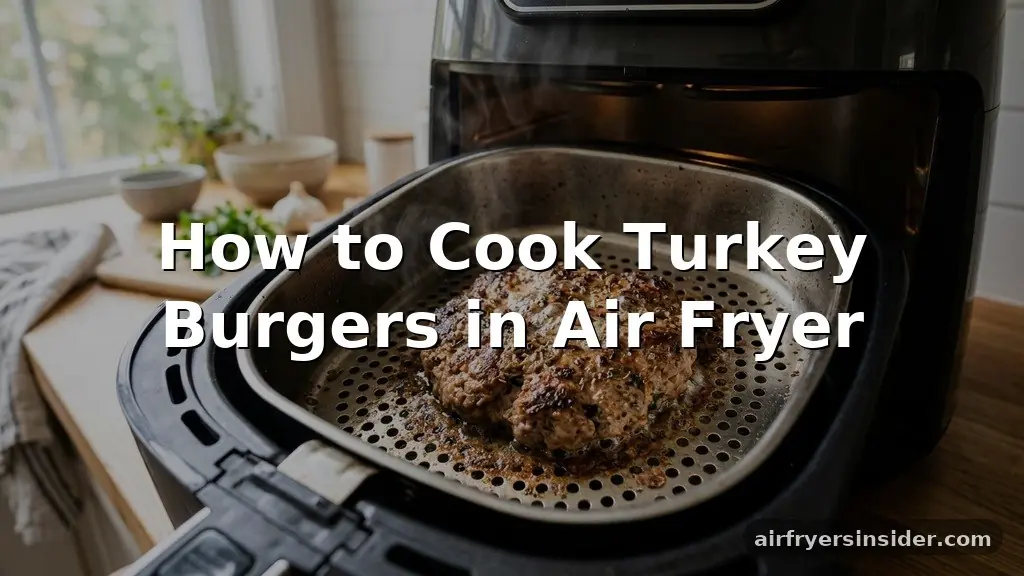
Cooking turkey burgers in an air fryer is one of the most efficient ways to prepare a healthy, high-protein meal without sacrificing texture or flavor. Because the air fryer utilizes powerful convection cooking technology, it circulates hot air rapidly around the food, creating a crispy exterior while maintaining the meat moisture that is often lost in traditional pan-frying or oven roasting.
Mastering the art of the perfect air-fried burger requires an understanding of how to manage lean meat, which tends to dry out faster than beef. By following precise temperature controls and preparation techniques, you can achieve a restaurant-quality result right in your own kitchen.
Understanding the Benefits of Air Frying Lean Protein
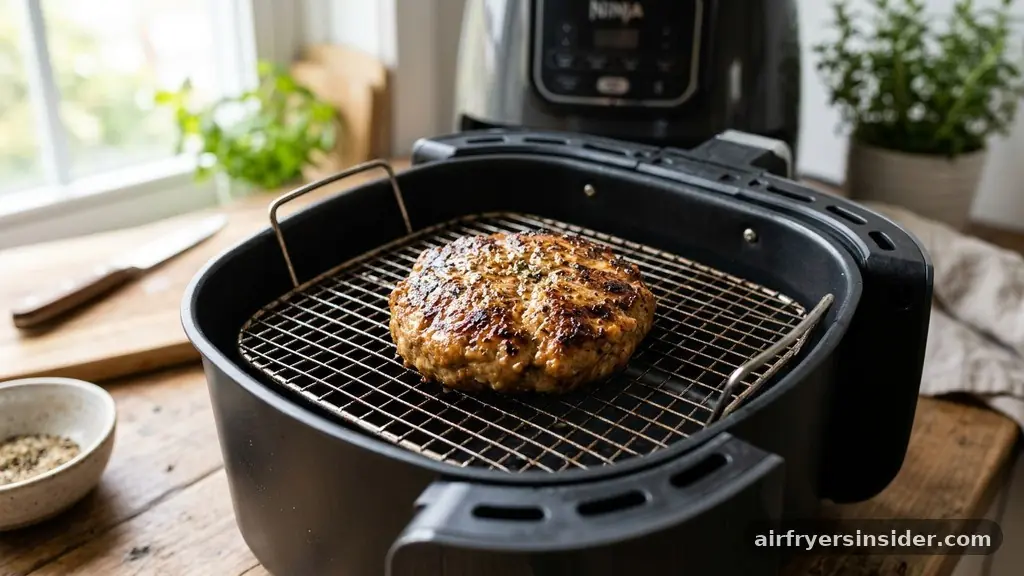
When you choose ground turkey as your primary protein source, you are opting for a lean protein that is lower in saturated fat compared to traditional ground beef. However, the lack of intramuscular fat in turkey can make it challenging to keep the patty succulent.
Air fryers solve this by using indirect heat and rapid air circulation, which cooks the surface of the meat quickly, effectively sealing in juices before the center overcooks. Unlike deep-frying, which adds unnecessary calories, the air fryer requires minimal added fats, making it a superior choice for health-conscious meal planning.
The convenience factor is equally compelling. An air fryer reaches its optimal cooking temperature in a fraction of the time it takes a conventional oven to preheat.
Furthermore, the compact size of the air fryer basket ensures that heat is concentrated, reducing energy consumption and kitchen heat during the summer months. By mastering the specific settings needed for poultry, you can transition away from greasy fast-food alternatives and enjoy a flavorful, nutrient-dense burger that fits perfectly into a balanced diet.
Essential Ingredients for Flavorful Turkey Patties
Because turkey is naturally milder than beef, the secret to a great burger lies in your spice blend and binders. To ensure the patties hold their shape and pack a punch, you should incorporate flavor enhancers that complement the poultry without overpowering it. A classic combination includes garlic powder and onion powder for depth, along with a splash of Worcestershire sauce to provide a savory, umami-rich profile that mimics the richness of red meat.
The texture of the patty is just as important as the taste. Adding a small amount of breadcrumbs or panko can help absorb the natural juices released during cooking, preventing the patty from becoming mushy or falling apart when you go to flip it. It is also common practice to mix in fresh herbs like parsley or cilantro, or even finely diced shallots.
Remember to handle the mixture gently; overworking the meat will lead to a tough, rubbery texture. Once formed, your patties should be chilled for at least 15 minutes before cooking, as this helps them maintain their structure when exposed to the high heat of the convection chamber.
Preparing the Air Fryer for Success
Before you begin, proper preparation of your equipment is vital to ensure an even cook and easy cleanup. While many modern air fryers have non-stick surfaces, using a light coating of olive oil spray on the grate or a piece of parchment paper can prevent the patties from sticking and tearing when you turn them. If you choose to use parchment paper, ensure it is perforated to allow the air to circulate freely; blocking the airflow entirely will result in uneven cooking and defeat the purpose of the air fryer.
You should always preheat your air fryer for at least three to five minutes. This step is non-negotiable when cooking poultry, as it ensures the cooking process begins immediately upon placing the patties in the basket.
If you start with a cold basket, the surface of the turkey will not sear properly, leading to a pale, unappealing exterior. By creating a hot environment from the first second, you ensure that the Maillard reaction occurs, providing that characteristic savory crust that defines a truly great burger.
The Science of Temperature and Timing
Achieving the correct internal temperature is the most critical aspect of food safety and culinary satisfaction. According to USDA guidelines, ground poultry must reach an internal temperature of 165 degrees Fahrenheit to be considered safe for consumption.
Because air fryers are incredibly efficient, it is very easy to overcook the meat, resulting in a dry, chalky burger. Using a reliable food thermometer is the only way to guarantee that your burgers are cooked to perfection without guessing.
Cooking Time Reference Table
| Patty Type | Temperature | Estimated Time |
|---|---|---|
| Fresh 4oz Patties | 375°F | 10-12 minutes |
| Frozen Turkey Patties | 370°F | 15-18 minutes |
| Thick Hand-Formed Patties | 360°F | 14-16 minutes |
The cooking time will vary based on the thickness of your patties and the specific wattage of your air fryer model. Start checking your burgers about two minutes before the timer is set to go off. This proactive approach allows you to adjust the timing and avoid the common mistake of letting the turkey sit in the heat for too long, which is the primary cause of dry, unpalatable turkey burgers.
Handling Frozen Turkey Patties Safely
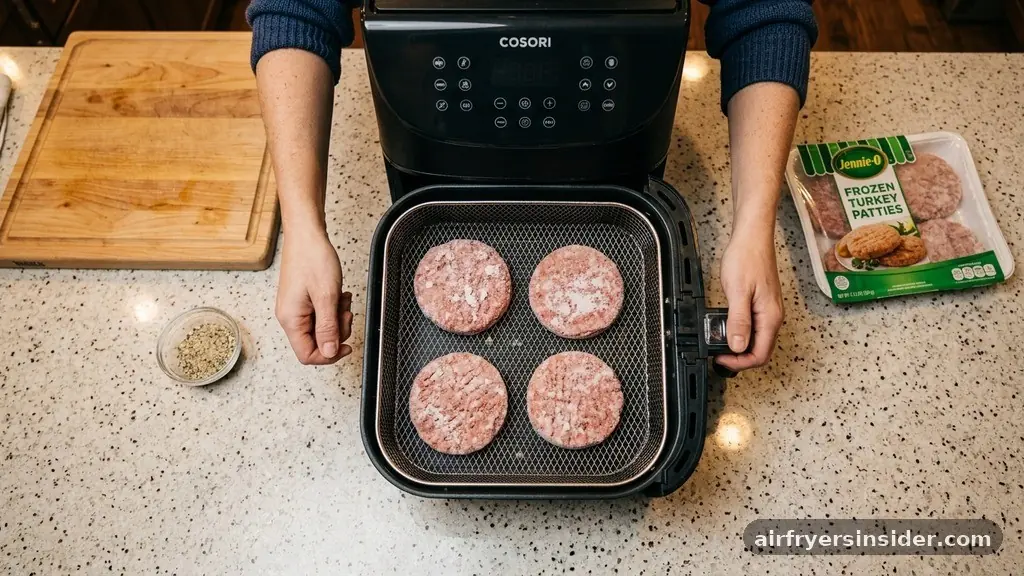
Many home cooks rely on frozen turkey patties for quick weeknight meals. Fortunately, the air fryer is one of the few appliances that handles frozen meat exceptionally well.
You do not need to thaw the patties beforehand, which saves significant time and reduces the risk of cross-contamination associated with defrosting raw meat on the kitchen counter. When cooking from frozen, simply lower the temperature by about 10 to 15 degrees compared to fresh patties and increase the cooking time.
When cooking frozen products, the initial stage of the process is essentially a thawing phase. By keeping the temperature slightly lower, you allow the center of the patty to reach the required temperature without burning the exterior.
You should still aim to flip the patties halfway through the process to ensure even browning on both sides. Always ensure that the thickest part of the patty reaches 165 degrees Fahrenheit, as frozen products can sometimes have cold spots that require an extra minute or two of heat.
Maintaining Food Safety and Hygiene
When working with raw poultry, food safety must be your top priority. Always wash your hands thoroughly with soap and warm water before and after handling the raw meat.
Ensure that all surfaces, cutting boards, and utensils that come into contact with the raw turkey are sanitized immediately to prevent the spread of bacteria. Never use the same plate that held your raw patties to serve the finished burgers, as this is a common vector for foodborne illness.
Using a food thermometer is not just about quality; it is a vital safety tool. Digital instant-read thermometers are highly recommended because they provide a precise reading in seconds.
By verifying the temperature, you remove all doubt and ensure that your family is eating a meal that is both delicious and safe. If you are preparing a large batch, check every patty individually, as internal temperatures can vary significantly between burgers depending on their position in the air fryer basket.
The Importance of Resting Time
A mistake often made by amateur cooks is serving the burgers the second they come out of the air fryer. Allowing for a proper resting time is essential for maintaining the juiciness of the meat.
When turkey cooks, the muscle fibers contract and push the juices toward the center of the patty. If you bite into a burger immediately, those juices will run out onto the plate, leaving you with a dry bite.
Letting the burgers rest on a clean plate or a wire rack for about three to five minutes allows the juices to redistribute throughout the meat. This simple pause results in a much more tender and flavorful experience. During this time, you can toast your brioche bun or prepare your garnishes, meaning the resting period is not just a delay, but an opportunity to finalize the assembly of your burger.
Assembling the Perfect Air Fryer Burger
Once your turkey burgers have rested, it is time to assemble them into a complete meal. The foundation of a great burger is the bun, and a toasted brioche bun is often the best choice for a turkey burger because its slight sweetness and buttery texture complement the lean meat perfectly. Before adding the patty, consider spreading a layer of aioli or a light spread on the bottom bun to act as a moisture barrier.
When it comes to toppings, keep the balance in mind. A cheese slice—such as sharp cheddar, pepper jack, or swiss—can be added during the last minute of cooking in the air fryer to ensure it melts perfectly over the patty.
Fresh vegetables like crisp lettuce, heirloom tomato slices, and red onion provide a necessary crunch that contrasts with the softness of the turkey. By layering textures—creamy cheese, crunchy vegetables, and savory meat—you create a complex eating experience that rivals any restaurant-style burger.
Solving Common Challenges and Troubleshooting
Even experienced cooks run into issues when transitioning to air fryer cooking. One common problem is the “flying patty” syndrome, where the air circulation is so strong that it blows lightweight ingredients or thin patties around the basket.
If you find your patties are moving, ensure they are formed with enough density or use a small piece of parchment paper to weigh them down. If your burgers are coming out dry, you may be cooking them at too high a temperature; try lowering the heat and checking the internal temperature more frequently.
Another common issue is uneven browning. This usually happens if the air fryer basket is overcrowded. Always leave at least an inch of space between the burgers to allow the air to circulate properly.
If you are cooking for a crowd, it is better to cook in batches than to cram everything into the basket at once. Remember that the air fryer is a tool of precision; by controlling the variables of heat, space, and time, you can overcome almost any culinary hurdle and achieve consistent, delicious results every single time you cook.
Frequently Asked Questions
How long do turkey burgers take in the air fryer?
Typically, fresh turkey burgers take between 10 and 12 minutes at 375°F. If cooking from frozen, extend the time to approximately 15 to 18 minutes at 370°F. Always use a food thermometer to ensure the internal temperature reaches 165 degrees Fahrenheit for safety.
What is the best temperature to cook turkey burgers?
For the best balance between a crispy exterior and a juicy interior, 375°F is the ideal temperature for fresh patties. If you are concerned about the exterior browning too quickly, you can drop the temperature to 360°F or 370°F and increase the cooking time slightly.
Do I need to flip turkey burgers in the air fryer?
Yes, flipping is essential. Because the air fryer heats from the top down, the bottom of the patty will not brown as effectively as the top. Flipping the burgers halfway through the cooking process ensures an even sear and helps the burger cook uniformly throughout.
Can I put cheese on turkey burgers in the air fryer?
You can, but timing is key. Add your cheese slice during the final 60 to 90 seconds of the cooking cycle. This is long enough for the cheese to melt beautifully over the meat without sliding off or burning before the turkey is fully cooked through.
Conclusion
Learning how to cook turkey burgers in an air fryer is a game-changer for anyone looking to incorporate more lean protein into their diet without sacrificing the joy of a good burger. By focusing on the fundamentals—proper seasoning, temperature control, and the necessary resting period—you can transform simple ground turkey into a succulent, flavorful meal. The air fryer’s convection capabilities provide a unique advantage, allowing for a healthy sear that traditional methods often struggle to replicate without excess oil.
Whether you are prepping a quick lunch or a family dinner, these techniques ensure that your turkey burgers remain a staple in your rotation, offering a perfect, guilt-free alternative to standard fast-food options. With practice, you will find that the air fryer is not just a convenient appliance, but an essential tool for elevating your home cooking.


