

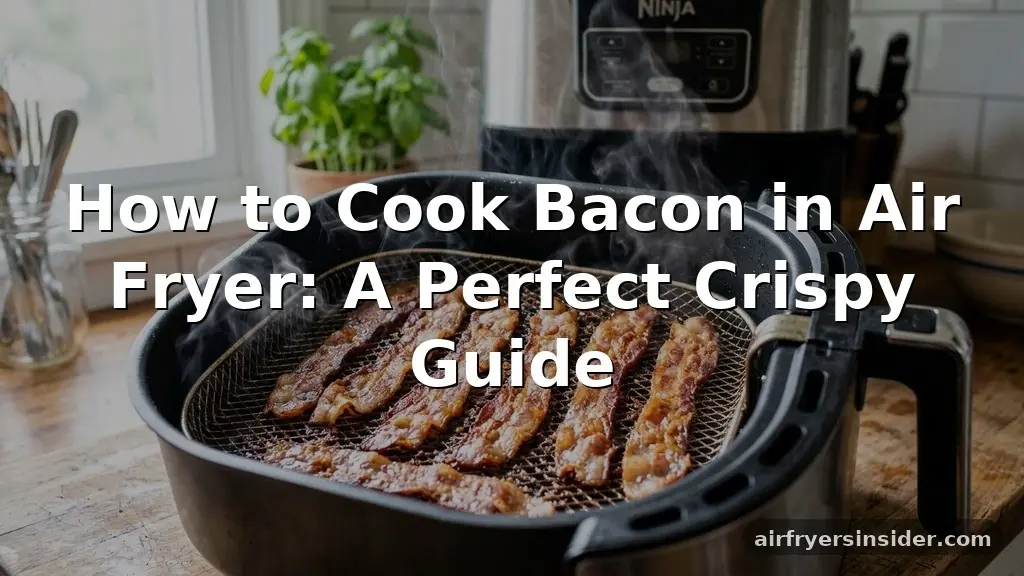
Learning how to cook bacon in air fryer setups has transformed breakfast routines for many home cooks. By harnessing rapid air circulation to achieve a consistently crispy texture, this method avoids the common pitfalls of stovetop frying while delivering superior results. Whether you prefer your slices extra crunchy or slightly chewy, the controlled environment of a convection appliance allows for precise adjustments that traditional pans often struggle to provide.
Mastering this technique not only saves time but also simplifies the cleanup process by containing the rendered fat within the device. You can achieve restaurant-quality results at home by following a few simple steps that ensure safety and flavor.
Understanding the Mechanics of Air Fryer Bacon
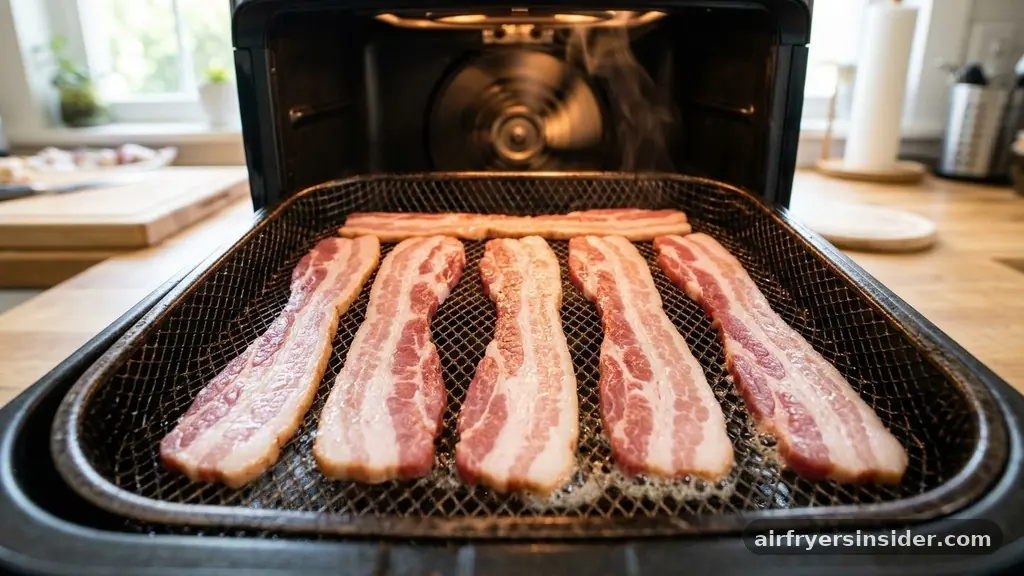
The primary appeal of using an air fryer for breakfast meats lies in the physics of convection cooking. Unlike a frying pan, which relies on direct conductive heat from a burner, an air fryer forces hot air around the food at high speeds.
This constant movement ensures that the heat penetrates the meat evenly, resulting in a uniform browning process that eliminates those dreaded undercooked, floppy sections. When you cook bacon in an air fryer, the intense environment helps to melt the fat quickly, allowing it to drip away from the meat into the drip tray below.
This separation is the secret to achieving that coveted crunch. Because the bacon is elevated on a rack or sitting in the air fryer basket, it doesn’t sit in a pool of its own grease while cooking. This constant drainage produces a cleaner, more intense pork flavor and a much lighter, less greasy mouthfeel.
Furthermore, the high-velocity air helps to dehydrate the surface of the meat rapidly, which is essential for developing the deep, caramelized color that defines perfectly cooked strips. By understanding these mechanics, you can better manage your cooking time and temperature to suit your specific preferences.
Selecting the Right Bacon for Your Appliance
Not all bacon is created equal, and your choice of cut will significantly impact how you should approach your cooking process. Thick-cut bacon is generally the gold standard for air frying because it holds its structure well under the intense heat and provides a satisfying, meaty chew. Because it is denser, it requires a slightly lower cooking temperature and a longer duration to ensure the center reaches the proper internal temperature without burning the exterior.
Conversely, thin-sliced bacon cooks much faster and can become brittle or burnt if left unattended for even a minute too long. If you prefer thin slices, you must remain vigilant, as the thinner structure allows the heat to penetrate the fat and muscle almost instantly. Regardless of the cut, always look for high-quality, cold-stored meat.
If you are starting with frozen strips, you can absolutely cook them directly in the unit, though you will need to add a few minutes to your timer to account for the initial thawing stage. Always remember that the quality of your ingredients dictates the final food safety and flavor profile of your meal.
Managing Grease and Smoke Prevention
One of the most common concerns regarding this cooking method is the accumulation of bacon grease and the subsequent risk of smoke. Because the air fryer uses a powerful fan, any loose droplets of oil that hit the heating element can vaporize and trigger your smoke alarm.
Effective grease management is therefore the most important skill for any home cook using this device. To prevent issues, always ensure that your unit is clean before you start, as residual oil from previous meals can easily catch fire or smoke when exposed to high heat.
If you find that your specific model produces excessive smoke, it is likely due to the rendered fat hitting the heating element at the top of the unit. You can mitigate this by placing a small amount of water or a slice of bread in the bottom of the drip tray to soak up or cool the grease.
Additionally, ensure your kitchen ventilation is active by turning on your range hood or opening a window. Proper airflow is essential for maintaining a comfortable cooking environment, especially when dealing with the high-heat requirements of frying pork products.
Essential Tools and Accessories for Success
While the air fryer does most of the heavy lifting, a few strategic accessories can make your life significantly easier. Many users debate the utility of parchment paper versus aluminum foil when lining the bottom of the basket.
While these can simplify cleanup, they can also block the essential air circulation required for even cooking. If you choose to use a liner, ensure it is specifically designed for air fryers—meaning it has perforations—to allow the grease to drain properly.
| Accessory | Purpose | Recommendation |
|---|---|---|
| Perforated Parchment | Prevents sticking | Use sparingly to avoid blocking airflow |
| Tongs | Flipping strips | Silicone-tipped to avoid scratching the basket |
| Paper Towels | Post-cook blotting | Essential for removing excess surface oil |
| Splatter Guard | Prevents mess | Use only if the air fryer model supports it |
Beyond liners, having a good pair of heat-resistant tongs is non-negotiable. Because the bacon will be hot and coated in rendered lard, you need a tool that offers a firm grip without tearing the meat. Blotting the finished bacon with paper towels is the final step in the process, ensuring that the strips remain crispy even after they have cooled slightly on the plate.
Optimal Temperature and Timing Guidelines
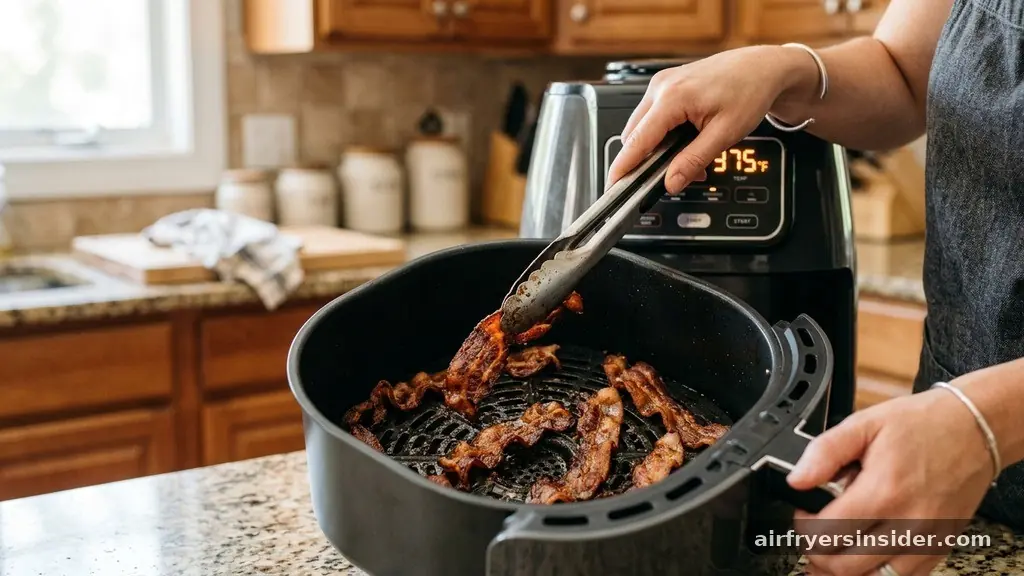
Determining the perfect cooking temperature is a balance between speed and the smoke point of the fat. Most experts recommend setting your air fryer between 350°F and 400°F (approximately 175°C to 200°C).
Cooking at 400°F will yield the fastest results, but it also increases the likelihood of smoke if your unit is not perfectly clean. If you are new to the process, start at 375°F to gain a better sense of how your specific appliance handles the heat.
Typical Cooking Times at 375°F
- Thin-sliced bacon: 6 to 8 minutes, flipping halfway.
- Standard-cut bacon: 8 to 10 minutes, flipping halfway.
- Thick-cut bacon: 10 to 12 minutes, flipping halfway.
Remember that these times are estimates and can vary based on the wattage of your air fryer and the specific brand of bacon used. Always prioritize the visual indicator of doneness—look for a deep golden-brown color and firm, rendered fat—rather than relying solely on the clock. If you prefer your bacon extra crispy, add an additional minute or two, but keep a close eye on it during these final moments to prevent burning.
Addressing Common Topical Gaps
A recurring question among home cooks is whether preheating the air fryer is necessary for bacon. Unlike baking delicate pastries, bacon is a forgiving protein that begins to render as soon as it hits the warm air.
Therefore, preheating is generally unnecessary and can actually lead to uneven cooking if the strips are laid out while the unit is already at maximum temperature. Simply place the bacon in the cold basket, set your timer, and let the device come up to temperature as it cooks.
Another frequently asked question involves the use of a splatter guard. While many air fryers come with a built-in basket, some models have an exposed heating element at the top. If your unit has this, a splatter guard is highly recommended to prevent grease from hitting the element.
If your unit does not have one, you can often purchase universal guards or simply adjust the amount of bacon you cook at one time to prevent the fat from bubbling over too aggressively. By addressing these smaller, technical details, you ensure a stress-free experience that yields professional results every single time.
Safety Considerations and Best Practices
When working with high temperatures and rendered fats, food safety should always be your top priority. Never overcrowd the basket, as overlapping slices will result in steamed, soggy bacon rather than the crispy strips you desire.
If you have a large family, it is better to cook in batches rather than trying to cram too much meat into the unit at once. Overcrowding not only ruins the texture but also prevents the fat from draining effectively, which increases the risk of the grease catching fire.
Always let the air fryer cool down completely before attempting to clean the basket or the drip tray. The rendered lard will be extremely hot immediately after cooking and can cause severe burns if handled improperly. Once the unit has cooled, dispose of the grease responsibly—never pour it down the drain, as it will solidify and cause major plumbing blockages.
Instead, pour the excess fat into a heat-safe container and discard it in the trash once it has hardened. Regularly wiping down the interior of the air fryer prevents the buildup of carbonized food particles, which is the most common cause of unpleasant smells and smoke during future cooking sessions.
The Science of Crispy Perfection
The final quality of your bacon comes down to the balance of moisture loss and fat rendering. As the Fahrenheit temperature rises, the water content within the meat evaporates, which is necessary for the Maillard reaction to occur.
This chemical reaction is what creates the savory, complex flavors we associate with cooked pork. By using an air fryer, you are essentially accelerating this reaction in a controlled, dry environment.
If you find that your bacon is still not as crispy as you would like, ensure that you are not using “maple-cured” or “sugar-cured” varieties at high temperatures. The sugar in these glazes has a lower smoke point and will caramelize and burn long before the fat has properly rendered. If you must use sweet-cured bacon, lower your temperature to 350°F and extend the cooking time.
This allows the sugar to brown without turning bitter or acrid. By applying these scientific principles to your kitchen routine, you will elevate your breakfast game and achieve consistent, perfect results that satisfy even the most discerning palate.
FAQ
Why is my bacon smoking in the air fryer?
Smoking usually occurs because grease has dripped onto the heating element or because the bottom of the basket is too dirty. Ensure you empty the drip tray between batches and consider placing a slice of bread or a little water in the bottom to catch excess fat.
Do I need to flip the bacon while it cooks?
Yes, flipping the bacon halfway through the cooking time is crucial for even crispiness. Because the air flows from the top down, the bottom of the bacon often stays softer than the top. Flipping ensures that both sides get equal exposure to the heat and airflow.
Can I cook bacon and eggs at the same time?
It is generally not recommended to cook raw eggs and bacon together in the same basket unless you are using a dedicated heat-safe ramekin or silicone mold. The bacon grease will splatter onto the eggs, and they have different cooking times, which makes managing the results difficult.
Is it safe to use aluminum foil in the air fryer?
You can use aluminum foil to line the bottom of the basket, but ensure it does not touch the heating element or obstruct the airflow. If the foil is too large or lightweight, the fan can blow it around, which poses a fire hazard and ruins the cooking consistency.
Conclusion
Mastering the art of cooking bacon in an air fryer is a simple way to elevate your morning routine while keeping your kitchen clean and your meal perfectly crispy. By focusing on proper grease management, choosing the right temperature, and avoiding the urge to overcrowd your basket, you can enjoy high-quality results without the hassle of a stovetop mess. This method proves that you do not need complex equipment to achieve culinary perfection; you simply need to understand how to work with the tools you already have.
Now that you have the techniques and knowledge to cook bacon in an air fryer with confidence, try experimenting with different thicknesses or seasonings to find your ideal flavor profile. Enjoy your perfectly rendered, crispy bacon and the efficiency this modern cooking method brings to your kitchen.


