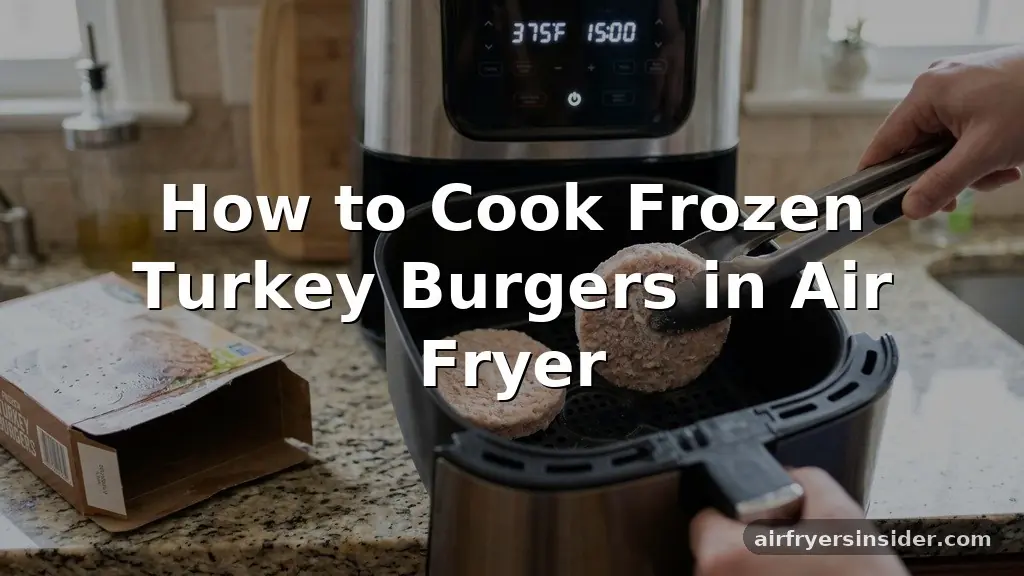
Learning how to cook frozen turkey burgers in air fryer is a practical skill for anyone needing a quick, healthy meal without the hassle of thawing. Because turkey is much leaner than beef, it requires careful handling to ensure it remains juicy rather than drying out during the high-heat process.
By mastering the right temperature and timing, you can achieve a perfectly cooked patty that is safe to eat and packed with flavor. Whether you are pressed for time on a busy weeknight or simply prefer the convenience of using your countertop convection oven, this approach delivers consistent, delicious results every single time you fire it up.
Understanding the Mechanics of Air Frying Frozen Patties
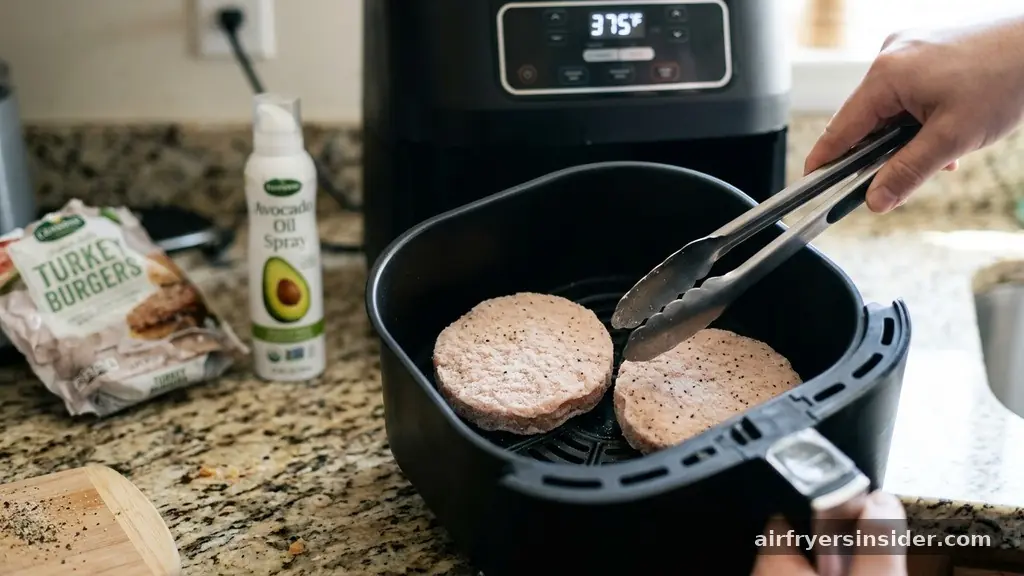
Air fryers operate by circulating superheated air at high speeds, which mimics the effects of deep frying but with a fraction of the fat. When you place a frozen patty directly into the basket, the device immediately begins to thaw and sear the surface simultaneously.
This process relies heavily on proper air circulation to ensure the heat reaches the center of the meat before the exterior becomes burnt. Because frozen burgers are essentially a solid block of ice crystals and protein, the initial minutes of the cycle are dedicated to gentle heating.
Many people struggle with the texture of turkey burgers, often finding them rubbery or dry. This usually happens when the heat is too high for too long or when the burger is overcooked. By controlling the degrees Fahrenheit within the chamber, you allow the proteins to firm up gradually.
The goal is to reach the target internal temperature without pushing the moisture out of the lean meat. Understanding that your air fryer is essentially a high-powered convection oven helps you adjust your expectations; it is not just a heater, but a precision tool for browning and crisping.
Preparation and Essential Equipment
Before you even plug in your machine, gather the necessary tools to ensure a smooth process. You will need a reliable meat thermometer to verify that your burgers have reached a safe temperature, as visual cues are rarely enough when dealing with poultry. Using a high-quality cooking spray or a light coating of avocado oil on the basket grate is crucial to prevent the meat from sticking, especially since turkey is naturally low in fat and prone to adhering to metal surfaces.
If you want to make cleanup easier, you can use a sheet of parchment paper designed for air fryers. These are perforated to allow air to flow, which is a non-negotiable requirement for even cooking.
Avoid using standard foil, as it can block airflow and lead to uneven results. Having your spice blend ready is also key; since frozen burgers are often pre-seasoned, you might only need a light dusting of garlic powder, onion powder, or paprika to boost the flavor profile before or during the cooking process.
The Importance of Preheating for Even Results
While many models claim to function perfectly without it, preheating your air fryer is highly recommended when working with frozen meat. By letting the unit run for three to five minutes at the target temperature, you ensure that the cooking environment is already stable when the food enters.
This jump-starts the Maillard reaction, the chemical process that gives seared meat its delicious, browned crust and complex flavor. Without preheating, the burger spends too much time in a lukewarm transition phase, which can lead to a less appetizing, pale gray finish.
A preheated chamber also helps maintain a consistent temperature throughout the cooking cycle. When you add frozen items, the ambient temperature inside the basket drops significantly.
If the air fryer starts cold, it takes much longer to recover that heat, potentially leading to a longer cook time that dries out the patty. Taking these few minutes to prepare the machine ensures that the exterior gets that desirable crisp texture while the interior remains tender and moist.
Finding the Optimal Cook Time and Temperature
Cooking times vary based on the wattage of your air fryer and the specific patty thickness. Most standard-sized frozen turkey burgers require between 12 to 16 minutes at 375°F to 400°F.
If your patties are thicker, you will need to lower the temperature slightly to prevent the outside from charring before the center is cooked through. It is always better to start on the lower end of the time spectrum and check your progress; you can always add more time, but you cannot fix a burnt, dry burger.
| Burger Thickness | Estimated Time (400°F) | Flip Time |
|---|---|---|
| Thin (Standard) | 10-12 Minutes | 6 Minutes |
| Thick (Gourmet) | 14-18 Minutes | 8 Minutes |
The table above provides a general guideline, but remember that your specific appliance may run hotter or cooler. Always rely on your thermometer rather than the clock.
The goal is to ensure the heat penetrates evenly, which is why flipping the burgers halfway through is an essential step. This action exposes both sides to the direct heat flow, ensuring a uniform appearance and texture across the entire surface of the patty.
Prioritizing Food Safety and Temperature Checks
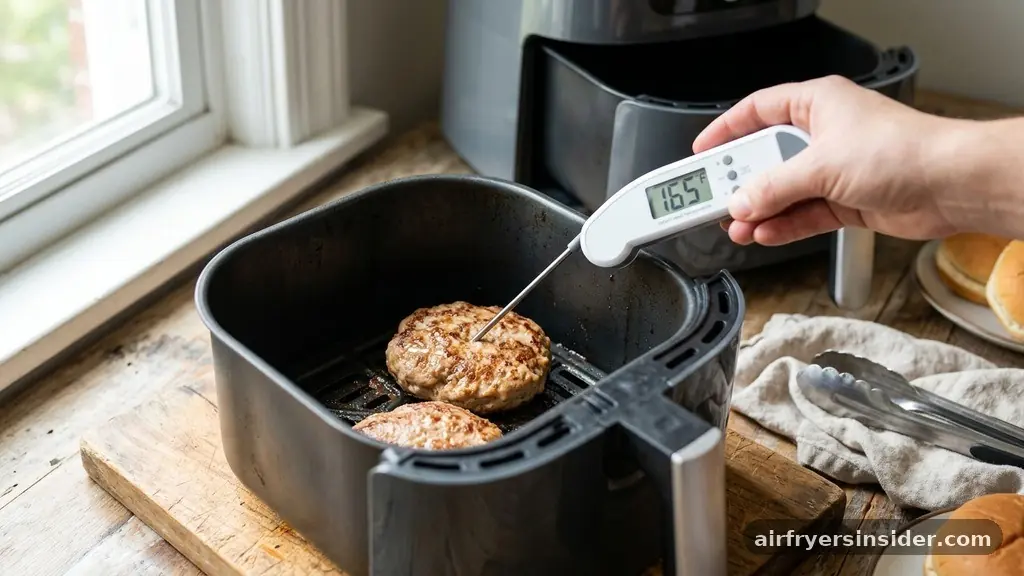
When working with poultry, food safety is the top priority. Because you are dealing with raw meat, you must be vigilant about preventing Salmonella contamination. Never reuse the plate or utensils that held the raw, frozen patties without thoroughly washing them in hot, soapy water.
Keep your work area clean, and avoid splashing juices onto other surfaces. The risk of cross-contamination is real, so treat every step of the process with the necessary caution required for handling raw poultry.
To confirm the burger is safe to consume, insert your meat thermometer into the thickest part of the patty. According to safety standards, the meat should reach an internal temperature of 165°F.
Do not rely on the color of the meat, as turkey can sometimes appear cooked while still being under the safe threshold, or conversely, it may remain pinkish even when fully cooked. Once the thermometer registers the correct number, remove the burgers immediately to stop the cooking process.
Seasoning Strategies for Lean Ground Turkey
Because lean ground turkey lacks the fat content of beef, it can sometimes taste bland. This is where your choice of seasonings becomes vital. While many frozen patties come pre-seasoned, adding an extra layer of flavor can make a significant difference.
A simple rub consisting of garlic powder, onion powder, and a pinch of paprika works wonders. You can also experiment with dried herbs like oregano or thyme for a more Mediterranean profile.
Apply your seasonings right after the first flip. If you add them at the very beginning while the burger is still frozen, the spices might slide off as the ice crystals melt. Once the surface is slightly thawed and tacky, the seasoning will adhere much better.
You can also brush on a little barbecue sauce or a glaze in the final two minutes of cooking. Just be careful with sugary sauces, as they can caramelize and burn quickly in the high-heat environment of an air fryer.
The Role of Resting Time and Residual Heat
Many home cooks make the mistake of serving their burgers the second they come out of the air fryer. Allowing for a short resting time of about three to five minutes is crucial for maintaining moisture. During this period, the residual heat continues to distribute evenly throughout the patty, and the juices—which have been forced toward the center by the high heat—redistribute back into the meat fibers.
If you cut into the burger immediately, those juices will run out onto the plate, leaving you with a drier bite. By letting it rest on a cutting board or a warm plate, you ensure that every mouthful is succulent.
This brief pause also allows the crust to set slightly, providing a better texture when you finally assemble your sandwich. Use this time to toast your buns or prepare your toppings, turning the brief wait into a productive part of your kitchen workflow.
Addressing Common Challenges
Even with the best preparation, you might encounter issues. If your burgers are coming out unevenly, check your basket capacity.
Overcrowding the air fryer is a common mistake; if the patties are touching or overlapping, the air circulation is blocked, leading to steamed rather than fried edges. Ensure there is at least an inch of space between each burger to allow the hot air to move freely around every side of the meat.
Another frequent issue is the burger sticking to the rack. If this keeps happening, ensure you are using a high-smoke-point oil like avocado oil or a dedicated food-grade non-stick spray. If you find your burgers are browning too fast, your air fryer might be running hotter than the dial suggests.
In this case, drop the temperature by 25 degrees and add a minute or two to the total time. These small adjustments are part of learning the quirks of your specific appliance.
Answers to Your Frequently Asked Questions
Can I cook frozen turkey burgers directly from the freezer?
Yes, you absolutely can. Cooking them from frozen is one of the biggest advantages of using an air fryer. There is no need to thaw them beforehand, as the high-heat, high-airflow environment is designed to handle frozen items efficiently while ensuring they reach a safe internal temperature.
What is the ideal internal temperature for turkey burgers?
For optimal food safety, your turkey burgers must reach an internal temperature of 165°F. Since turkey is a poultry product, it must be cooked to this specific temperature to eliminate the risk of pathogens like Salmonella. Always use a meat thermometer to verify this reading before serving.
Do I need to flip the turkey burgers during cooking?
Yes, flipping is essential for even cooking. Since the heat source in an air fryer is typically located above the food, the top of the burger will brown faster than the bottom. Flipping halfway through the cook time ensures both sides get equal exposure to the heat.
Can I add cheese to the burgers in the air fryer?
You can, but timing is everything. Add the cheese slice during the final 60 to 90 seconds of the cook time. If you add it too early, the cheese will melt and slide off the burger, potentially creating a mess on the bottom of your air fryer basket.
Mastering the Perfect Air-Fried Burger
Learning how to cook frozen turkey burgers in air fryer is an efficient way to simplify your meal prep without sacrificing quality. By focusing on consistent air circulation, monitoring the internal temperature with a reliable probe, and respecting the need for a brief resting time, you can transform a simple frozen staple into a juicy, flavorful meal. Keep your seasoning simple to enhance the natural taste of the lean ground turkey, and always prioritize safety by ensuring your patties reach the correct heat level.
With these techniques in your repertoire, you will find that a quick, healthy dinner is always just a few minutes away. Try experimenting with different spice blends or toppings to keep things interesting, and enjoy the convenience that this versatile kitchen tool brings to your daily cooking routine.