

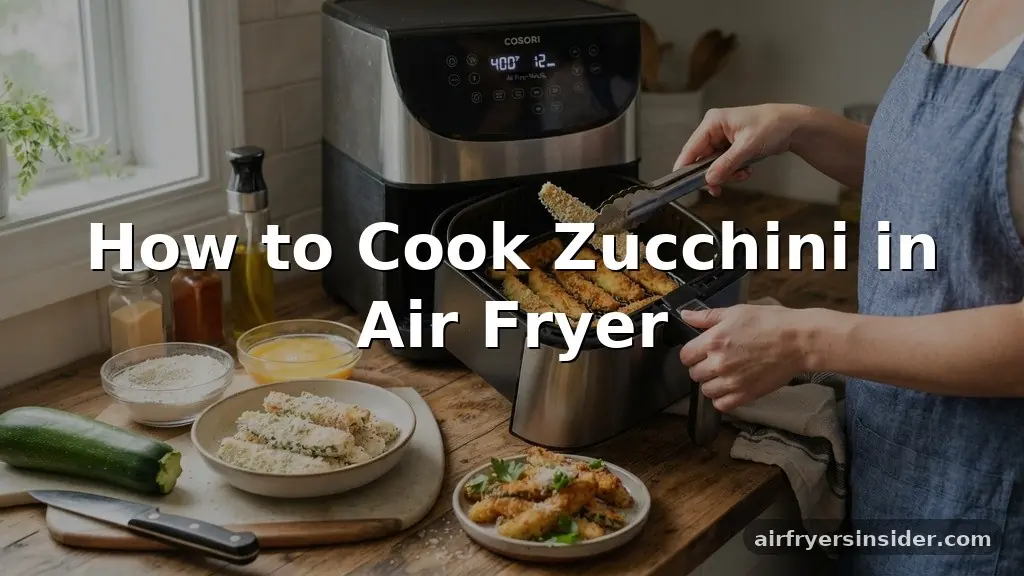
Learning how to cook zucchini in air fryer units transforms this humble summer squash into a crispy, tender side dish that rivals any fried alternative. Because of the rapid circulation of hot air, you can achieve a perfect golden-brown texture without deep-frying, making it an excellent choice for a low-carb approach to healthy home cooking.
Whether you prefer thick wedges or thin coins, mastering the process requires balancing heat with moisture management. This method preserves the vegetable’s natural sweetness while adding a satisfying crunch, turning a simple garden staple into a sophisticated addition to your weekly dinner rotation.
Understanding the Mechanics of Air Frying Zucchini
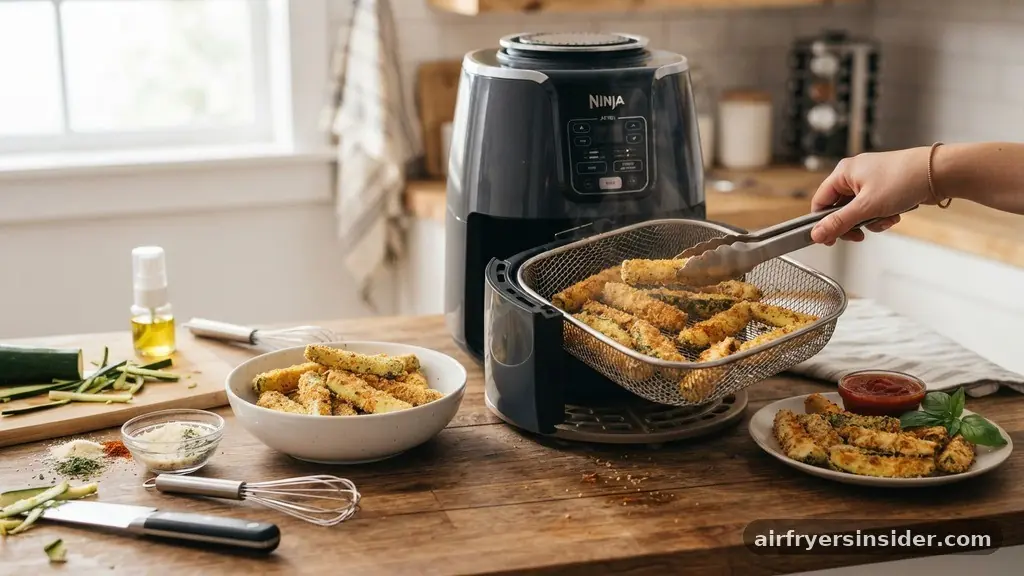
When you decide to cook zucchini in air fryer appliances, you are essentially utilizing high-speed convection cooking to dehydrate the surface of the vegetable rapidly. Unlike an oven, which relies on ambient heat, an air fryer creates a concentrated flow of hot air that mimics the effect of a deep fryer.
Zucchini has a naturally high water content, which is the biggest challenge when aiming for crispiness. If you don’t manage the surface moisture properly, the vegetable can turn mushy before it gets a chance to brown.
The key to success lies in the surface area and the coating. When you cut the squash into spears or slices, you create more surface area for the air to hit.
Using a light coating of oil, such as avocado oil, helps conduct the heat evenly across the skin. Avocado oil is particularly effective here because it has a high smoke point, ensuring that your healthy vegetable side dish doesn’t develop an acrid or burnt flavor during the process.
Essential Preparation for Perfect Results
Proper preparation is the foundation of any great vegetable dish. Start by washing your zucchini thoroughly and drying it completely with paper towels. Even a little bit of residual water on the surface can prevent the skin from browning properly.
If you are using a mandoline to create uniform zucchini slices, ensure you handle the equipment with care to achieve consistent thickness. Consistency is vital because slices of varying thickness will cook at different rates, leading to some pieces being burnt while others remain raw.
Once sliced, consider whether you want a breaded or naked finish. If you are going for a low-carb approach, a simple toss in olive or avocado oil with seasoning works wonders.
If you prefer a crunchier bite, lightly dusting the pieces with panko breadcrumbs or almond flour creates a crust that traps heat and provides a satisfying contrast to the soft interior. Always avoid crowding the air fryer basket, as this restricts airflow and leads to steaming rather than roasting.
Temperature and Timing Guidelines
Achieving the perfect texture requires a balance between heat intensity and duration. While every air fryer model functions slightly differently, most recipes thrive at a temperature between 380°F and 400°F. At this temperature, the exterior caramelizes quickly while the interior remains tender but not mushy.
| Cut Style | Cooking Temperature | Estimated Time |
|---|---|---|
| Thin Slices (Coins) | 390°F | 8-10 Minutes |
| Thick Spears | 400°F | 12-15 Minutes |
| Breaded Bites | 380°F | 10-12 Minutes |
It is important to remember that these are just guidelines. You should always check your food a few minutes before the timer goes off, especially if it is your first time using a specific machine. Opening the air fryer basket to give the pieces a quick shake or turn ensures that every side receives equal exposure to the circulating air.
Flavor Variations and Seasoning Tips
One of the greatest benefits of learning how to cook zucchini in air fryer is the versatility of the vegetable. Zucchini acts as a blank canvas, readily absorbing whatever spices or herbs you introduce. You can rotate through different flavor profiles depending on your main course, ensuring that you never get bored with your vegetable sides.
- Italian Blend: Combine garlic powder, dried oregano, basil, and red pepper flakes for a classic Mediterranean flavor.
- Zesty Lemon: Toss your zucchini with fresh lemon zest, cracked black pepper, and coarse sea salt immediately after cooking.
- Smoky Profile: Use a blend of smoked paprika and cumin to create a deeper, earthier taste that pairs well with grilled meats.
- Parmesan Crust: Mix finely grated parmesan cheese with your breadcrumbs for a salty, savory finish that browns beautifully.
Don’t be afraid to experiment with fresh herbs as well. While dried spices are better for the actual cooking process, finishing the dish with fresh parsley or cilantro adds a bright, professional touch that elevates the entire presentation.
Addressing Moisture Content and Texture Issues
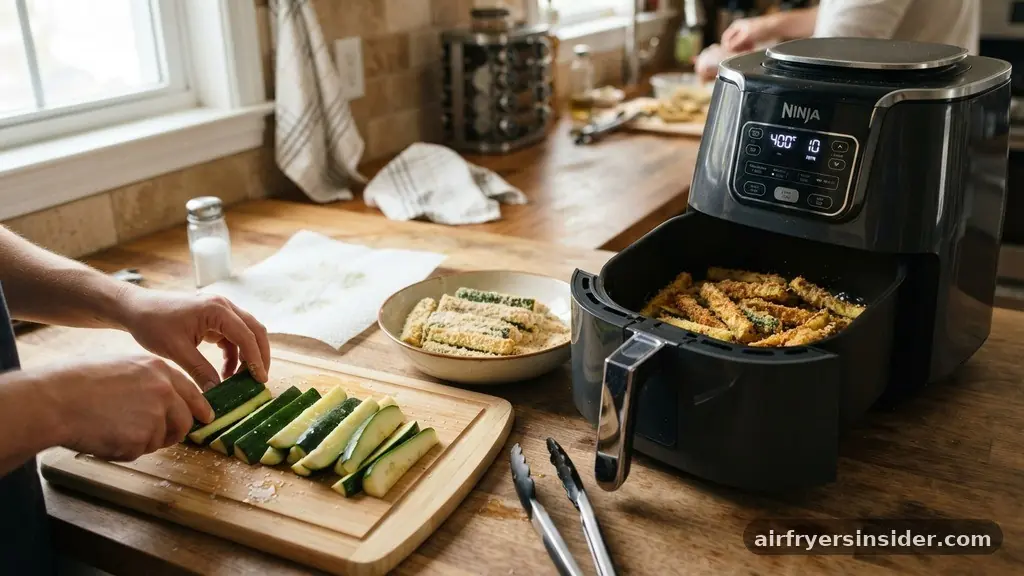
The most common frustration when cooking zucchini is ending up with a soggy mess. Because zucchini is over 90% water, the heat of the air fryer can cause it to release its internal moisture rapidly.
If this moisture is trapped in the basket, it turns into steam, preventing the crispiness you desire. One way to mitigate this is to salt your zucchini slices and let them sit for about ten minutes before cooking.
Once you see beads of water forming on the surface, wipe them away with a paper towel. This process, often called “sweating” the vegetable, draws out excess liquid and concentrates the flavor.
After sweating, season the pieces and place them into the air fryer. This extra step is especially helpful if you are working with larger, older zucchini that tend to be more watery than younger, smaller ones.
Common Mistakes to Avoid
Even experienced cooks can stumble when using an air fryer for the first time. The most frequent error is overcrowding the air fryer basket.
When pieces overlap, the airflow is blocked, and the zucchini will steam in its own juices instead of roasting. It is much better to cook in two smaller batches rather than one large, packed load.
Another issue is the choice of oil. Avoid using cooking sprays that contain propellants like soy lecithin, as these can build up on the non-stick coating of your basket over time. Instead, use a refillable oil mister filled with high-quality avocado oil or olive oil.
Finally, pay attention to the thickness of your cuts. If you are using a mandoline, keep the slices around a quarter-inch thick. Anything thinner than that may disintegrate during the cooking process, while anything thicker will take too long to cook through.
Serving Suggestions and Pairings
Once your zucchini is perfectly golden and crisp, the way you serve it can make all the difference. For a simple appetizer, serve the spears alongside a side of warm marinara or a cool, creamy garlic aioli. The contrast between the hot, crunchy vegetable and a cold dipping sauce is a classic culinary pairing that highlights the best qualities of the squash.
If you are serving this as a main side dish, consider the balance of your meal. Zucchini is light and refreshing, making it the perfect partner for heavier proteins like steak, roast chicken, or even rich pasta dishes.
If you want to make it a more substantial part of the meal, you can toss the finished zucchini with chopped sun-dried tomatoes, toasted pine nuts, or a drizzle of balsamic glaze. These additions provide texture and acidity that complement the mild, slightly sweet flavor of the cooked zucchini.
Advanced Techniques for the Home Chef
If you want to take your air fryer skills to the next level, start experimenting with different coatings. A light dusting of cornstarch mixed with your spices can help create an exceptionally crispy exterior that stays crunchy for longer. This is particularly useful if you are preparing the dish for a dinner party where it might sit for a few minutes before being served.
Another advanced tip involves the order of operations. Try preheating your air fryer for three minutes before adding the food. This ensures that the cooking process begins the moment the basket slides in, which is crucial for achieving that initial sear.
If you are breading your zucchini, try a two-stage coating process: dip the pieces in a little bit of egg wash or plant-based milk first, then coat them in the dry mixture. This helps the breading adhere to the surface, preventing it from falling off during the high-speed air circulation.
Topical Gaps and Frequently Asked Questions
Many people ask if air frying is better than baking. While baking is excellent for large quantities, the air fryer is superior for speed and texture. You don’t have to heat up your entire kitchen, and you can achieve a level of crispiness that standard ovens often struggle to replicate without a convection setting.
Another common question is whether you can reheat leftovers. Yes, you can, but do it at a slightly lower temperature—around 350°F—for just three to four minutes to restore the crunch without drying out the interior.
How long should I cook raw zucchini in an air fryer?
For most slices or spears, 8 to 12 minutes at 400°F is the sweet spot. Always monitor the progress after the 8-minute mark, as the exact timing will depend on the thickness of your pieces and the specific wattage of your air fryer model.
Is it better to air fry or bake zucchini?
Air frying is generally superior for achieving a crispy texture in a shorter amount of time. It mimics deep-frying by circulating hot air, whereas baking relies on radiant heat, which can sometimes result in a softer, more steamed texture rather than a golden-brown finish.
What are the most common mistakes when air frying zucchini?
The biggest mistakes include overcrowding the basket, which prevents proper airflow, and failing to pat the zucchini dry before cooking. Moisture is the enemy of crispiness, so ensuring your vegetables are dry and have enough space to breathe is essential for the best results.
Can I cook frozen zucchini in the air fryer?
It is possible to cook frozen zucchini, but the results will be much softer than fresh zucchini. If you must use frozen, do not thaw it first. Increase the cooking time slightly and be prepared for a higher moisture output, which may require you to drain the basket halfway through.
Conclusion
Mastering the process of cooking zucchini in air fryer allows you to enjoy a versatile, nutritious vegetable with minimal effort. By focusing on surface moisture management, maintaining proper spacing in the basket, and selecting the right seasonings, you can consistently produce a side dish that is both crispy and tender. Whether you are aiming for a simple, healthy snack or a flavorful accompaniment to a main meal, this method offers a reliable way to get the most out of your produce.
Start with the basic techniques outlined here, and don’t be afraid to adjust seasonings to suit your personal palate. Your air fryer is a powerful tool in the kitchen, and with these tips, you are well on your way to perfecting this delicious, low-carb approach to vegetable preparation.
Meta Description: Learn how to cook zucchini in air fryer with this detailed guide. Discover tips for perfect texture, seasoning ideas, and common mistakes to avoid.


