Deciding whether you need to preheat your air fryer often feels like a toss-up between convenience and culinary perfection. While many recipes insist on a warm start, others produce excellent results from a cold start, leaving home cooks wondering if the extra minutes are truly necessary.
Understanding the nuances of your appliance and the chemistry of cooking helps you determine when skipping the preheat is acceptable and when it might compromise your meal. By exploring the mechanics behind rapid air technology and how various ingredients react to initial heat, you can confidently navigate the question of whether you need to preheat your air fryer for every dish you prepare.
The Mechanics of Rapid Air Technology
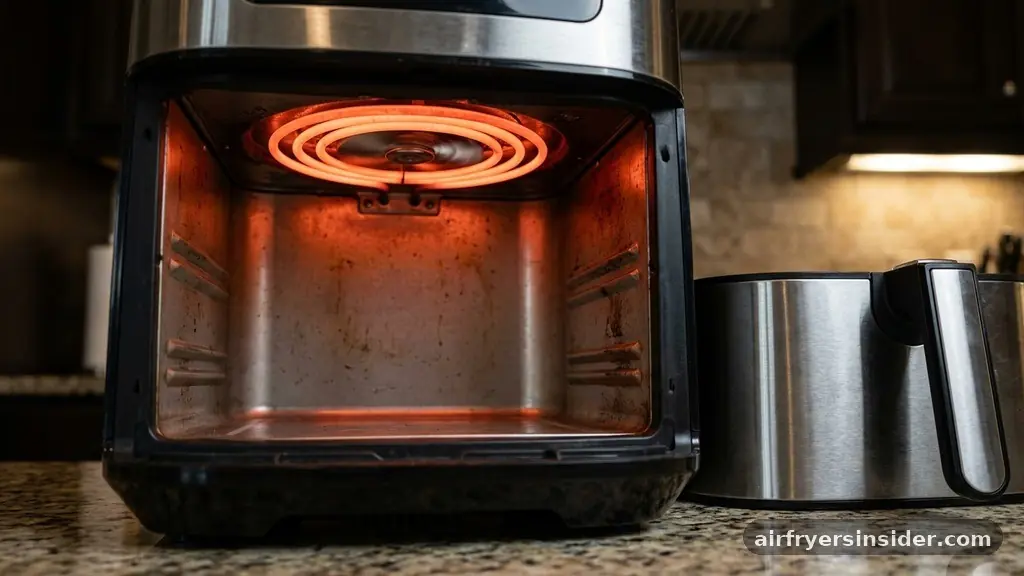
At its core, an air fryer functions much like a high-powered convection oven. The device relies on a powerful heating element located above the food basket, paired with a high-speed fan that forces hot air to circulate throughout the cooking chamber. This thermal circulation is the secret behind the appliance’s ability to create a crispy outer layer on food without requiring large amounts of oil.
When you preheat the unit, you ensure that the walls of the basket and the air inside have reached the target temperature before your food enters. This immediate exposure to high heat initiates the cooking process the second the basket is pushed in.
Without preheating, the appliance must spend the first few minutes of the cooking cycle simply bringing the ambient temperature of the chamber up to the desired level. During this ramp-up phase, the food sits in a relatively lukewarm environment. While this might seem harmless, it can affect the final texture of certain dishes.
For items that rely on a quick, intense burst of heat to achieve a specific crust, that initial lag can lead to soggy results rather than the golden-brown finish associated with proper frying. Understanding the relationship between your specific model’s wattage and the volume of the cooking chamber is essential for mastering these temperature transitions.
Why Browning Matters for Flavor
The primary reason many chefs emphasize preheating is to trigger the Maillard reaction as quickly as possible. This chemical reaction occurs between amino acids and reducing sugars when food is exposed to high heat, resulting in the complex, savory flavors and rich browning we associate with roasted or fried foods.
If your air fryer is cold, the food begins by steaming in its own moisture rather than undergoing this rapid surface searing. This moisture evaporation is a critical step in achieving the desired food texture, especially for proteins and vegetables.
When you start with a cold appliance, the surface of your food may remain pale and soft for several minutes while the air inside gradually heats up. By the time the air fryer reaches the required temperature, the food may have already lost too much internal moisture, leading to a dry or tough interior.
Preheating effectively closes the gap between the moment you place the food inside and the moment the searing process begins. If you are aiming for a restaurant-quality finish with a distinct crunch, providing a hot environment from the very first second is often the most reliable strategy.
Assessing Recipe Requirements and Cooking Time
Not every meal benefits from the same approach, and recipe requirements should be your primary guide. Some recipes are specifically developed to account for a cold start, while others assume the air fryer is already at the target temperature.
If you are following a recipe that calls for a specific temperature, it is safer to assume that the developer intended for you to preheat. Deviating from these instructions can throw off your total cooking time, potentially leaving you with undercooked centers or over-charred exteriors.
If you decide to skip the preheat, you must be prepared to make a cooking time adjustment. Generally, adding three to five minutes to the total duration is a good starting point, but you should monitor the food closely. Using a digital thermometer to check the internal temperature is the most accurate way to ensure safety and consistency.
Relying on visual cues alone can be misleading, especially when the exterior looks finished but the middle remains cold. Always keep your appliance manual handy, as some manufacturers explicitly state whether their models require preheating for optimal performance.
The Convenience of a Cold Start
There are certainly scenarios where a cold start is not only acceptable but arguably preferred. For busy households, the time saved by skipping the preheat can make a significant difference during a hectic weeknight.
Foods that are forgiving or those that require a longer, slower cook time—such as root vegetables or thick cuts of meat—often thrive without an initial blast of high heat. In these cases, the gradual rise in temperature can actually help the food cook more evenly, preventing the outside from burning before the center is cooked through.
Furthermore, frozen food preparation often benefits from a more gradual temperature increase. When you place frozen items into a preheated basket, the extreme temperature difference can cause the outer layer to cook instantly while the interior remains frozen.
A cold start allows the frozen food to thaw and heat up gently as the air fryer warms, leading to a more consistent result. While you might sacrifice a bit of the intense crispiness associated with a preheated start, the trade-off in convenience and evenness is often worth it for many home cooks.
Safety Guidelines and Appliance Maintenance
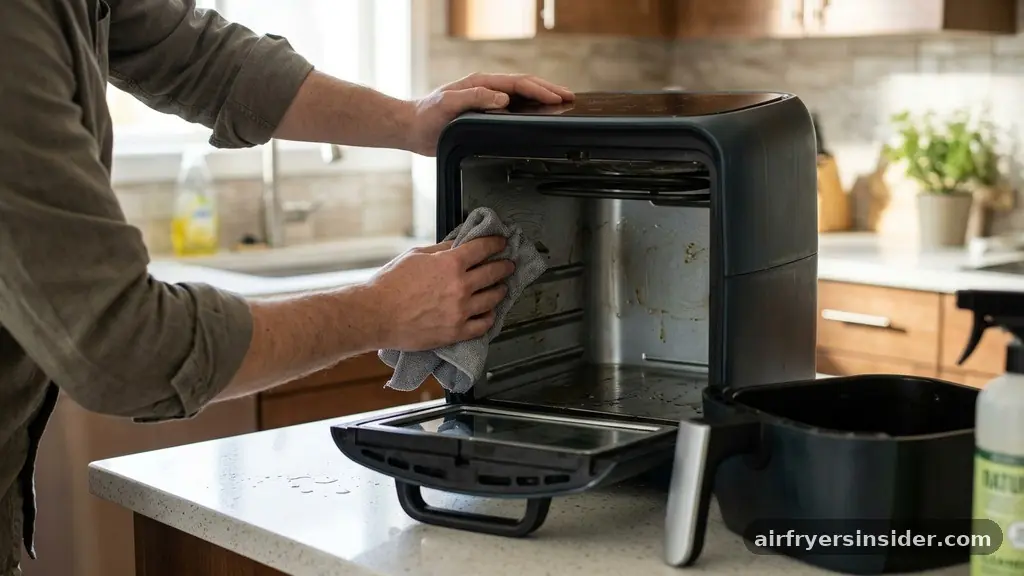
Following safety guidelines is non-negotiable when operating any countertop oven or high-heat appliance. While preheating is generally safe, it is important to ensure the cooking chamber is free of debris or excess oil before you turn it on.
If you are preheating an empty unit, be mindful of the materials you place near the intake and exhaust vents. Air fryers require proper airflow to function correctly, and blocking these vents can cause the unit to overheat or perform inconsistently.
Regular maintenance also plays a role in how well your appliance handles the preheating process. Over time, grease buildup on the heating element or the fan can impede thermal circulation, making it harder for the unit to reach or maintain high temperatures.
If you notice your air fryer is taking significantly longer to preheat than it did when you first bought it, a thorough cleaning of the basket and the interior ceiling might be in order. Keeping the heating element clean ensures that the heat is distributed efficiently, regardless of whether you choose to preheat or start cold.
Comparing Preheating Methods
The debate over whether you need to preheat your air fryer often comes down to the type of food you are preparing. The following table provides a quick reference for common cooking scenarios and whether a preheat is recommended for the best possible results.
| Food Type | Preheat Recommended? | Reasoning |
|---|---|---|
| Frozen French Fries | No | Gradual heating prevents exterior burning while the center thaws. |
| Chicken Wings | Yes | Requires immediate high heat to achieve crispy skin and render fat. |
| Vegetables (Broccoli/Asparagus) | No | Prevents charring the delicate edges too quickly. |
| Breaded Cutlets or Nuggets | Yes | Sets the breading quickly to prevent it from becoming soggy. |
| Thick Steaks or Chops | Yes | Essential for achieving a proper sear without overcooking the inside. |
Tips for Consistent Culinary Results
Achieving culinary consistency depends on your ability to manage variables like basket density and ingredient size. Regardless of whether you preheat, avoid overcrowding the cooking chamber.
Air fryers rely on the movement of hot air to work their magic; if the food is packed too tightly, the air cannot reach every surface, leading to uneven cooking. If you have a large batch of food, it is better to cook in smaller, staggered portions rather than forcing everything in at once.
Another factor to consider is oil application. A light coating of oil can significantly improve the browning process, acting as a conductor for heat. If you are opting for a cold start, a slightly thinner layer of oil can help prevent the food from sticking to the basket while the temperature rises.
Remember that different oils have different smoke points; choose one that is appropriate for high-heat cooking to avoid unpleasant odors or burnt flavors. Experimenting with these small adjustments will help you find the rhythm that works best for your specific kitchen setup.
Addressing Common Misconceptions
One of the most persistent myths is that all air fryers require a preheat just like a traditional oven. While a standard oven has a massive thermal mass that takes time to heat up, an air fryer has a much smaller chamber and a powerful fan.
This means the time it takes to reach temperature is significantly reduced—often in under three minutes. Because the heating process is so fast, many users find that the benefits of preheating are negligible for most daily tasks.
Another misconception is that starting cold will automatically ruin your food. While some dishes demand that immediate sear, the vast majority of recipes are quite resilient. If you are making everyday items like reheating leftovers, toasting bread, or cooking simple snacks, the difference between a preheated and a cold start is often imperceptible.
Do not feel pressured to adhere to a rigid preheating rule if your experience shows that your food comes out perfectly fine without it. Trust your observations over generalized advice.
Optimizing Your Workflow
To streamline your cooking routine, consider the “preheat while prepping” strategy. If a recipe requires active prep—such as seasoning chicken or dredging vegetables—turn your air fryer on just as you begin the seasoning process.
By the time you are finished preparing the ingredients, the unit will be fully heated and ready for the basket insertion. This approach integrates the preheat into your workflow, eliminating the sensation of “waiting” for the machine to warm up before you can start cooking.
If you find yourself constantly debating this step, keep a simple log of your favorite recipes. Note which ones benefit from a preheat and which ones do not.
This personalized guide will be far more useful than any generic set of rules. As you become more familiar with how your specific appliance handles different food textures, you will develop an intuitive sense of when to hit that preheat button and when to simply hit start.
FAQ
What happens if I don’t preheat my air fryer?
If you skip the preheat, your food will experience a gradual temperature rise rather than an immediate blast of heat. This is fine for many dishes, but it can result in less crispiness for items that require rapid surface searing to achieve a golden-brown finish.
How long should I preheat my air fryer?
Most modern air fryers reach their target temperature within three to five minutes. You do not need to wait for a long period as you would with a traditional oven. Check your manual, as some models have a built-in preheat cycle that signals when it is ready.
Does the basket need to be in the unit during preheating?
Yes, you should keep the basket inside the unit while it preheats. This ensures that the basket itself gets hot, which helps with the browning process once you add your food. If the basket is cold, it will absorb heat away from the food initially.
Do I need to preheat for frozen food?
Usually, no. Frozen foods often benefit from a slower temperature increase, which allows the inside to thaw and cook through without the exterior burning. Starting with a cold air fryer can actually help achieve a more uniform result for items like frozen nuggets or fries.
Conclusion
Deciding whether you need to preheat your air fryer is ultimately about understanding the relationship between heat, timing, and your desired outcome. While preheating is a valuable tool for achieving the perfect sear and crispiness on certain proteins and breaded items, it is often unnecessary for frozen goods or simpler, more forgiving recipes. By paying attention to the specific requirements of your ingredients and mastering the flow of your kitchen, you can make an informed decision that balances convenience with culinary quality.
Don’t be afraid to experiment with your appliance to see what works best for your favorite meals. If you have any favorite tips for achieving consistent results, feel free to share your experiences and continue perfecting your air frying technique.
Meta Description: Do you need to preheat your air fryer? Discover when a cold start works, why preheating matters for browning, and how to optimize your cooking results.