

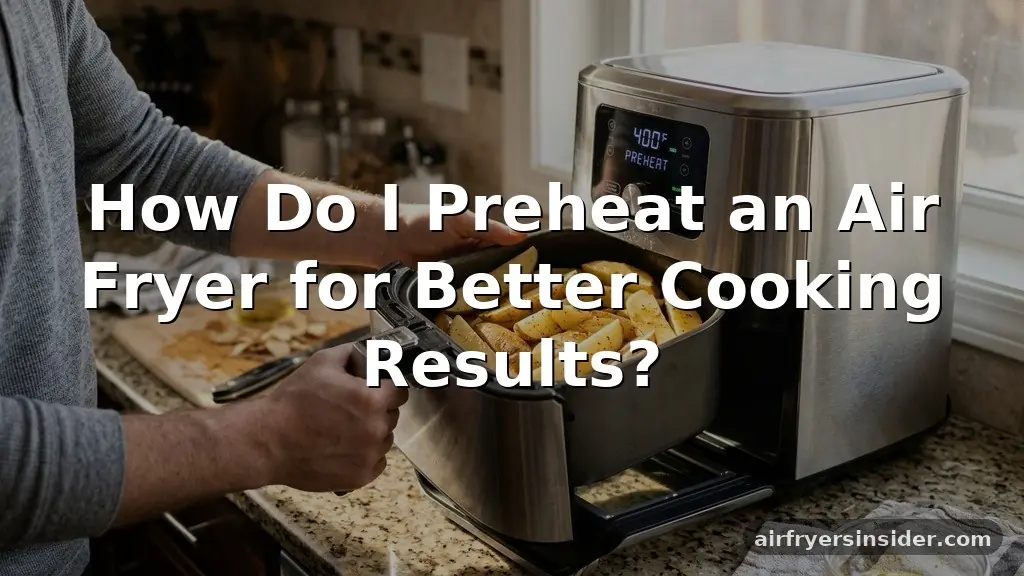
Figuring out how do I preheat an air fryer is a common hurdle for home cooks looking to get the best texture from their countertop appliances. While many newer machines automate this process, understanding the mechanics behind it allows you to achieve consistent, restaurant-quality meals every single time you cook.
If you have ever wondered whether skipping this step ruins your dinner, you are not alone. Preheating ensures the cooking chamber reaches the optimal temperature before your food touches the basket, which is critical for that signature crispness. By taking just a few minutes to prepare the device, you essentially prime the environment for success.
Why Preheating Matters for Air Fryer Performance
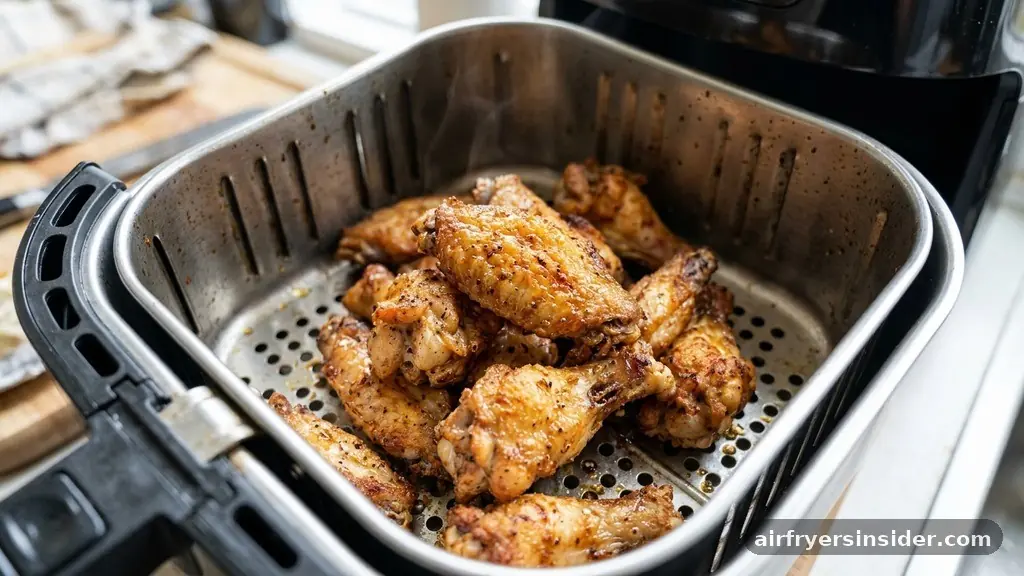
The primary function of an air fryer is to circulate superheated air around your food at high speeds. When you drop ingredients into a cold basket, the air fryer must spend the first several minutes simply bringing the internal temperature up to the desired level. During this lag time, your food is essentially sitting in a warm, humid environment rather than being seared or crisped.
This moisture retention is the enemy of a good crunch. If you are roasting vegetables or air-frying chicken wings, starting with a cold unit can lead to soggy textures rather than the desired golden-brown finish. Preheating solves this by creating an immediate thermal shock, which helps render fats and crisp skins from the very first second.
Consistency is another factor that makes preheating worth the effort. Recipes are usually developed based on the assumption that the equipment is already at the target temperature.
If you ignore this, your timing will be off, often leading to undercooked centers or uneven browning. By establishing a hot baseline, you ensure that the cooking times listed in your favorite recipes remain accurate.
Using Built-in Preheat Functions
Many modern models, such as those from Ninja, Cosori, or Instant Pot, now come with a dedicated preheat button that simplifies the entire process. These machines are designed to manage the airflow and heating element intensity until the internal sensor detects the target temperature. Once reached, the unit usually emits a beep or changes the display to indicate it is ready for your ingredients.
To use it, press the preheat function, select your desired temperature, and let the cycle run. Most of these cycles are quite short, typically lasting between three and five minutes. This convenience makes it easy to integrate into your meal prep routine, as you can start the preheat cycle while you are seasoning your meat or chopping your vegetables.
The advantage of using the manufacturer-provided setting is that it takes the guesswork out of the equation. You do not have to worry about whether the chamber is sufficiently hot, as the machine’s internal logic handles that validation for you. When the machine signals that it is ready, you simply pull out the basket, add your ingredients, and resume cooking.
Manual Preheating for Older or Basic Models
If your device lacks a digital alert or a specific button, you can still achieve a professional result through manual preheating. This process is straightforward and mimics the behavior of a conventional oven. You simply set your desired temperature and let the machine run empty for a few minutes before adding your food.
A good rule of thumb is to allow the unit to run for three to five minutes for most cooking temperatures. If you are planning to cook at a higher heat, such as 400 degrees Fahrenheit, you might want to extend that to five or six minutes to ensure the walls of the basket are thoroughly heated. This creates a radiant heat effect that helps the cooking process along.
When you are ready to start, quickly remove the basket, place your food inside, and slide it back in as efficiently as possible. Try to minimize the time the basket is out of the unit to prevent heat loss. This simple manual step is often the difference between adequate results and truly excellent, crispy food that rivals deep-fried alternatives.
The Impact of Preheating on Different Food Types
Not every ingredient requires the same level of thermal intensity, but preheating is almost always beneficial. Delicate items, such as fish fillets or pastries, benefit from a stable, hot environment because it sets the structure quickly. Without that initial burst of heat, these items can stick to the basket or fail to rise properly.
For heartier foods, the benefits are even more pronounced. Yes, fries, or frozen appetizers, rely heavily on the Maillard reaction to develop flavor and color.
This chemical reaction occurs best at higher temperatures and requires a dry, hot environment. By preheating, you ensure that the surface of the food is subjected to the required heat immediately, which prevents the ingredients from steaming in their own juices.
| Food Type | Preheat Necessity | Typical Time |
|---|---|---|
| Frozen Fries | High | 3-5 Minutes |
| Chicken Wings | High | 5 Minutes |
| Vegetables | Medium | 3 Minutes |
| Baked Goods | High | 5-7 Minutes |
Addressing Common Misconceptions About Airflow
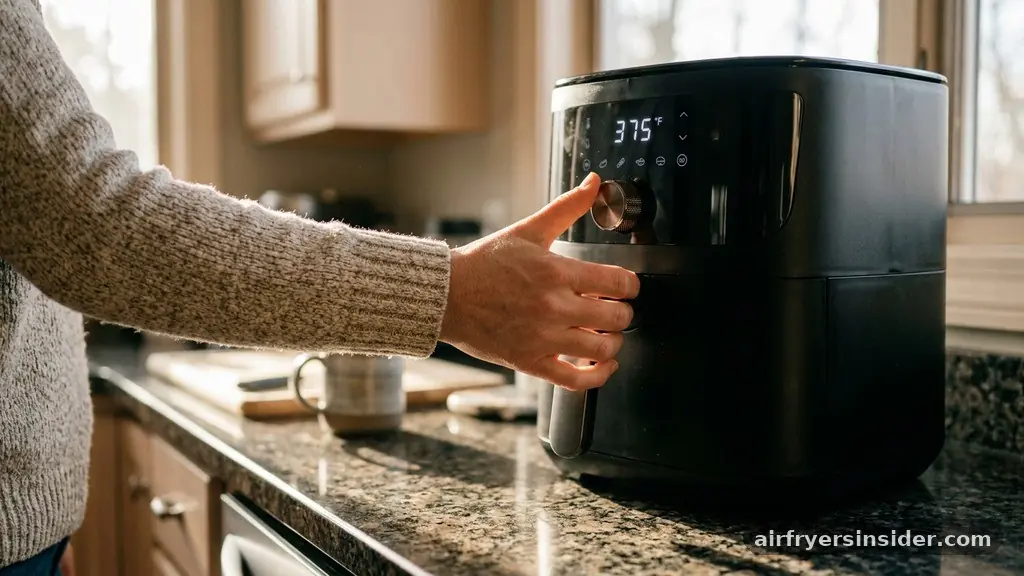
A common myth suggests that preheating is unnecessary because the air fryer heats up so quickly. While it is true that these appliances reach temperature faster than a full-sized convection oven, that “fast” time is still several minutes. During those minutes, the air circulation is active, but the temperature is climbing, not steady.
Another misconception is that the food itself will heat the air sufficiently. While the food will eventually get hot, it acts as a heat sink initially, absorbing the energy that should be used for crisping. By preheating, you are warming the metal basket and the air inside, which creates a stable thermal environment that is far more efficient at cooking your food evenly.
Some users worry that leaving the basket empty while preheating might damage the heating element. Modern air fryers are designed with this in mind and have safety features to prevent overheating. As long as you are not running it for an hour, a few minutes of preheating will not harm the internal components or shorten the lifespan of your appliance.
Handling the Basket During the Preheat Cycle
One practical question many users have is whether the basket should be in or out during the preheat phase. For the vast majority of air fryers, you must keep the basket inside the unit while it preheats. The sensors that measure temperature are typically located within the cooking chamber, and they rely on the basket being in place to read the environment correctly.
If you leave the basket out, the machine may either fail to start or struggle to reach the target temperature because the heat is escaping into your kitchen. Furthermore, the basket itself needs to be hot to ensure the food crisps up on the bottom. If you insert a cold basket into a hot chamber, the metal will briefly pull heat away from the air, which is counterproductive.
Always aim to keep the basket in the machine until the very last second before you add your food. When you are ready to load your ingredients, pull the basket out, add your food, and return it to the machine promptly. This maintains the thermal inertia you have built up during the preheat cycle, ensuring the cooking process begins at full power.
Topical Gaps: What Happens if You Skip Preheating?
Many people ask if they can simply add extra time to their cooking to compensate for a cold start. While this is a common workaround, it is rarely as effective as proper preheating. When you add extra time, you are often overcooking the outer layers of the food while waiting for the center to reach the correct temperature.
This is particularly noticeable with meats. A steak or a thick chicken breast needs a high-heat sear to lock in juices and create texture.
If you start cold, the meat spends too much time in the “danger zone” of temperature, which can lead to a dry, stringy texture. The result is a meal that looks cooked but lacks the sensory appeal of a perfectly prepared dish.
Additionally, skipping preheating can lead to uneven results. Because the temperature is rising gradually, different parts of your food may reach the cooking threshold at different times.
This is especially problematic when cooking large batches where airflow is already slightly restricted. Preheating provides a uniform starting point that helps minimize these variations across the entire basket.
Optimizing Your Cooking Workflow
Integrating preheating into your cooking workflow is easier than it seems. The best approach is to treat the preheat cycle as your “prep time.”
Once you turn the air fryer on to preheat, use those few minutes to finish seasoning your ingredients, setting the table, or preparing a side dish. By the time you are done with these small tasks, your air fryer is ready for action.
If you are cooking in batches, you only need to preheat for the first round. For subsequent batches, the air fryer will already be hot from the previous cycle.
You can simply remove the cooked food, add your next batch, and continue cooking. This is a great way to save time and energy while maintaining high-quality results throughout your meal preparation.
Remember that the goal of using an air fryer is convenience without sacrificing quality. By understanding how to manage the temperature, you turn a simple appliance into a more versatile cooking tool. Whether you are reheating leftovers or cooking from scratch, a little bit of patience at the start goes a long way toward achieving that perfect, crispy finish.
FAQ Section
How do I know if my air fryer is fully preheated?
Most modern air fryers have a digital display or an audible alarm that signals when the set temperature has been reached. If your model does not have a notification, assume it is preheated after running it empty for three to five minutes at your desired temperature setting.
Do I have to preheat for every type of food?
While not strictly required for everything, preheating is recommended for foods that need a crisp exterior, such as frozen snacks, breaded items, or meats. It is less critical for quick-cooking, soft items, though consistent preheating usually leads to more uniform results across all types of ingredients.
Can I preheat with the food already in the basket?
It is generally better to preheat the air fryer empty. If you put food in while it is cold, the food will be exposed to rising temperatures rather than the target heat, which can lead to soggy textures and uneven cooking. Always aim for a hot start for the best results.
What if my air fryer does not have a preheat setting?
You can easily manual preheat by setting your desired temperature and running the machine empty for three to five minutes. This creates a stable cooking environment, ensuring your food starts crisping immediately once you add it to the basket. It is a simple step that improves overall texture.
Final Thoughts
Mastering the art of preheating is a simple yet effective way to improve the quality of your home-cooked meals. By ensuring your air fryer is at the right temperature before you start, you enable the Maillard reaction, ensure even cooking, and achieve that satisfying crunch that makes air-fried food so popular. Remember that while modern technology makes this process easier, the principles of heat transfer remain the same.
The next time you reach for your air fryer, take that extra moment to let it warm up. You will notice a significant difference in the texture and consistency of your dishes, whether you are preparing frozen favorites or fresh ingredients. Experiment with your specific model to find the perfect timing, and enjoy the confidence that comes with knowing how to get the most out of your kitchen tools.
Meta Description: Learn how do I preheat an air fryer effectively to achieve crispy, restaurant-quality results every time with these expert tips and techniques.


