

Figuring out exactly how long to put bacon in air fryer can feel like a guessing game, especially when you want that perfect balance between crispy edges and a tender center. Many home cooks struggle with smoke, uneven cooking, or bacon that turns out too chewy. By mastering a few simple techniques regarding temperature and timing, you can transform your breakfast routine.
Achieving the ideal texture doesn’t require a master chef, just a bit of knowledge about how your appliance handles rendered fat. Whether you prefer thin-cut strips or thick-cut bacon, this approach ensures consistent, delicious results every single time you cook.
Understanding the Basics of Air Fryer Bacon
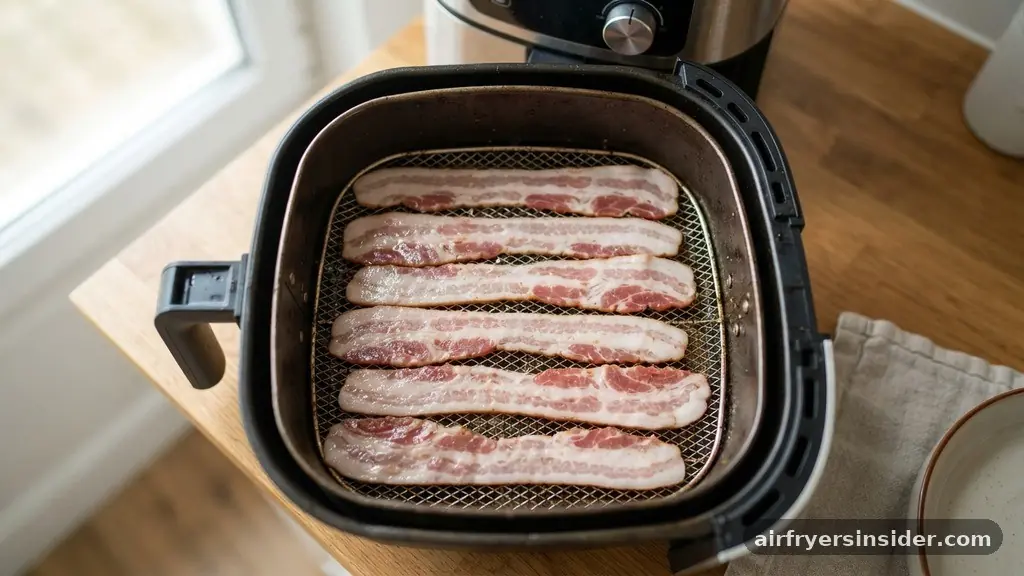
Cooking bacon in an air fryer relies on the principles of convection cooking, which circulates hot air rapidly around the food. Unlike a traditional stovetop method where the meat sits directly in its own juices, an air fryer allows the fat to drip away from the bacon slices.
This mechanism is key to achieving a crispy texture without the usual mess associated with frying pans. Because the air fryer is essentially a high-powered fan, it renders fat much faster than an oven, but it also creates a significant amount of airborne grease.
When you decide how long to put bacon in air fryer, you must account for the specific thickness of your meat. Thin, standard-cut bacon requires significantly less time than thick-cut bacon, which needs a longer duration to render the fat properly. If you pull it out too early, you end up with flabby, undercooked fat.
If you leave it in too long, you risk burning the edges. Start by gauging your bacon’s thickness, as this is the most critical variable in your timing calculations.
Temperature Settings for Optimal Crispiness
The debate over the ideal air fryer temperature often centers on the threshold between perfectly cooked meat and a kitchen filled with smoke. Most experts recommend setting your device between 350 and 400 degrees Fahrenheit. Cooking at 400 degrees is the most common setting for those seeking a fast, ultra-crispy result, but it comes with a caveat: the higher the heat, the more likely you are to trigger the oil smoke point.
If you find that your air fryer produces too much smoke, lowering the temperature to 375 degrees is a smart adjustment. This slightly lower heat allows the fat to render slowly, which often results in a more uniform crispiness across the entire slice.
While it might add a minute or two to your cooking duration, the reduction in smoke and the decreased risk of charred, bitter edges make it a superior method for many users. Always consider the airflow of your specific model, as some units run hotter than others.
The Importance of Bacon Grease Management
One of the most overlooked aspects of using an air fryer for breakfast meats is bacon grease management. As the fat renders, it drips down into the grease tray or the bottom of the basket.
If this layer of fat gets too thick, the hot air blowing against it can cause the oil to splatter onto the heating element, leading to smoking. This is the primary reason why some people claim you should never cook bacon this way; however, it is entirely preventable.
To manage the grease effectively, consider placing a slice of bread or a small amount of water at the very bottom of the basket, underneath the rack, to absorb the drippings. Alternatively, ensure you are cleaning your basket thoroughly between batches.
If you are cooking a large amount of bacon, do not attempt to do it all at once. Removing the rendered fat midway through the cooking process is a simple step that keeps your kitchen clean and your smoke alarm silent.
Comparing Cooking Times for Different Bacon Styles
Not all bacon is created equal, and your cooking time will fluctuate based on the specific product you are using. Standard supermarket bacon is usually quite thin and cooks rapidly, while specialty products like back bacon or artisanal thick-cut varieties require a more patient approach. The following table provides a general baseline for your sessions.
| Bacon Type | Temperature | Estimated Time |
|---|---|---|
| Thin/Standard Cut | 375°F | 7–9 minutes |
| Thick-Cut | 375°F | 10–12 minutes |
| Back Bacon/Canadian | 350°F | 6–8 minutes |
Keep in mind that these times are estimates. Your first attempt should involve checking the bacon a few minutes early to gauge how your specific air fryer performs.
If you are using a Ninja Foodi or a Cosori model, the basket size and heating element placement will impact how quickly the heat reaches the meat. Always prioritize visual cues—golden brown and bubbly fat—over the digital timer.
Using Parchment Paper and Other Accessories
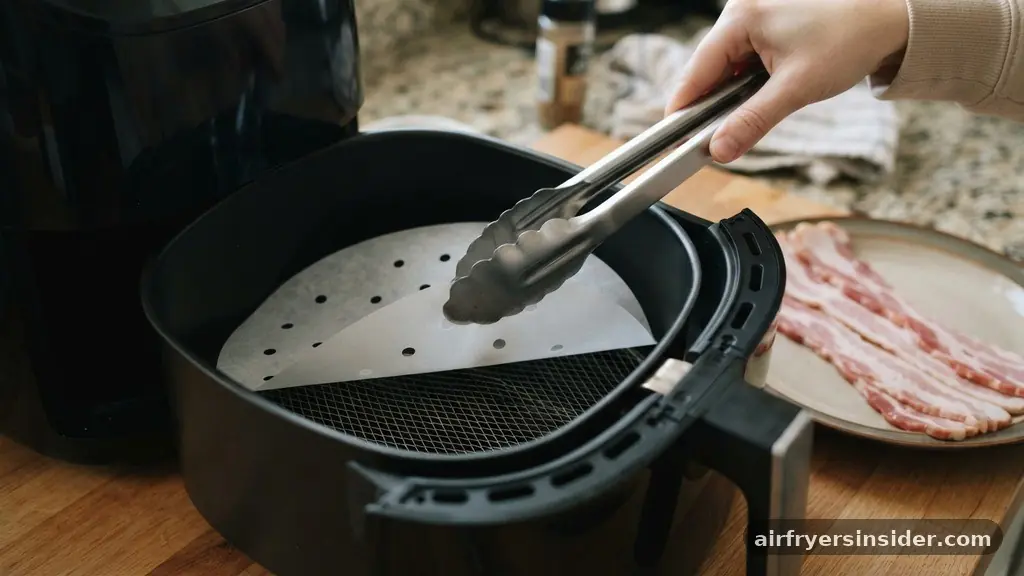
While many people prefer to cook directly on the rack, using parchment paper designed for air fryers can make cleanup significantly easier. However, you must exercise caution.
Never place parchment paper in the basket during the preheating phase, as the fan can lift the paper and push it into the heating element, creating a fire hazard. Only add the paper once the bacon is weighing it down.
Some air fryers come with a splatter guard, which is a metal mesh screen that sits below the heating element. If your model has one, ensure it is clean before you begin. A dirty splatter guard is the most common cause of smoke when cooking fatty foods.
If you do not have a guard, be extra vigilant about the amount of grease accumulating in the bottom of your unit. Using tongs to flip the slices halfway through can also ensure that both sides achieve that signature crispy texture.
Common Pitfalls and How to Avoid Them
Even when you know how long to put bacon in air fryer, mistakes happen. One common issue is overcrowding the basket. While it is tempting to layer the slices, doing so prevents the hot air from circulating effectively.
This leads to uneven cooking where some pieces are burnt and others are barely cooked. Lay your bacon out in a single layer, even if it means cooking in two batches.
Another common pitfall is ignoring the need for preheating. While many air fryers don’t strictly require it for frozen foods, preheating for three minutes ensures that the chamber is at the target temperature the moment the bacon hits the rack.
This jump-starts the rendering process immediately. If you skip preheating, the bacon sits in a cold environment for the first few minutes, which can result in a tougher, less desirable texture rather than the light, shattered crispness you are likely aiming for.
Addressing Topical Gaps in Air Fryer Bacon Knowledge
Does the type of air fryer model change the outcome?
Yes, the internal geometry of your air fryer dictates how air hits the food. A Ninja Foodi, for instance, often has a more powerful fan than smaller, budget-friendly units. This means you might need to check your bacon one minute earlier than the suggested time. Smaller units, like some Cosori models, may have a more concentrated heat zone, which can lead to localized burning if the strips aren’t spaced properly. Always adjust your timing by one or two minutes based on your specific appliance’s performance.
Is it safer to use paper towels for cleanup?
Using paper towels to blot the cooked bacon is a standard practice, but never use them inside the air fryer to soak up grease during cooking. Paper towels can easily catch fire in an air fryer’s high-velocity, high-heat environment. Only use them to drain the excess fat after you have removed the bacon from the basket. If you need to absorb grease during the cooking process, use the bread-in-the-bottom trick mentioned earlier or simply drain the grease tray manually.
How do you know when it is actually done?
Beyond the visual cues, you can use an instant-read thermometer to check the internal temperature. While bacon is typically cooked until crispy, it is officially safe to eat once it reaches 145 degrees Fahrenheit. However, most people prefer to cook it well past this point to ensure the fat has rendered completely. If the fat appears white and opaque, it is not ready. Look for a translucent, golden-brown appearance across the entire slice.
The Health and Safety Aspect of Air Frying
There is a long-standing discussion regarding whether air frying is healthier than oven-baked bacon. Because the fat drips away into the tray, you are consuming less grease than if you were to pan-fry the bacon in its own juices.
This effectively lowers the calorie density of the finished product. However, it is important to remember that bacon remains a processed meat, and the method of cooking does not change its nutritional profile.
From a safety perspective, the biggest concern is the smoke point of the rendered fat. If your kitchen starts to fill with smoke, it usually means the fat in the tray has reached its limit and is beginning to burn.
This is not just a nuisance; it can affect the flavor of your food, making it taste acrid or bitter. Always ensure your kitchen is well-ventilated, perhaps by turning on the range hood or opening a window, whenever you are cooking fatty proteins like bacon at high temperatures.
Refining Your Personal Cooking Routine
To truly master the art of the perfect breakfast, you need to develop a routine that works for your specific kitchen setup. Start by keeping a small log or note on your phone regarding the specific brand of bacon you buy and how many minutes it took to reach your preferred level of crispness.
Over time, you will stop relying on the clock and start relying on your senses. You will hear the sound of the fat sizzling and know exactly when it is time to open the drawer.
Don’t be afraid to experiment with seasonings. A light dusting of black pepper or a tiny sprinkle of brown sugar before cooking can create a delicious glaze, but be aware that sugar burns much faster than fat.
If you add rubs or spices, keep a close eye on the cooking time, as you will likely need to pull the bacon out a bit earlier to prevent the spices from turning bitter. With practice, you will find that air frying is the most efficient, clean, and consistent way to prepare bacon.
Summary of Key Takeaways for Success
Cooking bacon in your air fryer is all about controlling the variables of heat, time, and grease. By laying the slices in a single layer, choosing the right temperature, and staying vigilant about the accumulation of fat in the bottom of the basket, you can achieve professional-level results. Remember that thick-cut varieties require more patience, while standard strips can be ready in under ten minutes.
If you find the process produces too much smoke, don’t hesitate to drop the temperature to 375 degrees Fahrenheit. This simple change often solves the problem without sacrificing the final quality of your meal.
Keep your air fryer clean, monitor the bacon closely as it nears the end of the cooking duration, and always prioritize safety by keeping flammable items away from the heating element. Now that you have the tools and the technique, you are ready to enjoy perfectly crispy bacon whenever the craving strikes.
Frequently Asked Questions
Can I cook frozen bacon in the air fryer?
Yes, you can cook frozen bacon, but you must separate the slices as they thaw. Start at a lower temperature, around 300 degrees, to help them loosen, then increase the heat to 375 degrees to finish the crisping process. This adds about three to five minutes to the total time.
Why does my air fryer smoke when I cook bacon?
Smoking usually occurs because the rendered fat in the bottom of the basket is being blown around by the fan and hitting the heating element. To stop this, remove excess grease halfway through cooking, ensure the basket is clean, or place a small piece of bread at the bottom to absorb drippings.
Is it better to cook bacon in the oven or the air fryer?
The air fryer is faster and generally produces a crispier texture because of the intense air circulation. The oven is better for cooking large batches simultaneously without needing to manage grease or flip the slices. Choose the air fryer for speed and crispiness, and the oven for quantity.
How do I know when the bacon is fully cooked?
Visually, the bacon should be a deep golden-brown with rendered, translucent fat. Avoid bacon with large patches of white, opaque fat. While the safe internal temperature is 145 degrees Fahrenheit, most people cook it until it reaches their desired level of crunch, which often requires a higher temperature.
Meta Description: Learn how long to put bacon in air fryer for the perfect crunch. Discover temperature tips, grease management, and timing for thick and thin-cut slices.


