

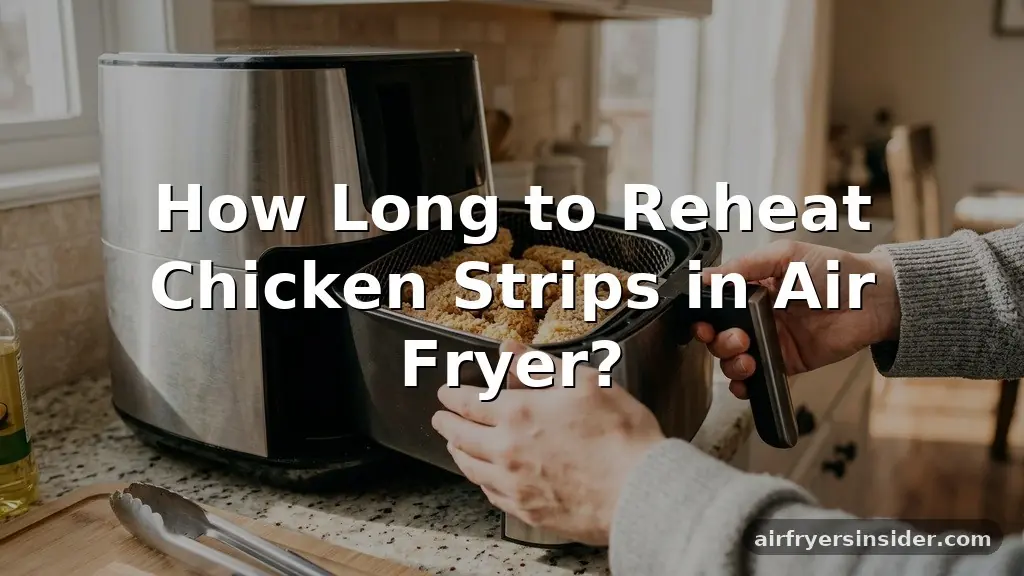
Finding out exactly how long to reheat chicken strips in air fryer appliances can save your leftovers from becoming rubbery or bland. Most people struggle with soggy breading or dried-out meat when using a microwave, but the air fryer changes the game by restoring that sought-after crunch. By mastering the right temperature and timing, you ensure your meal tastes as fresh as the day it was cooked.
Whether you are dealing with fast-food tenders or homemade varieties, achieving that perfect golden brown exterior requires a specific approach to thermal convection. Getting this balance right means you can enjoy crispy, succulent chicken without needing to order a fresh batch.
Understanding Rapid Air Technology for Leftovers
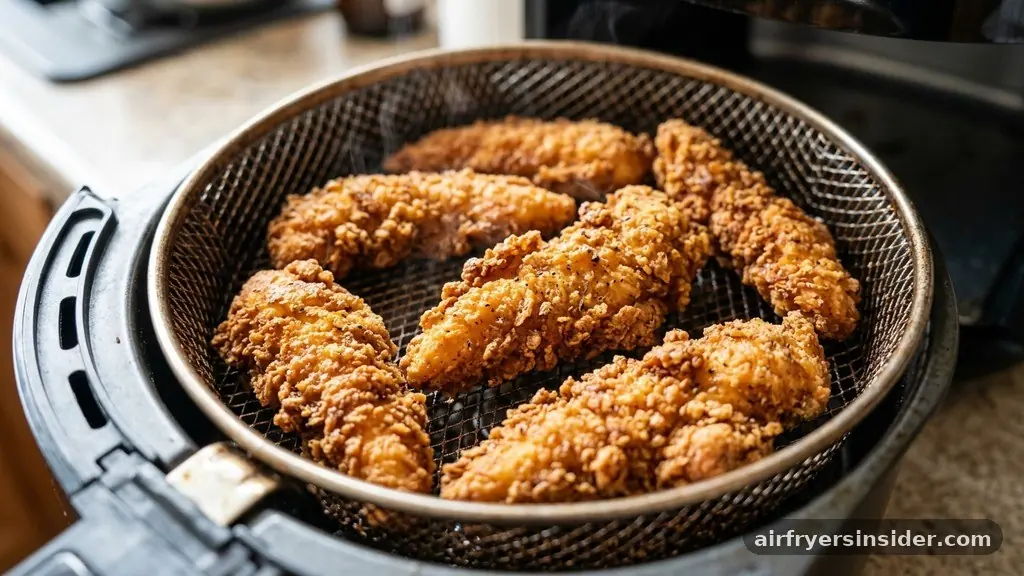
The magic behind your air fryer lies in its ability to circulate hot air at high speeds. This process, often referred to as rapid air technology, mimics the effect of deep frying but uses significantly less fat.
When you use this method to warm up food, you are essentially dehydrating the surface just enough to restore the crunch while heating the interior. Unlike a traditional oven, which takes time to reach peak efficiency, an air fryer focuses heat directly on the item, which is perfect for reviving breaded proteins.
When you place chicken strips inside the basket, the hot air hits the breading immediately. This is why the crust doesn’t turn into a mushy mess like it would in a microwave.
The moving air helps evaporate excess moisture on the surface, which is the primary reason for that satisfying snap when you take a bite. Understanding this mechanism is the first step toward mastering the art of reheating without losing quality.
Optimal Temperature Settings for Crispiness
Choosing the right temperature is just as important as the duration of the heating cycle. If the heat is too low, the chicken will sit in the machine for too long, causing the meat to dry out before the breading gets crispy.
If the heat is too high, the outside will burn while the center remains cold. For most breaded items, setting your machine to 350°F to 375°F provides the perfect environment for a quick refresh.
Maintaining this temperature range allows for the Maillard reaction—the chemical process that creates that savory, golden-brown crust—to occur once more. Most users find that 360°F is the sweet spot for balance.
It is hot enough to crisp the exterior but gentle enough to avoid turning the breading into something resembling a burnt cracker. Always consider the thickness of the meat; thinner tenders will heat faster, while thick, restaurant-style strips might need an extra minute at a slightly lower heat to ensure the middle is completely warm through.
Determining the Correct Cooking Time
When asking how long to reheat chicken strips in air fryer units, the answer usually falls between three and six minutes. This short window is all you need to transform refrigerated leftovers into something that tastes freshly prepared.
If your chicken was stored in the refrigerator, you should aim for the lower end of that spectrum. If you are starting from a very cold state or have a large pile of tenders stacked in the basket, you may need to push toward the six-minute mark.
You should always keep a close eye on the food after the three-minute mark. Because air fryers vary in power and capacity, the first time you try this, it is wise to open the basket early to check on the progress.
If the chicken still feels cool to the touch, give it another 60 seconds. Consistency in your results comes from knowing how your specific machine handles heat distribution, as some models have more powerful fans than others.
The Role of Oil Spray and Moisture Management
One of the most common mistakes people make is forgetting that breading can lose its natural oils over time. A light mist of oil spray can act as a catalyst for crispiness.
You do not need much—just a fine coating will help the breading absorb the heat more effectively and regain that golden brown sheen. This step is particularly helpful if your chicken strips have been in the fridge for more than 24 hours, as they tend to lose more moisture during longer storage.
Be careful not to over-saturate the breading with oil, as this can lead to a greasy result rather than a crispy one. A quick, sweeping motion with an oil mister is sufficient.
Additionally, if your chicken seems particularly dry, you can place a small piece of damp parchment paper at the bottom of the basket for the first half of the cycle, though this is rarely necessary for breaded tenders. Focus primarily on the exterior to ensure the texture remains light and airy rather than dense or heavy.
Food Safety and Internal Temperature
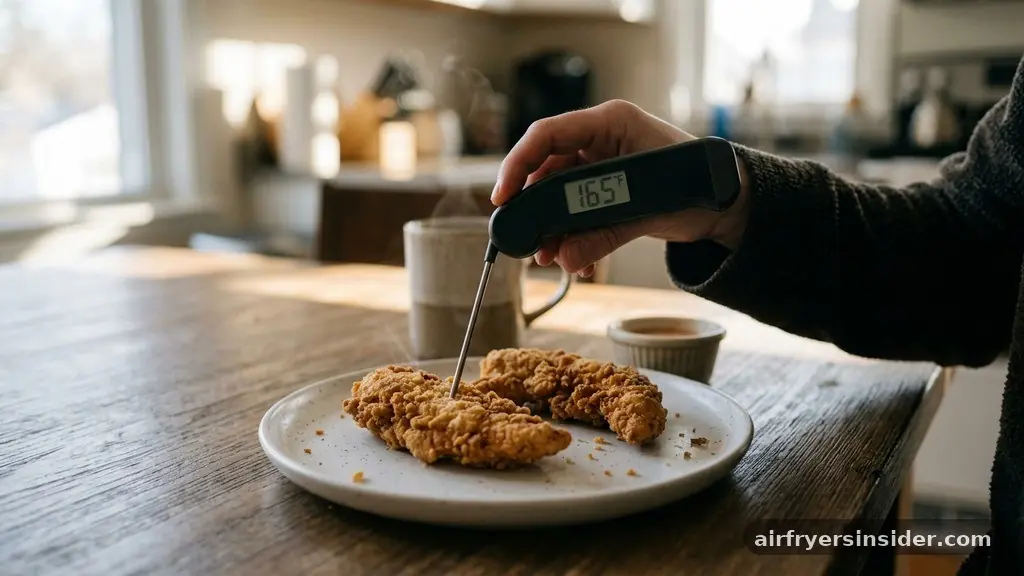
While reheating is primarily about texture, food safety remains a critical concern. You want to ensure the center of the chicken reaches a safe internal temperature to prevent any potential issues. Using a food thermometer is the most reliable way to verify that your meal is ready to eat.
Aim for an internal temperature of 165°F. This ensures that the protein is thoroughly heated without being overcooked to the point of toughness.
If you do not have a thermometer, you can use the touch test. A properly reheated chicken strip should be hot throughout, and the center should be steaming when you pull it apart.
If you find the exterior is browning too quickly but the inside is still cool, turn the heat down by 25 degrees and add another two minutes to the timer. This adjustment helps the heat penetrate the thicker parts of the meat without scorching the outer layer.
Comparing Reheating Methods
It is helpful to look at how the air fryer compares to other common kitchen gadgets. Many people still rely on the microwave or the oven for their leftovers, but both have distinct drawbacks.
The microwave destroys the structure of the breading, while the oven is often too slow and can dry out the meat significantly. The air fryer sits in the perfect middle ground, offering speed and texture.
| Method | Texture | Speed | Efficiency |
|---|---|---|---|
| Air Fryer | Crispy | Fast | High |
| Microwave | Soggy | Very Fast | Low |
| Oven | Dry/Crispy | Slow | Medium |
As shown in the table, the air fryer is the clear winner for maintaining the integrity of the breading. While the microwave is technically faster, the result is rarely appetizing. If you value quality over saving thirty seconds of time, the air fryer is the only logical choice for your leftovers.
Addressing Topical Gaps
A common question that often goes unanswered is how to handle frozen chicken strips versus refrigerated ones. If you are reheating from frozen, you must adjust the cooking time significantly.
Frozen strips require an extra two to four minutes of air frying time. You should also start at a slightly lower temperature, perhaps 330°F, to allow the frozen center to thaw before the breading browns.
Another gap in common advice is how to deal with overcrowding the basket. Many users stack their chicken to save time, but this prevents the air from circulating properly. For the best results, arrange your strips in a single layer.
If you have a large amount, it is better to work in two batches. This ensures that every piece gets equal exposure to the heat, resulting in a consistent texture across the entire meal. Always ensure there is enough space for the air to move freely around each piece.
Pro Tips for the Best Results
* Always preheat your air fryer for two to three minutes before adding the chicken to ensure immediate heat contact.
* Flip your chicken strips halfway through the cooking process to ensure even browning on both sides.
* Use a rack if your air fryer model includes one to allow air to flow underneath the chicken, preventing a soggy bottom.
* Avoid using excess sauce before reheating; apply your favorite dipping sauce or glaze after the chicken has been crisped to maintain the texture.
* Let the chicken sit for one minute after removing it from the basket; this allows the residual moisture to redistribute and the crust to set.
Following these simple habits will elevate your reheating game. It is not just about the timer; it is about how you prep the environment inside the basket. By treating the reheating process with the same care as the initial cooking, you get a meal that feels brand new every single time.
Maintenance and Safety Considerations
Your air fryer is a powerful tool, but it requires basic maintenance to keep working well. After reheating greasy chicken strips, make sure to wipe down the basket or the grate once it has cooled.
Leftover crumbs can burn during the next use, creating smoke and off-flavors. Keeping the heating element clean is also essential for maintaining the efficiency of the rapid air technology.
Always place your unit on a heat-resistant surface and ensure there is enough clearance around the vents. Air fryers pull in cool air and exhaust hot air, so they need room to breathe.
When you are done, unplug the device to save energy and prevent any accidental activation. These minor steps ensure that your appliance remains a reliable part of your kitchen for years to come.
FAQ
Can I reheat chicken strips that have sauce on them?
Yes, but expect them to be less crispy. If the chicken is heavily coated in a sticky sauce, it may caramelize or burn at high temperatures. It is better to reheat them plain and add extra sauce once they are finished warming up.
Do I need to use oil spray every time I reheat?
It is not strictly required, but it is highly recommended if you want to restore the original crunch. A light spritz helps rehydrate the breading, which often loses its crispness when stored in the refrigerator. It makes a noticeable difference in the final texture.
What should I do if the center of the chicken is still cold?
If the center remains cold, your heat setting was likely too high, or the strips were too thick. Simply turn the temperature down by 25 degrees and add two more minutes. This allows the heat to reach the middle without burning the outer breading.
Can I use parchment paper in the air fryer?
You can use parchment paper, but ensure it is properly weighted down by the food so it does not fly up into the heating element. It makes cleanup easier, but avoid using it if you want the maximum possible crispiness on the bottom of your chicken.
Final Thoughts on Perfecting Leftovers
Mastering how long to reheat chicken strips in air fryer appliances is a simple way to reduce food waste and enjoy better meals. By utilizing consistent temperatures, ensuring proper airflow, and keeping an eye on the internal heat, you can reclaim that fresh-from-the-fryer quality. It is all about managing the moisture and letting the technology do the heavy lifting for you.
With a bit of practice, you will find that your leftovers are just as satisfying as the first meal. Next time you have extra tenders, don’t settle for a soggy microwave experience; fire up your air fryer and enjoy the crunch.
Meta Description: Learn exactly how long to reheat chicken strips in air fryer units to keep them crispy and delicious. Get expert tips for perfect, golden-brown leftovers.


