


Achieving the perfect crunch when learning how to make frozen french fries in air fryer is far simpler than relying on a traditional oven. By utilizing high-velocity hot air, you can transform a bag of frozen potatoes into a crispy, golden brown snack in a fraction of the time required by standard convection methods.
Whether you prefer thin shoestring cuts or hearty waffle styles, mastering the air fryer technique ensures consistent results every time. This approach not only saves energy but also significantly improves texture, providing that desirable exterior crispness while maintaining a fluffy, tender interior that rivals your favorite restaurant side dish.
The Science Behind Air Frying Frozen Potatoes
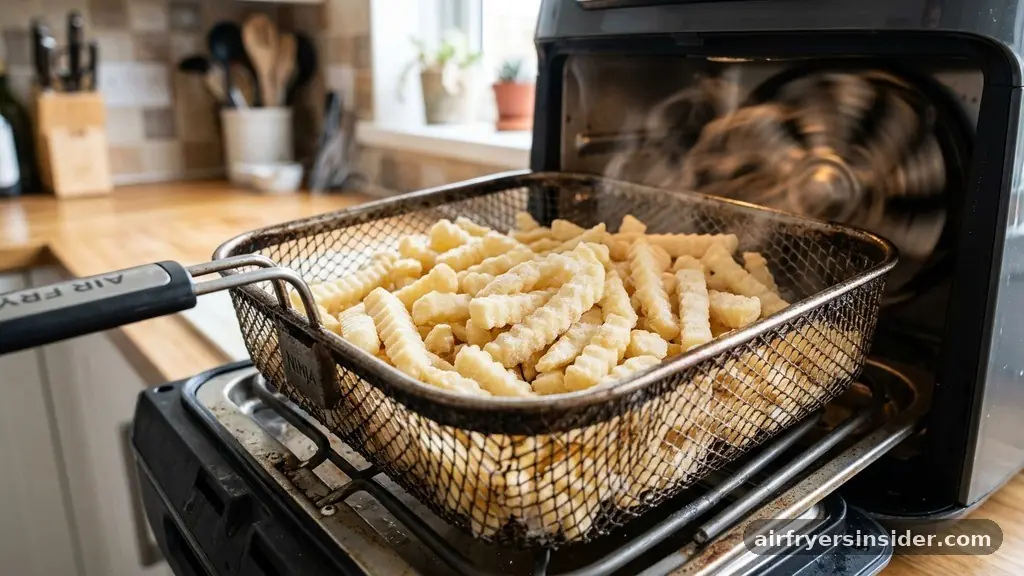
The effectiveness of an air fryer lies in its ability to replicate deep-frying through intense convection cooking. When you place frozen fries into an air fryer basket, the machine circulates superheated air at high speeds, which facilitates the Maillard reaction.
This chemical process between amino acids and reducing sugars is what gives your fries that signature savory flavor and deep color. Unlike a conventional oven, which relies on radiant heat, the air fryer forces moisture away from the surface of the potato much more efficiently.
Managing potato moisture is the secret to avoiding soggy results. Because frozen fries are already par-cooked, they contain residual ice crystals that must be evaporated quickly.
If the air circulation is impeded, these crystals melt into steam, which softens the potato structure and prevents the surface from crisping. By maintaining high temperatures and proper airflow, you ensure that the exterior remains firm while the interior reaches an optimal internal temperature for food safety and texture.
Selecting the Right Fries for Your Appliance
Not all frozen potato products behave the same way under concentrated heat. Shoestring fries, due to their small surface area, cook much faster than thicker varieties like steak fries or wedges. Conversely, waffle fries and crinkle-cut versions have more surface area and deep ridges, which are excellent for catching seasoning but require slightly longer cooking time to ensure the centers are fully heated.
When choosing your fries, consider the coating. Many commercial brands are pre-tossed in a light dusting of starch or flour to enhance crispiness.
While this is beneficial for air frying, it also means these fries are more prone to sticking if the non-stick coating of your basket is worn or if you do not use enough oil. Always check the packaging for specific manufacturer recommendations, as some brands are specifically formulated for high-heat air frying and may require less oil than standard varieties.
Preparing the Air Fryer for Optimal Crispness
While many modern air fryers claim they do not require preheating, doing so for 3 to 5 minutes can significantly improve the initial crisping stage. By starting with a hot environment, you effectively “sear” the exterior of the frozen potato the moment it hits the basket, preventing the starch from absorbing excess moisture. This is especially important when you are working with a crowded basket, as the initial temperature drop is more pronounced.
Placement is equally vital. You should aim to arrange the fries in a single layer whenever possible. Overcrowding the basket is the most common mistake made by home cooks; it creates a “steaming” effect where the fries at the center remain limp while the ones on the edges burn.
If you are cooking a large bag, it is better to work in two batches rather than forcing them into one load. If your appliance is a basket-style air fryer, you have more control over this, whereas an oven-style air fryer may offer more rack space for even distribution.
The Role of Oil and Seasoning
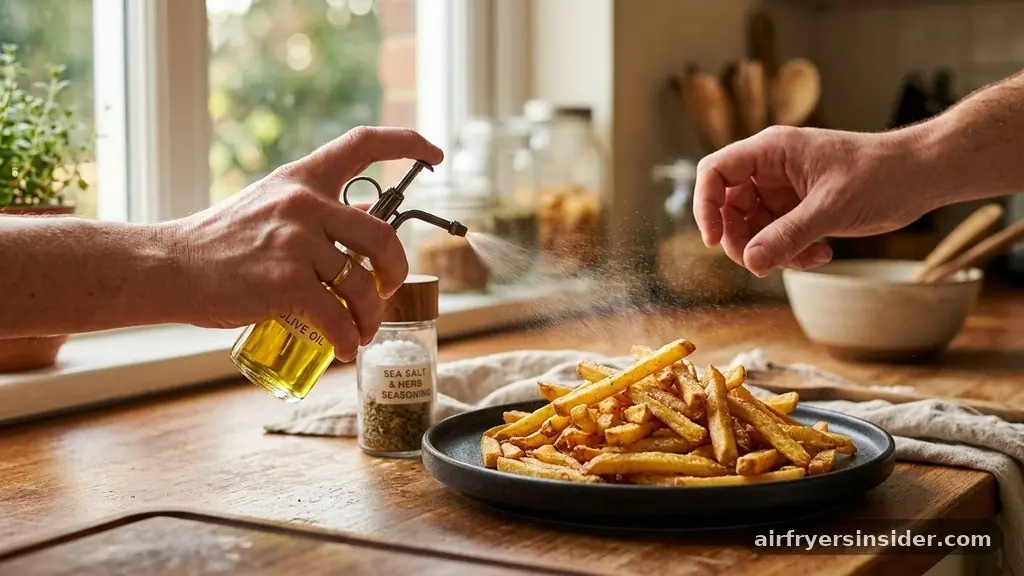
While frozen fries are often pre-fried in oil during the manufacturing process, a light spritz of vegetable oil spray can significantly enhance the final texture. This extra layer of fat helps conduct heat more evenly across the surface of the fry, leading to a more uniform golden brown appearance. When choosing an oil, ensure it has a high smoke point, such as avocado, grapeseed, or refined canola oil, to prevent burning or off-flavors during the high-heat cycle.
Seasoning should generally be applied immediately after cooking, while the fries are still hot and slightly oily. This ensures the spices adhere properly to the surface. While standard sea salt is the classic choice, you can experiment with various flavor profiles to elevate the dish:
- Seasoning salt for a savory, umami-rich boost.
- Nutritional yeast for a cheesy, dairy-free flavor profile.
- Smoked paprika combined with garlic powder for a barbecue-inspired kick.
- Fresh herbs like rosemary or thyme for an aromatic, gourmet finish.
Managing the Cooking Process
To guarantee an even cook, you must shake the basket at least once or twice during the process. This redistributes the fries, ensuring that the ones previously hidden in the middle or bottom are exposed to the direct airflow.
In a basket-style model, a quick toss is usually sufficient. In an oven-style unit, you might need to rotate the trays or use tongs to flip individual pieces if they are larger, such as potato wedges.
Monitoring the cooking temperature is also critical. While most recipes call for 400°F (200°C), some thicker fries may benefit from a slightly lower temperature of 375°F (190°C) to ensure the inside is cooked before the outside becomes too dark. Below is a general guide to help you estimate timings based on the type of fry you are preparing.
| Fry Type | Recommended Temp | Estimated Time |
|---|---|---|
| Shoestring | 400°F | 10-12 Minutes |
| Crinkle-Cut | 400°F | 12-15 Minutes |
| Waffle Fries | 380°F | 14-18 Minutes |
| Steak Fries | 375°F | 18-22 Minutes |
Addressing Common Challenges and Troubleshooting
If your fries are coming out limp, the culprit is almost always trapped steam. Ensure that your air fryer is placed in a well-ventilated area away from walls or cabinets, as the intake vents need unobstructed airflow to function correctly. If you are using parchment paper to make cleanup easier, ensure it is perforated specifically for air fryers; using standard solid paper will block the vents at the bottom of the basket, completely ruining the convection effect.
Another common issue is uneven cooking, where some fries are charred while others remain frozen. This is usually a sign that the fries were not shaken enough or that the batch size was too large.
If you find yourself consistently struggling with batch sizes, consider investing in a multi-level rack that allows for better vertical stacking without sacrificing airflow. Always remember that the final minute or two is when the most significant browning occurs, so watch them closely at the end to prevent over-crisping.
Cleaning and Maintenance for Long-Term Performance
Maintaining your equipment is essential for future cooking success. If your air fryer basket has a non-stick coating, avoid using metal utensils, as these can scratch the surface and cause future batches of fries to stick.
Instead, use silicone-tipped tongs. After every use, ensure the basket and the tray are cleaned thoroughly to remove any residual oil, which can become rancid and smoke during subsequent uses.
Over time, grease buildup can also affect the heating element. Periodically inspect the top of the unit (the heating element area) to ensure no oil splatter has accumulated.
If the unit begins to smoke during operation, it is a clear indicator that there is leftover debris or oil being burned off. Keeping the appliance clean not only ensures better-tasting fries but also extends the life of your machine and improves overall food safety.
Answering Common User Questions
Can I use parchment paper in the air fryer to prevent sticking?
Yes, you can use parchment paper, but it must be specifically designed for air fryers with perforations. These holes allow the hot air to circulate freely. Using solid paper will block the airflow, preventing the fries from becoming crispy and potentially causing a fire hazard.
Do I really need to spray oil on frozen french fries?
While not strictly required, a light coating of oil significantly improves the texture and color. Since frozen fries are often pre-fried, they already contain some fat, but an extra spritz helps bridge the gap between “heated” and “crispy,” leading to a superior golden brown finish.
Why are my fries still soggy after cooking?
Soggy fries are usually caused by overcrowding the basket or a lack of airflow. When the basket is too full, the fries steam instead of crisping. Try cooking in smaller batches, shake the basket halfway through to redistribute them, and ensure your air fryer is not placed against a wall.
What is the best way to reheat leftover air-fried fries?
To reheat, place the fries back into the air fryer at 350°F (175°C) for about 3 to 5 minutes. This method is far superior to using a microwave, as it restores the crisp exterior without drying out the interior, making them taste almost as fresh as when they were first cooked.
Final Thoughts on Perfect Air-Fried Fries
Mastering the process of how to make frozen french fries in air fryer is an essential skill for any home cook looking to achieve restaurant-quality results with minimal effort. By prioritizing proper airflow, respecting the space limitations of your basket, and utilizing the right temperature settings, you can enjoy a crispy, delicious snack that is far healthier than traditional deep-fried alternatives. Remember that practice is key; your specific appliance may run slightly hotter or cooler than others, so use the provided times as a starting point and adjust based on your personal preference for crunch.
Experimenting with different seasonings and oil types will allow you to customize your fries to suit any meal. Start your next batch today and enjoy the perfect balance of texture and flavor.


