

Mastering the art of making fried potatoes in air fryer is a reliable way to achieve that elusive crunch without the hassle of a deep-fryer. By utilizing high-velocity convection heat, you can transform simple spuds into a golden, delicious side dish that rivals restaurant quality. Whether you are looking for a quick weeknight snack or a hearty accompaniment to a roast, the air fryer offers unparalleled control over texture and flavor.
This approach relies on consistent air circulation and proper preparation to ensure each bite is perfectly cooked, crisp on the outside, and tender on the inside. You will find that once you dial in your technique, this method becomes a staple in your culinary repertoire.
Selecting the Ideal Potato Variety
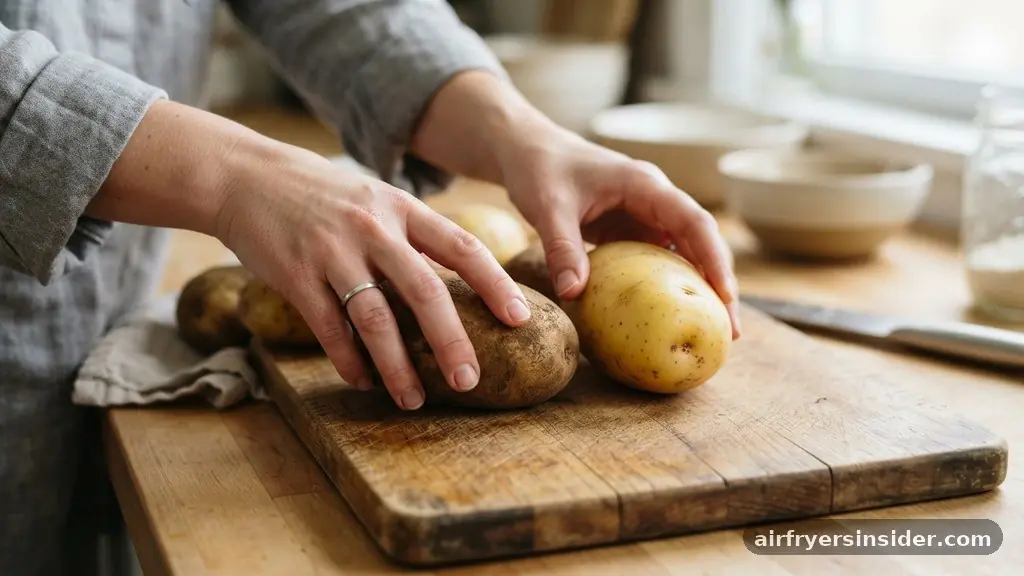
The secret to success starts long before you turn on the machine. Not all potatoes are created equal, and your choice of variety will significantly impact the final texture. Russet potatoes are widely considered the gold standard for air frying because of their high starch content. This specific structure allows the interior to become light and fluffy while the exterior develops a substantial crust.
If you prefer a richer, creamier flavor profile, Yukon Gold potatoes are an excellent alternative. They hold their shape well during the cooking process and provide a subtle buttery taste that complements a variety of seasonings.
Avoid waxy potatoes like red bliss or fingerlings if your primary goal is maximum crispiness. These varieties contain more moisture and less starch, which often results in a soft, dense texture that doesn’t crisp up as effectively under convection heat.
When you select your tubers, look for firm specimens without any green spots or sprouts. Consistency in size is just as important as the variety; selecting similar-sized potatoes ensures that your diced potatoes or potato wedges cook at the same rate, preventing some pieces from burning while others remain raw.
The Importance of Starch Extraction
One common pitfall for home cooks is skipping the preparation phase. Raw potatoes contain surface starch that can inhibit the desired crispiness, causing pieces to stick together or turn gummy. Performing a cold water soak for at least 30 minutes is a critical step in the process.
This soak facilitates starch extraction, pulling the excess surface sugars away from the potato flesh. Once the soak is complete, you must thoroughly dry the potatoes with a clean kitchen towel or paper towels.
Moisture reduction is the enemy of a perfect crunch. If you place wet potatoes into the air fryer, the appliance will spend the first several minutes steaming the food rather than browning it.
By ensuring the surface is bone-dry, you allow the heat to immediately begin the Maillard reaction, which is the chemical process responsible for that deep, savory browning and complex flavor development. If you are in a rush, a quick rinse followed by a thorough pat-down is better than nothing, but a proper soak yields superior results in both texture and color.
Optimal Oil Selection and Application
While air fryers are marketed as “oil-free” cooking devices, a small amount of fat is essential for conducting heat and achieving a professional finish. Choosing the right fat depends on your target cooking temperature. You want an oil with a high smoke point to prevent the kitchen from filling with acrid fumes. Avocado oil is a fantastic choice because it can withstand high heat without breaking down, and its neutral flavor profile lets the natural taste of the potato shine through. Olive oil is another popular option, though it is best reserved for medium-high temperatures to maintain its integrity.
The method of application matters just as much as the oil itself. Using a non-stick spray is convenient, but tossing your potatoes in a bowl with a tablespoon of oil provides much better seasoning distribution. When you toss the potatoes, you ensure every surface is coated, which is vital for uniform browning.
Avoid using too much oil, as this can lead to pooling at the bottom of the basket, which prevents proper excess oil drainage. A light, even sheen is all you need to achieve that satisfying crunch while keeping the dish relatively healthy.
Understanding Convection Heat and Air Circulation
The air fryer functions as a compact, high-powered convection oven. It forces superheated air to move rapidly around the food, which is why air circulation is the most important factor in your success. If you overcrowd the basket, you disrupt the airflow, creating pockets of stagnant air that lead to uneven cooking.
Your potatoes will end up steaming in their own moisture rather than frying. To prevent this, always arrange your potatoes in a single layer, or at most, a very thin, loose pile.
If you are cooking a larger batch, it is always better to cook in two separate rounds rather than cramming everything into one. The shake basket technique is your best tool for ensuring total coverage. Every five to seven minutes, pull the basket out and give it a vigorous shake.
This reorients the potatoes, exposing different sides to the direct blast of heat. This constant movement is what allows you to achieve a uniform golden brown exterior on all sides, rather than just the top and bottom.
The Role of Parboiling for Texture
If you want the absolute best results, consider parboiling your potatoes before they ever touch the air fryer basket. By boiling the cut potatoes in salted water for about five to eight minutes—until the edges are just barely softening—you alter the cellular structure of the potato. This creates a roughened, starchy exterior surface that expands during the air frying process, resulting in a much thicker, more durable crispy skin.
This technique is especially effective for thick-cut fries or large wedges. Because you are partially cooking the interior during the boil, the time required in the air fryer is reduced, which helps prevent the outer layer from drying out too much while the center catches up.
After parboiling, drain the potatoes well and let them steam dry in the colander for a few minutes before tossing them with your oil and seasonings. This extra step requires more time, but for special occasions or when you want the ultimate texture, it is a professional-grade secret that pays off in every bite.
Mastering Cooking Temperatures and Timing
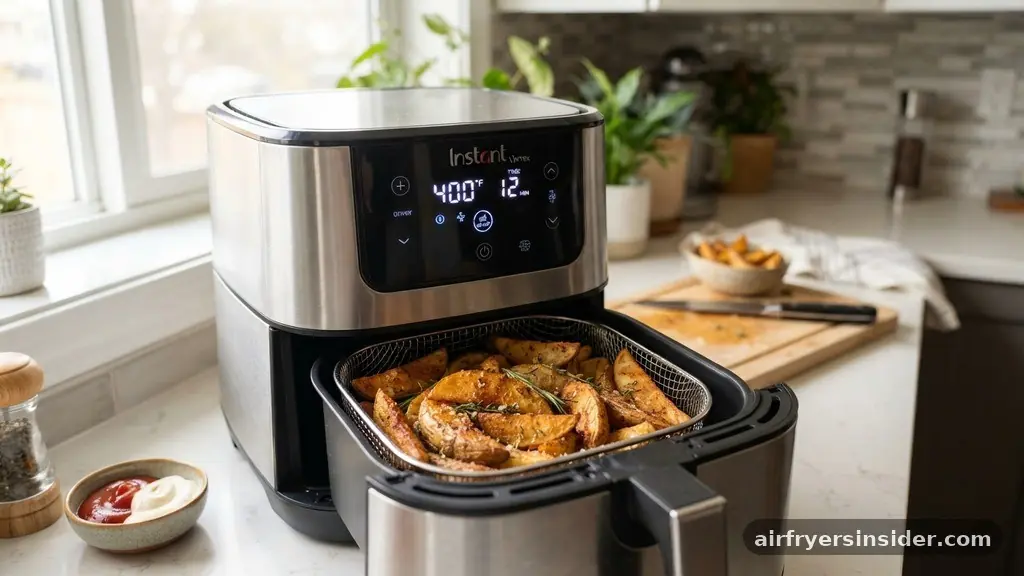
The temperature setting is the primary driver of the texture you will achieve. A lower temperature will cook the potato through but fail to provide that satisfying crunch, while a temperature that is too high will burn the exterior before the inside is cooked.
For most potato cuts, 380°F to 400°F is the sweet spot. Starting at 380°F allows the potato to cook through, while finishing at 400°F ensures the exterior gets that deep, golden color.
Common Temperature and Timing Guide
| Potato Cut | Temp (°F) | Estimated Time |
|---|---|---|
| Small Dice | 385°F | 12-15 Minutes |
| Standard Fries | 400°F | 15-20 Minutes |
| Thick Wedges | 390°F | 20-25 Minutes |
Keep in mind that these times are estimates. The actual cooking time will vary based on the wattage of your specific air fryer model and the size of your potato pieces. Always rely on visual cues like a deep, golden brown color and a fork-tender center to judge doneness.
If you are ever in doubt, use a food thermometer to check the internal temperature. A fully cooked potato should reach about 205°F to 210°F internally, ensuring that the starch has fully gelatinized and the texture is perfect.
Seasoning Distribution and Timing
Seasoning is the final step, but the timing of when you apply your spices can make or break the dish. Salt, herbs, and spices can burn quickly if they are exposed to the high heat of the air fryer for too long.
If you are using simple salt and black pepper, add them before cooking so they can adhere to the oil. However, if you are using delicate dried herbs like parsley, oregano, or paprika, it is often better to add them during the last three minutes of cooking.
Using a high-quality spice blend can elevate a simple potato into a gourmet side. Consider these common additions:
- Garlic powder and onion powder for a savory depth.
- Smoked paprika for a hint of wood-fired flavor.
- Dried rosemary or thyme for a classic, earthy aroma.
- Parmesan cheese added in the final minute for a salty, umami kick.
- Cayenne pepper or chili flakes if you enjoy a subtle heat.
Remember that salt draws moisture out of food.
If you salt your potatoes too early, they may release excess water, which can hinder the crisping process. Many professional chefs prefer to lightly salt the potatoes before cooking and then apply a final, heavier dusting of seasoning immediately after taking them out of the air fryer, while the surface oil is still hot and ready to grab the spices.
Addressing Common Topical Gaps
Many enthusiasts struggle with the “limp fry” problem, where the potatoes are cooked but lack structural integrity. This often happens because the potatoes were cut too thin or not dried properly. If your potatoes are consistently coming out limp, try increasing the thickness of your cuts.
Thicker wedges have more body and are more forgiving during the cooking process. Additionally, check your air fryer’s intake and exhaust vents. If the machine is pushed against a wall, the air cannot flow properly, which kills the efficiency of the convection heat.
Another common gap involves the use of frozen versus fresh potatoes. While fresh potatoes require the soak and dry method, frozen potatoes are usually pre-fried and coated in a light starch layer at the factory. You do not need to soak frozen potatoes; in fact, doing so would ruin them.
Simply toss them frozen into the basket and increase the cooking time by a few minutes. If you find your potatoes are burning on the outside but raw on the inside, your cooking temperature is likely too high. Lower the heat by 25 degrees and add a few extra minutes to the total time to allow the interior to cook through gently.
Troubleshooting and Maintenance
Even with the best preparation, you might encounter issues. If your basket has a tendency to stick, ensure you are using a light coating of oil or a specialized parchment liner designed for air fryers.
However, be careful with liners; they can block the air circulation if not placed correctly. Always ensure the liner is weighted down by the food so it doesn’t fly up into the heating element, which is a significant fire hazard.
Cleaning your basket regularly is also essential. Built-up grease from previous meals can smoke during high-heat cooking, which will impart a burnt flavor to your potatoes. If you notice smoke, stop the machine and wipe out the bottom of the basket.
Finally, if you are cooking potatoes frequently, consider investing in a dedicated silicone tray for your air fryer. These are often easier to clean than the mesh baskets and provide better excess oil drainage while still allowing for consistent airflow. By maintaining your equipment and following these procedural steps, you will find that making perfect fried potatoes in the air fryer is a repeatable, reliable process that delivers consistent satisfaction every time.
Frequently Asked Questions
Why is it necessary to soak potatoes in cold water before air frying?
Soaking potatoes in cold water removes excess surface starch. This is a vital step because excess starch can cause the potatoes to stick together or turn gummy instead of crispy. Removing the starch ensures that the heat can effectively dehydrate the surface, leading to a superior, crunchier finish.
Can I use raw potatoes directly in the air fryer without parboiling?
Yes, you can absolutely use raw potatoes. While parboiling can improve the texture, it is not strictly required. If you choose to go straight from prep to the basket, just ensure the potatoes are cut into uniform sizes, are thoroughly dried, and are tossed in a light coating of oil.
What are the most common mistakes people make when air frying potatoes?
The most common mistakes include overcrowding the basket, failing to dry the potatoes properly, and skipping the basket shake. Overcrowding prevents air circulation, while moisture prevents crisping. Shaking the basket is essential for ensuring all sides are exposed to the heat, which guarantees a uniform golden-brown color.
Do I need to preheat my air fryer for the best results?
While not strictly mandatory for all models, preheating your air fryer for three to five minutes can help the cooking process start immediately. This ensures that the Maillard reaction begins the moment the potatoes hit the basket, which often results in a better final texture and more consistent cooking.
Enjoying Your Crispy Creations
Achieving restaurant-quality results when making fried potatoes in air fryer is entirely within your reach once you understand the mechanics of starch, heat, and airflow. By selecting the right potato variety, ensuring your pieces are perfectly dry, and maintaining consistent movement during the cooking process, you can create a side dish that is both delicious and efficient.
Do not be afraid to experiment with different seasoning blends to find your personal favorite, and remember that patience—especially during the soaking and drying phases—is your greatest ally in the kitchen. Now that you have the knowledge to perfect this classic dish, grab a bag of potatoes and put these techniques to the test for your next meal.
Meta Description: Learn how to make fried potatoes in air fryer for the perfect crunch. Discover expert tips on variety selection, starch removal, and optimal cooking.


