

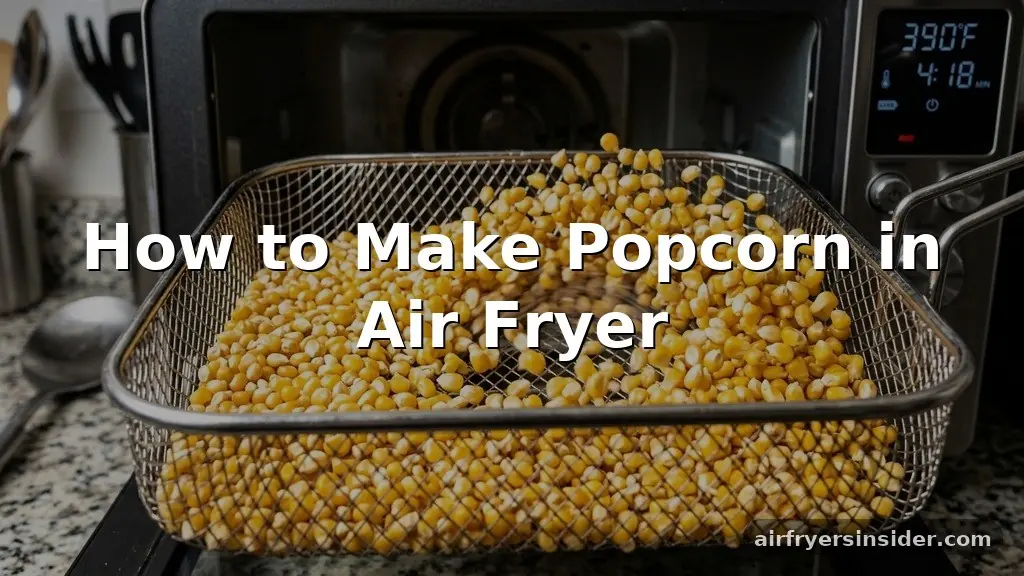
Learning how to make popcorn in air fryer setups provides a surprising alternative to traditional stovetop or microwave methods. While many people view their countertop convection units solely for reheating leftovers or crisping frozen vegetables, the high-velocity heat makes it a surprisingly effective tool for snack preparation.
By understanding the mechanics of how these appliances operate, you can achieve a light, crunchy result that rivals theater-style treats without needing specialized equipment. This approach focuses on managing airflow and heat distribution to ensure your kernels pop consistently while minimizing the risk of burning or creating a mess inside your machine.
Understanding the Mechanics of Air Fryer Popcorn
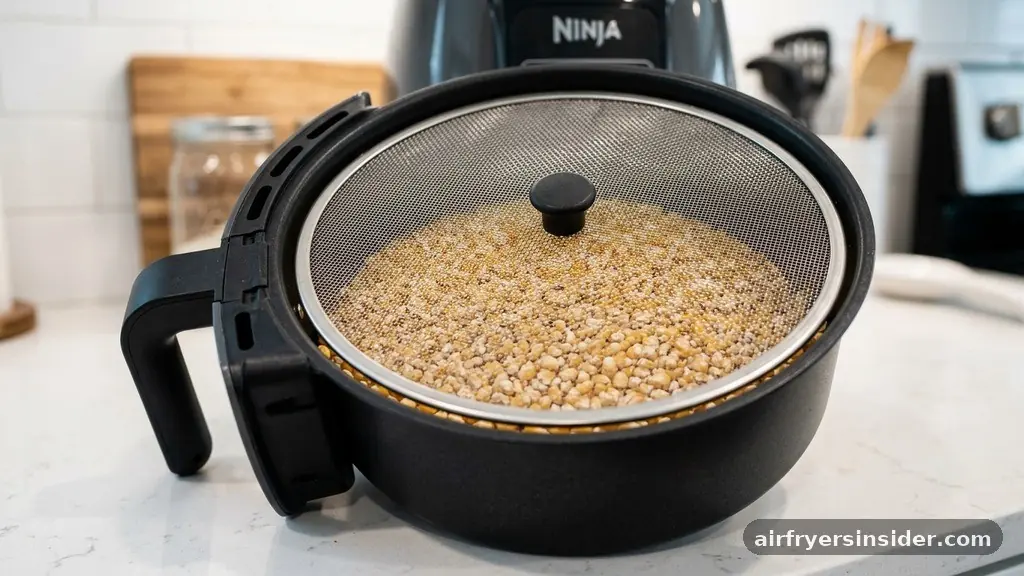
At its core, an air fryer is a compact, high-powered convection oven. It relies on a powerful fan that forces hot air to circulate rapidly around the food inside the air fryer basket.
When you attempt to pop kernels, you are essentially mimicking the environment of a hot air popper. The heating element warms the air, and the intense air circulation transfers that thermal energy directly into the hulls of the kernels.
However, the primary challenge involves the lightweight nature of popcorn. Once a kernel pops, it becomes buoyant and can be easily caught by the internal fan. If the airflow is too aggressive, the popped pieces may be blown up toward the heating element, where they can burn or damage the unit.
Mastering the process requires balancing the temperature settings to ensure the interior of the kernel reaches the threshold for moisture expansion before the exterior scorches. Unlike a traditional pot, you are working with a confined, high-pressure environment that demands specific containment strategies.
Essential Tools for Successful Popping
To successfully prepare this snack, you need more than just kernels and heat. Because air fryers are designed with perforated baskets to allow air to pass through, loose kernels will simply fall through the bottom or get stuck in the machinery. You must create a stable base that holds the kernels in place while still allowing enough thermal energy to reach them.
Many enthusiasts use a piece of heavy-duty aluminum foil shaped into a bowl or a specialized silicone accessory that fits the basket. This barrier prevents the kernels from escaping while concentrating the heat. You should also consider the oil you choose.
Since the air fryer reaches high temperatures quickly, you need an oil with a high smoke point, such as refined coconut oil or avocado oil. Vegetable oil can work, but avoid butter during the initial popping cycle, as the milk solids will burn long before the kernels explode.
Preparation and Safety Considerations
Before you begin, appliance safety must be your top priority. Air fryers, especially those with exposed heating elements at the top, are not always designed for light, flying objects. Always check your user manual to see if the manufacturer explicitly warns against using loose materials like foil or parchment paper in a way that could obstruct the fan.
When preparing to pop, ensure your splatter shield is clean. If there is leftover grease in the machine, the high heat could cause it to smoke, which will negatively affect the flavor of your snack.
Preheating the unit is another critical step. Just as you would heat a pan on the stove, ensuring the air fryer has reached its optimal temperature before adding the kernels ensures an immediate reaction, which leads to better expansion and a superior popcorn texture.
Optimizing Temperature and Timing
The debate over the perfect temperature settings is common among home cooks. Most air fryers function best between 390°F and 400°F (approx. 200°C) for this task.
You need that high heat to trigger the rapid expansion of the starch inside the kernel. If the temperature is too low, the kernels will dry out and become tough rather than light and fluffy.
The cooking time is usually shorter than you might expect, typically ranging from 5 to 8 minutes. You should listen closely to the popping cycle. Once the interval between pops stretches to more than two or three seconds, it is time to stop the machine.
Leaving it running longer will almost certainly result in burnt popcorn. Because every air fryer model has a different fan speed and heating profile, your first batch will likely serve as a test run to calibrate the timing for your specific kitchen appliance.
Addressing Common Popcorn Issues
One of the most frustrating aspects of this method is the presence of unpopped kernels. This usually happens because the heat isn’t distributed evenly or the kernels are too old and have lost their moisture content.
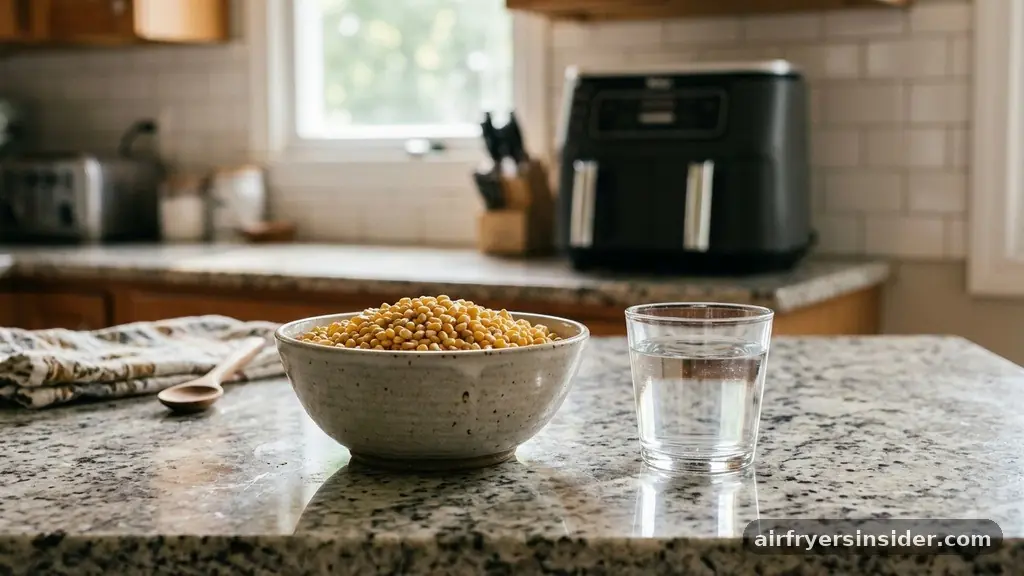
If you consistently end up with a pile of hard, unpopped seeds, try soaking your kernels in water for 10 minutes and drying them thoroughly before popping. This adds back the necessary moisture to create that explosive steam pressure.
Another frequent problem is the “flying kernel” phenomenon. If your air fryer doesn’t have a lid or a secure way to weigh down the foil, the popping action can lift the foil, causing it to hit the heating element.
Always ensure your foil “bowl” is tucked securely into the corners of the basket. If you are using a silicone liner, ensure it is rated for high-heat air frying and is heavy enough to remain stationary during the intense air circulation.
Strategic Ingredient Pairing
Once your popcorn is finished, the real fun begins with seasoning. Because the air fryer uses very little oil compared to stovetop methods, you might find that salt or spices don’t stick to the popcorn as easily. The trick is to apply your flavoring agents while the popcorn is still hot, immediately after transferring it to a bowl.
If you are using melted butter, drizzle it sparingly to avoid making the popcorn soggy. Many people prefer to use a light mist of oil or a specialized popcorn seasoning spray to help ingredients like nutritional yeast, chili powder, or finely ground salt adhere to the surface. Experimenting with flavor profiles is part of the appeal; the neutral base of air-popped corn makes it a perfect canvas for both savory and sweet cravings.
| Seasoning Category | Common Ingredients | Application Tip |
|---|---|---|
| Savory | Sea salt, garlic powder, parmesan | Add while hot for better adhesion |
| Sweet | Cinnamon sugar, cocoa powder | Use a light butter spray as a binder |
| Health-Conscious | Nutritional yeast, smoked paprika | Toss in a large bag to coat evenly |
Addressing Topical Gaps: Why Some Methods Fail
Many online tutorials suggest simply throwing kernels in the basket, which often leads to poor results. The primary gap in most advice is the failure to account for air circulation. If you crowd the basket, the hot air cannot move effectively, and you will end up with a mix of burnt kernels and raw seeds.
You must work in small batches. A single layer of kernels is usually sufficient.
Another gap is the reliance on microwave-style bags. While some people attempt to put these inside an air fryer, it is generally unsafe and ineffective. The air fryer is not a microwave; it relies on direct air contact.
A bag blocks the airflow and creates a fire hazard by trapping heat where it shouldn’t be. Stick to the open-basket method using a foil or silicone liner, as this allows the air to move around the kernels correctly while keeping them contained.
Refining Your Technique Over Time
As you get more comfortable with the process, you will develop a rhythm that works for your specific machine. You might find that rotating the basket halfway through the cooking time helps if your air fryer has a “hot spot.” Alternatively, you may discover that a specific brand of kernels performs better in the high-velocity environment of your convection unit.
Keep a small log of your times and temperatures. If you found that 400°F caused a slightly burnt taste after 6 minutes, adjust to 380°F for 7 minutes.
This kind of iterative improvement is how you master any cooking technique. Remember that the goal is to achieve a light, airy texture that is free of excessive grease, making it a healthier alternative to traditional movie theater snacks.
Maintenance and Cleaning After Popping
Cooking with oil and kernels in an air fryer requires diligent cleaning. Small pieces of hull can get stuck in the fan or the heating element guard.
After every session, once the unit has cooled down, remove the basket and inspect the area above it. If you notice any debris, gently wipe it away with a damp cloth.
If you used aluminum foil, dispose of it carefully, as it will be coated in hot oil. The air fryer basket itself should be washed in warm, soapy water to remove any residual oil that could turn rancid over time. Keeping your machine clean not only ensures better-tasting food in the future but also extends the life of the heating element and the fan motor, which are the most expensive parts to replace.
Frequently Asked Questions
Can I use regular popcorn kernels in an air fryer?
Yes, standard popcorn kernels work perfectly in an air fryer. However, the quality of the kernel matters. High-quality, fresh kernels have a better moisture content, which leads to a higher percentage of popped corn and fewer unpopped seeds left at the bottom of the basket.
Is it safe to use aluminum foil in my air fryer?
It is generally safe if used correctly. You must ensure the foil is weighed down by the kernels and cannot be lifted by the fan’s airflow, as touching the heating element is a fire risk. Always check your manufacturer’s guidelines regarding the use of liners.
Why does my popcorn taste dry or chewy?
This usually happens because the temperature is too low or the cooking time is too long. If the heat is insufficient, the moisture inside the kernel evaporates slowly rather than exploding. Try increasing the temperature or ensuring the kernels are not overcrowded to allow for better heat transfer.
How do I stop the kernels from flying into the heating element?
The best way is to use a heavy-duty foil bowl that is securely shaped to fit the bottom of your basket. By keeping the edges of the foil high and tucked in, you create a barrier that keeps the kernels contained while still allowing the hot air to circulate.
Conclusion
Mastering the process of making popcorn in air fryer setups is an excellent way to expand your culinary repertoire. By focusing on proper containment, choosing the right temperature, and managing the airflow, you can create a delicious, crispy snack that is far lighter than traditional versions. It is a rewarding technique that rewards patience and experimentation.
Start with small batches, keep a close watch on the popping cycle, and don’t be afraid to adjust your settings based on the specific performance of your appliance. Once you find the perfect balance for your machine, you will have a quick and reliable way to enjoy fresh popcorn whenever the craving strikes. Grab your favorite seasonings, gather your ingredients, and enjoy the satisfying crunch of your next batch.
Meta Description: Learn how to make popcorn in air fryer with this detailed guide. Discover the best temperatures, safety tips, and seasoning tricks for the perfect snack.


