

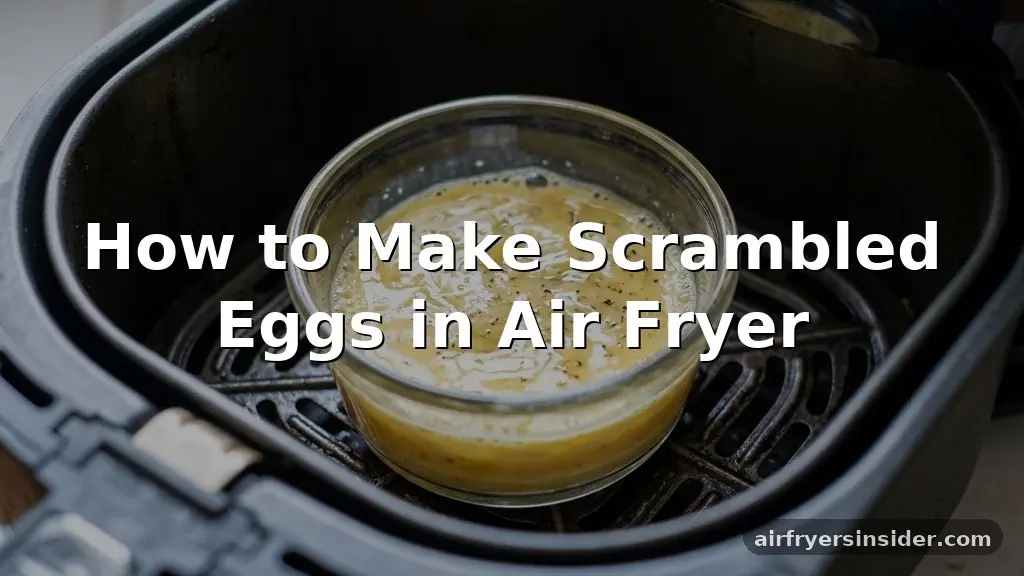
Learning how to make scrambled eggs in air fryer might sound unconventional at first, but it is a surprisingly effective way to get fluffy results without standing over a hot stove. By utilizing the rapid air technology inherent in these countertop ovens, you can achieve a soft, consistent texture that rivals traditional pan-cooked methods.
Whether you are looking to save space on your stovetop during a busy brunch or simply want to experiment with your appliance’s versatility, this method offers a unique approach to breakfast. Mastering the balance of heat and time ensures your eggs stay moist rather than rubbery.
Understanding the Science of Air Frying Eggs
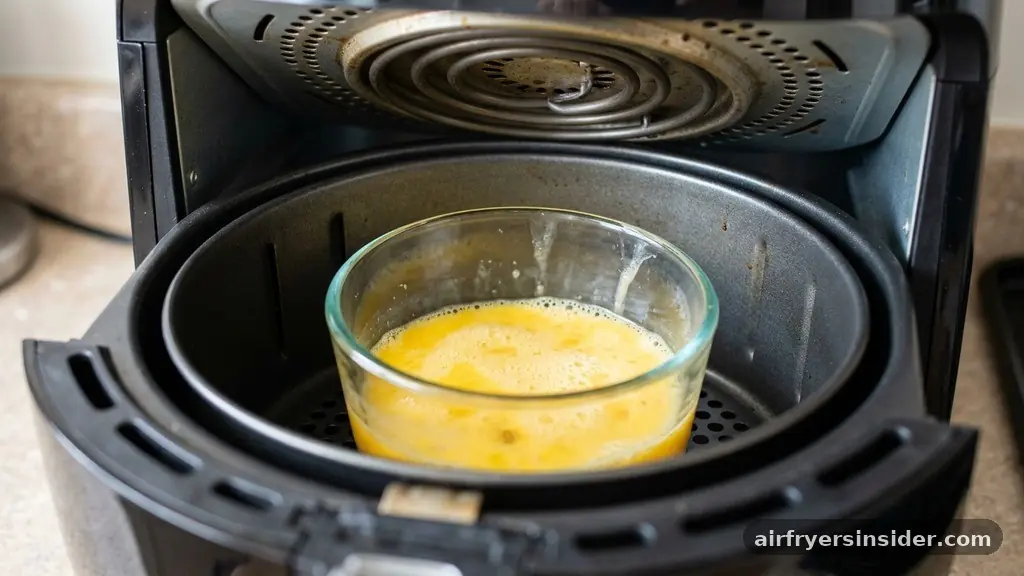
When you decide to start making scrambled eggs in air fryer units, you are essentially harnessing the power of convection heat to gently cook the proteins. Unlike a frying pan that applies direct conductive heat to the bottom of the eggs, an air fryer circulates hot air around a container.
This constant movement creates a delicate environment for protein coagulation. Because the heat source is located above the basket, the top of the egg mixture sets slightly faster than the bottom, which is why proper mixing is essential.
The rapid air technology acts like a small, high-powered fan blowing hot air through the chamber. This process cooks the eggs evenly, but it requires a heat-resistant container to hold the liquid mixture. Without a proper vessel, the eggs would simply drip through the basket grate.
Understanding how this airflow interacts with your chosen container is the secret to success. If you use a thin metal tin versus a thick ceramic ramekin, the cooking time will change significantly due to the thermal mass of the material.
Essential Equipment for Air Fried Eggs
You cannot simply crack eggs directly into the air fryer basket, so selecting the right vessel is your first priority. A silicone mold is arguably the most popular choice for this task because it is flexible and naturally non-stick, making cleanup a breeze.
Alternatively, a ceramic or glass ramekin works perfectly if you prefer a solid structure. Regardless of your choice, ensure the container is labeled as oven-safe and fits comfortably within your air fryer basket without blocking the airflow vents.
Preparation also involves using the right tools to ensure the eggs release easily. While silicone is inherently non-stick, a light coating of butter or a spritz of non-stick spray is highly recommended to improve the final mouthfeel and prevent any sticking.
You will also need a reliable whisk to incorporate air into your eggs before they go into the machine. This initial whisking step is vital for achieving that light and airy consistency that separates a great breakfast from a mediocre one.
Preparing the Perfect Egg Mixture
The quality of your final dish begins with how you treat the raw ingredients before they meet the heat. Start by cracking fresh eggs into a bowl.
Adding a splash of heavy cream or whole milk helps modify the egg texture, making the curds creamier and more resistant to drying out under the intense circulating heat. A pinch of salt and black pepper added during the whisking phase helps distribute the seasoning evenly throughout the mixture.
Consistency is key when you whisk. You are not just combining the yolk and white; you are introducing tiny air bubbles into the liquid. These bubbles expand during the cooking process, resulting in a fluffier curd.
If you prefer a richer flavor, consider adding a small knob of melted butter to the mixture. Whisk until the liquid is uniform in color and slightly frothy. This preparation stage is the most important part of the process, as you cannot adjust the seasoning once the eggs have begun to set in the air fryer.
The Role of Preheating and Cooking Temperatures
Many home cooks wonder if they need to preheat their appliance when learning how to make scrambled eggs in air fryer setups. While air fryers heat up much faster than traditional ovens, preheating for three to five minutes at your target temperature creates a stable cooking environment from the very first second.
This prevents the edges of your eggs from cooking too quickly while the center remains raw. A standard cooking temperature for eggs is typically 300 to 325 degrees Fahrenheit (approximately 150 to 165 degrees Celsius).
Maintaining this moderate range is crucial because eggs are highly sensitive to high heat. If the temperature is too high, the outside will become tough and rubbery before the inside is cooked through. If it is too low, the eggs will take too long and may lose their moisture.
Most modern machines, such as a Ninja air fryer, have precise digital controls that allow you to hold this temperature steadily. Always consult your specific manual to understand how your unit handles airflow, as some models are more powerful than others.
Step-by-Step Cooking Process
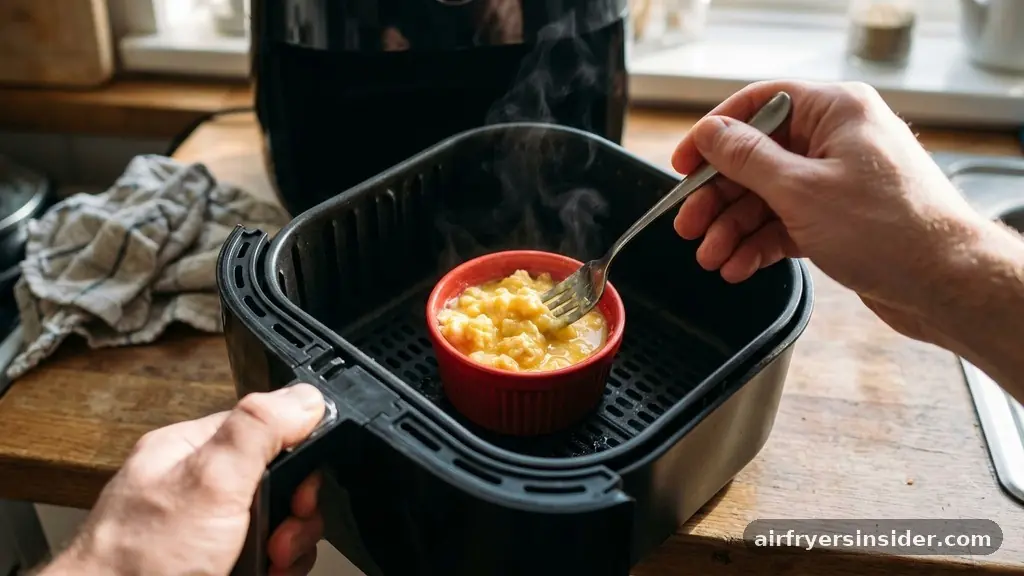
Once you have prepped your ingredients and preheated your device, the actual cooking process is quite straightforward. Follow these steps to ensure the best results:
- Preheat your air fryer to 320 degrees Fahrenheit.
- Grease your silicone mold or ramekin generously with butter or oil.
- Pour the whisked egg mixture into the prepared container.
- Place the container carefully into the center of the air fryer basket.
- Cook for 3 minutes, then pause the machine to stir the eggs.
- Continue cooking in 1-to-2-minute intervals, stirring each time, until the desired firmness is reached.
Stirring is the bridge between a solid “egg cake” and actual scrambled eggs. Because the air fryer focuses heat from the top, the top layer will set first.
By breaking up these curds and folding the liquid from the bottom to the top, you ensure uniform cooking. Keep a close eye on the internal temperature; eggs are technically cooked when they reach 160 degrees Fahrenheit, but you should pull them out just slightly before they look perfectly done, as they will continue to firm up from residual heat.
Comparing Cooking Methods
It is helpful to see how this method stacks up against traditional stovetop cooking. The following table highlights the differences you might encounter when choosing your preferred breakfast preparation method.
| Feature | Air Fryer Method | Stovetop Method |
|---|---|---|
| Texture | Light and uniform | Creamy and customizable |
| Attention Required | Periodic stirring | Constant monitoring |
| Cleanup | Minimal (container only) | Pan and spatula |
| Cooking Speed | Moderate (requires preheat) | Fast |
As shown in the table, the air fryer method offers a “set it and forget it” advantage that allows you to multitask in the kitchen. While the stovetop allows for more immediate control over heat levels, the air fryer produces a very consistent result that is difficult to burn, provided you don’t leave it in for an excessive amount of time. It is a fantastic option for those who find stovetop cooking stressful or who want to keep their kitchen cooler during the summer months.
Addressing Topical Gaps and Common Mistakes
One common gap in knowledge involves the use of parchment paper. Many people ask if they can use parchment paper instead of a silicone mold or ramekin. While you can technically create a “boat” out of parchment paper, it is not recommended for liquid eggs.
The paper can easily blow around due to the high-velocity air circulation, potentially covering the heating element or folding over into the eggs. Stick to sturdy, heat-resistant containers to ensure safety and quality.
Another frequent mistake is overfilling the container. If you fill a ramekin to the brim, the eggs will expand as they cook and potentially overflow, creating a mess inside your machine. Fill your container no more than halfway to two-thirds full to account for the rise.
Additionally, ignore the temptation to cook at a higher temperature to save time. Eggs are delicate; high heat will cause the proteins to tighten and squeeze out moisture, leading to a watery, rubbery mess that no amount of seasoning can save.
Food Safety and Maintenance
When you cook eggs, food safety remains a top priority. Always ensure that your eggs reach an internal temperature of 160 degrees Fahrenheit to eliminate any risk of salmonella. Because air fryers can sometimes create hot spots, it is beneficial to use an instant-read thermometer if you are unsure about the doneness of your eggs.
Furthermore, consider the health of your equipment. Eggs can be sticky, so ensuring your silicone or ceramic is properly greased is not just about texture—it makes cleaning much easier and prevents the buildup of carbonized food on your equipment.
After you finish cooking, allow the basket and container to cool down before washing. Do not use abrasive scouring pads on your air fryer basket, as this will destroy the non-stick coating over time.
A soft sponge and warm soapy water are usually sufficient. If you notice any egg residue stuck to the heating element (which is rare if you keep the container covered or low), wipe it down gently with a damp cloth only after the unit is completely unplugged and cold.
Frequently Asked Questions
Can I cook scrambled eggs in an air fryer without a pan?
No, you cannot cook scrambled eggs directly in the air fryer basket. The mixture will drip through the holes, creating a significant mess and potential fire hazard. You must use a heat-resistant container like a silicone mold or a ramekin to hold the eggs during the cooking process.
How long does it take to cook scrambled eggs in an air fryer?
Typically, it takes between 6 to 10 minutes depending on your appliance’s wattage and the thickness of the egg mixture. It is essential to pause the cooking every 2 to 3 minutes to stir the eggs, ensuring they cook evenly and reach the desired curd consistency without overcooking.
Why are my air fried eggs rubbery?
Rubbery eggs in an air fryer are usually the result of cooking at a temperature that is too high or leaving them in for too long. Since air fryers use intense, concentrated heat, it is better to cook at a lower temperature, such as 300 to 325 degrees Fahrenheit, and remove them early.
What is the best way to prevent eggs from sticking to the container?
Using a generous coating of butter or a high-quality non-stick spray is the most effective way to prevent sticking. Silicone molds are generally the best option for easy release, but if you are using a ceramic ramekin, ensure it is well-greased before you pour the egg mixture inside.
Making scrambled eggs in air fryer models is a practical skill that simplifies your morning routine while offering a consistent, fluffy result. By selecting the right container, whisking your eggs thoroughly, and managing your cooking intervals, you can easily turn your air fryer into a breakfast powerhouse. The key is to respect the power of the convection heat by keeping temperatures moderate and staying attentive during the stirring process.
Once you master these basic principles, you will find that this method provides a stress-free alternative to traditional stove cooking, allowing you to enjoy a nutritious start to your day with minimal cleanup. Experiment with your own favorite mix-ins, like cheese or herbs, and discover how this modern appliance can change your breakfast game for the better.
Meta Description: Learn how to make scrambled eggs in air fryer with this detailed guide. Discover the best techniques for fluffy, perfectly cooked eggs every morning.


