

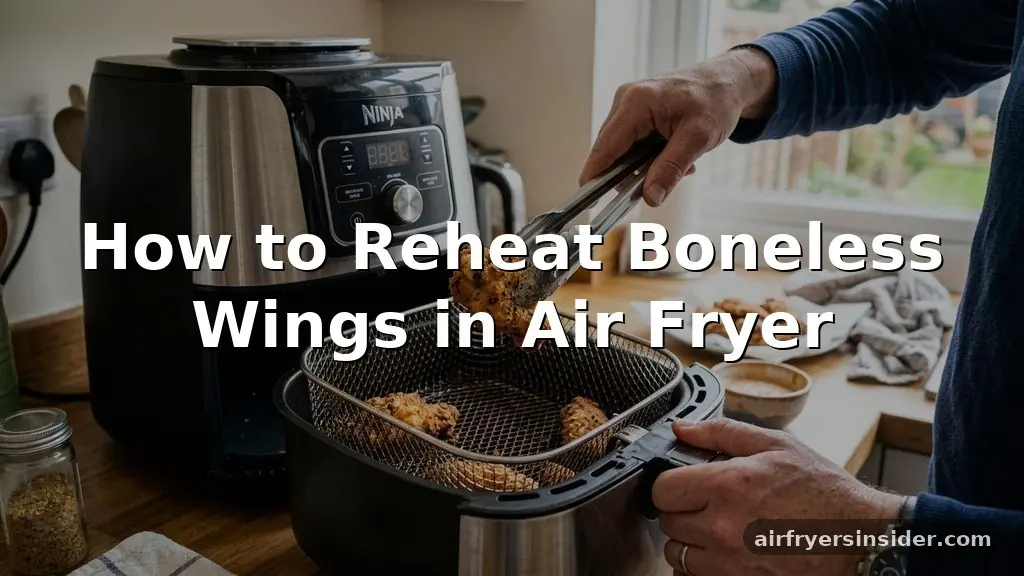
Mastering the art of reheating boneless wings in air fryer settings is the secret to avoiding the rubbery, sad texture that comes from using a microwave. When you have leftover wings from your favorite local spot or a home-cooked batch, you want that crunch to return without turning the meat into shoe leather.
Because air fryers use intense, concentrated heat, they are arguably the best tool for the job, effectively reviving the breading and warming the center through. By controlling the heat and time carefully, you can restore your meal to its former glory in just a few minutes, ensuring your next snack is as satisfying as the first.
Why the Air Fryer Outperforms Other Methods
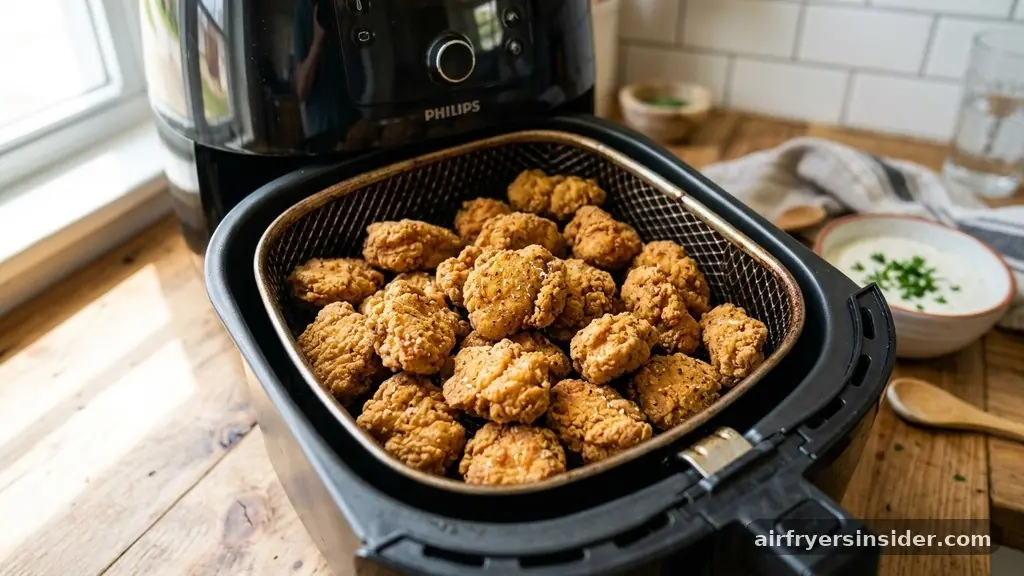
When you consider how to reheat boneless wings, the air fryer stands out because it acts like a high-powered convection oven. Unlike a microwave, which vibrates water molecules to heat food—often resulting in soggy, limp breading—an air fryer relies on rapid air circulation to move heat around the surface of the chicken. This process effectively toasts the exterior, bringing back that desirable crispy texture while ensuring the center remains succulent.
Most traditional ovens take far too long to preheat, leading to wings that dry out before they are even warm. A microwave is fast but destroys the integrity of the breading, leaving you with a gummy mess. The air fryer sits in the sweet spot.
It heats quickly, focuses the energy directly on the food, and requires very little oil to get the job done. If you have been struggling with leftover wings that lose their appeal after a day in the fridge, switching to an air fryer is the single most effective change you can make.
Preparing Your Wings for the Best Results
Before you toss your chicken into the basket, a little preparation goes a long way. If you pull the wings straight from the refrigerator, the center will stay cold while the outside burns.
Let your leftover wings sit on the counter for about 10 to 15 minutes to take the chill off. This helps the meat reach an internal temperature that warms evenly throughout the cooking process.
If your wings are heavily coated in a thick, sticky buffalo sauce, consider wiping off the excess with a paper towel. A massive amount of sauce can burn or create a mess in the bottom of your air fryer basket. You can always toss the wings in fresh sauce after they are heated.
For wings that are slightly dry, a very light spritz of oil spray can help the breading crisp up nicely without adding unnecessary fat. This small step ensures that the breading doesn’t just reheat, but actually regains its crunch.
Ideal Air Fryer Temperature and Timing
The most common mistake people make is using a temperature that is too high, which scorches the breading before the inside is hot. A moderate air fryer temperature is the key to success.
You should aim for 350°F to 375°F for most standard models, including popular ones like the Ninja Foodi or Cosori units. This temperature range is high enough to crisp the exterior but gentle enough to avoid drying out the chicken.
The reheat time typically ranges between 5 to 8 minutes, depending on the size of the wings and how crowded your basket is. If you are reheating a large batch, you will need to increase the time slightly and ensure you are not stacking the wings.
Overcrowding prevents the rapid air circulation from doing its job, which leads to uneven heating. Always aim to place the wings in a single layer so that the hot air can hit every side of the breaded chicken.
The Role of Parchment Paper and Cleanup
Using food-grade parchment paper can be a total game-changer for your cleaning routine, especially when dealing with saucy wings. Many air fryer liners come with holes, which still allow the air to circulate, but keep the sticky residue off your basket. If you don’t have perforated parchment, you can use a small piece of foil, though it may slightly impede the airflow.
Beyond the cleanup, parchment paper prevents the breading from sticking to the air fryer basket. If your wings are particularly delicate, this prevents them from tearing when you try to flip them halfway through.
When you are done, simply lift out the liner and wipe down the basket. This simple addition makes the process of reheating leftovers significantly less intimidating and encourages you to use your appliance more frequently for quick snacks.
| Method | Texture Result | Time Required |
|---|---|---|
| Microwave | Soggy/Rubbery | 1-2 Minutes |
| Conventional Oven | Okay, but slow | 15-20 Minutes |
| Air Fryer | Crispy/Fresh | 5-8 Minutes |
Addressing Potential Topical Gaps
One common question is how to handle wings that are already sauced versus those that are dry-rubbed. If you are dealing with dry-rubbed wings, you have more flexibility.
You can add a tiny bit of water or stock to the bottom of the air fryer—under the basket—to create a small amount of steam, which prevents the meat from becoming stringy. However, if you are reheating buffalo-style wings, avoid adding water, as it will only thin out your sauce and make the breading mushy.
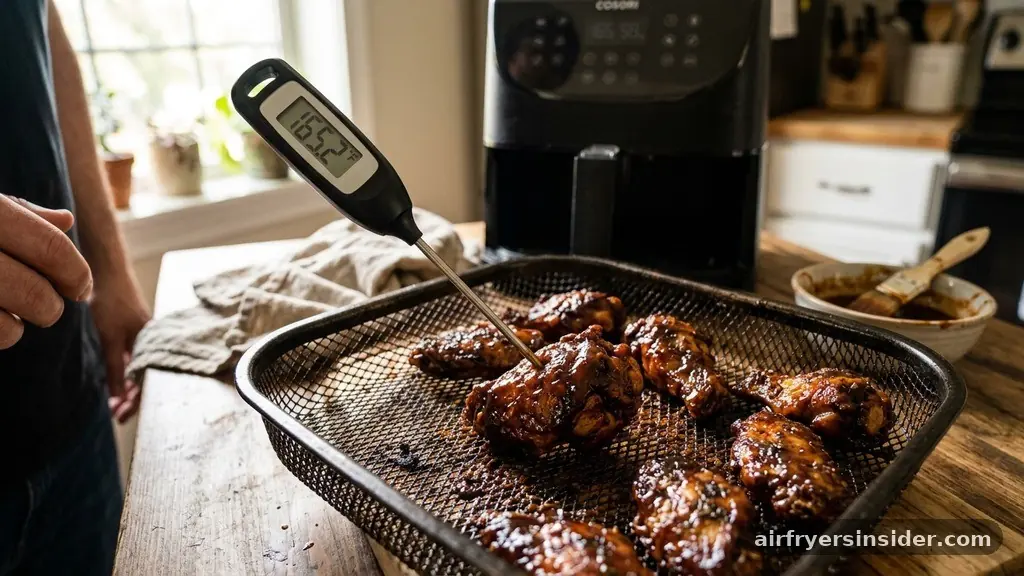
Another gap often missed is the importance of the internal temperature. To ensure food safety, you want the center of the chicken to reach an internal temperature of 165°F.
While you don’t need to check every single wing, using a meat thermometer on one or two of the largest pieces is a good practice if you are reheating a large amount of food. This gives you peace of mind that your leftovers are not just crispy, but also thoroughly heated and safe to consume.
Managing Different Air Fryer Models
Every air fryer behaves a little differently based on its wattage and basket design. A Ninja Foodi, for example, often has a more powerful fan than smaller, budget-friendly models.
If you notice your wings are browning too quickly, drop the temperature by 25 degrees and add an extra minute to the total time. Conversely, if you have a smaller basket, you might need to cook in two batches to maintain that necessary airflow.
The shape of the basket matters too. Square baskets are generally easier to load in a single layer than round ones.
If you are using a basket-style air fryer, remember to shake the basket or use tongs to flip the wings halfway through the reheating duration. This simple maneuver ensures that the bottom of the wing gets just as much heat as the top, preventing a soggy underside.
Optimizing for Crispy Skin and Breading
If you are obsessed with that perfect crunch, the secret lies in the moisture levels. If your wings have been sitting in the fridge for more than 24 hours, the breading has likely absorbed a lot of moisture from the sauce.
In this case, preheating your air fryer is non-negotiable. Putting the wings into a cold fryer means they will sit there as the temperature slowly climbs, effectively steaming the breading.
Start by preheating the unit for 3 minutes before adding the chicken. Once the wings are in, the immediate blast of high heat will cause the remaining moisture in the breading to evaporate quickly, leaving behind that signature crispy texture.
If you want to take it a step further, brush a very light layer of oil onto the wings before they go in. Even a small amount of fat helps conduct the heat more efficiently across the surface of the breading.
Common Mistakes to Avoid
Many people get impatient when they are hungry and crank the heat up to the maximum setting. This is a recipe for disaster. High heat will char the exterior and leave the inside cold or even frozen.
Always stick to the moderate range of 350°F to 375°F. Another common error is failing to use a wire rack if your air fryer came with one. A wire rack elevates the food, allowing air to circulate underneath the wings, which is vital for an even crisp.
Don’t ignore the importance of resting. Once the timer dings, let the wings sit in the basket for about one minute before serving. This allows the heat to redistribute and the sauce to set back onto the breading.
If you pull them out and eat them instantly, the sauce might be too runny, and the breading might feel slightly soft. Giving it that extra sixty seconds makes a world of difference in the final mouthfeel.
Creative Ways to Serve Reheated Wings
Once you have mastered the technique, don’t feel limited to eating the wings exactly as they were the first time. Reheated boneless wings are incredibly versatile. You can chop them up and toss them into a salad, place them on top of a bed of macaroni and cheese, or even use them to create a gourmet wing wrap with fresh lettuce and ranch dressing.
Because the air fryer restores the structural integrity of the wing, you can treat them like freshly cooked protein. If you find the flavor has faded slightly during the reheating process, don’t hesitate to add a fresh drizzle of buffalo sauce or a dusting of dry rub right before serving. This refreshes the flavor profile and makes the meal feel intentional rather than just a way to clear out the refrigerator.
- Preheat the air fryer for 3 minutes to ensure immediate crisping.
- Arrange wings in a single layer for optimal air circulation.
- Flip or shake the wings halfway through the reheating process.
- Use a meat thermometer to ensure a safe internal temperature of 165°F.
- Add fresh sauce after heating to maintain the best flavor and texture.
- Let the wings rest for one minute before serving to let the sauce set.
FAQ
Is it better to reheat wings in the oven or air fryer?
The air fryer is superior because it uses rapid air circulation to restore crispness quickly. Conventional ovens take longer to preheat and often dry out the meat before the breading can crisp up, whereas the air fryer provides a faster, more efficient reheat that mimics fresh cooking.
How long should I reheat boneless wings in an air fryer?
You should typically reheat them for 5 to 8 minutes at 350°F to 375°F. The exact time depends on the quantity of wings and the power of your air fryer. Always check the center to ensure they are hot and have reached an internal temperature of 165°F.
How do I stop the wings from drying out?
To prevent them from drying out, avoid using temperatures above 375°F and do not overcook them. If your wings are particularly dry, a very light spritz of oil before heating can help retain moisture. Always keep the heating time short to maintain the juiciness of the meat.
Can I stack the wings in the air fryer basket?
It is highly recommended to avoid stacking. Overcrowding the basket prevents the air from circulating around each wing, which leads to uneven heating and soggy spots. For the best, crispiest results, place your leftover wings in a single, even layer so the hot air can reach every side.
Conclusion
Reheating boneless wings in air fryer settings is arguably the most efficient way to enjoy your leftovers without compromising on quality. By focusing on moderate heat, proper spacing, and the right preheating techniques, you can easily restore that crispy texture and juicy interior that makes wings so addictive. Whether you are a fan of spicy buffalo sauce or a classic dry rub, this method ensures that your meal remains as enjoyable the second time around as it was the first.
Take the time to let your appliance heat up, arrange your wings carefully, and you will never have to settle for soggy, microwaved chicken again. Enjoy your perfectly revived snack and feel free to experiment with new dipping sauces to keep things interesting.


