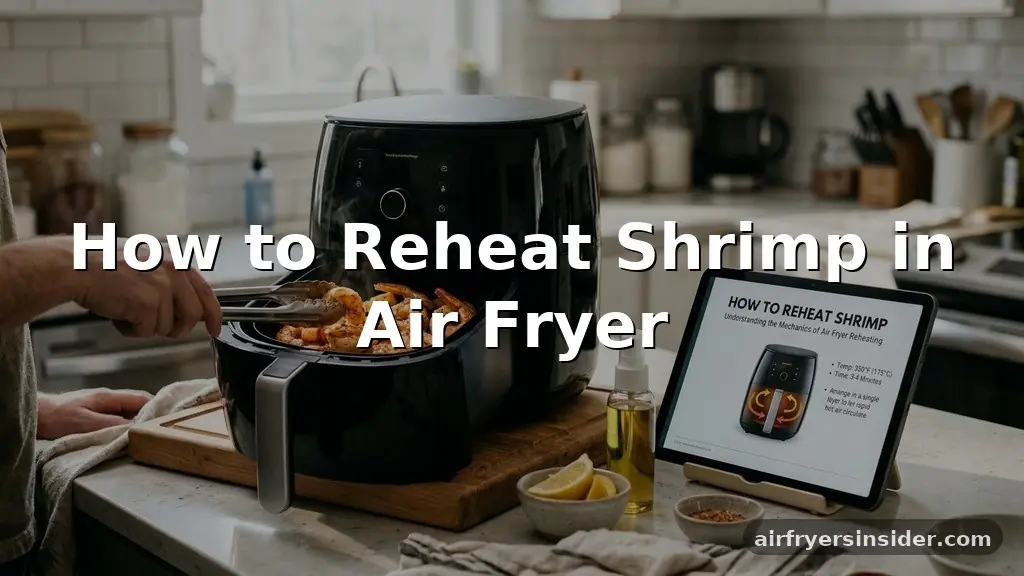
If you have ever found yourself staring at a container of leftover seafood, you know the struggle of trying to bring it back to life without turning it into a rubbery mess. Learning how to reheat shrimp in air fryer setups is a culinary skill that saves you from the inevitable disappointment of a soggy microwave meal.
By utilizing convection cooking, you can restore that snap and crunch that fresh seafood deserves. Whether you are dealing with simple grilled pieces or breaded favorites, mastering this process ensures your leftovers taste just as good as the first time you enjoyed them.
Understanding the Mechanics of Air Fryer Reheating
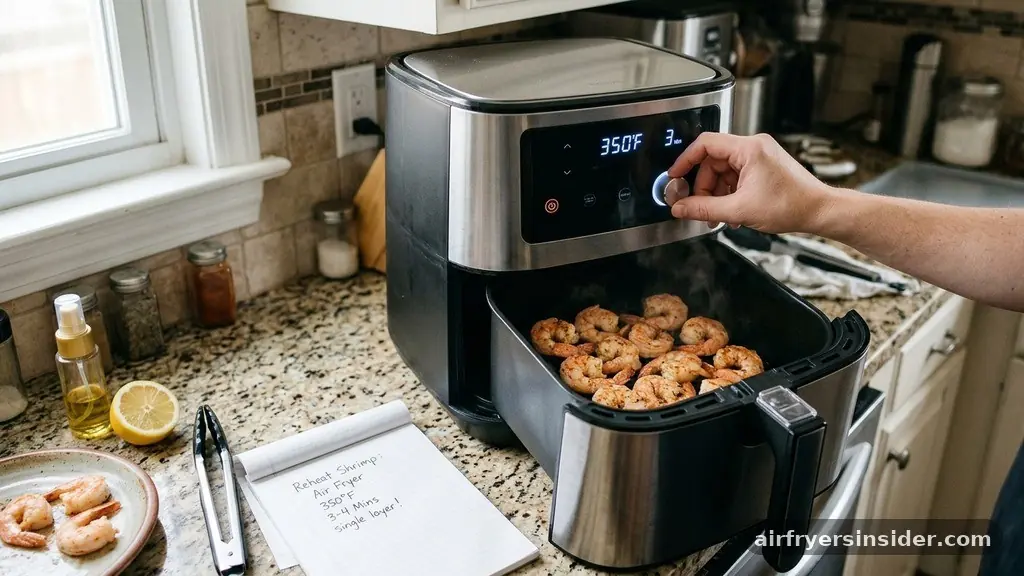
The air fryer functions as a compact convection oven, circulating hot air rapidly around your food. This is the primary reason why it is significantly superior to a microwave when you are reheating leftovers.
Microwaves work by agitating water molecules, which often results in uneven heating and that dreaded rubbery texture that ruins delicate proteins. In contrast, the air fryer focuses on maintaining a consistent surface temperature, which is essential for moisture retention and crisping.
When you reheat shrimp in an air fryer, you aren’t just warming the food; you are essentially re-toasting the exterior. This process helps maintain the structural integrity of the protein texture, ensuring the shrimp remains tender inside while the outside regains its appeal.
Because the air fryer is so efficient, it is vital to keep a close eye on the machine. You are essentially performing a quick refresh rather than a full cook, which means the window between perfectly warmed and overcooked is quite small.
Preparing Your Shrimp for the Best Results
Before you toss your seafood into the basket, a little bit of preparation goes a long way. If the shrimp has been sitting in the refrigerator for a long time, it is often helpful to let it sit at room temperature for about ten minutes. This prevents the exterior from burning before the center has a chance to warm through.
Additionally, if the shrimp is coated in a heavy sauce, you might want to gently pat it dry with a paper towel. Excess moisture creates steam, which is the enemy of a crispy exterior.
You should also consider the size and arrangement of your shrimp. For optimal results, place the shrimp in a single layer in the air fryer basket.
If you stack them on top of each other, the air cannot circulate properly, and you will end up with some pieces that are hot and others that remain cold. If you are working with popcorn shrimp or smaller varieties, a little shake of the basket halfway through the process is usually sufficient to ensure even heat distribution.
Timing Based on Shrimp Variety
Not all seafood is created equal when it comes to heat sensitivity. A large, grilled jumbo shrimp will require a different approach than a small, breaded popcorn shrimp. Generally, breaded and fried shrimp benefit from a slightly higher temperature to help crisp up the breading, while plain or grilled shrimp should be treated more gently to avoid drying them out.
Breaded and Fried Varieties
For items like coconut shrimp or breaded shrimp, you want to aim for a temperature of about 350°F. These varieties often have a fat content in the breading that will crisp up beautifully with just a few minutes of exposure to the hot air. If you notice the breading is starting to look a little dry, a very light spritz of olive oil spray can help rejuvenate the crust without making it greasy.
Plain or Grilled Shrimp
Plain or grilled shrimp are much more susceptible to overcooking. Because they lack a protective breading, the heat penetrates the flesh very quickly.
For these, it is best to drop the temperature to about 325°F and shorten the timing significantly. You are really just looking to bring them up to a safe internal temperature without pushing the protein to the point where it becomes tough.
Essential Tools and Techniques
While the air fryer itself is the star, having the right accessories can improve your success rate. A set of silicone-tipped tongs is invaluable for flipping or rearranging the shrimp without damaging the coating on breaded pieces. If you find your shrimp are sticking to the basket, a small piece of parchment paper designed for air fryers can prevent messes, though you should ensure the paper is weighed down by the food so it does not fly up into the heating element.
| Shrimp Type | Temperature | Estimated Time |
|---|---|---|
| Popcorn Shrimp | 350°F | 3-4 Minutes |
| Coconut Shrimp | 340°F | 4-5 Minutes |
| Grilled/Plain Shrimp | 325°F | 2-3 Minutes |
| Large/Jumbo Shrimp | 325°F | 3-4 Minutes |
Avoiding Common Mistakes
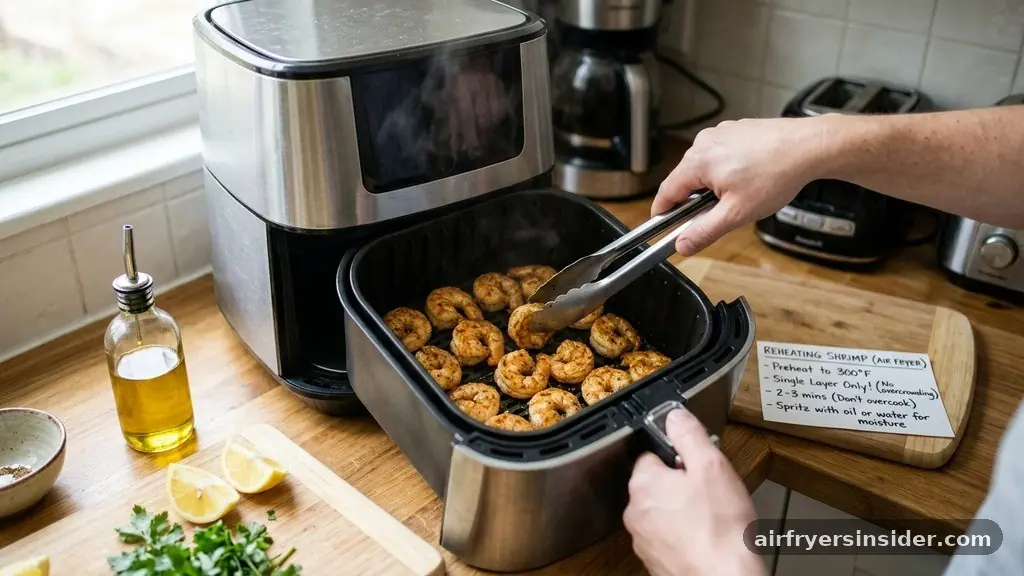
The most frequent error people make is cranking the temperature too high. It is tempting to use the maximum setting on your kitchen appliances, thinking it will get the job done faster.
However, this usually results in a burnt exterior and a cold, raw-tasting center. If you are using a powerful unit like a Ninja Foodi, the airflow is quite intense, so you should err on the side of caution with your temperature settings.
Another common mistake is neglecting the internal temperature check. While you are reheating, you still need to ensure the food reaches a safe level, especially if it has been sitting in the fridge for more than a day. Aim for an internal temperature of about 145°F to ensure it is thoroughly heated.
Finally, don’t walk away from the air fryer. Because the volume of shrimp is usually small, the timing is measured in minutes, not tens of minutes.
The Role of Fats and Moisture
When reheating, moisture retention is your biggest challenge. Shrimp is naturally lean, and once it is cooked, it loses its ability to hold onto juices.
Using a light coating of fat can act as a barrier against the dry heat of the air fryer. A quick spritz of olive oil or even a tiny brush of melted butter can go a long way in keeping the protein succulent.
If you are reheating coconut shrimp, the natural oils in the coconut flakes will often provide enough moisture, but a light touch of oil spray can still help the flakes toast rather than char. For plain shrimp, if you are worried about them drying out, you can place a small, heat-safe dish with a tablespoon of water at the bottom of the air fryer. This creates a tiny bit of steam that prevents the shrimp from becoming leathery while the convection currents keep the exterior pleasant.
Addressing Topical Gaps in Reheating
Many guides fail to mention how to handle frozen, pre-cooked shrimp versus thawed leftovers. If you are pulling shrimp directly from the freezer, you need to add extra time to your process. Do not attempt to crisp them immediately; instead, use a lower temperature to defrost them first.
If you are trying to reheat shrimp that was previously frozen, thawed, and then cooked, you have a very narrow window of quality. Always prioritize food safety and ensure the shrimp has not been left in the temperature danger zone for too long before it ever hit your fridge.
Another gap often overlooked is the seasoning aspect. Reheated food can sometimes lose its punch.
If your shrimp tastes a bit bland after its second trip through the heat, consider tossing it in a bit of fresh lemon juice, chopped parsley, or a sprinkle of garlic powder immediately after it comes out of the air fryer. This adds a layer of freshness that effectively masks the fact that the dish is a leftover.
Optimizing the Ninja Foodi and Similar Units
If you own a Ninja Foodi or a similar multi-cooker, you have an advantage in terms of airflow consistency. These machines are engineered to move air in a very specific pattern that mimics professional convection ovens.
When using these for reheating, you rarely need to use the “Air Crisp” or “Max Crisp” settings, as these are meant for raw foods. Instead, look for a “Reheat” or “Bake” function, which provides a more moderate heat that is perfect for warming without drying.
Always preheat your machine for at least two to three minutes before adding the shrimp. This ensures that the cooking chamber is at the target temperature from the very first second. If you skip preheating, the shrimp will spend the first few minutes in a lukewarm environment, which can lead to a soggy texture, especially with breaded items.
Maintaining Food Safety Standards
Seafood is highly perishable. When reheating leftovers, always ensure they were stored in an airtight container at 40°F or below. If you are ever in doubt about how long the shrimp has been in your refrigerator, it is safer to discard it.
Food safety is not worth the risk of illness. When you are reheating, the goal is to bring the shrimp back to a safe, hot temperature quickly, rather than letting it sit in the warm, humid environment of the air fryer for an extended period.
Remember that you should only reheat shrimp once. Every time you fluctuate the temperature of a protein, you degrade its quality and increase the risk of bacterial growth.
If you have a large batch of leftovers, only pull out what you intend to eat in that sitting. Keep the rest in the refrigerator until you are ready for the next portion.
Frequently Asked Questions
Can I reheat shrimp more than once?
No, you should avoid reheating shrimp more than once. Doing so significantly degrades the texture and flavor of the seafood, turning it into a rubbery, unpleasant meal. Furthermore, repeatedly heating and cooling protein increases the risk of bacterial growth, which is a major food safety concern.
How do I know when the shrimp is perfectly reheated?
The best way to tell is by checking the internal temperature with a food thermometer, aiming for 145°F. Visually, the shrimp should look opaque and firm, and if breaded, the exterior should be crisp. If the shrimp starts to curl into a tight ball, it is likely overcooking.
Is it better to use the microwave or air fryer for shrimp?
The air fryer is significantly better than the microwave. Microwaves use radiation to heat water molecules, which often results in uneven, rubbery shrimp. The air fryer uses convection heat to crisp the exterior and warm the interior gently, preserving the quality of the seafood far better than a microwave.
Should I thaw frozen cooked shrimp before putting it in the air fryer?
Yes, it is highly recommended to thaw your shrimp in the refrigerator overnight before reheating. If you put frozen shrimp directly into the air fryer, the exterior will likely overcook or burn before the center reaches a safe temperature, leading to a poor texture and uneven results.
Conclusion
Mastering the art of reheating shrimp in air fryer setups is all about respecting the delicate nature of the protein. By keeping your temperatures moderate, avoiding overcrowding, and using just a touch of oil to maintain moisture, you can transform yesterday’s meal into a fresh, delicious experience. Remember that the key is a quick refresh rather than a long cooking session, as seafood is incredibly fast to heat and even faster to dry out.
Once you get the timing down for your specific appliance, you will find that your leftovers are just as enjoyable as when they were first prepared. Take these tips into your kitchen, keep an eye on your basket, and enjoy your perfectly warmed seafood.