

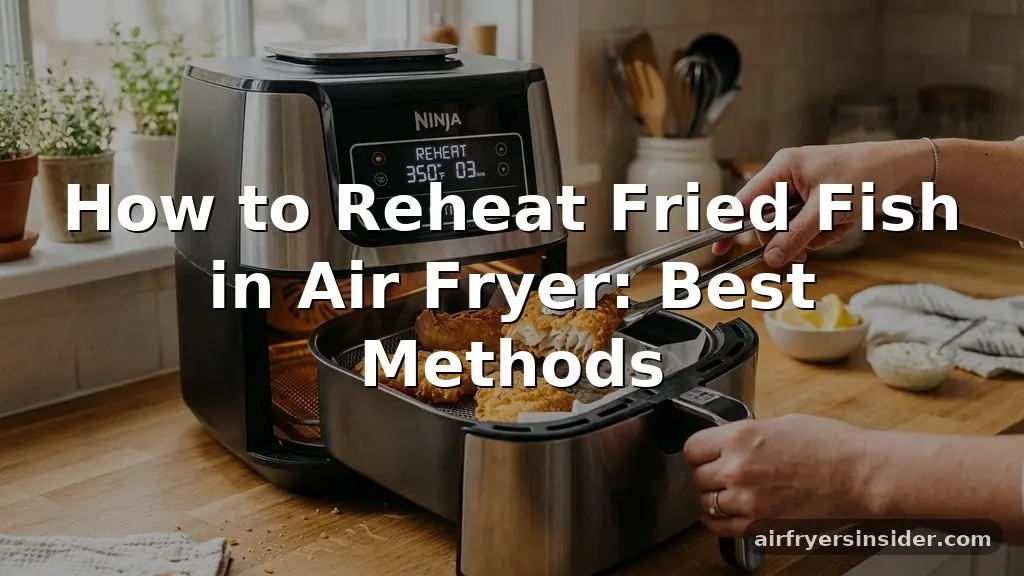
When you find yourself with leftover seafood, figuring out how to reheat fried fish in air fryer units is the best way to avoid the dreaded soggy crust. Microwaves often turn a perfectly good piece of breaded cod into a rubbery, unappetizing mess, but the circulating heat of an air fryer restores that signature crunch.
By understanding how to manage time and temperature, you can bring your meal back to its original glory without sacrificing the delicate quality of the meat inside. This approach ensures your leftovers are just as enjoyable the second time around, saving you from wasting perfectly good food while maintaining an ideal, crispy texture.
Understanding the Mechanics of Air Fryer Reheating
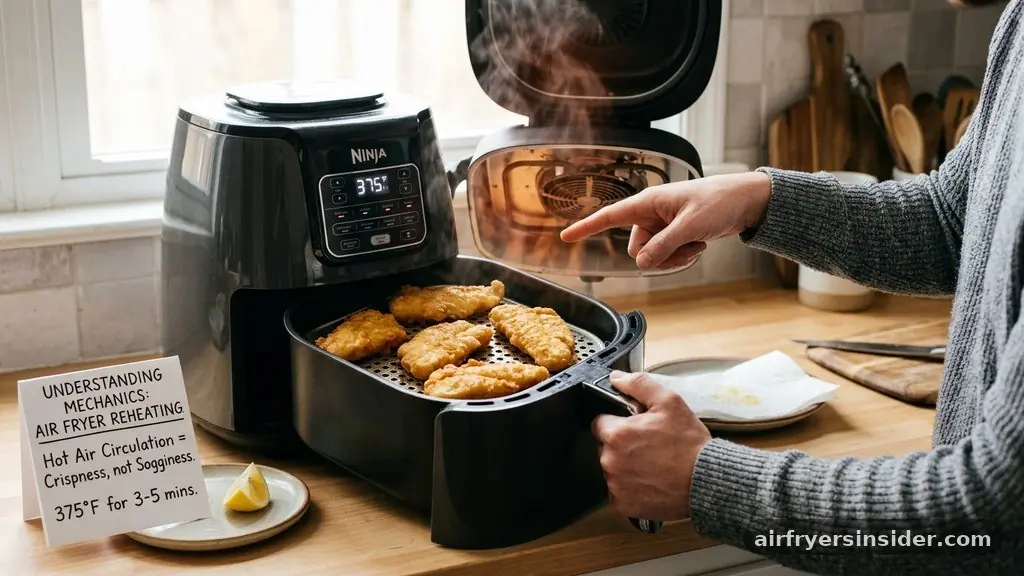
The primary reason air fryers excel at reviving breaded or battered foods is their use of rapid air technology. Unlike a conventional oven that relies on radiant heat, an air fryer uses a high-powered fan to force hot air around the food, creating a convection effect.
This thermal circulation is vital because it mimics the environment of a deep fryer, albeit with significantly less oil. When you place fried fish into the basket, the moving air works to dehydrate the surface of the crust just enough to make it crisp while warming the interior through conduction.
To achieve success, you must treat the process as a two-stage heating event. First, the exterior needs to reach a state where the starches in the breading regain their structural integrity. If the heat is too high, you risk burning the crust before the center is warm; if it is too low, the fish will sit in the basket long enough to lose all its internal moisture.
Finding that balance is the secret to mastering the appliance. By focusing on airflow and preventing the buildup of steam, you ensure the fish doesn’t become mushy during the recovery process.
Preparing Your Leftovers for the Best Results
Before you even plug in your device, take a moment to assess the condition of your fish. If the pieces were refrigerated in an airtight container, they might have absorbed some condensation, which is the enemy of a crispy finish. Remove the fish from the fridge about ten minutes before you plan to reheat it.
Letting the food come closer to room temperature prevents the center from remaining ice-cold while the outside crisps up. This minor step significantly improves the quality of the final product.
If you have multiple pieces of fish, avoid overcrowding the basket. Proper airflow is essential for the rapid air technology to work; if the pieces are touching or stacked, the hot air cannot reach the sides of the breading. If you are dealing with a larger quantity of food, it is better to work in two smaller batches.
Additionally, if the fish has a particularly thick breaded coating, you might consider a very light spritz of oil spray. This adds a tiny amount of fat to the surface, which helps conduct heat more efficiently and assists in achieving that deep-fried golden color without soaking the meal in grease.
Optimizing Temperature and Timing
While every air fryer model is slightly different, there is a general consensus on the ideal settings for reheating breaded proteins. Most users find that a temperature range between 350°F and 375°F is the sweet spot.
Setting the dial to 400°F is often too aggressive and can result in a scorched exterior before the middle of the fillet is heated through. Start with a preheated unit, as this ensures the cooking process begins immediately upon insertion.
The duration depends heavily on the size and thickness of the fillet. For a standard piece of fish, three to five minutes is usually sufficient. It is better to check the fish at the three-minute mark than to rely solely on a timer.
If it isn’t quite hot enough, give it another sixty seconds. Remember that the goal isn’t to “cook” the fish again, as that will lead to severe dehydration and a dry, fibrous texture. You are simply reheating leftovers to a palatable serving temperature, typically around 145°F for food safety.
Managing Moisture Retention and Texture
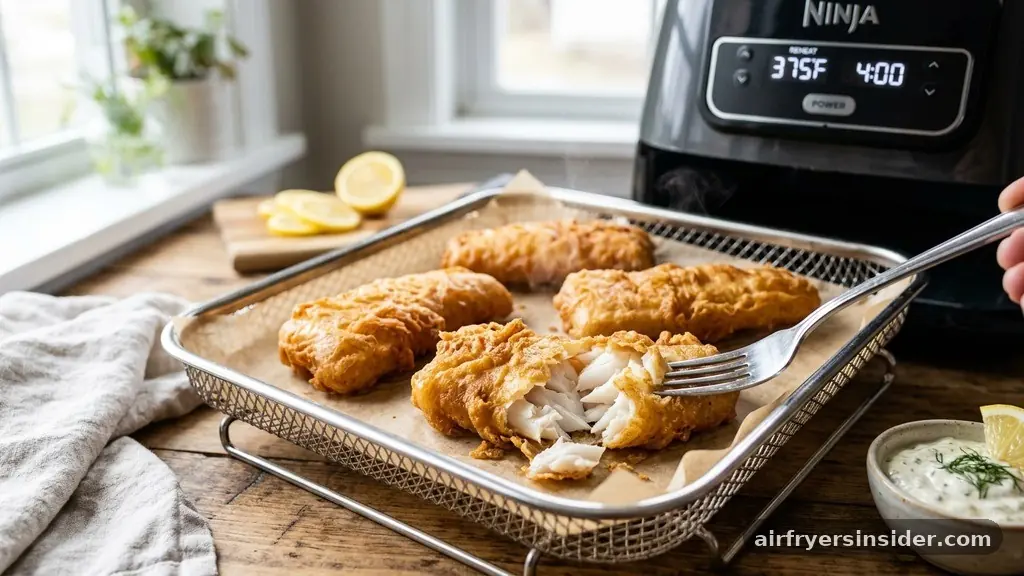
One of the most common complaints when reheating fried items is that they turn dry. Because air fryers move air so efficiently, they can easily sap the moisture from delicate fish meat.
To combat this, you need to manage the environment inside the basket. Using parchment paper can sometimes block the air from circulating underneath the food, so if you use it, ensure it is perforated or only placed on the bottom tray to prevent sticking.
Another factor is the type of coating on the fish. Battered fish, like that found in traditional fish and chips, tends to be more delicate than breaded fish. If you are reheating a tempura-style batter, keep the temperature slightly lower and the time shorter.
The residual oil in the batter will help it crisp up quickly. For breaded varieties, the crumbs are more resilient and can handle a slightly higher heat. Paying attention to these subtle differences allows you to customize your approach based on the specific style of the meal you are working with.
Common Pitfalls and How to Avoid Them
Even with the right equipment, it is easy to make small mistakes that impact the final result. One frequent error is neglecting to preheat the appliance. If you put cold fish into a cold basket, the breading will start to absorb the moisture released from the fish as it warms up, leading to a soggy crust.
Always run your machine for three minutes empty before adding your food. This ensures the basket is hot enough to sear the exterior immediately.
Another pitfall is the reliance on the microwave as a fallback. Many people try to “nuke” the fish for thirty seconds to get it started before putting it in the air fryer. This is a mistake.
Microwaving causes steam to form inside the breading, which ruins the texture from the inside out. Once that steam has turned the crust soft, no amount of air frying will bring back the crunch.
Stick to the air fryer for the entire duration. If you find your fish is browning too fast but the middle is still cool, you can tent it with a small piece of foil for the first two minutes, then remove it for the final minute to crisp the surface.
Comparing Reheating Methods for Fried Fish
It is helpful to understand how the air fryer stacks up against other common kitchen appliances when it comes to reviving leftovers. The following table highlights the differences in output and texture:
| Method | Resulting Texture | Time Required | Pros/Cons |
|---|---|---|---|
| Air Fryer | Crispy and hot | 4-6 minutes | Best balance of crunch and speed |
| Microwave | Soft/Soggy | 1-2 minutes | Very fast but destroys texture |
| Oven | Dry but crispy | 10-15 minutes | Even heating but takes too long |
| Stovetop | Greasy | 5-8 minutes | High risk of burning the crust |
As shown, the air fryer offers the most effective middle ground. It is faster than an oven and produces a vastly superior texture compared to a microwave. While the stovetop can work, it often requires adding more oil, which can make the fish heavy and overly greasy.
Addressing Topical Gaps: Advanced Tips for Specific Models
When using specific appliances like a Ninja Foodi or a Cosori, you might notice slight differences in fan speed and heat distribution. The Ninja Foodi, for instance, often has a more powerful fan, which can dry out food faster if you aren’t careful.
If you are using a high-powered unit, reduce your temperature by 10-15 degrees and check the fish frequently. For those using a wire rack insert, position the fish in the center of the rack to ensure equal airflow on both the top and bottom.
If your fish has a thick batter, you might find that it sticks to the basket. In this case, a small amount of food-grade silicone mat or a light coating of oil on the wire rack is essential. Another gap in common knowledge is how to handle fish and chips together.
If you are reheating a basket that includes fries, the fries often take longer to crisp than the fish. Reheat the fish first, remove it, and then give the fries an extra minute or two to finish. This ensures both components reach the table at their peak quality.
Ensuring Food Safety and Quality
While the primary goal is texture, food safety remains paramount. Fish is a delicate protein and should not be left at room temperature for more than two hours. When reheating, ensure the internal temperature reaches at least 145°F to kill any potential bacteria that may have formed during storage.
Using a food thermometer is the only way to be certain, though with thin fillets, this can be difficult. If the fish is steaming hot throughout and the breading is firm to the touch, you are generally in the safe zone.
Avoid reheating fish more than once. If you have a large portion, only take out what you intend to eat immediately. Every time you reheat the fish, the quality degrades, and the risk of bacterial growth increases.
By portioning your leftovers into individual containers before refrigerating, you make it easier to pull out exactly what you need. This practice not only preserves the taste but also keeps your kitchen habits organized and safe.
FAQ
Is it better to reheat fish in the oven or the air fryer?
The air fryer is superior for reheating fried fish because it uses rapid air circulation to restore the crunch without drying out the interior. An oven works, but it takes much longer to preheat and often leaves the breading feeling slightly less crisp than the air fryer.
How do I prevent the fish from becoming dry?
To keep the fish moist, avoid overheating it. Use a temperature of 350°F and keep the time short—usually three to five minutes. Do not use a microwave to pre-heat the fish, as this creates steam that ruins the texture and causes the meat to become tough and rubbery.
Can I reheat fish and chips at the same time?
Yes, but be aware that chips often require more time to crisp up than the fish. It is best to remove the fish once it is heated to your liking, then continue air frying the chips for an additional minute or two to ensure the entire meal is perfect.
How long should I keep leftover fried fish?
For the best quality and safety, consume leftover fried fish within two to three days. Ensure it is stored in an airtight container in the refrigerator immediately after your initial meal. If the fish develops an off-odor or changes texture significantly, it is best to discard it.
Conclusion
Mastering the art of reheating leftovers ensures that your meal is just as satisfying as the day it was prepared. By utilizing the specific benefits of your air fryer, you bypass the common issues of sogginess and dryness that plague other reheating methods. Focus on maintaining proper airflow, monitoring your internal temperature, and avoiding the urge to rush the process with higher heat.
With these simple adjustments, your fried fish will retain its crispy exterior and tender, flaky center, allowing you to enjoy your favorite meals without compromise. Treat your leftovers with the same attention as your initial cooking, and you will consistently achieve restaurant-quality results in your own home kitchen.
Meta Description: Learn how to reheat fried fish in air fryer units without losing the crunch. Get professional tips on temperature, timing, and moisture retention for perfect leftovers.


