

Learning how to use air fryer technology effectively transforms your daily meal preparation by turning simple ingredients into restaurant-quality dishes with minimal effort. While many view these appliances as glorified ovens, they are actually powerful tools that leverage rapid air circulation to mimic the results of deep frying without the excess oil.
By mastering the fundamental mechanics of heat distribution and proper food placement, you can achieve a perfect crispy texture on everything from vegetables to proteins. Understanding these nuances ensures that your cooking remains consistent, safe, and delicious every time you fire up the machine.
The Mechanics of Convection Cooking
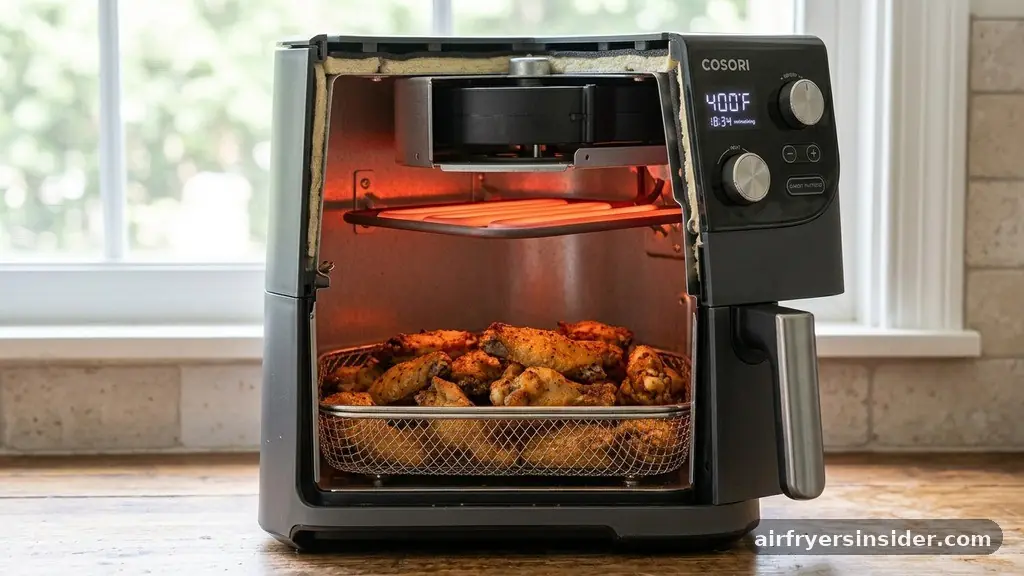
At its core, an air fryer is a compact version of a professional convection oven. The heating element is positioned above the food, while a powerful fan works to circulate hot air at high speeds throughout the cooking basket.
This intense, focused airflow is what triggers the Maillard reaction, a chemical process that browns food and creates complex flavors. Unlike traditional baking, which relies on ambient heat, an air fryer forces thermal energy directly into the surface of the food.
This process is highly efficient because the small chamber size allows for rapid temperature recovery. When you open the drawer to shake the basket, the unit loses heat quickly, but the high-velocity fan restores the desired temperature within seconds of closing it.
Because the air is constantly moving, moisture is evaporated from the surface of the food much faster than in a conventional oven. This is the secret behind the signature crunch that defines successful air frying.
Essential Setup and Preheating Protocols
Many beginners skip the preheating phase, assuming the device is ready to go the moment it is plugged in. However, allowing the unit to run empty for three to five minutes ensures the internal walls reach the target temperature before your ingredients enter the chamber. This initial heat soak is crucial for creating that immediate sear on the exterior of your food, preventing it from drying out internally while waiting for the appliance to reach its peak heat.
When setting up your station, consider the wattage of your specific model. Higher-wattage units generally recover heat faster and provide more consistent results.
Before starting, ensure the device is placed on a heat-resistant surface with at least five inches of clearance on all sides. Proper ventilation is non-negotiable; air fryers expel hot air and steam through rear vents, so placing them too close to a wall can cause heat buildup or damage to your cabinets.
Optimizing Food Placement and Capacity
One of the most frequent mistakes users make is overcrowding the basket. When food is piled on top of itself, the air cannot circulate effectively, resulting in soggy or unevenly cooked meals.
Each item should have enough space for the hot air to reach its surface from all angles. If you are cooking a large batch, it is far better to work in two separate cycles than to pack the basket to the brim.
To help visualize how different food types behave, consider the following capacity guidelines:
| Food Type | Layering Recommendation | Cooking Strategy |
|---|---|---|
| Vegetables | Single layer | Shake every 5 minutes |
| Frozen Proteins | Single layer | Flip halfway through |
| Breaded Items | Do not overlap | Avoid overcrowding |
| Whole Chicken | Centered | Check internal temp |
Managing Oil Usage and Smoke Points
While air frying is marketed as a healthier alternative to deep frying, a light coating of oil is often necessary to achieve a golden-brown finish. The key is to choose an oil with a high smoke point, such as avocado oil, refined coconut oil, or grapeseed oil. Avoid using extra virgin olive oil for high-heat settings, as it can burn quickly and lead to unwanted smoke emission in your kitchen.
If you choose to use an aerosol oil spray, ensure it contains only pure oil. Many commercial non-stick sprays contain additives like soy lecithin, which can build up on the non-stick coating of your basket over time, making it difficult to clean and potentially damaging the surface. A simple oil mister filled with your preferred high-heat oil is usually the best long-term solution for both your health and your appliance’s longevity.
Utilizing Accessories for Better Results
Accessories can significantly expand the utility of your machine. Using parchment paper liners designed specifically for air fryers can make cleanup effortless, though you must ensure the paper is weighed down by food so it does not fly up into the heating element. Silicone liners are another popular option; they are reusable and provide a soft surface that protects the basket’s finish.
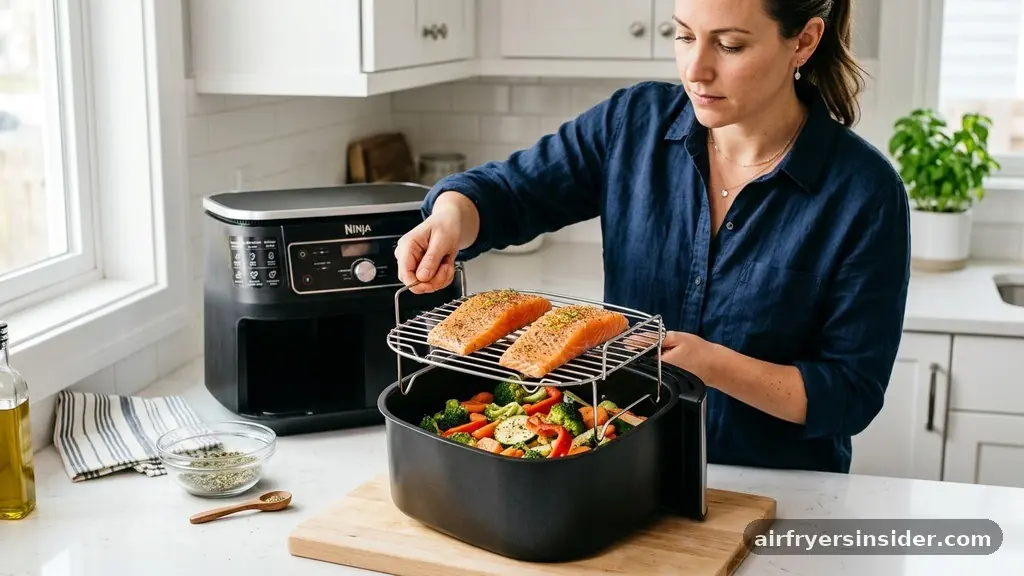
For those interested in more complex techniques, an air fryer rack can effectively double your cooking space. By stacking food on two levels, you can cook a main and a side simultaneously.
However, always remember that the top rack will cook faster than the bottom rack. You may need to swap the positions of the trays halfway through the process to ensure both levels reach the desired level of doneness simultaneously.
Ensuring Food Safety and Precision
Using a meat thermometer is the only way to guarantee food safety when cooking proteins. Relying solely on the timer or the visual appearance of the outside of the food can lead to undercooked centers, especially with thick cuts of meat. Always insert the probe into the thickest part of the food, ensuring you are not touching any bone, to get an accurate reading of the internal temperature.
Beyond meat, being mindful of the temperature range is vital for different cooking methods. Lower temperatures are perfect for gently roasting vegetables or even dehydration tasks like making fruit leathers or dried herbs. Higher temperatures are reserved for tasks like crisping chicken wings or reheating frozen foods, where you want to blast the exterior with heat to restore its original texture without overcooking the center.
Common Pitfalls and How to Avoid Them
Even experienced cooks can fall into traps that hinder performance. Using light items like spinach or thin slices of bread can be dangerous if they get sucked into the fan.
If you are cooking lightweight ingredients, use a metal rack or a specialized screen to keep them firmly in the basket. Additionally, ignoring the state of your cooking residue can lead to persistent smells and smoking during future uses.
- Always clean the basket after every use to prevent burnt oil buildup.
- Avoid using metal utensils that can scratch the delicate non-stick surface.
- Check the manufacturer’s manual to see if your basket is truly dishwasher safe.
- Never leave the unit unattended for long periods, especially when using high heat.
- Pat your food dry with a paper towel before adding oil for a better crust.
Maintenance and Long-term Care
Keeping your machine in top shape requires more than just a quick wipe-down. The heating element should be inspected periodically for grease splatter; if it gets dirty, it can cause smoke even when the basket is clean.
Always ensure the unit is completely unplugged and cooled down before attempting any deep cleaning. A soft sponge and mild soap are usually sufficient to maintain the integrity of the non-stick coating.
If you notice persistent odors, place a bowl of water with a squeeze of lemon juice in the basket and run it at a medium temperature for five minutes. This steam cleaning process helps loosen stubborn grease and neutralizes lingering smells. By treating your air fryer with the same care you would a high-end skillet, you ensure that the internal fan and heating components continue to function optimally for years to come.
FAQ
Do I need to put oil on everything I cook?
Not necessarily. Foods that are already high in fat, such as chicken thighs or bacon, often do not require additional oil. However, lean proteins and vegetables benefit significantly from a light misting, which helps conduct heat and ensures a golden, crispy finish.
Can I use aluminum foil in my air fryer?
Yes, you can use aluminum foil as long as you do not cover the entire bottom of the basket, which would block the airflow. Always ensure the foil is small enough that it doesn’t obstruct the vents, and never let it touch the heating element above.
Why does my air fryer produce smoke?
Smoke is usually caused by two things: excess fat dripping into the bottom of the basket or food particles burning on the heating element. To avoid this, add a tablespoon of water to the base of the drawer to catch drips or clean the unit thoroughly after every use.
What foods should I avoid cooking in an air fryer?
Avoid cooking wet batters, as they will drip off before setting and cause a mess. Additionally, avoid very light greens that might fly into the fan, and large whole roasts that may cook too close to the heating element, resulting in a burnt outside and raw inside.
Final Thoughts on Air Fryer Success
Mastering the art of using an air fryer is less about following strict recipes and more about understanding the relationship between heat, airflow, and timing. By paying attention to the way you arrange your food, managing your oil usage, and keeping your equipment clean, you can elevate your weeknight meals significantly. Whether you are focusing on healthy vegetable sides or perfecting the crunch on your favorite protein, the versatility of this appliance is unmatched.
Experimenting with different temperatures and times will eventually lead to an intuitive understanding of your specific model. Start with simple ingredients, observe how they react to the circulating air, and enjoy the convenience of modern, efficient cooking in your own home.


