

Mastering the art of breakfast preparation often comes down to finding the most efficient way to achieve that perfect crunch without the usual kitchen chaos. Determining how long to cook bacon in air fryer setups is a game-changer for home cooks who want restaurant-quality results with minimal effort.
By utilizing the rapid air circulation inherent in these machines, you can achieve a crispy texture that rivals pan-frying while significantly reducing the amount of bacon grease that typically coats your stovetop. This method is not only faster but also provides a more consistent finish, allowing you to enjoy your favorite bacon strips with far less active monitoring.
Understanding Optimal Cooking Times and Temperatures
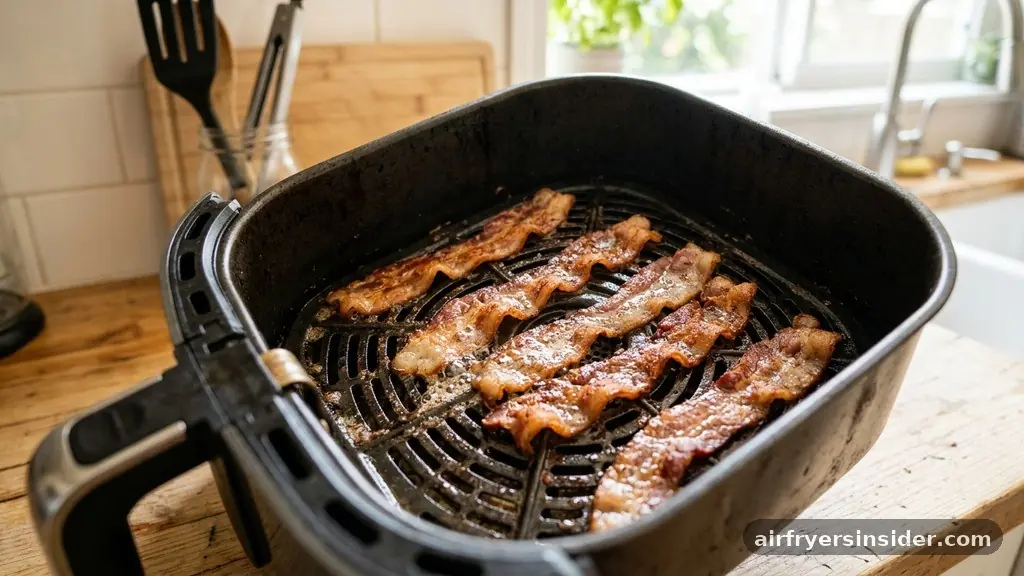
Determining exactly how long to cook bacon in air fryer environments depends largely on the thickness of the meat and your personal preference for crispiness. As a general rule, most air fryers perform best at 350°F to 400°F. If you prefer your bacon slightly chewy, you might lean toward a shorter duration, while those who want ultra-crispy results will need to extend the time.
For standard-cut bacon, setting your device to 375°F usually yields the best results in about 8 to 10 minutes. If you are working with thick-cut bacon, you should expect to add an extra 2 to 4 minutes to ensure the heat penetrates the center of the meat. Regardless of the cut, always start checking your bacon around the 7-minute mark to prevent overcooking, as air fryers can vary significantly in power and airflow efficiency.
The Mechanics of Convection Cooking for Bacon
The reason air fryers excel at cooking pork products is due to their reliance on convection cooking. Unlike a standard oven, which relies on radiant heat, an air fryer uses a powerful fan to circulate hot air rapidly around the food. This process is highly effective at rendering the fat out of the bacon, which is the secret to achieving that desirable crunch.
When the heating element warms the air, the intense fan speed strips moisture away from the surface of the meat. As the fat renders, it drips through the air fryer basket, effectively frying the bacon in its own juices while simultaneously drying the surface to create a crisp exterior. This mechanism is why the results are often superior to traditional methods where the bacon sits in a pool of its own grease, leading to a softer or soggier final product.
Managing Grease and Smoke Point Concerns
One of the most frequent concerns when cooking pork in an air fryer is the management of rendered fat. Because the bacon is elevated, the fat drips into the bottom of the basket or onto a drip tray.
If this grease gets too hot near the heating element, it can cause smoke. This happens when the grease reaches its smoke point, which varies depending on the specific type of cured meat you are using.
To avoid excessive smoke, ensure your air fryer is clean before starting. If you notice smoke during the cooking process, it is often a sign that the grease has accumulated too much and is starting to burn. You can mitigate this by placing a small amount of water in the bottom of the basket, beneath the tray, to cool the dripping fat, or simply by cleaning the unit thoroughly between batches to ensure no old residue is present.
Choosing the Right Accessories for Cleanup
The cleanup process is often the biggest deterrent to cooking bacon, but using the right tools can make it nearly effortless. Many people wonder if they should use aluminum foil or parchment paper.
While these materials can make cleanup easier by catching the grease, you must be careful. Never let loose foil or paper fly around the basket, as it can be sucked into the fan or touch the heating element, creating a fire hazard.
Always ensure that any liner you use is weighed down by the weight of the bacon strips themselves. Alternatively, using a dedicated silicone mat designed for air fryers can be a safer and more sustainable option. If you choose to forgo liners, simply soaking the basket in warm, soapy water for ten minutes after cooking will help loosen the hardened fat, making the removal of grease splatter much simpler.
Comparing Cooking Variables for Different Cuts
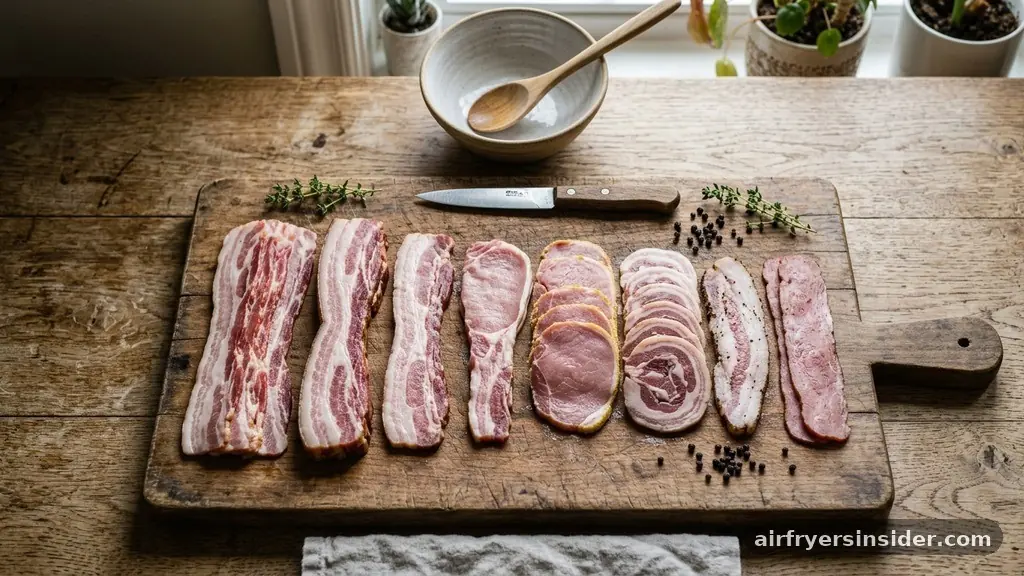
Not all bacon is created equal, and the type you choose will dictate your strategy. Back bacon, which is leaner than traditional streaky bacon, cooks much faster because there is less fat to render. Conversely, standard streaky bacon requires more time to achieve that perfect golden-brown finish.
| Bacon Type | Recommended Temp | Estimated Time |
|---|---|---|
| Thin-cut Bacon | 350°F | 7-9 Minutes |
| Standard-cut Bacon | 375°F | 8-10 Minutes |
| Thick-cut Bacon | 375°F | 10-14 Minutes |
| Back Bacon | 350°F | 6-8 Minutes |
Use this table as a starting point, but always prioritize visual cues. Bacon is done when it reaches your desired level of crispness and the internal temperature of the meat has reached a safe level, though with bacon, the visual change from translucent fat to opaque, golden crispness is the most reliable indicator for home cooks.
Common Mistakes to Avoid
Even with a simple process, there are pitfalls that can ruin a batch of bacon. One common mistake is overcrowding the basket. While you can overlap the strips slightly, layering them too heavily prevents proper air circulation, leading to uneven cooking where some pieces are burnt and others are rubbery.
- Overcrowding the basket: Always leave a little room for air to move.
- Ignoring preheating: Preheating your air fryer for 3 minutes ensures the cooking process starts immediately.
- Neglecting to drain: Always move your cooked bacon to a plate lined with paper towels to absorb excess surface oil.
- Using high temperatures for too long: This leads to burnt bacon that tastes bitter.
- Not checking mid-cycle: Always flip or rotate your bacon halfway through for the most consistent texture.
Avoiding these errors will significantly improve the quality of your breakfast and reduce the frustration of dealing with unevenly cooked meat. Patience is key; it is better to check the basket early and add time than to start at a high temperature and end up with charred, unusable strips.
The Role of Preheating and Air Circulation
Many users skip the preheating phase, but it is essential for the best results. When the air fryer is already at the target temperature, the bacon begins to render fat the moment it hits the basket. Without preheating, the bacon slowly warms up, which can cause it to become tougher and less crispy as it spends more time in the machine.
Furthermore, consider the layout of your strips. Placing them in a single, even layer allows the air to hit both sides of the bacon effectively.
If you are cooking for a large crowd, it is better to cook in multiple small batches rather than trying to cram everything into one cycle. This consistency ensures that the grease splatter is contained and the cooking time remains predictable across every batch you prepare.
Answering Topical Gaps: Safety and Efficiency
A common question is whether you can put raw bacon directly into the basket. The answer is a definitive yes, provided you are mindful of the fat drainage. Some air fryers come with a dedicated rack that keeps the meat elevated; this is ideal because it allows the fat to fall away, preventing the bacon from sitting in a puddle.
If you are concerned about the mess, consider using a splatter guard if your model supports it. Many people also ask if they can cook bacon with other items.
While it is possible to cook eggs or toast at the same time, it is generally discouraged because the bacon fat can flavor (or ruin) the other items. Stick to cooking your bacon solo to ensure the best flavor profile and to avoid any cross-contamination of cooking times.
Frequently Asked Questions
Is it necessary to flip bacon while it is in the air fryer?
While not strictly required, flipping your bacon halfway through the cooking process is highly recommended. It ensures that both sides of the strips are exposed to the hot, circulating air, resulting in a more uniform crispness and preventing one side from becoming significantly darker than the other.
Can I cook frozen bacon in an air fryer?
Yes, you can cook frozen bacon, but you will need to adjust your approach. You must add about 3 to 5 minutes to your total cooking time and keep the temperature slightly lower at the start to allow the strips to thaw and separate naturally without tearing.
Does air frying bacon reduce the calories?
Air frying bacon does help reduce the total fat content compared to pan-frying. Because the fat renders out and drips through the basket into the bottom tray, the final product retains less grease than bacon that has been cooked and served in a pan full of its own drippings.
Why is my air fryer smoking when I cook bacon?
Smoking usually occurs when bacon grease hits the heating element or when old grease residue in the bottom of the basket begins to burn. To prevent this, ensure your basket is clean before starting and consider adding a tablespoon of water to the bottom tray to cool the grease.
Conclusion
Perfecting the timing for air-fried bacon allows you to enjoy a classic breakfast staple with significantly less mess and improved texture. By understanding how the convection cooking process works and respecting the need for proper air circulation, you can consistently achieve the ideal balance of crunch and flavor. Remember to monitor your progress, especially when trying a new type of bacon, and always prioritize cleaning your equipment to keep your kitchen smoke-free.
Whether you prefer your slices extra crispy or just lightly rendered, the air fryer is an incredibly reliable tool for the job. Experiment with these temperature settings and timing guidelines to find your personal preference, and enjoy the convenience of a cleaner, faster way to prepare your bacon.


