

Deciding whether you can put wax paper in an air fryer is a common dilemma for home cooks looking to minimize cleanup. While it might seem like a convenient substitute for other liners, understanding the material properties of wax paper is essential for maintaining your kitchen safety. Because air fryers operate through intense convection cooking, the internal environment is vastly different from a standard oven.
Using the wrong materials can lead to significant issues, ranging from damaged heating elements to unexpected fire hazards. This article explores why specific materials are unsuitable for high-heat air frying and what safer alternatives exist to achieve perfectly crispy results.
The Science of Wax Paper and Heat Resistance
At its core, wax paper consists of a base of paper that has been coated with a thin layer of paraffin wax. This coating serves a specific purpose: it creates a moisture-resistant, non-stick surface that is perfect for wrapping sandwiches, storing cold food, or lining baking sheets for room-temperature treats.
However, the very feature that makes it useful for cold storage is exactly what makes it dangerous when exposed to high temperatures. Wax has a relatively low melting point, typically between 120 and 150 degrees Fahrenheit.
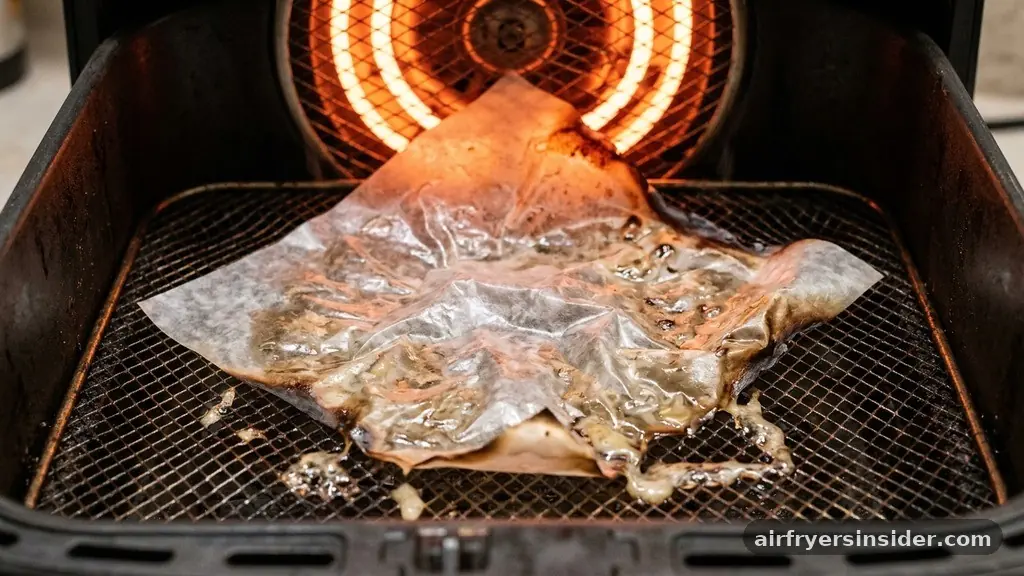
When you place wax paper inside an air fryer, you are introducing a combustible material into a space designed for rapid, forced-air heating. As the air circulates, the surface temperature of the wax paper quickly exceeds its melting point. Once the wax coating melts, it can liquefy, drip onto the heating element, or simply vaporize, filling your kitchen with smoke.
Because the wax is essentially a fuel source, it poses a direct fire hazard that far outweighs any convenience gained by avoiding a messy basket. Unlike materials designed for high-heat environments, wax paper lacks the necessary heat resistance to survive the intense, concentrated airflow of an air fryer.
Understanding the Mechanics of Air Fryer Convection
An air fryer is essentially a compact, high-powered convection oven. It uses a powerful fan and a heating element to circulate superheated air at high speeds around the food. This mechanism is what produces crispy results by rapidly dehydrating the outer layers of your ingredients.
Because this airflow is so aggressive, light materials like paper can be easily lifted from the bottom of the basket. If a piece of wax paper is caught by the fan, it can be sucked upward toward the heating element.
This interaction is a primary cause of appliance damage. If the paper makes contact with the glowing heating coil, it will ignite almost instantly. Even if the paper stays at the bottom, the high-velocity air can cause the wax to melt unevenly, potentially coating your food in a thin layer of paraffin, which is not intended for consumption.
Furthermore, the presence of any liner—even a safe one—must be managed carefully to ensure it does not obstruct the flow of air. When air circulation is blocked, your food will not cook evenly, and the appliance may struggle to maintain the desired temperature, leading to potential thermal cutouts or motor strain.
Why Parchment Paper Is Not the Same as Wax Paper
A common point of confusion for many home cooks is the difference between parchment paper and wax paper. While they may look similar on the roll, they are manufactured using entirely different processes and chemicals. Parchment paper is treated with a silicone coating, which provides a significantly higher heat tolerance. Most parchment products are rated to withstand temperatures up to 400 or 450 degrees Fahrenheit, making them far more suitable for oven and air fryer use.
In contrast, the paraffin wax used on wax paper is strictly for moisture protection at low temperatures. If you accidentally use wax paper instead of parchment, the results are immediate and often dramatic. The wax coating will melt, smoke, and potentially catch fire, creating a dangerous situation that requires immediate intervention.
Always verify the packaging before grabbing a sheet for your air fryer; if it says “wax paper,” it should never touch the inside of your air fryer basket. Choosing the wrong paper is a classic error in kitchen safety that can easily be avoided by keeping a box of high-heat-rated parchment paper on hand instead.
Safer Alternatives for Easier Cleanup
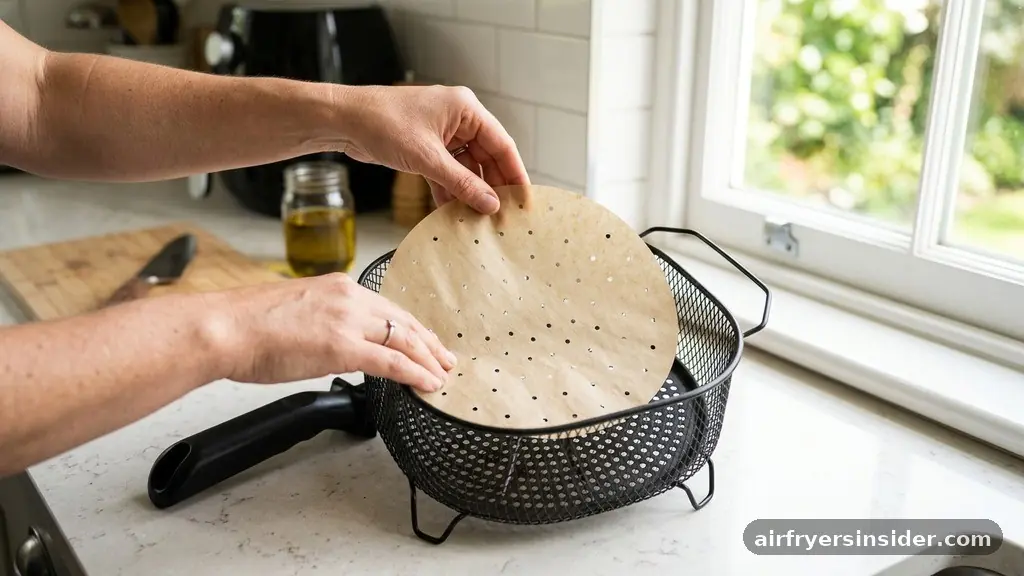
If your goal is to reduce the time spent on basket cleaning, you have several safe and effective options that do not involve the risks associated with wax paper. The most popular choice is pre-cut, perforated liners specifically designed for air fryers.
These liners are made from heavy-duty, heat-safe materials that can withstand high temperatures without degrading or releasing harmful fumes. The perforations are crucial because they allow for proper air circulation, ensuring that your food remains crisp while keeping the basket clean.
Another durable alternative is the use of silicone liners. These are reusable, dishwasher-safe mats that sit at the bottom of the air fryer basket. Because they are made from food-grade silicone, they are naturally heat-resistant and non-stick.
While they are an excellent investment for regular users, it is important to choose high-quality silicone that is rated for the high temperatures your specific air fryer reaches. Using these tools correctly helps protect the non-stick coating of your basket, extending the lifespan of your appliance and making post-cooking cleanup a breeze.
| Material Type | Heat Tolerance | Air Fryer Suitability |
|---|---|---|
| Wax Paper | Low (Melts at ~130°F) | Dangerous/Not Recommended |
| Parchment Paper | High (~425°F) | Safe (If weighted down) |
| Silicone Liners | Very High (~450°F+) | Ideal/Reusable |
| Aluminum Foil | Very High | Safe (With caution) |
Managing Aluminum Foil and Other Liners
While aluminum foil is often cited as a common alternative, it must be used with specific precautions. Foil is highly conductive, which means it can change how heat is distributed within the basket.
If you use foil, ensure it is tucked tightly around the food or the bottom of the basket so that it cannot fly up into the heating element. Never cover the entire bottom of the air fryer if your model relies on bottom-up airflow, as this will completely ruin the cooking process and potentially overheat the unit.
Regardless of which liner you choose, remember that food safety is paramount. Avoid using any paper or foil if you are cooking highly acidic foods, such as those with heavy tomato sauces or vinegar-based marinades, as these can react with certain materials.
Furthermore, never place a liner in the air fryer during the preheating phase unless there is food weighing it down. An empty, lightweight liner is essentially a sail; the air current will lift it, press it against the heating element, and trigger a smoke alarm or fire risk.
Addressing Common Misconceptions and Topical Gaps
There is a persistent myth that if you keep the temperature low enough, wax paper becomes safe to use. This is a dangerous misconception. Even at lower settings, the air within the chamber is being forced by a fan, and the heating element cycles on and off to maintain the target temperature.
A “low” setting of 250 degrees Fahrenheit is still nearly double the melting point of paraffin wax. There is no safe temperature at which wax paper should be used in this appliance.
Another gap in common knowledge involves the “smoke” factor. Users often think that a little smoke is just a sign that the paper is “adjusting” to the heat. In reality, any smoke produced by your liners is a warning sign of material breakdown.
When the wax coating melts, it releases chemical vapors that can affect the flavor of your food and potentially release irritants into your kitchen air. Prioritizing appliance maintenance means keeping the interior free of burnt residue, and introducing melting wax is the fastest way to create a permanent, stubborn mess inside your machine.
Best Practices for Air Fryer Longevity
Maintaining your air fryer is about more than just keeping it clean; it is about respecting the design limits of the appliance. The non-stick coating inside most baskets is delicate.
Using metal utensils or abrasive scrubbers can scratch this surface, causing food to stick more often and leading you to rely on liners more frequently. By using wooden or silicone tools and sticking to manufacturer-approved liners like perforated parchment, you preserve the integrity of the basket.
Regularly inspecting your heating element is also part of good maintenance. If you have had an incident where a liner touched the coil, ensure you carefully clean any residue from the element once the unit is completely cool.
A buildup of charred material on the element can lead to uneven heating and can eventually cause the element to fail prematurely. Investing in the right accessories and avoiding “quick fixes” like wax paper ensures that your air fryer remains a reliable tool in your kitchen for years to come.
Tips for Achieving Perfect Results Without Wax Paper
If you are worried about food sticking, there are effective methods to achieve great results without relying on any paper at all. First, consider the quality of your ingredients.
A light misting of high-smoke-point oil, such as avocado or grapeseed oil, can create a natural non-stick barrier on the basket. Avoid using aerosol cooking sprays that contain soy lecithin, as these can build up a gummy, sticky residue on the basket over time that is difficult to remove.
Properly preheating the air fryer also helps. When the basket is already hot, food is less likely to adhere to the surface upon contact. Additionally, ensure that you are not overcrowding the basket.
When food is packed too tightly, it creates moisture pockets that prevent the desired crisping and often lead to sticking. By arranging items in a single layer with space for air to move, you improve both the texture of your meal and the ease of cleanup, eliminating the need to ever wonder about using risky liners like wax paper.
FAQ
Can I use parchment paper instead of wax paper?
Yes, parchment paper is a safe alternative because it is coated in silicone and designed for high heat. However, always ensure the paper is weighted down by food so it does not fly up into the heating element during the cooking process.
Is it safe to use aluminum foil in an air fryer?
Aluminum foil is safe to use in an air fryer, provided it is used correctly. It should be fitted snugly to the bottom of the basket and never allowed to touch the heating element. Do not block the air circulation, as this will prevent even cooking.
Why does my air fryer smoke when I use a liner?
If your air fryer smokes, it usually means the liner is touching the heating element or the grease from your food is burning on the surface of the liner. Ensure your liner is properly sized, weighted down, and that you are not using materials like wax paper.
What happens if I accidentally use wax paper?
If you accidentally use wax paper, turn off the air fryer immediately and let it cool down completely. Do not attempt to move the paper while it is hot or melted. Once cool, remove the residue and clean the basket thoroughly to prevent future burning or smoke.
Conclusion
The question of whether you can put wax paper in an air fryer has a definitive answer: never do it. The risks of fire, smoke, and appliance damage are simply too high for a material that is not designed to withstand the intense, forced-air environment of convection cooking. By opting for safer, heat-rated alternatives like perforated parchment paper or reusable silicone liners, you can enjoy all the benefits of effortless cleanup without compromising your kitchen safety.
Always prioritize the manufacturer’s guidelines and use materials specifically tested for the high temperatures your appliance reaches. Taking these small precautions ensures that every meal is as safe as it is delicious. If you have questions about specific accessories for your model, feel free to leave a comment below to share your experiences or ask for further guidance.


