

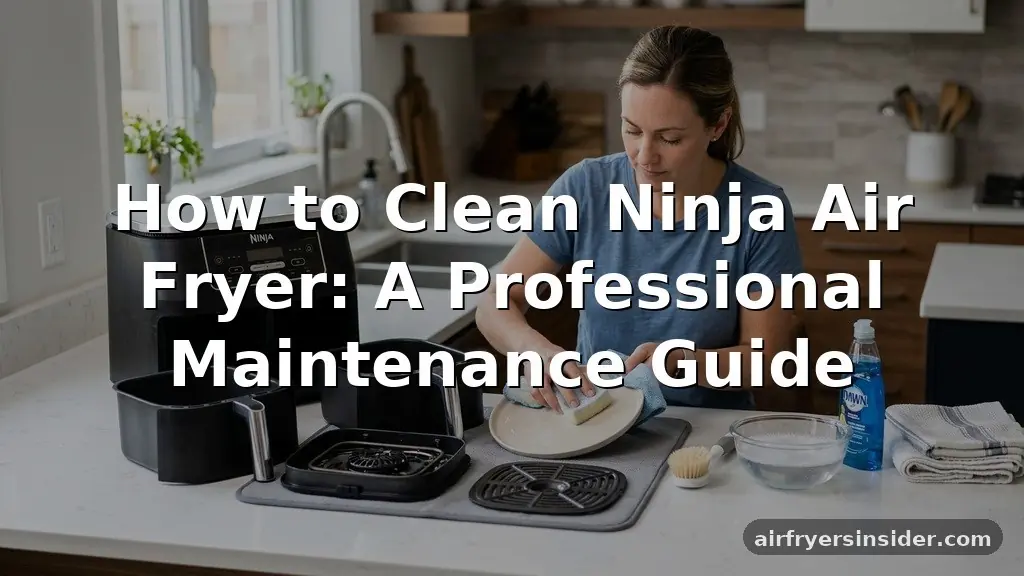
Keeping your kitchen appliances in peak condition ensures your meals taste better and your equipment lasts longer. Mastering the process of cleaning a Ninja air fryer prevents the accumulation of stubborn burnt-on fats and keeps the air circulation efficient.
Whether you use your device daily for crispy snacks or occasionally for roasts, knowing the right techniques saves you time and protects the delicate surfaces inside. By following a structured approach to maintenance, you can easily remove stubborn food residue without damaging the integrity of your appliance.
Understanding the Components of Your Ninja Air Fryer
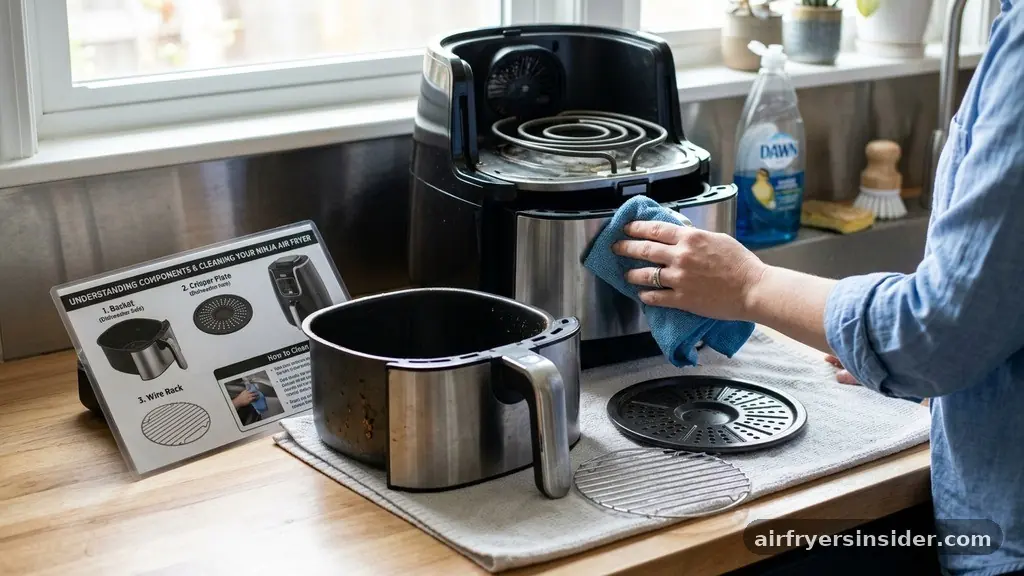
Every Ninja air fryer model features a few primary parts that require specific care. The base unit houses the fan and the heating element, while the basket and crisper plate are the surfaces that come into direct contact with your food.
Most modern models come equipped with a durable ceramic coating or a high-quality non-stick surface designed to release food easily. However, these surfaces can be compromised if you use harsh metal utensils or abrasive scouring pads during your cleanup routine.
The splatter guard is another critical component that often gets overlooked. This small screen sits above the heating element and prevents grease from splashing upward during high-heat cooking.
Because it is positioned directly in the path of rising steam and oil particles, it tends to accumulate a thick layer of grime over time. Identifying these parts early allows you to create a systematic workflow, ensuring that you don’t miss hidden areas where bacteria or old oil might hide.
Essential Supplies for Effective Appliance Maintenance
You don’t need expensive chemical cleaners to keep your machine looking brand new. In fact, most manufacturers recommend sticking to gentle, household staples to avoid stripping the protective finish.
A basic kit for cleaning a Ninja air fryer should include a high-quality grease-cutting dish soap, white vinegar, and baking soda. These items work together to break down layers of scorched oil without causing chemical corrosion.
Beyond cleaning agents, your choice of tools matters significantly. Invest in a soft-bristled brush, which is perfect for reaching into the nooks of the crisper plate without scratching the coating. A microfibre cloth is ideal for wiping down the exterior and drying the interior components without leaving lint behind.
If you encounter particularly stubborn patches, a non-abrasive sponge provides enough friction to lift the residue while remaining gentle enough to preserve the non-stick surface. Keep a stash of paper towels handy for the final wipe-down to ensure no moisture remains.
Addressing Baked-On Grease and Food Residue
When grease buildup hardens over time, it becomes a challenge to remove with simple wiping. The most effective way to tackle this is by soaking the removable components in warm soapy water for at least fifteen minutes.
This allows the water and soap to penetrate the food residue, loosening its bond with the basket. If the grease is particularly thick, adding a half-cup of white vinegar to the basin can help dissolve the minerals and fats more rapidly.
For parts that cannot be submerged, such as the base unit, you should never pour water directly onto the housing. Instead, dampen your cloth with a mixture of water and a mild degreaser or dish soap.
Wring it out thoroughly so it is merely damp rather than dripping, as moisture near the power cord or electrical components is a major safety risk. Gently scrub the interior walls where splatter might have occurred, focusing on areas with visible carbon deposits.
Deep Cleaning the Heating Element
The heating element is perhaps the most delicate part of the unit. Because it is responsible for the intense heat required for air frying, it often collects scorched oil that can lead to smoke during future cooking sessions.
To clean it safely, ensure the unit is completely cool and unplugged. Use a soft-bristled brush to gently dislodge any loose crumbs or debris from the coils.
If you notice persistent carbon deposits, create a thick paste using baking soda and a small amount of water. Apply this paste sparingly to the affected areas of the heating element using a cloth or a soft brush.
Let it sit for a few minutes, then carefully wipe it away with a clean, damp cloth. It is vital that you do not leave any baking soda residue behind, as this can affect the taste of your food or create an unpleasant smell when the unit heats up again.
Maintaining the Air Inlet and Exterior Housing
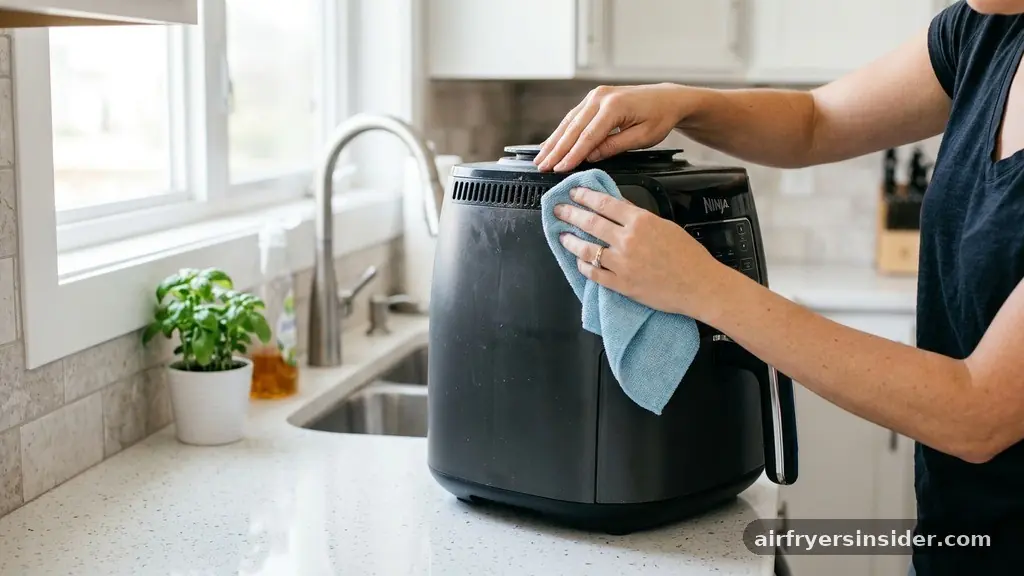
The air inlet is the “lungs” of your Ninja air fryer. If this area becomes clogged with dust or grease, the motor has to work significantly harder to maintain the required temperature, which can lead to premature failure of the device.
Inspect the vents regularly and wipe them down with a slightly damp cloth. If you find debris caught in the slats, use a dry, soft-bristled brush to gently sweep it away.
The exterior shell of your appliance should be wiped down after every use to prevent a sticky film from developing. Over time, heat can cause airborne kitchen grease to settle on the outside of the machine.
Use a mild soap solution and a microfibre cloth to keep the plastic or stainless steel surface clean. Always finish by drying the exterior completely with a fresh paper towel to prevent water spots or streaks from forming on the finish.
Comparing Cleaning Methods for Different Parts
Not every part of your appliance requires the same intensity of cleaning. The following table breaks down the best approach for each major component to ensure you are using the right method for the specific material.
| Component | Cleaning Method | Best Tool |
|---|---|---|
| Crisper Plate | Soak in warm soapy water | Soft-bristled brush |
| Cooking Basket | Hand wash with mild soap | Non-abrasive sponge |
| Exterior Shell | Wipe with damp cloth | Microfibre cloth |
| Heating Element | Gentle brushing/paste | Soft brush/damp cloth |
Addressing Common Cleaning Misconceptions
Many users assume that because an item is labelled as dishwasher safe, it is always the best way to clean it. While placing your basket and crisper plate in the dishwasher might be convenient, frequent high-heat wash cycles can actually degrade the non-stick coating faster than hand washing. The intense heat and abrasive detergents used in dishwashers tend to strip the protective layer, eventually leading to food sticking during future cooking attempts.
Another common mistake is using sharp tools to scrape off stubborn food. Even if you think you are being careful, metal forks or knives will leave microscopic scratches in the ceramic coating.
Once that surface is compromised, food will naturally adhere to those scratches, creating a cycle where the pan becomes increasingly difficult to clean. Always stick to silicone, wooden, or soft plastic tools when removing stuck-on bits.
Topical Gaps: Specialized Cleaning Concerns
How to manage odours after cooking strong-smelling foods
If your air fryer retains the scent of fish or spices, a simple cleaning might not be enough. You can neutralize these smells by placing a heat-safe bowl containing a mixture of water and lemon juice inside the basket. Run the machine at a low temperature for five minutes. The steam will permeate the interior and help lift away lingering odours, leaving your appliance smelling fresh and ready for the next meal.
Removing residue from the splatter guard
The splatter guard is notorious for trapping grease. If it’s removable, soak it in a degreasing solution. If it’s fixed, use a concentrated mixture of vinegar and water applied with a toothbrush. Scrub in a circular motion to break up the carbonised oil. Always ensure it is completely dry before you restart the machine to prevent moisture from interfering with the heating process.
FAQ Section
How often should I perform a deep clean on my air fryer?
For regular users, a light wipe-down should occur after every use. A thorough deep clean, including the heating element and air vents, should be performed every two to three weeks or whenever you notice a persistent smell or visible grease buildup that doesn’t wipe away easily.
Is it safe to use commercial oven cleaners on my Ninja?
No, you should never use harsh commercial oven cleaners on your air fryer. These chemicals are far too aggressive for the non-stick coatings and internal components. They can cause the finish to peel or flake, which is dangerous if those particles end up in your food.
Can I put the base unit of my Ninja air fryer in water?
Absolutely not. The base unit contains the electrical components, fan, and power cord. Submerging it in water will cause irreparable damage to the motor and electrical systems, and it poses a severe electrocution hazard. Only clean the exterior of the base with a damp cloth.
What should I do if the food keeps sticking to the crisper plate?
If food sticks, your non-stick coating may be wearing thin. Avoid using metal utensils and stop using high-heat dishwasher cycles. You can try seasoning the plate with a very light coating of oil before cooking, or soak it in warm soapy water for longer periods to gently lift the residue.
Maintaining Your Appliance for Longevity
Properly caring for your Ninja air fryer is a simple investment that pays dividends in the form of better food quality and a longer lifespan for your machine. By avoiding harsh abrasives, respecting the limits of the non-stick surfaces, and keeping the heating element free of carbonised oil, you ensure that your device remains a reliable workhorse in your kitchen. Consistency is the real secret; quick, routine maintenance prevents the heavy-duty buildup that makes cleaning a chore.
If you find that your air fryer is consistently producing smoke or smells like burning plastic, take a moment to perform a thorough inspection of the heating element and the splatter guard. Often, these issues are solved by removing a small amount of overlooked residue.
Keep your kitchen routine simple, stay consistent with your cleaning habits, and you’ll enjoy perfectly crispy results for years to come. If you have any specific tips or tricks that have worked for your particular model, feel free to share your experiences.
Meta Description: Learn how to clean Ninja air fryer safely and effectively. Follow our expert tips to remove grease, maintain the heating element, and protect non-stick coatings.


